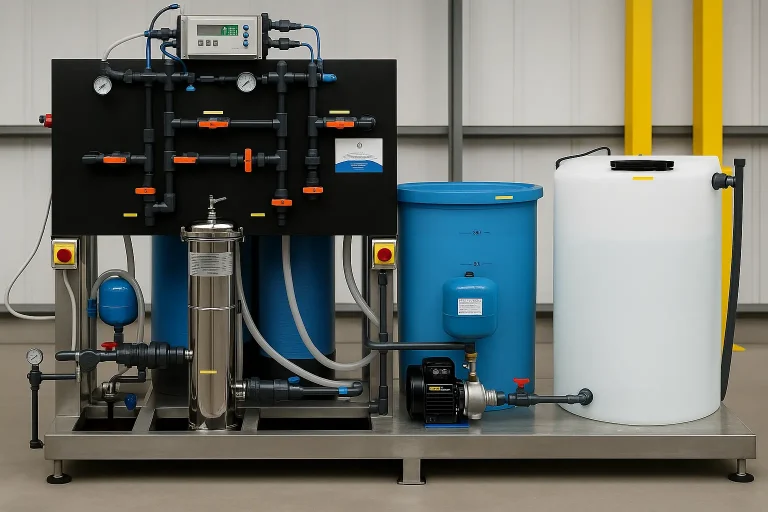

Managing wastewater and discharge compliance in aerospace surface treatment

Aerospace surface treatment depends on tightly controlled processes. Anodising, plating, chemical cleaning, passivation, conversion coating and specialist rinsing all need to produce consistent results on high-value components.

They also generate wastewater that must be managed carefully.

For aerospace and defence manufacturers, wastewater is not just a by-product of production. It is a compliance risk, a cost issue and a potential source of disruption if the treatment system cannot keep pace with the process line.

Effluent from surface treatment operations may contain acids, alkalis, metals, dissolved salts, suspended solids, process chemicals and rinse water. The exact composition depends on the line, the materials being processed and the chemistry in use. That variation makes aerospace wastewater treatment highly site-specific.

A successful system needs to do more than neutralise a waste stream. It must help the site meet discharge limits, protect production continuity and provide confidence that compliance can be maintained over time.

Compliance starts before wastewater reaches the drain

Effluent compliance is often discussed at the discharge point, but the outcome is shaped much earlier in the process.

Aerospace surface treatment lines can include multiple pre-treatment, treatment and rinse stages. Each stage contributes to the final wastewater profile. Drag-out, rinse flow, bath chemistry, component geometry and production volume can all change the load entering the treatment plant.

This is why wastewater treatment should be considered when a line is designed, expanded or changed. Leaving it until the end can create problems with plant capacity, discharge limits, chemical use, sludge handling or operator workload.

The first question should be: what will this process put into the wastewater system, and what will the discharge consent allow?

In the UK, discharge requirements depend on the route and site circumstances. Trade effluent discharged to sewer is usually controlled through the relevant water authority.

Why aerospace surface treatment effluent is complex

Aerospace wastewater treatment can be more complex than general industrial effluent because the process chemistry is more demanding and the quality requirements are higher.

Surface treatment wastewater may include:

  • Acidic or alkaline rinse water
  • Aluminium, nickel, chromium, zinc, copper or other metals
  • Sulphates, fluorides or phosphates
  • Suspended solids
  • Oils or surfactants from cleaning stages
  • Complexing agents
  • Spent process chemistry
  • High or variable conductivity
  • Sludge from precipitation and settlement

The wastewater can also change throughout the day. A rinse stream may be relatively dilute for long periods, then receive a higher load after bath maintenance, process changeover or increased production. If the treatment plant cannot cope with those changes, compliance can become harder to maintain.

For aerospace manufacturers, this matters because production interruptions can be expensive. If wastewater treatment becomes the bottleneck, the impact can reach far beyond the plant room.

From process change to effluent risk

Aerospace surface treatment is evolving. Some manufacturers are moving away from older chemistries, introducing alternative anodising processes or adding new lines to meet customer requirements.

Those changes can alter the wastewater profile significantly.

For example, a new anodising line may change acid load, aluminium concentration, rinse volume, sludge production or treatment chemistry. A change from one surface treatment process to another may reduce one compliance risk while creating a different treatment challenge.

This is why wastewater systems should not be specified from generic assumptions. A plant that worked well for one process may not be suitable for another.

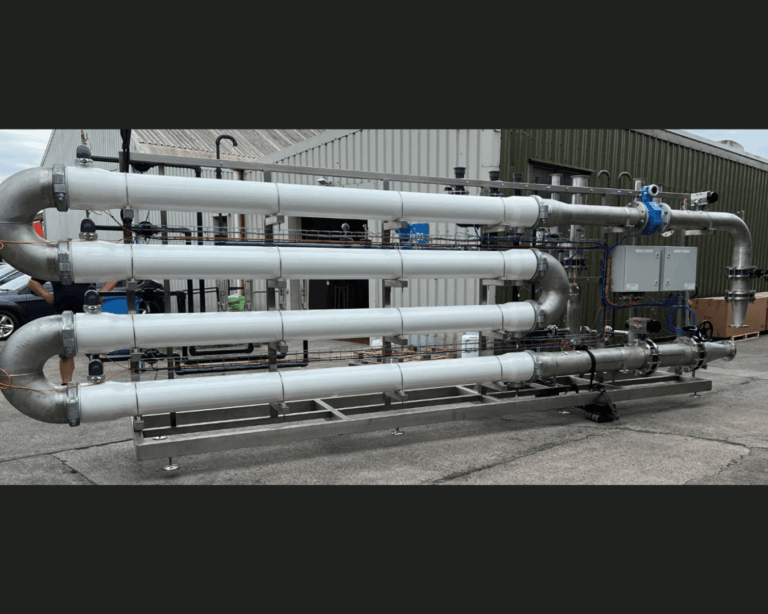
AllWater’s Aero Fabrications case study is a useful example. When Aero Fabrications installed a new Tartaric Sulphuric Anodising line, AllWater designed a tailored solution that included both a reverse osmosis plant to meet Airbus Spec A water requirements and an advanced water treatment plant for the TSA line’s waste.

That combination is important. The high-purity water system and wastewater treatment system needed to support the same production process.

Treatability testing reduces compliance uncertainty

Before designing an effluent plant, it is often important to test how the wastewater behaves.

Treatability testing can help confirm:

  • The best pH range for treatment
  • How metals respond to precipitation
  • Whether complexing agents affect removal
  • Chemical dosing requirements
  • Sludge volume and handling needs
  • Settlement or filtration performance
  • Whether additional treatment stages are required
  • Whether the treated water is likely to meet discharge limits

This is particularly important where the process chemistry is new, unusual or changing. TSA anodising, specialist cleaning chemistry or mixed surface treatment streams can behave differently from standard assumptions.

Testing helps reduce design risk. It also gives the site a stronger basis for discussions with internal quality teams, environmental managers, water authorities or regulators.

Key treatment stages for aerospace wastewater

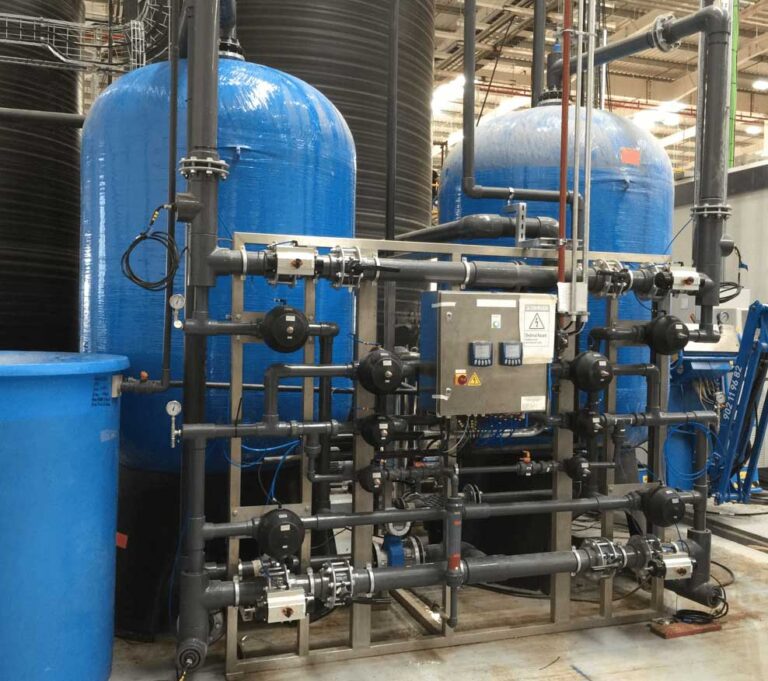
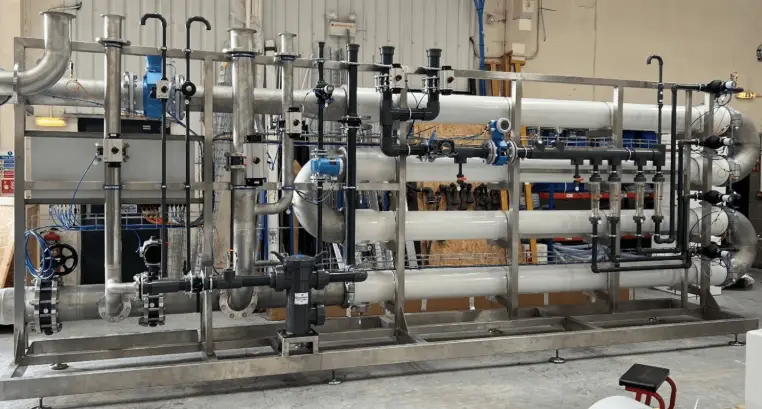
Aerospace wastewater treatment systems are usually designed around the specific contaminants and consent limits at each site. They may include several stages working together.

Common treatment stages include:

  • Flow balancing to even out variations in wastewater load
  • pH correction and neutralisation
  • Chemical dosing for precipitation or reduction/oxidation
  • Coagulation and flocculation
  • Settlement or clarification
  • Filtration
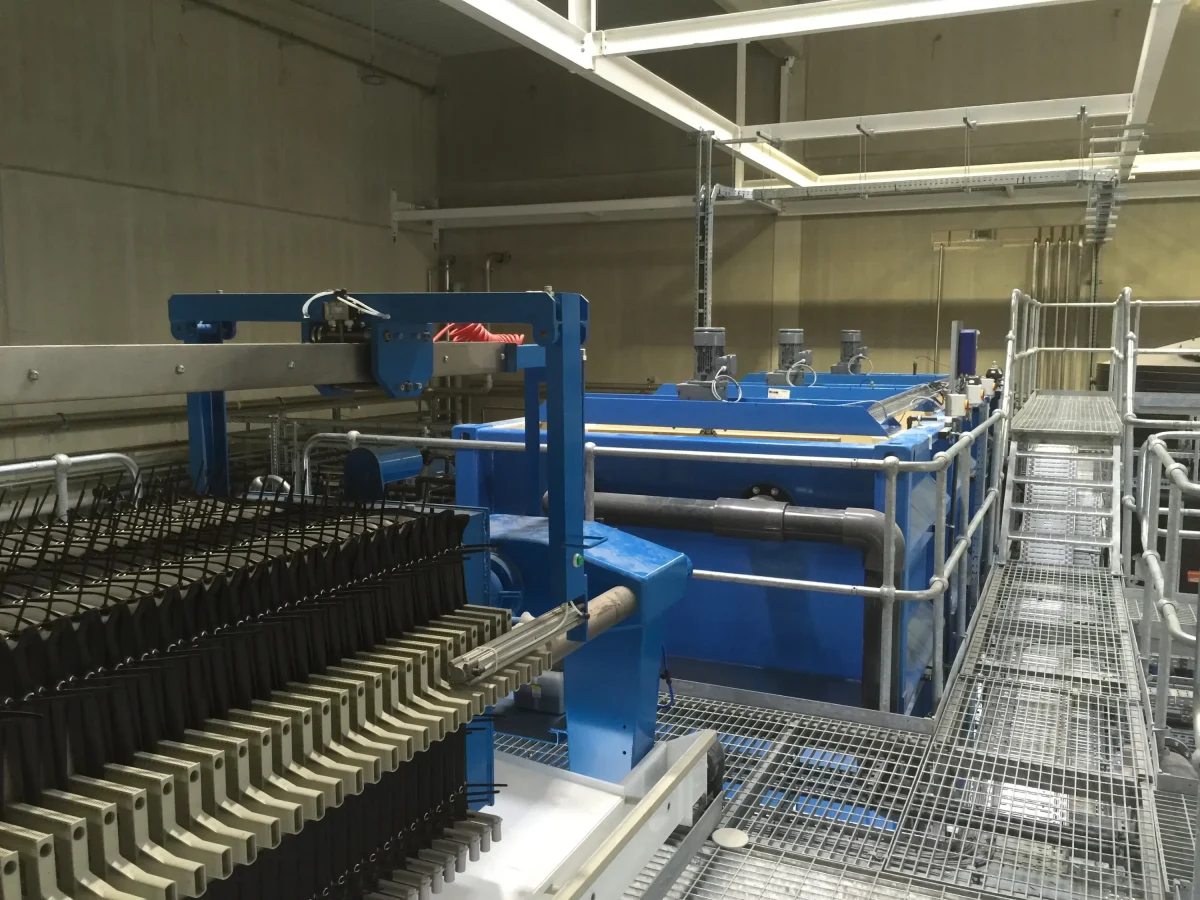
  • Sludge dewatering
  • Monitoring and final discharge control
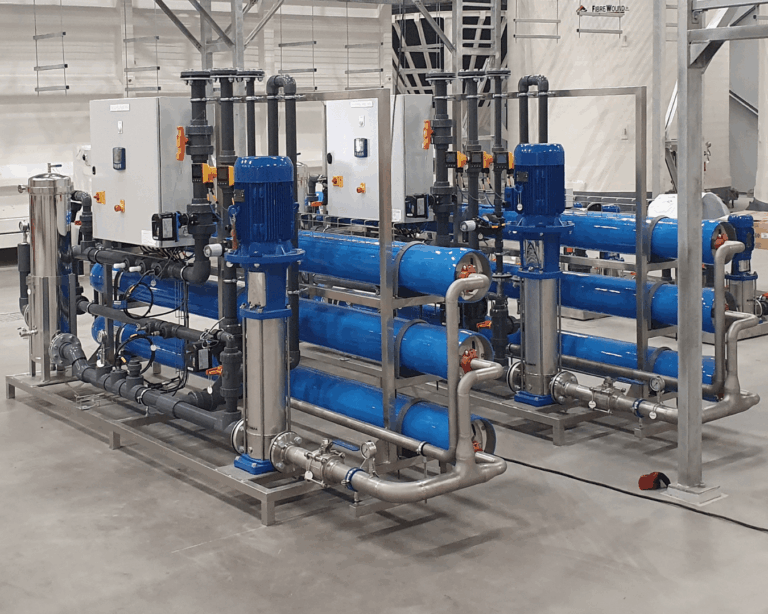
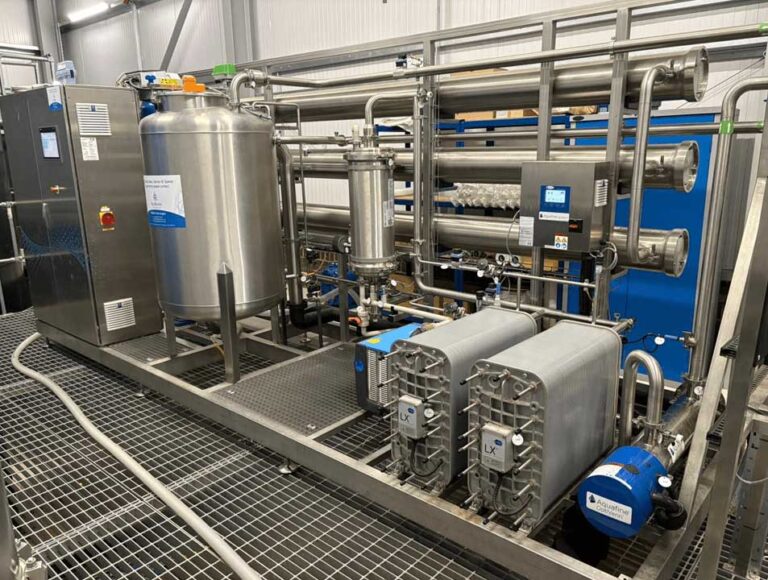
  • Membrane treatment or ion exchange where polishing is needed

The right combination of  wastewater treatment solutions depends on the site’s wastewater profile and discharge requirements.

The most important point is that treatment should match the actual effluent, not just the industry label. Two aerospace surface treatment sites may need very different systems.

Treatment and sludge handling are closely linked

In surface treatment wastewater, the contaminants, the treatment chemistry and the solids produced all affect each other. A system needs to be designed with all of them in view to deliver consistent results.

Sludge is also part of the compliance picture. Precipitating metals creates solids that need to be settled, dewatered, stored and removed appropriately. A system that achieves good metals removal but produces difficult sludge can still create operational problems.

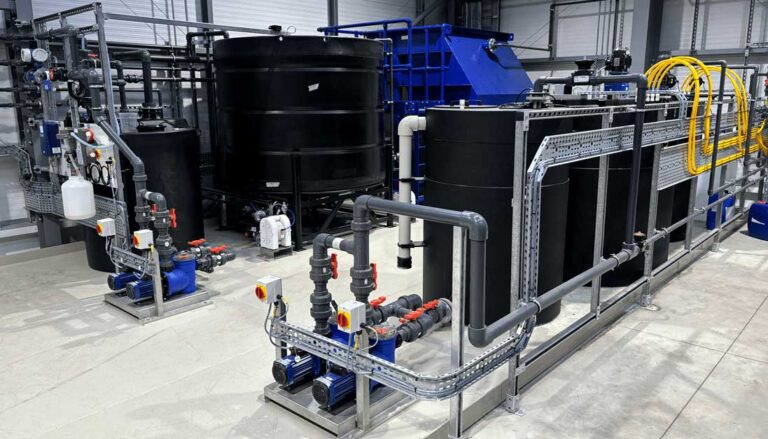
For aerospace sites, this means the treatment plant should be designed for the full practical reality: dosing, mixing, settlement, sludge handling, access, operator checks and ongoing maintenance.

Monitoring and records support compliance confidence

Effluent compliance depends on more than installed equipment. It also depends on monitoring, maintenance and evidence.

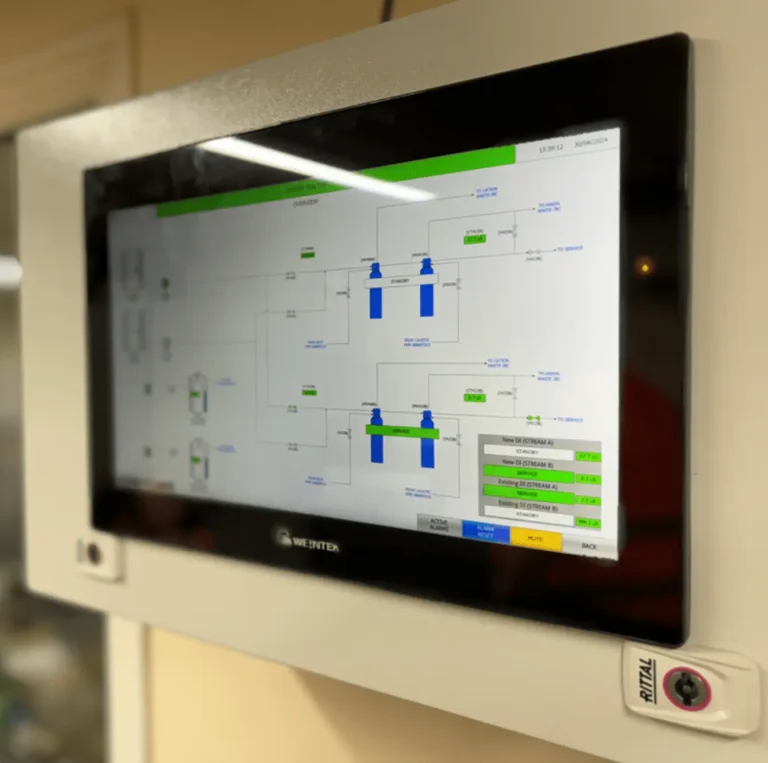
Aerospace manufacturers may need to demonstrate that wastewater is being controlled consistently. This can involve monitoring pH, flow, conductivity, tank levels, chemical dosing, alarms, discharge data and maintenance activity.

Good monitoring can help identify changes before they become consent breaches. It can also support root cause analysis if discharge results move outside the expected range.

Automation can reduce operator burden, but it should be designed around the site’s risk. A high-volume or compliance-critical process may need more monitoring and alarm integration than a small batch operation.

For aerospace and defence sites, documentation is especially important. Environmental teams, quality teams and operational managers all need confidence that wastewater treatment is controlled, recorded and maintainable.

Designing around production continuity

Effluent treatment should protect production, not constrain it.

When specifying or upgrading a system, manufacturers should consider:

  • Peak wastewater flow
  • Batch discharge patterns
  • Production growth
  • Process changeovers
  • Space constraints
  • Chemical storage
  • Sludge handling
  • Operator access
  • Maintenance access
  • Alarm response
  • Redundancy requirements
  • Future chemistry changes

A treatment plant that is too small or too manual can quickly become a source of risk. Equally, an overcomplicated system can increase cost and operator workload without delivering better compliance.

AllWater’s surface treatment water systems are designed around the needs of plating, anodising and coating lines, including effluent characteristics and discharge consent limits. For aerospace sites, that process-specific approach is essential.

Service support keeps the system compliant

Wastewater treatment performance can change over time. Dosing pumps drift. pH probes need calibration. Filters load. Sludge characteristics change. Process chemistry may be updated. Production volumes may increase.

A system that was compliant at commissioning still needs routine attention to remain compliant.

Planned support may include:

  • pH probe checks and calibration
  • Dosing system inspections
  • Chemical usage review
  • Pump and valve checks
  • Sludge handling review
  • Filter replacement
  • Effluent testing support
  • Alarm checks
  • Process optimisation
  • Operator guidance

Planned service agreements can help aerospace manufacturers keep wastewater systems stable, documented and maintained. Where performance issues are harder to diagnose, technical support for water systems can help identify the root cause and recommend practical changes.

What to review before changing a surface treatment line

Before adding or changing an aerospace surface treatment process, manufacturers should review the wastewater impact as early as possible.

Useful questions include:

  • What new contaminants will enter the wastewater system?
  • Will pH, metal concentration or conductivity change?
  • Will rinse water volume increase?
  • Will the existing plant have enough capacity?
  • Will discharge limits still be achievable?
  • Is treatability testing needed?
  • Will sludge volume or classification change?
  • Is additional monitoring required?
  • Can the system cope with peak production?
  • Will operators need new procedures or training?
  • Is the discharge route still suitable?
  • Will regulators or the water authority need to be consulted?

These questions help avoid costly late-stage changes. They also support better project planning because the wastewater treatment requirement is understood before production starts.

A compliance-led approach to aerospace wastewater

Managing wastewater and discharge compliance in aerospace surface treatment requires process knowledge, practical engineering and a clear understanding of site-specific limits.

The wastewater plant must reflect the process line. The treatment chemistry must match the contaminants. Monitoring must provide confidence. Service support must keep the system stable after commissioning.

For aerospace and defence manufacturers, this is not just an environmental requirement. It is part of maintaining production continuity, protecting customer confidence and reducing compliance risk.

AllWater Technologies supports aerospace and defence water treatment with wastewater systems, high-purity water, rinse water control, installation, commissioning and ongoing service support.

Speak to AllWater about aerospace wastewater treatment and effluent compliance requirements.

Aerospace wastewater treatment is the treatment of wastewater produced by aerospace manufacturing, surface treatment, cleaning, anodising, plating, passivation and related processes. It helps sites meet discharge consent limits and manage contaminants such as metals, acids, alkalis and suspended solids.

Effluent compliance helps protect the environment, maintain regulatory or water authority approval, and reduce the risk of production disruption. Surface treatment wastewater can contain contaminants that must be controlled before discharge.

Contaminants may include acids, alkalis, aluminium, nickel, chromium, copper, zinc, suspended solids, sulphates, phosphates, oils, surfactants and spent process chemistry. The exact profile depends on the process line.

Treatability testing shows how the wastewater responds to treatment before a full system is designed. It can help confirm pH setpoints, chemical requirements, metals removal performance, sludge generation and likely compliance with discharge limits.

Sometimes, but it should not be assumed. A new line may change flow rate, contaminant load, pH, conductivity, sludge production or discharge risk. The existing system should be reviewed before the process is changed.

AllWater can assess wastewater characteristics, design and install treatment systems, support discharge compliance, provide monitoring options and maintain systems through planned service agreements.

Get in Touch with AllWater Technologies

We’re here to help with all your water treatment needs. Whether you have questions about our services, want to discuss a project, or need support, our team is ready to assist you. Fill out the form for general enquiries, or you are welcome to email direct or give us a call.

AllWater House

Unit 2,

Cheddar Business Park,

Wedmore Road,

Cheddar

BS27 3EB

Opening hours

Mon-Fri: 08:30-17:30 (GMT)

    How water recovery can support data centre sustainability targets

    For data centre decision-makers, water recovery is no longer just an environmental talking point. It is becoming part of the wider conversation around planning risk, operational resilience, ESG reporting, local water availability and long-term cost control.

    As data centres grow in size and density, water use is under greater scrutiny from investors, planners, customers and local communities. Facilities that rely on cooling towers, hybrid coolers or other water-assisted cooling systems need to show that water is being used responsibly, not simply consumed and discharged without review.

    Water recovery can help, but only when it is applied in the right place.

    The strongest opportunities usually sit around cooling system make-up water, cooling tower blowdown treatment and, in selected cases, rainwater or recovered water reuse. These are the areas where water efficiency can be improved in a measurable way, provided the treatment system protects uptime and does not introduce unnecessary operational complexity.

    For engineering teams, the priority is reliability. For sustainability teams, it is measurable reduction. For finance teams, it is cost and risk. For developers and consultants, it is creating a credible water strategy that stands up to scrutiny.

    AllWater Technologies supports that decision-making process by helping data centre teams understand where water recovery may be practical, where a simpler treatment step may deliver better value, and how water efficiency can be improved without putting cooling performance at risk.

    Why water recovery is now a board-level sustainability issue

    Data centre sustainability has often focused on power, but water is increasingly part of the same strategic discussion. WUE, abstraction, discharge, planning conditions, local supply pressure and corporate ESG commitments can all influence how a site is designed, operated and reported.

    The Water Usage Effectiveness metric from The Green Grid gives data centre operators a recognised way to assess water use in relation to IT energy consumption. It is useful, but it becomes more valuable when it is supported by practical water management decisions on site.

    For sites using evaporative or hybrid cooling, water demand may rise during the same periods when local water resources are under most pressure. That makes water strategy a practical issue, not just a reporting metric.

    Water recovery can support sustainability targets by reducing reliance on incoming mains water and lowering wastewater discharge. It can also strengthen the evidence behind WUE improvement, provided the savings are measured across the whole system.

    The key is to avoid treating recovery as a bolt-on solution. A recovery system only makes sense if the water balance works, the recovered water is suitable for reuse, and the system can be maintained without compromising cooling continuity.

    Start with the water balance

    Before discussing recovery equipment, a data centre needs a clear understanding of where water is used and where it leaves the site.

    This means looking at:

    • Incoming mains water or alternative supply
    • Cooling tower or hybrid cooler make-up demand
    • Cooling tower blowdown volume
    • Humidification demand
    • Seasonal variation in cooling load
    • Discharge route and consent requirements
    • Water quality needed at each point of use
    • Potential recoverable streams
    • Treatment and storage requirements

    Without this information, water recovery can become theoretical. A site may invest in a complex system that saves less water than expected, or overlook a simpler improvement such as better make-up water treatment.

    For many data centres, the first practical step is not full recovery. It may be improving the quality of water entering the cooling system using water softening or reverse osmosis. This can reduce scale risk, support higher cycles of concentration and lower avoidable blowdown before more advanced recovery is considered.

    Cooling tower blowdown: the most obvious recovery stream

    Cooling towers lose water through evaporation. As water evaporates, dissolved minerals remain in the circulating water and become more concentrated. To control that concentration, some water is discharged as blowdown and replaced with fresh make-up water.

    That blowdown stream is one of the clearest water recovery opportunities in data centres because it already exists as a regular discharge.

    Instead of sending all blowdown to drain, some sites may be able to treat and reuse a proportion of it, often as cooling make-up water. This can reduce mains water demand and lower wastewater discharge volumes.

    However, cooling tower blowdown treatment is technically sensitive. Blowdown is more concentrated than incoming water. It may contain dissolved salts, treatment chemicals, suspended solids and other contaminants. Recovering it may require filtration, membrane treatment, RO, chemical control and careful reject management.

    This is why blowdown recovery should be assessed carefully. It can support sustainability targets, but only where the water quality, flow volume, site layout and commercial case justify the additional complexity.

    When blowdown recovery may make sense

    Cooling tower blowdown recovery is most likely to be worth exploring when a site has:

    • High cooling water demand
    • Significant blowdown volume
    • Rising water or wastewater costs
    • Pressure to improve WUE
    • Discharge capacity constraints
    • Suitable space for treatment equipment
    • A strong sustainability or planning requirement
    • Operational appetite for a more complex recovery system

    It is less likely to be the first answer for smaller sites, low-volume systems or projects where the cooling specification can be met through better make-up water treatment alone.

    For many data centres, water recovery should be a staged conversation. First, understand water use. Then optimise make-up water. Then assess whether blowdown recovery is technically and commercially viable.

    How RO supports recovery and water efficiency

    RO has two main roles in data centre water efficiency.

    First, it can treat make-up water before it enters the cooling system. By reducing dissolved solids, RO may allow the cooling system to operate at higher cycles of concentration where the chemistry supports it. This can reduce blowdown and help improve water efficiency.

    Second, RO can form part of a recovery system, helping treat suitable wastewater streams for reuse. This may include cooling tower blowdown or other recoverable streams, depending on the site.

    In both cases, RO must be designed around real feedwater data. Recovery rate, membrane selection, pre-treatment, reject management and monitoring all affect long-term performance.

    AllWater’s data centre water treatment support includes high-recovery RO systems, membrane waste recovery, monitoring and practical assessment of water quality. Recovery performance should always be based on feedwater analysis and operational modelling, not theoretical assumptions.

    Rainwater harvesting: useful, but seasonal

    Rainwater harvesting is often raised in data centre sustainability discussions. It can reduce reliance on mains water, but it does not always align neatly with cooling demand.

    In the UK, the highest cooling water demand often occurs during warmer, drier periods. That means rainwater may be most available when cooling demand is lower, and least available when demand peaks.

    Storage can help, but large storage volumes require space and capital investment. Rainwater quality also varies, so treatment may still be needed before it can be used reliably in cooling systems.

    Rainwater harvesting can form part of a wider sustainability strategy, but it should not be assumed to solve peak water demand on its own.

    Water recovery must protect uptime

    Sustainability targets are important, but uptime remains the priority in data centres. A recovery system that saves water but introduces supply risk, unstable water quality or additional maintenance burden will not be acceptable.

    For this reason, water recovery systems need to be designed with resilience in mind. Depending on the application, this may include:

    • Treated water storage
    • Duty/standby equipment
    • Monitoring and alarms
    • Bypass arrangements
    • Clear isolation points
    • Membrane protection
    • Conductivity monitoring
    • Planned maintenance access
    • Service support

    Recovered water must be reliable enough for the system it serves. If it is being returned as cooling make-up water, the quality must be consistent and compatible with the cooling equipment and the wider treatment programme.

    What AllWater assesses before recommending recovery

    A water recovery recommendation should be evidence-led. Before recommending a reuse or recovery system, AllWater reviews:

    • Cooling system type
    • Water consumption profile
    • Blowdown volume
    • Incoming water chemistry
    • Blowdown chemistry
    • Conductivity and dissolved solids
    • Hardness, alkalinity and silica
    • Discharge limits
    • Space and access
    • Storage requirements
    • Recovery target
    • Reject management
    • Monitoring needs
    • Maintenance expectations
    • Return on investment

    This helps identify whether the opportunity is a simple make-up water improvement, a full blowdown recovery project or something that is not currently worth pursuing.

    It also helps decision-makers avoid two common mistakes: overcomplicating a site that only needs better make-up water treatment, or underestimating the value of recovery where the volumes and costs justify it.

    Supporting ABM conversations with better water evidence

    For account-based marketing, water recovery is a strong topic because it speaks to several stakeholder groups.

    Facilities and engineering teams care about uptime, water quality and maintainability. Sustainability teams care about WUE, reporting and resource use. Finance teams care about lifecycle cost and risk. Developers and consultants care about planning, specifications and environmental expectations.

    A good water recovery discussion brings those groups together around measurable questions:

    • How much water does the site use today?
    • Where is water being discharged?
    • Could make-up water be improved first?
    • Is blowdown recovery practical?
    • What would the return be?
    • How would the system be monitored?
    • How would it support sustainability reporting?
    • What level of operational risk is acceptable?

    That is where AllWater can add value. The conversation moves from a generic sustainability claim to a practical assessment of water use, recovery potential and operating risk.

    Turning recovery potential into a practical plan

    Water recovery can support data centre sustainability targets, but only when it is grounded in the real conditions of the site.

    Cooling tower blowdown treatment may offer meaningful savings where volumes are high and the water balance supports reuse. RO can improve make-up water quality and form part of a recovery strategy. Rainwater harvesting may contribute in some cases, but seasonal mismatch and storage requirements need careful review.

    The best approach is staged and evidence-led. Understand the water balance. Improve make-up water where appropriate. Review discharge and blowdown. Model recovery realistically. Then specify a system that protects cooling reliability as well as sustainability performance.

    AllWater Technologies can help data centre operators, developers and project teams assess water recovery opportunities and specify systems that match the site’s actual requirements. Long-term performance can also be supported through planned service agreements, helping systems remain stable, monitored and properly maintained after installation.

    Speak to AllWater about data centre water recovery

    If you are reviewing water recovery, cooling tower blowdown treatment or wider data centre water efficiency, AllWater can help assess the practical opportunity before a system is specified.

    Speak to AllWater about data centre water recovery requirements and find out whether make-up water treatment, RO, blowdown recovery or a staged water efficiency plan is the right fit for your site.

    Water recovery in data centres means treating and reusing suitable water streams rather than sending them straight to drain. This may include cooling tower blowdown, recovered process water or harvested rainwater where the quality and demand profile make reuse practical.

    Cooling tower blowdown treatment involves treating the concentrated water discharged from a cooling tower so it can potentially be reused. Treatment may include filtration, membrane technology, RO and chemical control.

    Yes, in some cases. Blowdown reuse can reduce mains water demand and wastewater discharge, but it requires careful assessment because blowdown is concentrated and can be more difficult to treat than incoming make-up water.

    Water recovery can reduce freshwater demand, lower discharge volumes, support WUE improvement and provide stronger evidence for sustainability reporting. The benefit depends on the site’s water balance and system design.

    Rainwater harvesting can support water reduction goals, but it may not match peak cooling demand. In the UK, cooling demand is often highest during warmer, drier periods, so storage and treatment requirements need careful assessment.

    It can if it is poorly designed. Recovered water must be consistent, monitored and suitable for the system it serves. Any recovery system should be designed around resilience, maintenance access and cooling reliability.

    AllWater can assess water use, review blowdown and discharge streams, specify RO or recovery systems, provide monitoring options and support long-term performance through service agreements.

    Get in Touch with AllWater Technologies

    We’re here to help with all your water treatment needs. Whether you have questions about our services, want to discuss a project, or need support, our team is ready to assist you. Fill out the form for general enquiries, or you are welcome to email direct or give us a call.

    AllWater House

    Unit 2,

    Cheddar Business Park,

    Wedmore Road,

    Cheddar

    BS27 3EB

    Opening hours

    Mon-Fri: 08:30-17:30 (GMT)
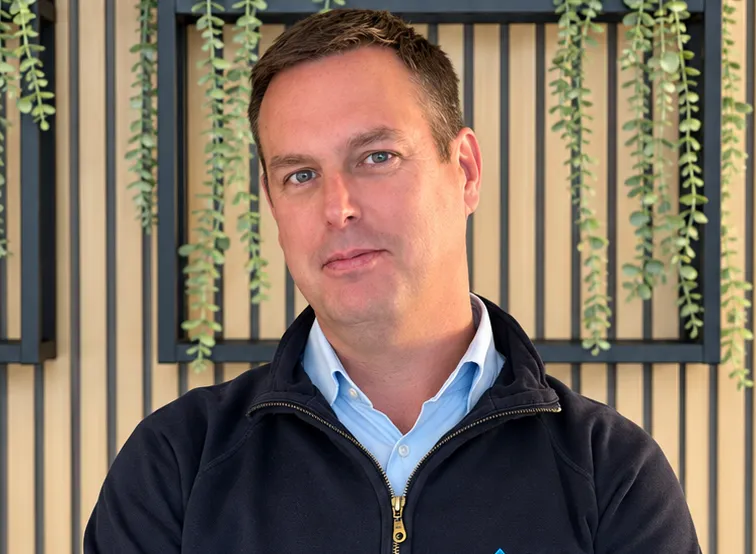

      AllWater announces new Joint Managing Director

      Projects Director, Stuart Howe, steps up to become joint Managing Director

      As part of a planned leadership transition, we are pleased to announce that Stuart Howe, our Projects Director, is stepping up to become Joint Managing Director alongside Derek Spriggs.

      Over the past couple of years, we have been steadily strengthening the structure of the business and developing our senior management team. This appointment is the next step in that process, helping to ensure that AllWater remains strong, resilient and well positioned for long-term success.

      As Projects Director, Stuart has played an important role in the business, bringing a deep understanding of our projects, our clients and our team. In this new role, he will build on that experience, sharing responsibility for leading the company into its next chapter.

      Speaking about his appointment, Stuart said:

      “I am delighted and truly honoured to announce my appointment as Joint Managing Director. I am grateful for the trust, confidence, and opportunity that have been placed in me. It’s a real privilege to take on this role and continue contributing to the growth and success of the business.

      I’m incredibly proud of what we’ve achieved at All Water Technologies and grateful to the team, our customers and partners who have been part of that journey.

      As I step into this new position, I’m looking forward to working closely with the wider leadership team to build on our strong foundations, embrace new opportunities and continue delivering the high standards of service, expertise and innovation our customers have come to expect. Thank you to everyone who has supported me along the way.”

      Our approach is also about creating opportunities for others. By developing our leadership team and strengthening the support around them, we are giving more people across the business the opportunity to take on responsibility, develop their skills and progress their careers.

      This is a planned and positive step for AllWater building on the foundations we have established and looking ahead with confidence.

      Please join us in congratulating Stuart on his recent appointment!

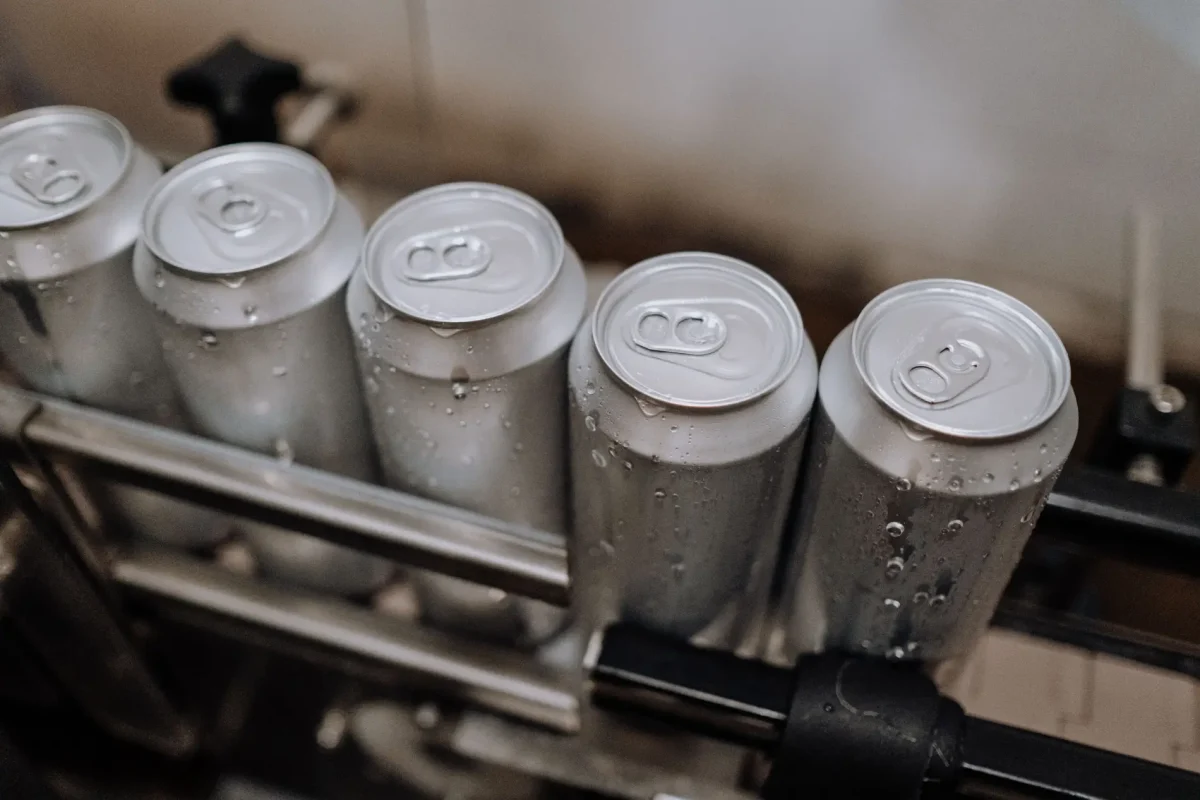
      Low-Conductivity Rinse Water For Beverage Can Production

      Why low-conductivity rinse water matters in beverage can production

      In beverage can production, the final rinse is a small stage with a major influence on quality. By the time cans reach this point, oils, lubricants, aluminium fines and process residues should already have been removed by the earlier washer stages. The final rinse then has one main job: leave the can surface clean enough for drying, coating, decoration or filling.

      This is where low-conductivity rinse water becomes important.

      Conductivity measures the amount of dissolved ionic material in water. The higher the conductivity, the more dissolved salts and minerals are present. In a final rinse, those dissolved solids can remain on the can surface as the water evaporates. This can lead to spotting, staining, haze or inconsistent surface finish.

      For high-speed beverage can lines, those small surface issues can quickly become large production problems. Low-conductivity water helps reduce the risk by limiting the mineral residue left behind after rinsing and drying.

      Why the final rinse carries so much responsibility

      A can washer usually has several stages, including pre-rinse, wash, chemical treatment, intermediate rinses and a final rinse. Earlier stages remove heavy contamination. Later stages remove the remaining chemistry and prepare the surface for the next process.

      The final rinse is important because it is often the last water contact before the dry-off oven. If that water contains too many dissolved solids, the dryer may remove the water but leave the minerals behind.

      That residue can affect:

      • Visual appearance
      • Surface brightness
      • Spot-free drying
      • Coating preparation
      • Ink or decoration consistency
      • Internal spray performance
      • Reject rates

      This is why final rinse water is often treated to a higher standard than water used earlier in the washer.

      What low conductivity means in practice

      Low-conductivity water has a reduced level of dissolved ions. In can production, it is usually produced by reverse osmosis, deionisation or a combination of both.

      RO removes a high proportion of dissolved salts and minerals using membrane separation. Deionisation, also known as demineralisation, can be used where a further reduction in conductivity is needed.

      The exact conductivity target depends on the line, product specification and process requirements. The important point is consistency. A rinse water system must produce water within the required range throughout production, including peak demand and after maintenance.

      AllWater’s Al Jomaih Cans & Ends Making Plants case study is a clear example. The project required high-purity water for process solution make-up and rinsing, with conductivity below 10 µS. AllWater supplied a fully automated twin-pass RO system designed to protect water quality and production uptime.

      How poor rinse water creates defects

      Poor rinse water quality does not always cause an obvious issue immediately. A can may leave the washer looking acceptable, but dissolved minerals, chemical carryover or fine residues can still affect later stages.

      Common rinse-related issues include:

      • Water spots after drying
      • Staining or surface haze
      • Uneven appearance
      • Poor coating preparation
      • Increased rejects
      • Higher customer quality risk
      • More frequent troubleshooting

      These problems can be frustrating because they may appear downstream from the washer. Production teams may investigate coating, dryer or decoration settings before tracing the issue back to rinse water conductivity.

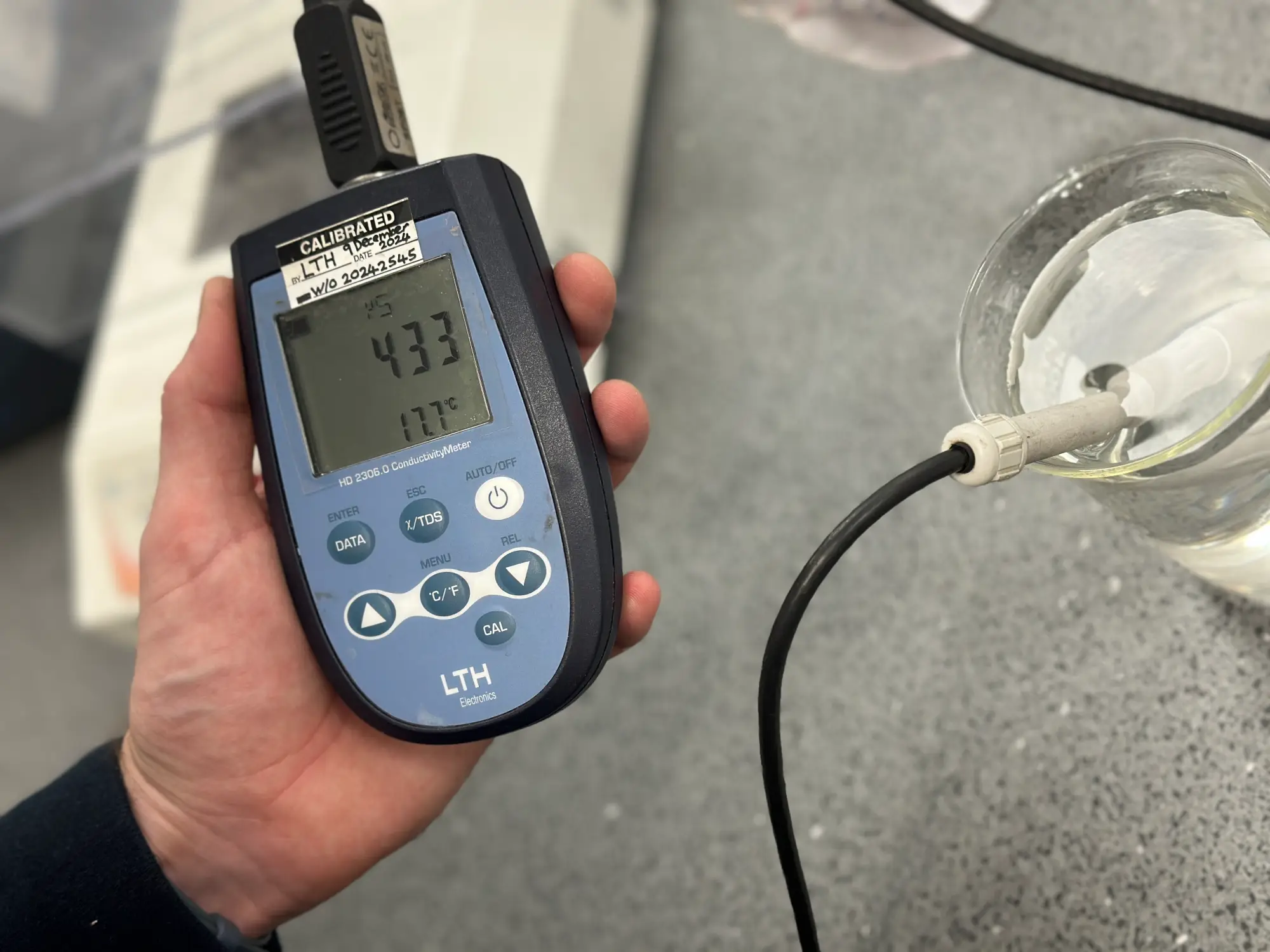
      That is why monitoring matters. Conductivity gives operators a simple, useful signal that rinse water quality is changing before the issue becomes visible at scale.

      Why conductivity monitoring is useful on a can line

      Conductivity monitoring helps production teams understand whether rinse water quality is within the expected range.

      A rising conductivity reading may suggest:

      • RO membrane performance has changed
      • DI resin is becoming exhausted
      • Chemical carryover has increased
      • Rinse overflow is insufficient
      • Storage water has become contaminated
      • Feedwater quality has changed
      • A valve, pump or control issue is affecting the system

      On a high-speed beverage can line, early warning is valuable. If final rinse water drifts out of range, a large number of cans can be affected quickly.

      Conductivity data also helps with process control. It gives operators and maintenance teams a measurable value to review, rather than relying only on visual checks after defects appear.

      RO and DI water: choosing the right level of treatment

      Not every stage of a can washer needs low-conductivity water. Earlier stages may only need filtration, softening or controlled make-up water. The final rinse usually has the highest quality requirement because it directly affects the surface left after drying.

      For many lines, RO water may be sufficient. Where very low conductivity is required, RO may be followed by DI polishing.

      The decision should be based on:

      • Final rinse conductivity target
      • Incoming water quality
      • Washer design
      • Peak rinse demand
      • Product specification
      • Surface finish requirements
      • Coating or decoration sensitivity
      • Maintenance expectations
      • Water and wastewater costs

      The aim is not to over-treat every water stream. It is to use the correct water quality at the point where it has the most impact.

      Low-conductivity water and coating readiness

      The surface left after washing must be ready for the next production stage. If final rinse water leaves mineral residue, chemical traces or dissolved salts, coatings and inks may not behave consistently.

      This can affect adhesion, appearance or downstream quality checks. Even where the defect is small, the speed of beverage can production means it can create significant waste if it is not caught quickly.

      Low-conductivity rinse water helps reduce this risk by giving the can a cleaner final water contact before drying. It supports repeatability, which is essential where production runs are fast and quality requirements are tight.

      Water use, backflow and washer efficiency

      Many can washers are designed to use water efficiently across multiple stages. Fresh RO or DI water may enter at the cleanest final rinse stage, then flow back through earlier stages where the cans are more contaminated.

      This backflow approach helps make better use of high-quality water rather than sending it straight to drain after a single use.

      However, it also means rinse design, conductivity control and water balance need to work together. If conductivity rises too far, water quality may no longer support the final rinse requirement. If too much fresh water is used, running costs and wastewater volumes increase.

      The best system balances rinse quality, water use and production reliability.

      AllWater experience in low-conductivity can production water

      AllWater Technologies has direct experience supporting can manufacturing and beverage production sites with low-conductivity water systems.

      At Al Jomaih Cans & Ends Making Plants, AllWater supplied a twin-pass RO system to deliver high-purity water for process solution make-up and rinsing below 10 µS conductivity.

      AllWater also provided a complete turnkey water treatment system for Kingsley Beverages, where the production requirement was water below 10 µS/cm alongside wastewater treatment to meet local discharge consent limits.

      These projects show why beverage can production often needs an integrated approach. The site may require RO, DI polishing, filtration, storage, monitoring, automation, wastewater treatment and service support working together.

      Keeping rinse water stable over time

      A low-conductivity rinse water system must remain stable after installation. RO membranes can foul. Filters can load. DI resin can exhaust. Conductivity probes need checking. Feedwater quality can change.

      Planned service agreements help maintain performance through routine checks, consumable replacement, testing, optimisation and reporting.

      Where a production issue needs investigation, technical support for water systems can help identify whether the cause sits with feedwater, RO performance, DI exhaustion, rinse design, storage contamination or wider washer operation.

      Specifying rinse water treatment for beverage can lines

      Before specifying a rinse water treatment system, manufacturers should confirm:

      • Required final rinse conductivity
      • Peak and average rinse demand
      • Incoming water quality
      • Whether RO alone is sufficient
      • Whether DI polishing is needed
      • Storage and distribution requirements
      • Conductivity monitoring points
      • Integration with washer controls
      • Wastewater and discharge implications
      • Service access and consumables planning

      Low-conductivity rinse water matters because it controls one of the last variables before drying. In beverage can production, that can make the difference between a surface that simply looks washed and a surface that is ready for coating, decoration and customer approval.

      Speak to AllWater about rinse water treatment for beverage can production.

      Low-conductivity rinse water is water with a reduced level of dissolved ionic material. It is often produced using reverse osmosis, deionisation or both.

      It helps reduce mineral residue, spotting, staining and surface inconsistency after the final rinse and drying stage.

      RO water may be enough for some lines. Others may need DI polishing to reach a lower conductivity target.

      Conductivity shows how much dissolved ionic material is present. A rising reading can indicate that rinse water quality is drifting.

      Yes. AllWater supplies RO, demineralisation, filtration, monitoring, wastewater treatment and service support for can manufacturing and beverage production sites.

      Get in Touch with AllWater Technologies

      We’re here to help with all your water treatment needs. Whether you have questions about our services, want to discuss a project, or need support, our team is ready to assist you. Fill out the form for general enquiries, or you are welcome to email direct or give us a call.

      AllWater House

      Unit 2,

      Cheddar Business Park,

      Wedmore Road,

      Cheddar

      BS27 3EB

      Opening hours

      Mon-Fri: 08:30-17:30 (GMT)

        TSA Anodising Water Treatment

        Water treatment considerations for TSA anodising lines

        Tartaric sulphuric acid anodising, often shortened to TSA anodising, is used in aerospace surface treatment as an alternative to chromic acid anodising for aluminium components. It supports corrosion protection and paint pre-treatment, but it also places specific demands on water quality, rinse design and wastewater treatment.

        For manufacturers adding, upgrading or relocating a TSA anodising line, water treatment should be considered at the earliest stage. It affects process solution make-up, anodising rinse water quality, wastewater compliance, automation, operator workload and long-term line stability.

        This is not simply a case of adding a standard reverse osmosis system or a basic effluent plant. TSA chemistry needs to be understood as part of the full process line. The interaction between tartaric acid, sulphuric acid, aluminium and downstream rinse streams can affect how water is produced, used and treated.

        AllWater Technologies has direct experience in this area. In the Aero Fabrications TSA anodising case study, AllWater designed and installed a comprehensive water treatment solution for a new TSA process line, including a reverse osmosis plant to meet Airbus Spec A water requirements and an advanced treatment plant for TSA line waste.

        Start with the process, not the plant room

        The most important question is not “what water treatment equipment is needed?” It is “what does each part of the TSA line need the water to do?”

        A TSA anodising line may need treated water for:

        • Process solution make-up
        • Pre-treatment rinses
        • Post-anodising rinses
        • Final rinsing
        • Sealing or post-treatment stages
        • Equipment washdown
        • Wastewater treatment and pH correction
        • Possible rinse water recovery

        Each stage can have a different water quality requirement. Some rinses may only need controlled incoming water. Other stages may require high-purity water with low conductivity and low dissolved solids.

        This is why the water treatment design should be built around the line layout, process specification, component flow, rinse arrangement and discharge consent requirements.

        Why TSA anodising water treatment needs careful control

        TSA anodising is used because aerospace manufacturers need controlled surface treatments for aluminium parts. EN 4704 covers tartaric sulphuric acid anodising of aluminium and aluminium wrought alloys for corrosion protection and paint pre-treatment, which gives the process a clear aerospace quality context.

        Water quality matters because it can affect consistency at several points in the line. Poorly controlled water can contribute to mineral deposits, unwanted carryover, inconsistent rinsing, increased conductivity, residue on components and additional load on effluent treatment.

        In aerospace manufacturing, these issues can create wider concerns. The finished part may need to meet customer specifications, surface quality expectations, paint adhesion requirements and audit evidence. Water quality is not the only factor, but it is one of the variables that should be controlled and documented.

        RO for process make-up and anodising rinse water

        Reverse osmosis is often central to TSA anodising water treatment because it reduces dissolved salts and minerals from incoming water. This can help produce more consistent water for process make-up and rinsing.

        A correctly specified reverse osmosis system may support:

        • Low-conductivity process water
        • More consistent anodising rinse water
        • Reduced mineral carryover
        • Better control of final rinse quality
        • Lower load on downstream polishing, where used
        • More predictable process chemistry

        For aerospace applications, the required water quality should be set by the applicable process specification, customer requirement or equipment design. In the Aero Fabrications project, AllWater carried out tap water analysis and RO membrane projections to design an RO plant capable of producing water that met Airbus Spec A standards.

        That step matters. RO design should not be based on assumed mains water quality. It should be based on real feedwater analysis, projected performance and the required output quality.

        When demineralisation may be required

        RO can remove a high proportion of dissolved solids, but some processes may need further polishing. This is where demineralisation or deionisation may be considered.

        For TSA lines, demineralised or deionised water may be relevant where very low conductivity is required for final rinsing, sensitive rinse stages or process make-up.

        The correct approach depends on the specification. Some lines may use RO alone. Others may need RO followed by mixed-bed deionisation or another polishing stage. The decision should be based on the required conductivity, flow rate, rinse design, quality risk and operating cost.

        The aim is not to over-treat every water stream. It is to supply the right water quality at the right point in the line.

        Rinse design is as important as water purity

        Anodising rinse water quality depends on more than the water treatment plant. Rinse tank design, flow rate, drag-out, agitation, component geometry and cascade arrangement can all affect final results.

        A high-purity water supply will not solve a poorly designed rinse sequence. Equally, a good rinse arrangement can be undermined by inconsistent incoming water.

        For TSA anodising lines, the following should be reviewed early:

        • Number of rinse stages
        • Static or flowing rinse design
        • Counterflow or cascade rinsing
        • Component drag-out volume
        • Conductivity monitoring
        • Water usage rates
        • Potential for rinse water reuse
        • Compatibility with downstream wastewater treatment

        Rinse water should be managed as part of the whole line, not as a separate utility. This is especially important where the site wants to control water consumption without compromising quality.

        Wastewater from TSA lines can be more complex

        TSA anodising does not only need high-quality water going into the line. It also produces wastewater that can be challenging to treat.

        Wastewater may include acidity, aluminium, sulphates, tartaric acid, rinse water, spent chemistry and other contaminants depending on the full process sequence. The tartaric acid component can make treatment more complex because of the way it interacts with metals and other contaminants.

        This is why a standard effluent plant may not be enough.

        A TSA wastewater treatment strategy may need to consider:

        • pH correction
        • Aluminium removal
        • Sulphate load
        • Complexed contaminants
        • Sludge production
        • Flow balancing
        • Batch or continuous treatment
        • Automation
        • Discharge consent limits
        • Treatability testing before final design

        In the Aero Fabrications project, AllWater conducted laboratory testing using TSA samples to optimise the waste treatment process. This allowed the system to be designed around the real chemistry of the line rather than relying on theoretical assumptions.

        Why laboratory testing matters

        Laboratory testing is one of the most important steps in TSA anodising water treatment design.

        It helps confirm how the waste stream behaves, what treatment chemistry is needed, how quickly contaminants respond, how much sludge may be generated and whether the treated effluent can meet discharge requirements.

        For a new TSA line, this is especially valuable because the waste chemistry may differ from existing chromic, sulphuric or general anodising processes.

        Testing can help answer questions such as:

        • What pH range gives the best removal?
        • Does tartaric acid affect metal precipitation?
        • Is additional chemical treatment needed?
        • How much sludge will be produced?
        • Can the process be automated reliably?
        • Will the system meet local water authority limits?

        This reduces risk before the system is built. It also gives the manufacturer stronger evidence for design decisions, commissioning and future operation.

        Automation and monitoring reduce operator burden

        TSA lines often need stable water quality and reliable wastewater control. Automation can help reduce manual adjustment, improve consistency and support compliance.

        Useful monitoring and control points may include:

        • RO permeate conductivity
        • Feedwater pressure
        • RO reject and permeate flow
        • Tank levels
        • pH
        • Dosing status
        • Effluent flow
        • Alarm outputs
        • Final discharge checks

        For aerospace manufacturers, automation is not only about convenience. It supports repeatability, traceability and faster response when conditions change.

        A robust system should make it easier for operators to see whether water quality is within range, whether treatment chemistry is working and whether the plant is approaching an alarm condition.

        Designing the system around aerospace production

        A TSA anodising line is often part of a wider aerospace production environment. Water treatment needs to support that environment without becoming a bottleneck.

        Important design considerations include:

        • Peak rinse water demand
        • Batch frequency
        • Component size and drag-out
        • Required treated water storage
        • RO production rate
        • Effluent flow pattern
        • Redundancy requirements
        • Space in the plant room
        • Chemical storage
        • Sludge handling
        • Operator access
        • Service access
        • Future expansion plans

        For larger or production-critical lines, installation and commissioning should include careful system testing, operator training and documentation. The goal is not only to install equipment, but to prove that the system can support the TSA line under real operating conditions.

        Service support after commissioning

        Water treatment performance must be maintained after installation. RO membranes can foul. Filters can load. Dosing systems can drift. pH probes need checking. Pumps, valves and instruments need routine attention.

        For TSA anodising lines, planned support may include:

        • RO performance checks
        • Conductivity monitoring
        • Filter replacement
        • Dosing system checks
        • pH probe calibration
        • Effluent treatment review
        • Sludge handling review
        • Consumables planning
        • System optimisation
        • Compliance record support

        Planned service agreements can help keep the system stable and reduce the risk of unplanned disruption. Where process issues are harder to diagnose, technical support for water systems can help identify root causes and recommend corrective action.

        AllWater experience with TSA anodising water treatment

        AllWater Technologies works with aerospace, defence and surface treatment clients where water quality, wastewater compliance and process reliability are critical.

        The Aero Fabrications project is directly relevant to TSA anodising. AllWater supplied a tailored water treatment system for a new Tartaric Sulphuric Anodising line, including an RO plant for Airbus Spec A water and an advanced wastewater treatment plant designed around TSA chemistry.

        AllWater’s wider aerospace and defence water treatment and surface treatment water systems experience includes high-purity water, demineralisation, rinse water control, effluent treatment, installation, commissioning and ongoing service support.

        For manufacturers planning a TSA line, this combination matters. The incoming water, rinse stages and wastewater plant need to work together. If they are specified separately, the system may meet one requirement while creating problems elsewhere.

        Practical questions before specifying a TSA line water system

        Before specifying TSA anodising water treatment, manufacturers should ask:

        • What water quality does the process specification require?
        • Is RO sufficient, or is demineralisation needed?
        • What quality is required for each rinse stage?
        • What is the peak rinse water demand?
        • What drag-out volume is expected?
        • Can any rinse water be reused safely?
        • What contaminants will be present in the wastewater?
        • Has TSA waste treatability been tested?
        • What discharge limits apply?
        • How much automation is required?
        • What monitoring records will be needed?
        • How will the system be serviced?

        These questions help turn a broad water treatment requirement into a practical system specification.

        Getting TSA water treatment right from the start

        TSA anodising lines need water treatment that is designed around the process, not bolted on after the line has been specified.

        The incoming water must be suitable for process make-up and rinsing. The rinse design must control carryover and conductivity. The wastewater plant must be able to deal with TSA chemistry. Monitoring, automation and service support must keep the system stable after commissioning.

        For aerospace and defence manufacturers, the strongest approach is to assess the full line early, including feedwater quality, rinse requirements, wastewater characteristics and compliance obligations.

        AllWater Technologies can help specify, install and support TSA anodising water treatment systems that meet site-specific requirements, from RO and demineralisation through to effluent treatment, automation and service support.

        Speak to AllWater about TSA anodising water treatment requirements.

        TSA anodising water treatment covers the production, control and treatment of water used in tartaric sulphuric acid anodising lines. It can include RO, demineralisation, anodising rinse water control, wastewater treatment, monitoring and servicing.

        High-purity water helps reduce dissolved solids, mineral carryover and residue on aerospace components. It may be required for process solution make-up, final rinsing or other critical rinse stages depending on the specification.

        RO may be enough for some applications, but others may need additional demineralisation or deionisation. The answer depends on the required conductivity, process specification, customer requirement and rinse design.

        TSA wastewater can be difficult because it may contain tartaric acid, sulphuric acid, aluminium and complexed contaminants. Treatability testing is important before designing the final wastewater treatment system.

        Rinse water reuse may be possible, but it needs careful assessment. The decision depends on rinse quality, contamination level, conductivity targets, wastewater treatment design and the risk of returning contaminants to the line.

        Early planning helps ensure the RO, rinse design, wastewater treatment, automation and service access are designed around the actual TSA process. This reduces the risk of quality issues, compliance problems and retrofit costs later.

        Get in Touch with AllWater Technologies

        We’re here to help with all your water treatment needs. Whether you have questions about our services, want to discuss a project, or need support, our team is ready to assist you. Fill out the form for general enquiries, or you are welcome to email direct or give us a call.

        AllWater House

        Unit 2,

        Cheddar Business Park,

        Wedmore Road,

        Cheddar

        BS27 3EB

        Opening hours

        Mon-Fri: 08:30-17:30 (GMT)

          How water quality affects can washer performance

          How water quality affects can washer performance

          In can manufacturing, the washer is a critical part of the production line. It removes oils, lubricants, aluminium fines and process residues from the cans before they move on to treatment, drying, decoration, internal coating or filling.

          When the washer performs well, cans leave the system with a clean, consistent surface that is ready for the next production stage. When it does not, the effects can quickly spread across the line. Water spots, staining, poor coating adhesion, blocked nozzles, chemical imbalance, excessive rejects and unplanned stoppages can all be linked to poor water quality.

          This is why can washer water treatment should be treated as part of production control, not just a utility requirement.

          A can washer depends on consistent water quality at several stages. Pre-rinse water, wash water, treatment stage water, intermediate rinses and final rinse water all perform different roles. If the water entering the system is inconsistent, too high in dissolved solids, too hard, contaminated with oils or poorly monitored, washer performance can become harder to control.

          For can manufacturers, that can means more defects, more intervention and less confidence in the line.

          Key points covered in this article

          This article explains how water quality affects can washer performance and why the right treatment system can help improve consistency across the production line.

          It covers:

          • Why washer performance starts with water quality
          • Where water-related problems appear on the line
          • How poor rinse quality causes spotting, staining and defects
          • Why scale and suspended solids affect spray coverage
          • The role of reverse osmosis and deionised water
          • Why conductivity is such a useful warning sign
          • How wastewater treatment links to washer performance
          • What to consider when specifying or upgrading a system

          Why washer performance starts with water quality

          A modern can washer does much more than remove visible dirt. It prepares the can surface for the next stage of production.

          In two-piece aluminium can manufacturing, cans usually pass through several washing, rinsing and treatment stages. These stages remove bodymaker lubricants, oils, aluminium fines, residual chemistry and surface contamination. The washer also helps prepare the surface for decoration, internal spray coating and external finish.

          If this stage is poorly controlled, the issue may not stay within the washer. It can affect coating performance, surface appearance, ink application, line speed, customer quality checks and final reject rates.

          The challenge is that water-related problems are not always obvious straight away. A rinse stage may look as though it is performing correctly, while conductivity, hardness, pH or suspended solids are moving outside the required range. By the time spotting, staining or coating defects become visible, a large volume of cans may already have passed through the line.

          That is why water treatment should be designed around the washer, the production rate and the final quality target.

          Where water quality problems show up on the line

          Poor water quality can affect can washer performance in several ways. Some problems appear inside the washer. Others only become visible after drying, decoration or coating.

          Common signs include:

          • Water spots after drying
          • Staining or surface haze
          • Inconsistent can brightness
          • Blocked or partially restricted nozzles
          • Uneven spray coverage
          • Scale on heating surfaces or pipework
          • Increased chemical consumption
          • More frequent manual adjustments
          • Higher wastewater load
          • Coating or ink adhesion issues
          • Increased rejects
          • Unplanned cleaning or maintenance stops

          These issues often have more than one cause. Dryer performance, washer chemistry, temperature, line speed and maintenance all matter. However, water quality is one of the key variables because it affects every stage of the washer.

          A well-designed industrial water treatment system helps control that variable so production teams can focus on the wider process.

          Water spots, staining and surface defects

          Water spots are often caused by dissolved minerals or contamination left behind when water evaporates. If final rinse water contains too many dissolved solids, those solids can remain on the can surface after drying.

          This can lead to visible spots, staining, haze or inconsistent appearance. In a high-speed can manufacturing environment, small defects can become costly very quickly.

          The final rinse is especially important because it is often the last water contact before drying and downstream processing. If this rinse is not controlled properly, residues can remain on the surface even when the washer appears to be operating normally.

          High-quality rinse water helps reduce this risk. By lowering dissolved solids and controlling conductivity, manufacturers can support a cleaner surface, more consistent drying and fewer visible water-related defects.

          Scale, blocked nozzles and uneven spray coverage

          Hard water can cause scale inside pipework, spray bars, nozzles, heat exchangers and washer components. As scale builds, it can restrict flow and affect spray pattern consistency.

          In a can washer, spray coverage is critical. If nozzles become partially blocked or spray distribution becomes uneven, some cans may not receive enough washing or rinsing contact. This can create inconsistent cleaning, poor residue removal and greater variation between cans.

          Scale can also reduce heat transfer, which may affect temperature control and energy efficiency. Over time, this can increase maintenance demands and make the washer harder to keep stable.

          A correctly specified water softener can help reduce hardness before it causes scale in the washer or downstream treatment equipment. It may also help protect reverse osmosis membranes, depending on the overall system design.

          Suspended solids, aluminium fines and washer contamination

          Can washing involves the removal of oils, lubricants, aluminium fines and process residues. If solids are not controlled effectively, they can circulate through the system and increase the load on pumps, tanks, strainers and nozzles.

          Suspended solids can also affect rinse quality. Fine particulate contamination may settle in low-flow areas, restrict spray equipment or interfere with downstream treatment stages.

          This is where filtration becomes important. Industrial water filters can help remove particulate contamination, protect equipment and support more stable water quality across the washer.

          The exact filtration approach depends on the process. A can washer may require pre-filtration, side-stream filtration, cartridge filtration, media filtration or protection upstream of reverse osmosis and deionisation systems.

          The aim is not simply to remove visible solids. It is to protect spray performance, reduce avoidable maintenance and maintain consistent process conditions.

          Chemical balance and process consistency

          Can washer chemistry depends on the correct balance of water quality, chemical concentration, temperature, contact time and flow.

          If incoming water quality changes, the chemistry can become harder to manage. High dissolved solids, variable conductivity, excessive hardness, incorrect pH or contamination can all increase chemical demand or reduce consistency.

          This can lead to more frequent manual correction, higher chemical consumption and less predictable results. It may also increase the load on wastewater treatment, particularly where oils, surfactants, aluminium or fluoride need to be controlled before discharge.

          Good water treatment does not replace process chemistry control. It supports it by providing more consistent make-up and rinse water, so the washer chemistry can perform as intended.

          Final rinse quality: the stage that often decides the finish

          The final rinse is one of the most important water quality stages in can washer performance.

          Its role is to remove the last traces of process chemistry and dissolved contamination before drying. In many can manufacturing lines, this stage uses low-conductivity reverse osmosis water, deionised water or a combination of both.

          As explained in this overview of the beverage can washer process, can washing typically involves multiple stages, including pre-rinse, pre-wash, wash, treatment stages and final rinsing. The final high-purity rinse helps achieve a cleaner surface before the can moves into drying and downstream operations.

          AllWater’s Al Jomaih Cans & Ends Making Plants case study shows why this matters in practice. Al Jomaih required consistently high-purity rinse water for can manufacturing, with a target conductivity below 10 µS. AllWater designed and supplied a fully automated twin-pass reverse osmosis system to deliver reliable rinse water while protecting production uptime.

          For manufacturers running high-speed lines, final rinse quality is not a finishing detail. It is one of the stages that helps determine whether cans leave the washer ready for the next process.

          How water quality affects coating adhesion and surface preparation

          Can washer water quality has a direct impact on surface preparation. If the surface is not cleaned and rinsed correctly, later production stages may not perform as intended.

          Poor rinse quality can leave behind:

          • Mineral residues
          • Chemical carryover
          • Oils or surfactants
          • Fine particulate contamination
          • Dissolved salts
          • Surface haze
          • Staining or spotting

          These residues can affect how coatings, inks or internal sprays interact with the can surface. This may lead to inconsistent appearance, coating defects, reduced adhesion or higher reject rates.

          This principle is not limited to can manufacturing. Research into rinse water quality and coating corrosion resistance highlights how rinse water quality can affect coating performance where surface preparation is critical.

          For can manufacturers, the practical point is straightforward. If the rinse is not controlled, the surface may not be ready for coating, even if it appears visually clean.

          Why conductivity is such a useful warning sign

          Conductivity is one of the most useful measurements in can washer water treatment. It indicates how easily water conducts electricity, which is influenced by the amount of dissolved ions present.

          Higher conductivity generally means more dissolved ionic material in the water. Lower conductivity usually indicates lower dissolved solids and better rinse water quality.

          In a can washer, conductivity monitoring can help operators identify changes before they become visible production issues. It is especially useful for final rinse control, reverse osmosis performance, deionised water quality and process troubleshooting.

          A rise in conductivity may indicate:

          • RO membrane performance decline
          • DI resin exhaustion
          • Chemical carryover
          • Insufficient rinse overflow
          • Contaminated storage tanks
          • Poor make-up water quality
          • A dosing or control issue
          • A change in incoming water quality

          For high-speed can manufacturing, this early warning matters. A conductivity issue left unchecked can affect a large number of cans in a short period of time.

          In the Kingsley Beverages case study, the production water requirement was below 10 µS/cm. The project also included wastewater treatment to meet local discharge consent limits, showing how low-conductivity water production and effluent control often need to be considered together.

          Reverse osmosis for consistent low-conductivity water

          Reverse osmosis is commonly used in can manufacturing to reduce dissolved salts, minerals and other contaminants. It can produce consistent, low-conductivity water for final rinsing, process solution make-up and downstream polishing.

          For can washers, RO may be used for:

          • Final rinse water
          • Process solution make-up
          • DI feedwater
          • Washer make-up water
          • Recovered water polishing
          • Low-conductivity production water

          The right RO system depends on the washer demand, conductivity target, recovery requirement, feedwater quality, available space and uptime expectations.

          In high-output can manufacturing, resilience is important. A water system that cannot meet peak demand, recover quickly after maintenance or respond to feedwater changes may create production risk. Depending on the site, this may mean considering duty and standby equipment, twin-pass RO, automated control, storage capacity and remote monitoring.

          When deionised water is needed in can washing

          Deionised water, or DI water, is used when very low dissolved ion levels are required. In can washer systems, it is most often associated with final rinse quality and spot-free drying.

          A demineralised water system removes dissolved ions through ion exchange resin. It may be used after RO where the process requires further conductivity reduction. It can also be used for recirculation of water from stage 6, the final rinse to ensure high quality water for final rinsing and also to reduce the amount of water wasted to drain, dependent upon washer design.

          DI water can help support:

          • Spot-free final rinsing
          • Lower mineral residue
          • Cleaner surface preparation
          • More consistent coating or decoration
          • Reduced risk of visible water marks
          • Better process control where low conductivity is required

          Not every stage of the washer needs DI water. In many cases, it is more practical and cost-effective to use different water qualities at different stages. For example, earlier stages may need filtration and softening, while the final rinse may need RO or DI water.

          This process-led approach avoids over-treating water where it adds no value, while protecting the stages that directly affect finish and rejects.

          Wastewater: the other side of can washer performance

          A can washer does not only need clean input water. It also produces wastewater that can be challenging to manage.

          Can washer wastewater may contain oils, lubricants, surfactants, suspended solids, aluminium, fluoride, sulphates acids, alkalis and variable pH. This can make treatment more complex, especially where discharge limits are tight or water reuse is being considered.

          Wastewater treatment should therefore be considered alongside the pure water system. Treating them as separate issues can lead to missed opportunities.

          An integrated approach may help manufacturers:

          • Meet discharge consent limits
          • Reduce wastewater disposal risk
          • Manage fluoride, aluminium, sulphate, chemical oxygen demand (COD) and pH
          • Improve water recovery
          • Reduce reliance on mains water
          • Support sustainability targets
          • Protect production continuity

          In the Kingsley Beverages project, AllWater provided a complete turnkey water treatment system for a new can manufacturing facility. The system was designed to produce water below 10 µS/cm for production and provide wastewater treatment to achieve local discharge consent limits, including low levels of fluoride.

          This shows why can manufacturing water treatment often needs a whole-line view. The same production environment may require high-purity water generation, chemical dosing, wastewater treatment, monitoring, storage, containment and planned servicing.

          Designing water treatment around the washer, not the other way around

          Can manufacturing lines are high-speed, high-output environments. Water treatment systems need to support the washer without becoming a bottleneck.

          Important design factors include:

          • Final rinse conductivity target
          • Peak washer demand
          • Average flow rate
          • Fast-fill requirements after maintenance
          • Incoming water quality
          • Feedwater temperature variation
          • Space for tanks and treatment equipment
          • Redundancy requirements
          • Automation and monitoring needs
          • Chemical dosing requirements
          • Wastewater volume and composition
          • Discharge consent limits
          • Water recovery targets
          • Operator access and maintenance requirements

          A standard system may not be suitable if the washer needs continuous production, high recovery, consistent conductivity and reliable response to changing inlet conditions.

          AllWater’s approach to water treatment installation and commissioning is built around site-specific requirements. The aim is not just to install equipment, but to make sure the system works properly within the production environment.

          Monitoring and automation for high-speed production lines

          Can washer performance depends on control. Manual checks are useful, but high-speed production often needs continuous monitoring and early warning.

          Important parameters may include:

          • Conductivity
          • Flow rate
          • Pressure
          • Temperature
          • pH
          • Redox
          • Tank level
          • Ionic rejection
          • Pump performance
          • Chemical dosing status
          • Filter differential pressure

          Automation can help protect membranes, manage alarms, control recovery and reduce operator intervention. It can also improve visibility, which is valuable when production teams need to identify root causes quickly.

          In the Al Jomaih project, AllWater’s system included real-time monitoring across critical parameters such as conductivity, ionic rejection, flow rates, pressure, temperature, redox levels and pump performance. The system also included safeguards around chemical dosing to prevent incorrect operation.

          For can manufacturers, this type of monitoring can help prevent small changes from becoming line-stopping problems.

          Keeping the system stable through planned servicing

          Even a well-designed can washer water treatment system needs ongoing support. Membranes can foul. Filters can load. DI resin can lose capacity. Dosing systems can drift. Sensors may need calibration. Feedwater conditions can change.

          Planned service agreements help maintain performance, reduce unplanned downtime and keep water quality within the required range.

          A service programme may include:

          • RO membrane performance checks
          • Conductivity checks
          • Resin condition review
          • Filter replacement
          • Chemical dosing checks
          • Instrument calibration
          • pH and redox checks
          • Pump and valve inspections
          • Wastewater treatment review
          • System optimisation
          • Documentation and reporting

          For can manufacturers, servicing should be planned around production schedules. The aim is to protect uptime, minimise disruption and identify problems before they affect the washer.

          Where a fault or performance issue occurs, technical support for water systems can help diagnose the root cause and recommend practical corrective action.

          A practical checklist for can washer water treatment

          Before specifying, upgrading or reviewing a can washer water treatment system, manufacturers should ask:

          • What conductivity is required for the final rinse?
          • Is RO water sufficient, or is DI polishing required?
          • How variable is the incoming water quality?
          • Is hardness causing scale in the washer or nozzles?
          • Are suspended solids affecting spray performance?
          • Are water spots or staining appearing after drying?
          • Is coating adhesion being affected by rinse quality?
          • Is chemical use higher than expected?
          • Does the system have enough capacity for peak demand?
          • Is there enough resilience during maintenance?
          • Can water recovery be improved?
          • Is wastewater treatment meeting discharge limits?
          • Are monitoring records available for troubleshooting?
          • Is servicing planned around the production schedule?

          These questions help identify whether the issue is linked to feedwater quality, final rinse performance, wastewater load, dosing control, system capacity or maintenance.

          AllWater experience in can manufacturing water treatment

          AllWater Technologies designs, supplies, installs, commissions and supports industrial water treatment systems for demanding manufacturing environments.

          The team has direct experience in can manufacturing water treatment, including high-purity rinse water systems, reverse osmosis, chemical dosing, automated monitoring, wastewater treatment and water recovery.

          AllWater has supported major can manufacturing and beverage production projects, including the Al Jomaih Cans & Ends Making Plants case study and Kingsley Beverages. These projects involved low-conductivity water generation, production-critical uptime, wastewater treatment, fluoride control, high recovery and integrated system design.

          The company’s wider expertise covers food and beverage water treatment, general industrial water treatment, reverse osmosis, demineralisation, water softening, filtration, wastewater treatment, polymer dosing and ongoing service support.

          For can manufacturers, this matters because washer performance depends on more than equipment selection. It depends on correct specification, water chemistry knowledge, practical installation, automation, maintenance and long-term technical support.

          Turning water quality into production control

          Water quality has a direct impact on can washer performance. It affects surface finish, spot-free drying, coating preparation, chemical control, wastewater load, maintenance demand and production uptime.

          For can manufacturers, the washer is too important to leave water quality to chance. A consistent, well-monitored treatment system helps turn water into a controlled part of the production process, rather than a variable that causes defects, downtime or unnecessary intervention.

          The right solution may include filtration, water softening, reverse osmosis, deionisation, chemical dosing, wastewater treatment, monitoring and planned servicing. The exact configuration should be based on the washer design, incoming water quality, final rinse target, production rate and discharge requirements.

          AllWater Technologies works with can manufacturers and wider industrial clients to design and support water treatment systems that meet site-specific requirements. From high-purity rinse water to wastewater treatment and ongoing servicing, AllWater helps manufacturers protect washer performance and maintain consistent production quality.

          Speak to AllWater Technologies about can washer water treatment requirements.

          Can washer water treatment is the process of conditioning, filtering, purifying and controlling water used in can washing, rinsing, treatment and final rinse stages. It helps improve surface finish, reduce spotting, protect equipment and support consistent production.

          Water quality affects how well oils, fines, process chemistry and residues are removed from the can surface. Poor water quality can cause scale, blocked nozzles, water spots, staining, inconsistent rinsing, poor coating preparation and higher reject rates.

          The required final rinse quality depends on the can washer, product specification and process requirements. Many can manufacturing systems use low-conductivity RO or DI water for final rinsing to reduce dissolved solids and support spot-free dryin

          Yes. Reverse osmosis is commonly used to reduce dissolved salts and minerals in can washer make-up water or final rinse water. It can also be used before deionisation to improve efficiency and support consistent low-conductivity water production.

          Deionised water may be needed where very low dissolved solids are required, especially for final rinse stages where spot-free drying and surface cleanliness are critical. Not every washer stage needs DI water, so the system should be matched to the process.

          Water spots are often linked to dissolved minerals or contamination left behind after water evaporates. Final rinse quality, drying performance, water temperature and chemical carryover can all contribute to spotting.

          Water treatment helps produce consistent rinse water, reduce scale, control solids, support final rinse quality and protect washer performance. This can improve surface finish, reduce coating issues and lower the risk of rejects caused by water-related defects.

          Can washer wastewater can contain oils, surfactants, aluminium, fluoride, suspended solids and variable pH. Wastewater treatment helps manufacturers meet discharge limits, reduce environmental risk and explore water recovery where appropriate.

          Get in Touch with AllWater Technologies

          We’re here to help with all your water treatment needs. Whether you have questions about our services, want to discuss a project, or need support, our team is ready to assist you. Fill out the form for general enquiries, or you are welcome to email direct or give us a call.

          AllWater House

          Unit 2,

          Cheddar Business Park,

          Wedmore Road,

          Cheddar

          BS27 3EB

          Opening hours

          Mon-Fri: 08:30-17:30 (GMT)
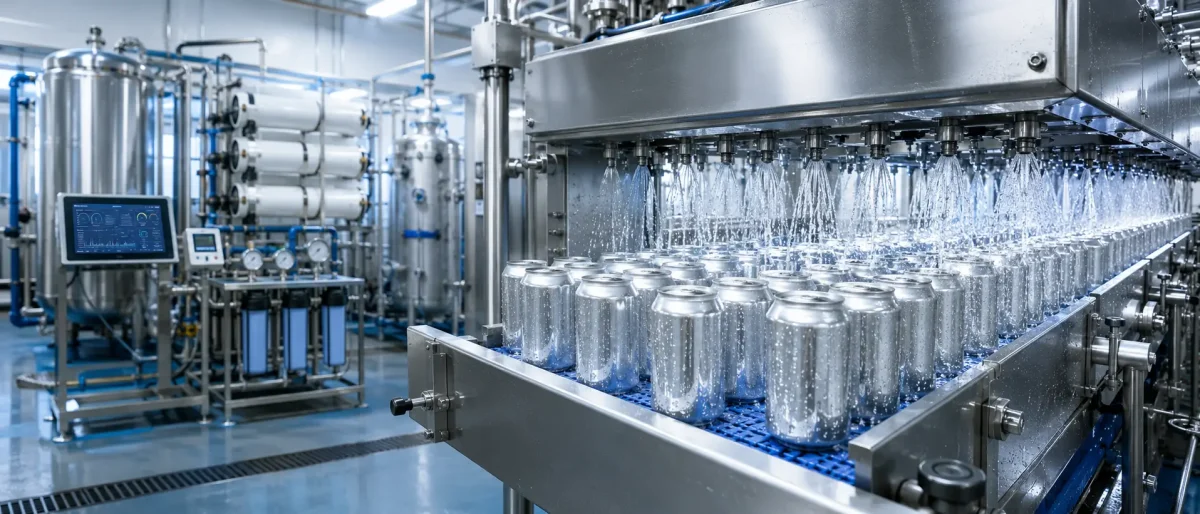

            Why water quality matters to uptime and WUE

            Water treatment for data centres: why water quality matters to uptime and WUE

            Water treatment for data centres can quickly become a broad subject. Cooling systems, humidification, WUE, PUE, rainwater harvesting, reuse, discharge and resilience all sit within the same conversation.

            For AllWater Technologies, the most relevant focus is more specific.

            In many data centre projects, water treatment matters most where incoming water quality affects cooling tower make-up, hybrid cooler performance, humidification systems and selected reuse opportunities. These are the areas where the right system can help protect equipment, reduce avoidable water use and support more predictable operation.

            A data centre does not always need the most complex treatment package. A cooling tower may need softened water. A hybrid cooler may require reverse osmosis because of the manufacturer’s water quality specification. A humidification system may only need a compact RO unit, but still depend on consistent treated water.

            That is why water quality should be considered early. It affects cooling performance, water consumption, maintenance demand and Water Usage Effectiveness, often referred to as WUE.

            Where water actually gets used

            Data centres use water in different ways depending on the cooling strategy, building design and equipment specification. The most relevant uses for AllWater are:

            • Cooling tower make-up water
            • Hybrid cooler make-up water
            • Humidification system water
            • Selected water reuse or recovery applications

            Each use has a different water quality requirement.

            Cooling towers and hybrid coolers may use large volumes of make-up water during warmer periods or peak cooling demand. Humidification systems usually use far less water, but may still need treated water to reduce deposits and protect equipment. Reuse projects can offer water savings, but they need careful assessment because the water source, quality and demand profile must make sense.

            This is why data centre water treatment should start with the application. The right question is not simply “does this site need water treatment?” It is “which water use needs controlled water quality, and what does the equipment specification require?”

            Why water quality matters to uptime

            Uptime depends on cooling systems performing as expected. If water quality causes scale, deposits or unstable make-up water conditions, the cooling system may become harder to manage.

            In cooling tower and hybrid cooler applications, poor water quality can contribute to:

            • Scale on heat exchange surfaces
            • Deposits on wetted surfaces
            • Blocked spray equipment or distribution points
            • Increased blowdown
            • Higher chemical demand
            • Reduced cooling efficiency
            • More frequent maintenance
            • Greater risk of downtime during peak demand

            The impact may build gradually. A system may continue to operate, but water use, chemical demand or maintenance requirements can increase. Over time, this can affect both operational reliability and sustainability reporting.

            A well-designed data centre water treatment system helps control the quality of make-up water so the cooling system can operate within the expected range.

            Cooling towers: why make-up water quality matters

            Cooling towers use water to reject heat. As part of that process, some water evaporates. The minerals and dissolved solids in the water do not evaporate with it, so they remain in the circulating water and become more concentrated.

            To control that concentration, some water is discharged as blowdown and replaced with fresh make-up water.

            If the make-up water has high hardness, alkalinity or dissolved solids, blowdown may need to happen more often to control scale and deposits. This increases water use, discharge volume and chemical demand.

            This is where water treatment directly links to WUE. WUE measures the amount of water a data centre uses in relation to IT energy consumption. Lowering avoidable blowdown can help improve water efficiency, provided cooling performance and resilience are protected.

            Reverse osmosis can reduce dissolved solids in the make-up water before it enters the cooling tower. This can allow the system to operate at higher cycles of concentration where the chemistry supports it, meaning each litre of water can stay useful for longer before discharge is required.

            A useful UK example is NTT’s Hemel Hempstead 3 data centre, reported by Data Center Dynamics. NTT used RO after hard water and high alkalinity caused excess drainage and salt deposition. The system removed more than 95% of dissolved salts and helped reduce WUE from 1.8 l/kWh to 1.2 l/kWh between June 2023 and July 2024.

            The lesson is not that every cooling tower needs RO. The lesson is that feedwater chemistry can directly affect blowdown, deposits, chemical use and water efficiency.

            Hybrid coolers: a common UK route into RO

            Hybrid coolers are popular in the UK because they can balance dry and evaporative operation. They can reduce water use compared with systems that rely heavily on evaporation, while still providing additional cooling support when ambient conditions require it.

            However, many hybrid coolers have specific make-up water requirements. Depending on the manufacturer and system design, they may require softened water, reverse osmosis water or another defined water quality to limit deposits on wetted surfaces.

            This is often where RO becomes commercially relevant.

            If a hybrid cooler specification requires low-conductivity or low-TDS make-up water, the water treatment package needs to be designed around that requirement. This may involve RO with suitable pre-treatment, treated water storage, monitoring and redundancy.

            For larger data centre projects, this can mean a significant RO system rather than a small packaged unit. The size and configuration depend on make-up water demand, feedwater chemistry, peak operating conditions and resilience requirements.

            Softener or RO? The specification should decide

            A water softener removes hardness minerals, mainly calcium and magnesium. This can help reduce scale risk where hardness is the main issue.

            For some cooling applications, softening may be the most practical and cost-effective option. It can protect equipment from hardness-related scale without the added complexity of RO.

            However, a softener does not remove all dissolved solids. It does not produce low-conductivity water.

            Reverse osmosis becomes more relevant when:

            • The cooler manufacturer specifies low TDS or low-conductivity make-up water
            • Hardness, alkalinity or dissolved solids are limiting cycles of concentration
            • Blowdown volume is high
            • The site needs more predictable make-up water quality
            • Water efficiency targets are linked to WUE
            • Reuse or recovery is being considered

            This is why the cooler specification and feedwater analysis should guide the recommendation. The right system is not always the most complex one. It is the system that meets the equipment requirement without adding unnecessary cost or maintenance.

            How RO can support WUE

            RO can support WUE by helping a cooling system use water more efficiently. Its main benefit is reducing the dissolved solids entering the cooling system.

            In cooling tower applications, this can help support higher cycles of concentration where the chemistry allows. Higher cycles can reduce blowdown, which may reduce make-up water demand.

            However, this must be modelled properly. RO also produces a reject stream, so the full water balance needs to be understood. A good design should consider:

            • Water entering the RO system
            • Treated water sent to cooling make-up
            • RO reject volume
            • Cooling tower blowdown
            • Discharge route
            • Any practical recovery options

            The aim is not simply to move water from one waste stream to another. The aim is to reduce total site water demand while keeping the cooling system stable.

            Large RO systems for cooling make-up water

            Where RO is required for cooling tower or hybrid cooler make-up water, it should be treated as part of the cooling infrastructure.

            Key design considerations include:

            • Feedwater quality
            • Cooler manufacturer specification
            • Required permeate quality
            • Peak and average make-up water demand
            • Treated water storage
            • RO recovery rate
            • Reject management
            • Pre-treatment requirements
            • Duty and standby operation
            • Monitoring and alarm integration
            • Service access
            • Future expansion capacity

            AllWater’s RO range covers compact systems through to high-capacity industrial systems, with flow rates from 300 L/h to 30,000 L/h. Larger cooling make-up applications are likely to sit in the higher-flow ranges, with customisation based on water chemistry, operating profile and resilience requirements.

            Duty/standby or N+1 configurations may also be appropriate where treated water supports critical cooling infrastructure.

            Humidification: a smaller but important water use

            Cooling tower and hybrid cooler make-up water usually represent the larger opportunity, but humidification is another area where treated water may be required.

            Many data centres need humidity control to maintain the correct operating environment. The water demand is often much smaller than cooling make-up demand, but poor-quality water can still cause deposits, maintenance issues or equipment problems.

            This is where a compact RO system can be the right fit.

            AllWater’s Super Mini RO range is designed for smaller demand, with flow rates of 300 to 500 L/h. It may suit humidification systems, packaged plant or point-of-use requirements where consistent treated water is needed in a compact format.

            For humidification, the key questions are:

            • What flow rate is required?
            • What conductivity is needed?
            • How much space is available?
            • Is treated water storage required?
            • What is the feedwater quality?
            • How will the system be maintained?
            • Does the humidification package need alarms or integration?

            A small RO system may not have the same water-saving profile as a cooling tower RO plant, but it can still be important where the equipment depends on stable water quality.

            Water reuse: useful, but not always straightforward

            Water reuse is an important topic in data centres, but it needs careful positioning.

            Rainwater harvesting can sound attractive because it reduces reliance on mains water. The challenge is that data centres often need the most cooling water during warmer, drier periods. In the UK, rainwater availability may not match peak cooling demand.

            Storage can help, but large storage volumes take space and add cost. Rainwater quality also varies, so treatment is still needed before it can be used reliably in cooling systems.

            Cooling tower blowdown recovery is more technically interesting, but also more complex. Blowdown is already concentrated because it contains dissolved solids removed from the cooling system. Recovering it may require filtration, membrane treatment, RO, chemical control and concentrate management.

            For many sites, the first step is better make-up water treatment. That may mean softening, RO or optimising the existing system. Blowdown recovery becomes more relevant when the site has enough water volume, discharge cost or WUE pressure to justify a more advanced recovery project.

            When blowdown recovery may be worth exploring

            Cooling tower blowdown recovery may be worth investigating when:

            • Cooling water demand is high
            • Blowdown volume is significant
            • Water or wastewater costs are high
            • There is pressure to improve WUE
            • Discharge capacity is limited
            • Feedwater chemistry is suitable
            • There is space for recovery equipment
            • The capital cost can be justified

            AllWater can support the early assessment by reviewing water chemistry, flow data, cooling demand and discharge constraints. If the opportunity is strong, further modelling can define whether recovery is practical.

            What AllWater assesses before recommending a system

            A data centre water treatment recommendation should be based on evidence, not assumptions. Before specifying a softener, RO system or recovery option, AllWater assesses:

            • Incoming water quality
            • Hardness and alkalinity
            • Conductivity and total dissolved solids
            • Silica and scaling risk
            • Cooler manufacturer requirements
            • Cooling water demand
            • Humidification demand
            • Plant space
            • Treated water storage
            • Discharge route
            • Reject management
            • Redundancy expectations
            • Monitoring requirements
            • Maintenance access

            This helps match the right technology to the right water use. It also helps avoid over-specifying a system where softening is sufficient, or under-specifying a system where RO is required by the equipment.

            Keeping water treatment aligned with uptime

            Water efficiency matters, but data centre uptime comes first. A system that reduces water use but creates maintenance problems or supply risk is not a good solution.

            For larger RO systems supporting cooling make-up water, resilience may include:

            • Duty/standby operation
            • N+1 configuration
            • Duplex pre-treatment
            • Treated water storage
            • Remote monitoring
            • Conductivity alarms
            • Flow and pressure monitoring
            • Clear isolation points
            • Service access
            • Planned maintenance support

            AllWater can design systems with monitoring and control options that help operators see how the system is performing. Conductivity, flow, pressure, temperature and recovery data can all support better decision-making.

            Planned service agreements also help keep systems stable through routine inspection, testing, consumable replacement, optimisation and reporting.

            Where issues are more complex, technical support for water systems can help identify root causes and recommend practical changes.

            From WUE target to water specification

            The most useful data centre water treatment projects start with the cooling and humidification requirements.

            If the cooler can operate on softened water, a softener may be enough. If the hybrid cooler requires low-conductivity make-up water, RO may be needed. If humidification has a smaller but specific water quality requirement, a compact RO system may be the right choice. If water demand and discharge volumes are high, reuse or blowdown recovery may be worth exploring.

            This is where water treatment supports WUE in a practical way. It turns a broad efficiency target into a site-specific water specification.

            AllWater Technologies helps data centre operators, contractors and project teams specify water treatment systems that match the actual water use on site. That may include softening for scale control, Super Mini RO for humidification, larger RO systems for cooling make-up water, pre-treatment to protect membranes, monitoring to support visibility and service support to maintain long-term performance.

            For data centres, better water efficiency comes from matching the right system to the right water use.

            Speak to AllWater about data centre water treatment requirements.

            Data centre water treatment is the process of controlling water quality for applications such as cooling tower make-up, hybrid cooler make-up, humidification and selected reuse. It can include softening, reverse osmosis, pre-treatment, monitoring and service support.

            Water quality can affect WUE by influencing blowdown, make-up water demand and cooling system efficiency. If make-up water has high dissolved solids, the system may need more frequent blowdown, which can increase water use.

            No. Some cooling systems may only need softened water. RO is more relevant where the cooler specification requires low-conductivity water, where dissolved solids are limiting water efficiency, or where reuse and recovery are being considered.

            Some hybrid coolers have specific make-up water quality requirements to reduce scale and deposits on wetted surfaces. Depending on the manufacturer’s specification and local water quality, RO may be needed.

            Yes. A softener can reduce hardness and help control scale where hardness is the main issue. However, it does not remove all dissolved solids, so it may not be suitable where low TDS or low conductivity is required.

            Yes, where the chemistry supports it. RO reduces dissolved solids in make-up water, which can allow higher cycles of concentration and reduce the volume of water discharged as blowdown.

            Yes. Humidification systems may require treated water to reduce deposits and protect equipment. For smaller requirements, a compact RO system such as AllWater’s Super Mini range may be suitable.

            It can be suitable in some cases, but it needs careful assessment. Peak cooling demand often occurs during warmer, drier periods, so rainwater availability may not match the highest water demand.

            Cooling tower blowdown recovery involves treating discharged cooling water so it can be reused, often as make-up water. It can reduce water use and wastewater volume, but it is technically complex and should be assessed carefully.

            Get in Touch with AllWater Technologies

            We’re here to help with all your water treatment needs. Whether you have questions about our services, want to discuss a project, or need support, our team is ready to assist you. Fill out the form for general enquiries, or you are welcome to email direct or give us a call.

            AllWater House

            Unit 2,

            Cheddar Business Park,

            Wedmore Road,

            Cheddar

            BS27 3EB

            Opening hours

            Mon-Fri: 08:30-17:30 (GMT)


              Why High-Purity Water Matters in Aerospace Manufacturing

              Why high-purity water matters in aerospace manufacturing

              In aerospace manufacturing, small variations can have serious consequences. Components are often exposed to demanding operating conditions, strict quality requirements and detailed customer specifications. Every stage of production needs to be controlled, documented and repeatable.

              Water quality is part of that control.

              High-purity water is used across aerospace manufacturing for surface treatment, component rinsing, cleaning, coating preparation, machining support, testing, cleanroom washing and process make-up. In many of these applications, standard mains water is not suitable. Dissolved minerals, salts, suspended solids, organic matter or microbial contamination can interfere with process chemistry, leave residues on parts or affect the consistency of a finished surface.

              This is why aerospace water treatment is an important part of manufacturing quality. The right system helps produce water to the required purity level, protect critical processes and support traceable, consistent output.

              For aerospace and defence manufacturers, water treatment is not only about supplying clean water. It is about supporting product quality, compliance, uptime, process control and long-term operational confidence.

              What we’re covering

              This article looks at why high-purity water matters in aerospace manufacturing and how different water treatment technologies support critical production processes.

              It covers:

              • Why standard water can create problems in aerospace manufacturing
              • How deionised water supports rinsing, cleaning and process consistency
              • The difference between softened water, RO water, DI water and EDI water
              • Common aerospace applications for high-purity water
              • Why water quality should be matched to the process
              • How treatment systems support quality, compliance and audit readiness
              • Why ongoing monitoring and servicing are essential

              Why water quality is critical in aerospace manufacturing

              Aerospace manufacturing relies on precision. This applies to component dimensions, material performance, surface finish, corrosion resistance, coating adhesion and cleanliness standards.

              Water is often used at stages where the surface condition of a component is especially important. If the water contains unwanted contaminants, those contaminants can remain on the part, interfere with chemical processes or affect the next production stage.

              This is particularly important in areas such as:

              • Anodising
              • Electroplating
              • Surface treatment
              • Chemical processing
              • Coating preparation
              • Component washing
              • Final rinsing
              • Cleanroom processes
              • Printed circuit board and microelectronics cleaning
              • Maintenance, repair and overhaul operations

              In these environments, water can influence part quality directly. Poor water quality can contribute to staining, spotting, uneven deposits, poor coating performance, corrosion risk, carryover between process tanks or contamination of sensitive components.

              The risk is rarely just cosmetic. In aerospace manufacturing, part cleanliness and surface integrity can affect performance, durability and acceptance against customer specifications.

              Why standard mains water may not be suitable

              Mains water contains dissolved minerals and other naturally occurring constituents. These may include hardness minerals, such as calcium and magnesium, along with sodium, chloride, sulphate, bicarbonate, silica, iron, organic matter and suspended solids.

              For general industrial use, this may not always be a problem. For aerospace manufacturing, it can be.

              Hardness minerals can form scale on equipment or leave deposits on components. Chlorides and other ions can interfere with sensitive surface processes. Suspended solids can affect rinse quality or block downstream equipment. Variation in incoming water quality can also make process control more difficult.

              A process that works reliably using one water supply may become unstable if the water chemistry changes. This is why aerospace manufacturers often need a controlled water treatment system rather than relying on untreated incoming water.

              What is deionised water in aerospace manufacturing?

              Deionised water, often shortened to DI water, is water that has had dissolved ions removed through ion exchange technology. These ions include positively charged cations and negatively charged anions, which are commonly found in untreated water.

              A demineralised water system, also known as a deioniser or DI system, is used when dissolved salts and mineral ions need to be reduced to very low levels. In aerospace manufacturing, this can be important for processes where residues, conductivity or mineral contamination could affect the finished part.

              Deionised water aerospace applications can include:

              • Final rinsing after chemical processing
              • Rinsing after anodising or plating
              • Cleanroom component washing
              • Process make-up water
              • Sensitive equipment cleaning
              • Laboratory and test processes
              • Rinse water recovery systems
              • MRO cleaning and finishing operations

              The benefit of DI water is consistency. It provides a controlled water quality that helps reduce the risk of unwanted residues and process variation.

              RO, DI and EDI: understanding the difference

              High-purity water systems are often built from several treatment stages. The correct configuration depends on the water source, process requirement, flow rate, space available and quality target.

              Softened water

              A water softener removes calcium and magnesium ions that contribute to hardness. This helps reduce scale risk in equipment and can protect downstream systems.

              Softened water is useful in many industrial applications, but it does not remove all dissolved salts. For high-purity aerospace processes, further treatment is usually required.

              Reverse osmosis water

              Reverse osmosis uses membrane separation to remove a large proportion of dissolved salts, minerals, organic matter and other contaminants. RO is often used as a core treatment stage before final polishing.

              In aerospace manufacturing, RO water may be used for process make-up, rinse stages or as feedwater to DI or EDI systems. It helps reduce the load on downstream purification equipment and supports more consistent water quality.

              Deionised water

              DI water is produced through ion exchange resins that remove remaining dissolved ions from the water. It is commonly used where very low conductivity or high resistivity is needed.

              DI systems can be designed as compact units for smaller demand, or as larger automated systems for continuous production. They may use mixed-bed resin, twin-bed demineralisation or other configurations depending on the application.

              Electro-deionised water

              Electro-deionisation, or EDI, combines ion exchange resin, membranes and electrical current to continuously remove residual ions from RO-treated water. It can produce ultra-pure water without the same chemical regeneration requirements as traditional DI systems.

              EDI is often suited to applications where consistent high-purity output, lower chemical handling and continuous production are priorities.

              How high-purity water supports surface treatment

              Surface treatment is one of the most important areas for high-purity water in aerospace manufacturing.

              Processes such as anodising, plating, chromate conversion, passivation and coating preparation depend on controlled chemistry. Water may be used for bath make-up, intermediate rinsing, final rinsing or wastewater control.

              If rinse water contains dissolved minerals or contaminants, it can affect the surface condition of the part. This may lead to staining, uneven appearance, loss of coating uniformity or reduced adhesion in later coating stages.

              High-purity water helps reduce that risk by limiting the amount of unwanted material transferred onto the component.

              In aerospace surface treatment, rinse quality is also important because drag-out from one process stage can carry chemicals into the next. Well-managed rinse systems help reduce cross-contamination, protect process baths and improve consistency across production runs.

              The role of high-purity water in anodising and plating

              Anodising and plating lines often use multiple rinse stages. These may include static rinses, flowing rinses, counterflow rinses or high-purity final rinses.

              In aerospace anodising, water quality can affect both process stability and the final surface condition. If the rinse water contains minerals or dissolved contaminants, these can remain on the component surface or interfere with subsequent treatment.

              AllWater has direct experience in this area. In its Aero Fabrications case study, AllWater designed and installed a comprehensive water treatment solution for a new Tartaric Sulphuric Anodising line. The system included a reverse osmosis plant to meet Airbus Spec A water requirements, alongside wastewater treatment for the TSA line’s waste.

              This is a good example of how aerospace water treatment often needs to solve two challenges at once: producing high-purity water for the process, and treating complex wastewater so the site can meet discharge obligations.

              Why conductivity and resistivity matter

              Water quality is often monitored using conductivity or resistivity.

              Conductivity measures how well water conducts electricity. The more dissolved ions present, the more conductive the water becomes. Lower conductivity usually indicates cleaner, lower-ion water.

              Resistivity measures how strongly water resists electrical flow. Higher resistivity usually indicates higher purity.

              For aerospace manufacturers, these measurements provide a practical way to monitor whether water quality is within the required range. They can also support process control records, quality checks and audit evidence.

              However, the target value should be set by the application. Not every process needs ultra-pure water, and using water that is purer than necessary can increase cost without improving the outcome. In some cases, extremely pure water can also behave aggressively towards certain materials.

              The right approach is to define the water quality required by the process, then design the treatment system to meet that requirement consistently.

              Matching water quality to the process

              One of the most common mistakes in high-purity water planning is assuming that all processes need the same water quality.

              They do not.

              A general wash stage may only require softened or filtered water. A high-spec final rinse may require RO or DI water. A sensitive cleanroom process may need higher purity still. Wastewater recovery may need filtration, UV treatment, ion exchange or RO depending on the contaminants present.

              The treatment system should be matched to:

              • The incoming water quality
              • The process chemistry
              • The component material
              • The cleanliness requirement
              • The required conductivity or resistivity
              • The flow rate and peak demand
              • The number of rinse stages
              • The level of automation needed
              • Wastewater and discharge requirements
              • Space and access constraints

              This process-led approach helps avoid both under-treatment and over-treatment. It also makes the system easier to maintain because every treatment stage has a clear purpose.

              Water treatment for aerospace cleaning and rinsing

              Component cleaning is another critical application for high-purity water.

              Aerospace parts may need to be cleaned before inspection, assembly, coating, testing or packaging. If water leaves mineral residues, detergent residues or ionic contamination behind, the component may not meet the required standard.

              High-purity rinse water helps remove cleaning chemistry and dissolved contaminants more effectively. It can support better surface finish, reduce spotting and improve repeatability.

              In some cleaning processes, water quality also affects the performance of detergents or aqueous cleaning chemistry. If incoming water contains hardness minerals, some cleaning chemistry may be used up dealing with the water itself rather than removing contamination from the part.

              Using treated water can therefore support both cleanliness and process efficiency.

              Water treatment and aerospace quality systems

              Aerospace manufacturers work within strict quality frameworks. These may include customer specifications, internal quality systems, sector-specific standards and critical process accreditations.

              The Nadcap programme is an industry-managed accreditation programme for aviation, defence and space critical processes. It exists to support quality, safety and operational excellence across the sector. While not every water treatment system will be audited directly, water quality can be relevant to processes such as chemical processing, coatings and electronics.

              The IAQG 9100 standard also reflects the sector’s focus on quality management, risk reduction and consistent performance across the supply chain.

              For water treatment, this makes documentation important. Manufacturers may need evidence that the system is producing water within the required range, that maintenance is being carried out, that faults are being addressed and that water quality trends are being monitored.

              A water treatment system should therefore be designed not only to perform, but to support the site’s quality and audit requirements.

              Wastewater, reuse and environmental control

              Aerospace manufacturing does not only require high-purity process water. It can also generate complex wastewater.

              Surface treatment, anodising, plating, chemical cleaning and MRO processes may produce effluent containing metals, oils, acids, alkalis, suspended solids or other regulated contaminants. This wastewater often needs to be treated before discharge or considered for recovery and reuse.

              Wastewater treatment can include pH correction, metal removal, filtration, ion exchange, chemical dosing, settlement, membrane technologies or other process-specific treatment stages.

              Water reuse may also be appropriate in some aerospace environments. Recovered rinse water can reduce water consumption and lower disposal costs, but only if the recovered water can be treated to the quality needed by the process.

              AllWater’s Marshall Aerospace case study demonstrates this type of approach. AllWater implemented an advanced water recovery DI system for a manufacturing and special processes facility, using ion exchange resin technology and RO water make-up to improve efficiency, reduce waste and support consistent water quality.

              Design considerations for aerospace water treatment systems

              Aerospace water treatment systems need to be designed around the site, not selected from a generic template.

              Important considerations include:

              • Required water quality at each point of use
              • Incoming water chemistry
              • Flow rate and peak demand
              • Storage requirements
              • Redundancy and duty or standby operation
              • Space constraints
              • Chemical handling requirements
              • Microbial control
              • Wastewater characteristics
              • Discharge limits
              • System monitoring and alarms
              • Operator access and maintenance
              • Documentation and audit trail requirements

              For high-spec manufacturing sites, reliability is especially important. If a DI plant, RO system or rinse water recovery unit fails, the impact may be wider than water supply. It may interrupt production, delay batch release or create quality risk.

              This is why installation and commissioning should be considered part of the quality process. Correct installation, commissioning, operator training and handover documentation all help support long-term system performance.

              The role of monitoring and planned servicing

              High-purity water systems need ongoing control. Resin beds become exhausted. RO membranes can foul. Filters need replacing. Sensors need checking. UV lamps, dosing systems and pumps need servicing. Water demand can also change as production requirements evolve.

              Planned service agreements help aerospace manufacturers maintain water quality, reduce unplanned downtime and identify performance issues early.

              A service programme may include:

              • Routine water quality testing
              • Conductivity and resistivity checks
              • RO membrane performance checks
              • Resin condition review
              • Filter replacement
              • UV system checks
              • Dosing equipment checks
              • Calibration support
              • Consumables planning
              • System optimisation
              • Documentation for internal quality records

              For regulated and high-spec environments, this support is important. It helps ensure the system continues to meet the required standard after installation, not just on day one.

              Where additional investigation is needed, technical support for water systems can help identify root causes, recommend adjustments and support process improvement.

              Why you can trust AllWater Technologies

              AllWater Technologies designs, supplies, installs, commissions and supports industrial water treatment systems for demanding sectors across the UK and beyond.

              For aerospace and defence clients, AllWater supplies high-purity water systems, demineralised water systems, RO systems, EDI units, filtration, UV sterilisation, wastewater treatment and ongoing technical support.

              AllWater is experienced in aerospace and defence applications where water quality, compliance and process reliability are critical. The company is a JOSCAR-registered supplier, WRAS-compliant, MOD-specified, ISO 9001 and ISO 14001 accredited, and able to support systems requiring UKCA-marked equipment.

              The team has also delivered real-world aerospace projects, including high-purity water and wastewater treatment for TSA anodising, plus water recovery DI systems for aerospace manufacturing and special processes facilities.

              This experience matters because aerospace water treatment is rarely simple. It requires an understanding of water chemistry, process requirements, compliance expectations, site constraints and long-term maintenance.

              High-purity water in aerospace manufacturing

              High-purity water is essential in many aerospace manufacturing processes, but it should always be specified with care. The right water quality depends on the application, the material, the process chemistry, the required cleanliness level and the quality evidence needed by the manufacturer.

              For some processes, softened or filtered water may be enough. For others, RO, DI or EDI water may be required to achieve consistent results. For surface treatment, anodising, plating and cleanroom applications, water quality can affect part finish, coating performance, corrosion resistance and process repeatability.

              A strong aerospace water treatment strategy should therefore consider the full picture: incoming water, process water, rinse water, wastewater, reuse, monitoring, maintenance and documentation.

              AllWater Technologies works with aerospace and defence manufacturers to design and support water treatment systems that meet site-specific requirements. From demineralised water systems and reverse osmosis to electro-deionisation, filtration and wastewater treatment, AllWater helps manufacturers protect water quality at every stage of the process.

              Speak to AllWater Technologies about aerospace water treatment requirements.

              Deionised water is used where dissolved minerals and salts could affect part quality, surface finish, coating adhesion, cleanliness or process chemistry. It is commonly used for rinsing, cleaning, process make-up and high-purity applications.

              Deionised water is used where dissolved minerals and salts could affect part quality, surface finish, coating adhesion, cleanliness or process chemistry. It is commonly used for rinsing, cleaning, process make-up and high-purity applications.

              Reverse osmosis water is treated through a membrane process that removes many dissolved contaminants. Deionised water is treated through ion exchange to remove dissolved ions to a much lower level. RO is often used before DI to improve efficiency and support more consistent high-purity water production.

              Not always. Water quality should be matched to the process. Some wash stages may only need filtered or softened water, while final rinsing, surface treatment, cleanroom washing or sensitive component cleaning may require RO, DI or EDI water.

              High-purity water is commonly monitored using conductivity or resistivity. Lower conductivity generally indicates fewer dissolved ions, while higher resistivity indicates higher purity. The required level depends on the process specification.

              In some cases, yes. Rinse water recovery can reduce water use and waste disposal costs, but the recovered water must be treated to a quality suitable for the process. Treatment may include filtration, UV, ion exchange, RO or other technologies depending on the contaminants present.

              Servicing helps maintain consistent water quality, reduce downtime and support audit evidence. RO membranes, DI resin, filters, sensors, UV equipment and dosing systems all need monitoring and maintenance to keep the system performing correctly.

              Get in Touch with AllWater Technologies

              We’re here to help with all your water treatment needs. Whether you have questions about our services, want to discuss a project, or need support, our team is ready to assist you. Fill out the form for general enquiries, or you are welcome to email direct or give us a call.

              AllWater House

              Unit 2,

              Cheddar Business Park,

              Wedmore Road,

              Cheddar

              BS27 3EB

              Opening hours

              Mon-Fri: 08:30-17:30 (GMT)

                When to Upgrade Your Water Treatment System

                When water treatment systems outgrow your site: signs it is time to upgrade or redesign

                Water treatment systems are often designed to meet current operational needs, but as industrial sites grow and processes evolve, those systems can quickly become outdated. This article explores the key signs that your system may no longer be fit for purpose, along with guidance on when to upgrade or fully redesign.

                Why water treatment systems become outdated over time

                No industrial process remains static. Production increases, equipment changes, and compliance requirements evolve. While water treatment systems are built for durability, they are not immune to these shifts.

                Over time, many systems begin to operate outside of their original design parameters. This does not always result in immediate failure. Instead, performance gradually declines. Efficiency drops, maintenance becomes more frequent, and operating costs begin to rise.

                In many cases, the system has not failed. It has simply been outgrown.

                Recognising this early allows businesses to take a proactive approach, avoiding disruption and maintaining control over costs.

                Increasing demand is pushing your system beyond its limits

                One of the most common indicators that a system has been outgrown is increased demand.

                As production grows, water usage rises. Systems that were originally designed for lower throughput may struggle to keep up, particularly during peak periods. This can lead to reduced flow rates, pressure instability, and inconsistent water quality.

                In membrane systems, such as reverse osmosis, exceeding design capacity can accelerate fouling and reduce membrane lifespan. Pumps may also operate at higher loads, increasing both energy consumption and wear.

                Upgrading to industrial reverse osmosis systems designed for higher capacity and scalability ensures that systems can meet current and future demand without compromising performance:

                Planning for growth is essential to maintaining efficiency and reliability.

                Water quality requirements have changed

                Water quality requirements often become more stringent over time. This may be driven by changes in production processes, tighter product specifications, or updated regulatory standards.

                Older systems may no longer be capable of achieving the required purity levels. Even if they continue to operate, they may struggle to maintain consistent results.

                This can lead to quality control issues, increased waste, and potential compliance risks.

                In these situations, system upgrades or redesigns are often required to introduce additional treatment stages or more advanced technologies.

                For high purity applications, advanced demineralisation systems for precise water quality control provide a reliable and efficient solution:

                Ensuring water quality aligns with operational requirements is critical for maintaining performance.

                Rising maintenance costs and frequent breakdowns

                An increase in maintenance activity is often one of the first visible signs that a system is no longer operating efficiently.

                Components such as pumps, valves, and membranes may require more frequent servicing or replacement. Issues such as scaling and fouling may become more persistent.

                While individual repairs may seem manageable, the cumulative cost can become significant. More importantly, unplanned downtime can disrupt production and impact output.

                In many cases, these issues are not caused by faulty equipment, but by systems operating beyond their intended design limits.

                When maintenance becomes reactive rather than planned, it is often time to consider an upgrade.

                Energy consumption is steadily increasing

                Energy costs are a major factor in the operation of water treatment systems.

                As systems become less efficient, they often require more energy to achieve the same output. Pumps may run longer or at higher pressures, and processes may take more time to complete.

                These changes can be gradual, making them difficult to detect without monitoring.

                The Carbon Trust highlights that improving industrial energy efficiency can deliver significant cost savings while reducing environmental impact.

                If energy usage is increasing without a clear operational reason, it may indicate that the system is no longer optimised.

                Inconsistent water quality is affecting operations

                Consistency is essential in industrial processes. Variations in water quality can have a direct impact on product quality, process efficiency, and compliance.

                Systems that have been outgrown often struggle to maintain stable performance. Fluctuations in key parameters such as conductivity or hardness can lead to:

                • Increased waste
                • Production inefficiencies
                • Quality issues
                • Compliance risks

                These problems are often linked to systems operating beyond their design capabilities.

                Addressing them typically requires more than minor adjustments. A system upgrade or redesign may be necessary to restore stability.

                Your system lacks modern automation and monitoring

                Many older systems rely on manual operation with limited visibility into performance.

                Without real-time monitoring, it can be difficult to identify inefficiencies or respond quickly to issues. Problems such as fouling or declining performance may go unnoticed until they begin to affect operations.

                Modern systems incorporate automation, sensors, and data tracking to provide greater control and insight.

                Upgrading to include these features allows for more proactive management, reducing downtime and improving efficiency.

                The system no longer fits your physical space or layout

                As sites expand or processes are reconfigured, physical space can become a limiting factor.

                Systems that were once well positioned may become difficult to access or incompatible with new layouts. This can make maintenance more challenging and reduce overall efficiency.

                In some cases, redesigning the system to fit the available space can improve both performance and usability.

                Modern designs often prioritise compact, modular layouts that are easier to integrate into changing environments.

                Compliance requirements have evolved

                Regulatory standards are continually changing, particularly in areas such as environmental impact and water discharge.

                Systems that were compliant at the time of installation may no longer meet current requirements. This can expose businesses to risk, including fines or operational restrictions.

                Water UK provides guidance on maintaining compliance and managing water resources effectively here.

                Ensuring that systems meet current standards is essential for long-term operation.

                It is common for businesses to delay upgrades in order to avoid capital expenditure. However, the cost of maintaining an outdated system often exceeds the cost of improvement over time.

                Inefficiencies, downtime, and rising maintenance costs all contribute to increased operational spend.

                These costs are often hidden within day-to-day operations, making them difficult to quantify. However, their impact can be significant.

                Taking a proactive approach allows businesses to regain control over performance and cost.

                Not all situations require a full system redesign. In some cases, targeted upgrades can resolve specific issues.

                However, when multiple performance challenges are present, or when the system no longer aligns with operational needs, a full redesign may be the most effective solution.

                Key factors to consider include system age, current demand, required water quality, and long-term cost implications.

                A structured assessment helps determine the best approach.

                AllWater Technologies provides tailored solutions ranging from targeted upgrades to complete system redesigns, ensuring each site receives the most appropriate outcome.

                Future-proofing involves designing systems that can adapt to change.

                This includes allowing for capacity expansion, incorporating flexible layouts, and integrating modern monitoring technologies. Planning for maintenance and serviceability also plays a key role.

                By considering these factors during design, businesses can reduce the need for frequent upgrades and ensure long-term reliability.

                AllWater Technologies brings decades of combined experience designing and upgrading industrial water treatment systems across the UK and Europe. Each solution is based on detailed analysis of real operational conditions, ensuring reliable performance, improved efficiency, and long-term cost control through practical, engineered solutions tailored to each site.

                Contact our team today to discuss upgrading or redesigning your water treatment system for improved performance, efficiency, and long-term reliability.

                Get in Touch with AllWater Technologies

                We’re here to help with all your water treatment needs. Whether you have questions about our services, want to discuss a project, or need support, our team is ready to assist you. Fill out the form for general enquiries, or you are welcome to email direct or give us a call.

                AllWater House

                Unit 2,

                Cheddar Business Park,

                Wedmore Road,

                Cheddar

                BS27 3EB

                Opening hours

                Mon-Fri: 08:30-17:30 (GMT)


                  Water Treatment System Design Mistakes

                  Water treatment system design mistakes that cost industrial sites thousands each year

                  Poor system design is one of the most overlooked causes of inefficiency in industrial water treatment. This article explores the most common mistakes that lead to unnecessary costs, downtime, and performance issues, along with practical guidance on how to avoid them.

                  Why system design has a direct impact on cost and performance

                  Industrial water treatment systems are often treated as a background utility. Once installed, they are expected to operate consistently without drawing attention. However, in practice, the design stage has a lasting impact on how the system performs day to day, how much it costs to run, and how often it requires intervention.

                  A system that has been poorly designed rarely fails outright. Instead, it operates just below optimal performance. Pumps work harder than they should. Membranes foul faster. Chemical dosing becomes inconsistent. Maintenance becomes more frequent. These incremental inefficiencies accumulate over time, often without being immediately obvious to operators.

                  For many industrial sites, the true cost of a poorly designed system is not a single failure but a steady drain on resources. Increased energy consumption, higher chemical usage, unplanned downtime, and shortened equipment lifespan all contribute to operational costs that can run into thousands of pounds each year.

                  In contrast, a well-designed system supports consistent production, predictable maintenance schedules, and lower overall operating costs. It aligns with the specific requirements of the site, rather than forcing processes to adapt around it. This is why system design should always be treated as a strategic investment rather than a one-off technical exercise.

                  Failing to properly assess incoming water quality

                  One of the most fundamental mistakes in system design is relying on incomplete or outdated water analysis. Water is not a uniform resource. Its composition varies significantly depending on geographic location, supply source, and even seasonal changes.

                  Designing a system without a detailed and current understanding of water quality introduces risk from the outset. Assumptions about hardness, dissolved solids, or contaminant levels can lead to incorrect system sizing and inappropriate treatment methods.

                  For example, underestimating hardness levels can result in scaling within boilers or membranes. Failing to identify silica or organic content can lead to fouling that reduces system efficiency and increases maintenance requirements. These issues are often misdiagnosed as operational problems when, in reality, they stem from design decisions made at the beginning.

                  A comprehensive water analysis should form the foundation of any system design. This includes not only basic parameters such as conductivity and pH but also a deeper understanding of specific contaminants and how they may interact with treatment processes.

                  Without this level of detail, even the most advanced equipment cannot perform as intended.

                  Underestimating demand and future capacity requirements

                  Another common mistake is designing systems based purely on current demand. While this may reduce initial capital expenditure, it often creates limitations as production requirements evolve.

                  Industrial operations rarely remain static. Increased output, new processes, or changes in product specifications can all place additional demands on water treatment systems. Systems that were not designed with flexibility in mind may struggle to cope with these changes.

                  In membrane-based processes such as reverse osmosis, exceeding design capacity can lead to reduced recovery rates, increased fouling, and higher energy consumption. Over time, this not only affects performance but also accelerates wear on key components.

                  Designing for scalability does not necessarily mean oversizing equipment. Instead, it involves selecting systems that can be expanded or adapted as requirements change. This approach ensures that the system remains efficient and reliable over the long term.

                  Investing in industrial reverse osmosis systems designed for scalable performance allows sites to increase capacity without the need for complete system replacement, reducing long-term costs and disruption.

                  Poor integration with existing processes and equipment

                  Water treatment systems are rarely standalone installations. They form part of a broader network of industrial processes, often interacting with boilers, cooling systems, production lines, and cleaning operations.

                  A frequent design oversight is failing to consider how the treatment system integrates with these processes. When systems are designed in isolation, mismatches can occur that reduce efficiency and create operational challenges.

                  For example, insufficient pre-treatment may allow particulates or hardness to reach sensitive equipment, leading to fouling or scaling. Pressure imbalances can affect downstream processes, while poorly configured control systems can result in inconsistent operation.

                  These issues are often subtle and difficult to diagnose. The system may appear to be functioning, but underlying inefficiencies continue to impact performance and cost.

                  Effective system design takes a holistic approach, ensuring that each component works in harmony with the wider process. This requires a clear understanding of how water is used across the site and how treatment processes can support those applications.

                  Neglecting the importance of pre-treatment

                  Pre-treatment is one of the most critical yet frequently underestimated aspects of water treatment system design. It serves as the first line of defence, protecting downstream equipment from contaminants that can cause damage or reduce efficiency.

                  In an effort to reduce upfront costs, some systems are designed with minimal or inadequate pre-treatment. While this may appear cost-effective initially, it almost always leads to higher operational expenses.

                  Without proper filtration, particulates can accumulate on membranes, reducing flow rates and increasing pressure requirements. Without softening, hardness can lead to scaling within boilers and heat exchangers. Without appropriate chemical conditioning, organic matter can contribute to fouling that is difficult to remove.

                  These issues not only increase maintenance requirements but also shorten the lifespan of key components.

                  Implementing high-performance industrial water filtration systems for pre-treatment protection helps to safeguard downstream processes, improve efficiency, and reduce long-term costs

                  Pre-treatment should be viewed as an essential investment rather than an optional add-on.

                  Ignoring energy efficiency during system design

                  Energy consumption represents a significant portion of the operating cost of industrial water treatment systems. Design decisions made at the outset can have a lasting impact on how much energy a system requires to operate.

                  Inefficient pump selection, poorly optimised pressure settings, and suboptimal system layouts can all contribute to increased energy usage. These inefficiencies may seem minor on a daily basis, but over time they can result in substantial financial costs.

                  Improving energy efficiency is not only beneficial from a cost perspective but also supports wider sustainability goals. The Carbon Trust highlights that industrial energy efficiency improvements can deliver immediate financial savings while reducing environmental impact.

                  Designing systems with energy efficiency in mind ensures that they remain cost-effective throughout their lifecycle.

                  Lack of automation and real-time monitoring

                  Despite advances in technology, many industrial water treatment systems still rely on manual operation and limited monitoring. This approach increases the risk of undetected performance issues.

                  Without real-time data, problems such as fouling, scaling, or declining efficiency may go unnoticed until they have already impacted operations. This can lead to reactive maintenance, increased downtime, and inconsistent water quality.

                  Automation and monitoring systems provide valuable insights into system performance. They allow operators to track key parameters, identify trends, and respond proactively to potential issues.

                  Incorporating these capabilities during the design phase ensures that systems can be managed more effectively over time.

                  Selecting the wrong treatment technology for the application

                  Choosing the correct treatment technology is essential for achieving the desired water quality. However, this decision is often influenced by cost considerations or incomplete understanding of process requirements.

                  Using the wrong technology can result in underperformance or unnecessary complexity. For example, softening may be sufficient for some applications, but high purity processes require demineralisation or advanced filtration methods.

                  Over-specifying systems can also be problematic, leading to higher capital costs and increased operational complexity without delivering additional benefits.

                  Each application should be assessed individually to determine the most appropriate treatment approach.

                  For high purity requirements, custom-designed demineralisation systems for industrial processes provide a reliable solution tailored to specific needs:
                  https://allwatertreatment.co.uk/demineralisation/

                  Selecting the right technology ensures efficient operation and avoids unnecessary expenditure.

                  Maintenance is a critical aspect of system performance, yet it is often considered only after installation. Systems that are difficult to access or service can lead to increased downtime and higher maintenance costs.

                  Designing with maintenance in mind involves ensuring that components are easily accessible, that there is sufficient redundancy to allow servicing without disrupting operations, and that maintenance requirements are clearly understood.

                  Organisations such as Water UK emphasise the importance of ongoing management and maintenance in maintaining system efficiency and compliance.

                  A system that is easy to maintain is more likely to perform consistently over time.

                  Individually, each of these mistakes may seem manageable. However, when combined, they can have a significant financial impact.

                  Increased energy usage, higher chemical consumption, frequent maintenance, and unplanned downtime all contribute to rising operational costs. These issues often develop gradually, making them difficult to attribute directly to design decisions.

                  Over time, the cumulative effect can be substantial, affecting both profitability and operational reliability.

                  In contrast, investing in proper system design from the outset delivers long-term benefits. Systems operate more efficiently, require less intervention, and provide consistent water quality that supports production processes.

                  Avoiding these issues requires a structured approach that considers all aspects of system design and operation.

                  This includes conducting detailed water analysis, planning for future capacity, ensuring integration with existing processes, investing in appropriate pre-treatment, and prioritising energy efficiency. It also involves incorporating automation and selecting the right treatment technologies for each application.

                  Working with experienced engineers ensures that these factors are addressed from the beginning, reducing the risk of costly mistakes.

                  AllWater Technologies has extensive experience in designing and delivering industrial water treatment systems across a wide range of sectors.

                  Each system is developed based on real operational requirements, ensuring that it performs reliably in practice, not just in theory. The team takes a practical, engineering-led approach, working closely with clients to understand their processes and identify potential challenges.

                  Our focus on real-world performance allows industrial sites to avoid common design mistakes and achieve long-term cost savings through efficient, reliable water treatment systems.

                  Speak to our engineers about improving your water treatment system design and reducing long-term operational costs. Click here to arrange a call or find out more.

                  Get in Touch with AllWater Technologies

                  We’re here to help with all your water treatment needs. Whether you have questions about our services, want to discuss a project, or need support, our team is ready to assist you. Fill out the form for general enquiries, or you are welcome to email direct or give us a call.

                  AllWater House

                  Unit 2,

                  Cheddar Business Park,

                  Wedmore Road,

                  Cheddar

                  BS27 3EB

                  Opening hours

                  Mon-Fri: 08:30-17:30 (GMT)