For data centre decision-makers, water recovery is no longer just an environmental talking point. It is becoming part of the wider conversation around planning risk, operational resilience, ESG reporting, local water availability and long-term cost control.
As data centres grow in size and density, water use is under greater scrutiny from investors, planners, customers and local communities. Facilities that rely on cooling towers, hybrid coolers or other water-assisted cooling systems need to show that water is being used responsibly, not simply consumed and discharged without review.
Water recovery can help, but only when it is applied in the right place.
The strongest opportunities usually sit around cooling system make-up water, cooling tower blowdown treatment and, in selected cases, rainwater or recovered water reuse. These are the areas where water efficiency can be improved in a measurable way, provided the treatment system protects uptime and does not introduce unnecessary operational complexity.
For engineering teams, the priority is reliability. For sustainability teams, it is measurable reduction. For finance teams, it is cost and risk. For developers and consultants, it is creating a credible water strategy that stands up to scrutiny.
AllWater Technologies supports that decision-making process by helping data centre teams understand where water recovery may be practical, where a simpler treatment step may deliver better value, and how water efficiency can be improved without putting cooling performance at risk.
Data centre sustainability has often focused on power, but water is increasingly part of the same strategic discussion. WUE, abstraction, discharge, planning conditions, local supply pressure and corporate ESG commitments can all influence how a site is designed, operated and reported.
The Water Usage Effectiveness metric from The Green Grid gives data centre operators a recognised way to assess water use in relation to IT energy consumption. It is useful, but it becomes more valuable when it is supported by practical water management decisions on site.
For sites using evaporative or hybrid cooling, water demand may rise during the same periods when local water resources are under most pressure. That makes water strategy a practical issue, not just a reporting metric.
Water recovery can support sustainability targets by reducing reliance on incoming mains water and lowering wastewater discharge. It can also strengthen the evidence behind WUE improvement, provided the savings are measured across the whole system.
The key is to avoid treating recovery as a bolt-on solution. A recovery system only makes sense if the water balance works, the recovered water is suitable for reuse, and the system can be maintained without compromising cooling continuity.
Before discussing recovery equipment, a data centre needs a clear understanding of where water is used and where it leaves the site.
This means looking at:
Without this information, water recovery can become theoretical. A site may invest in a complex system that saves less water than expected, or overlook a simpler improvement such as better make-up water treatment.
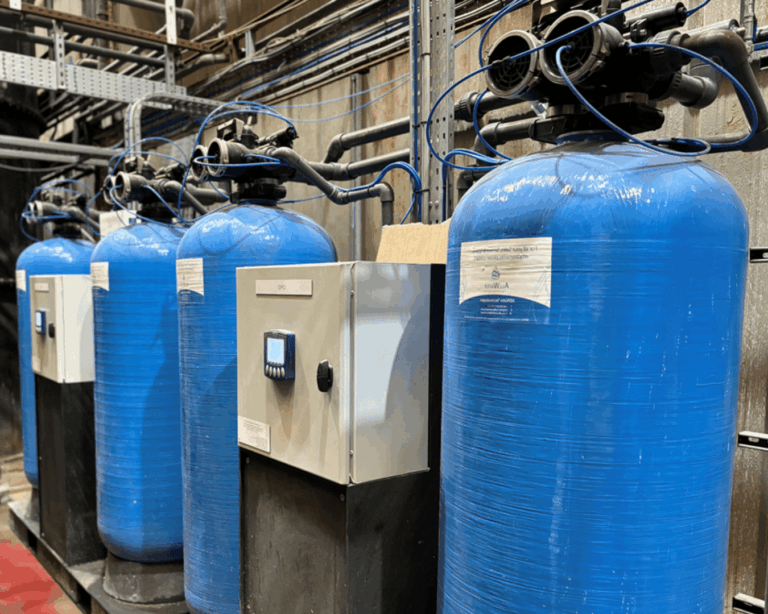
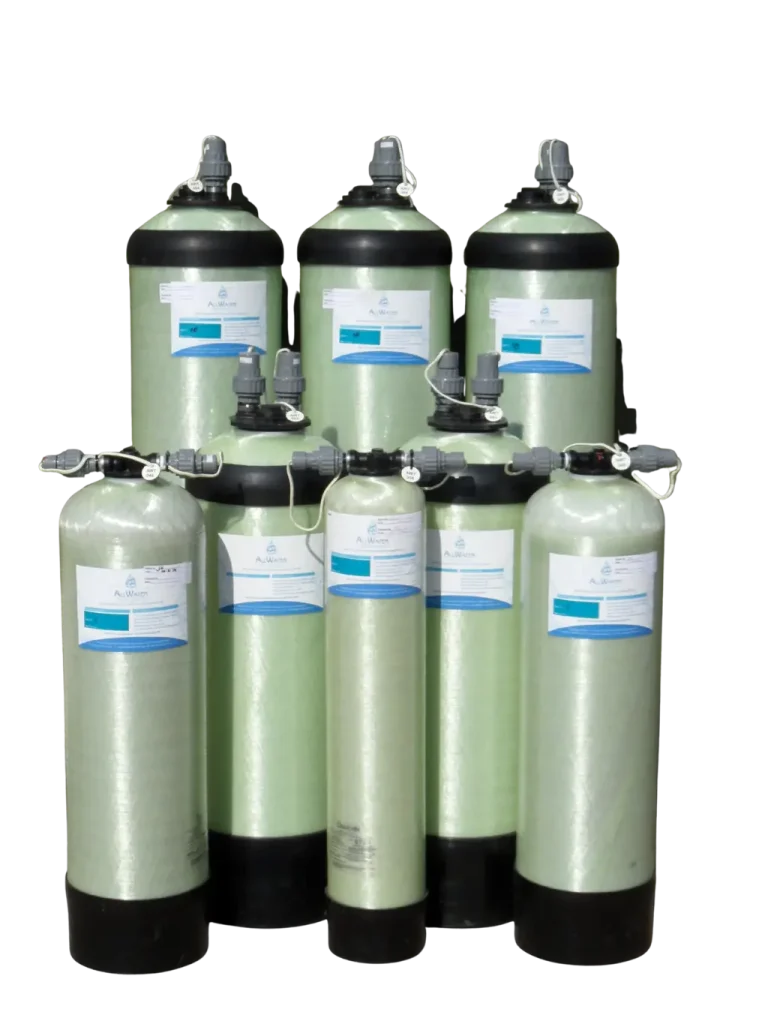
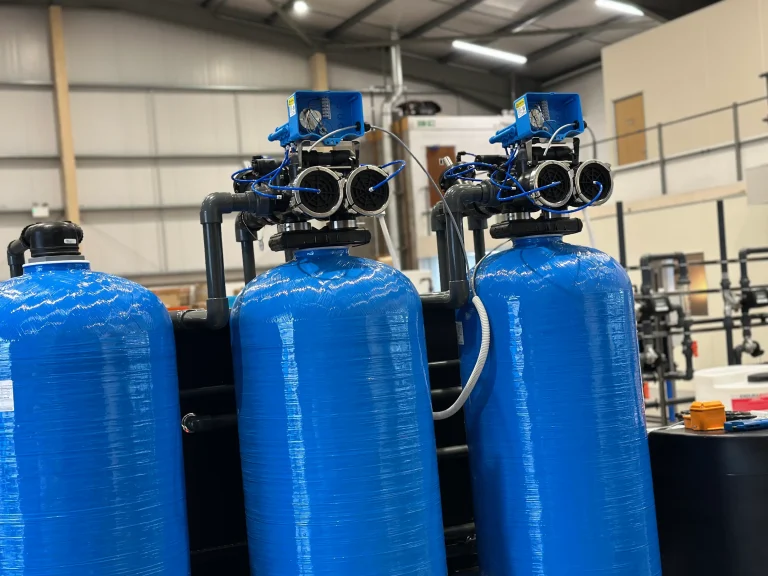
For many data centres, the first practical step is not full recovery. It may be improving the quality of water entering the cooling system using water softening or reverse osmosis. This can reduce scale risk, support higher cycles of concentration and lower avoidable blowdown before more advanced recovery is considered.
Cooling towers lose water through evaporation. As water evaporates, dissolved minerals remain in the circulating water and become more concentrated. To control that concentration, some water is discharged as blowdown and replaced with fresh make-up water.
That blowdown stream is one of the clearest water recovery opportunities in data centres because it already exists as a regular discharge.
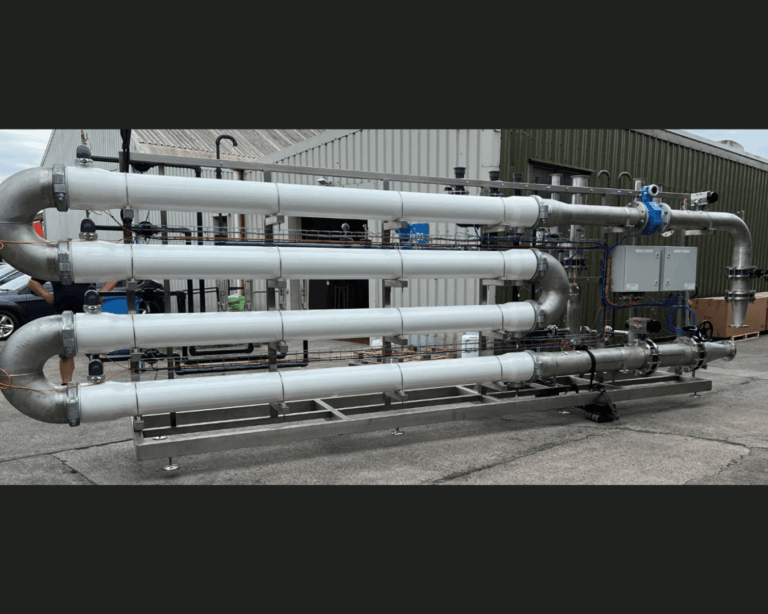
Instead of sending all blowdown to drain, some sites may be able to treat and reuse a proportion of it, often as cooling make-up water. This can reduce mains water demand and lower wastewater discharge volumes.
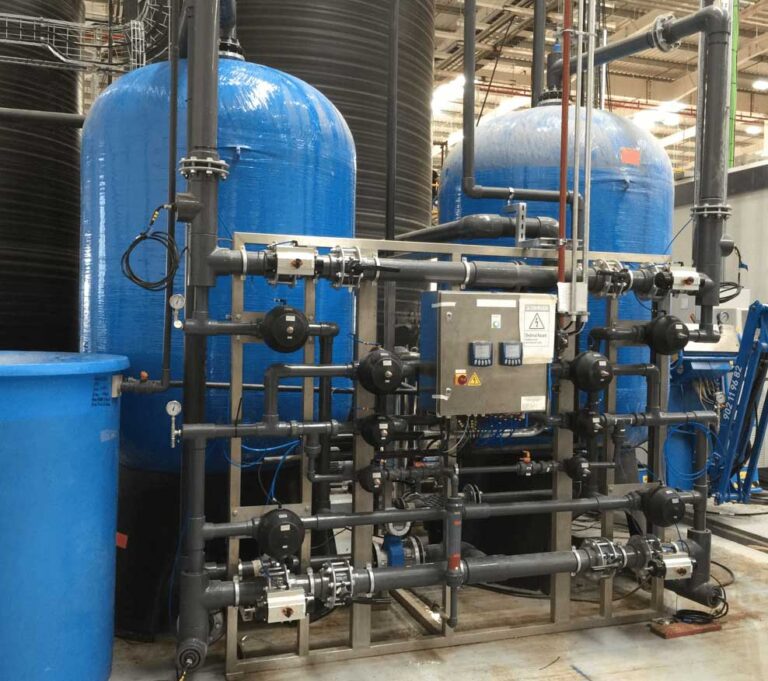
However, cooling tower blowdown treatment is technically sensitive. Blowdown is more concentrated than incoming water. It may contain dissolved salts, treatment chemicals, suspended solids and other contaminants. Recovering it may require filtration, membrane treatment, RO, chemical control and careful reject management.
This is why blowdown recovery should be assessed carefully. It can support sustainability targets, but only where the water quality, flow volume, site layout and commercial case justify the additional complexity.
Cooling tower blowdown recovery is most likely to be worth exploring when a site has:
It is less likely to be the first answer for smaller sites, low-volume systems or projects where the cooling specification can be met through better make-up water treatment alone.
For many data centres, water recovery should be a staged conversation. First, understand water use. Then optimise make-up water. Then assess whether blowdown recovery is technically and commercially viable.
RO has two main roles in data centre water efficiency.
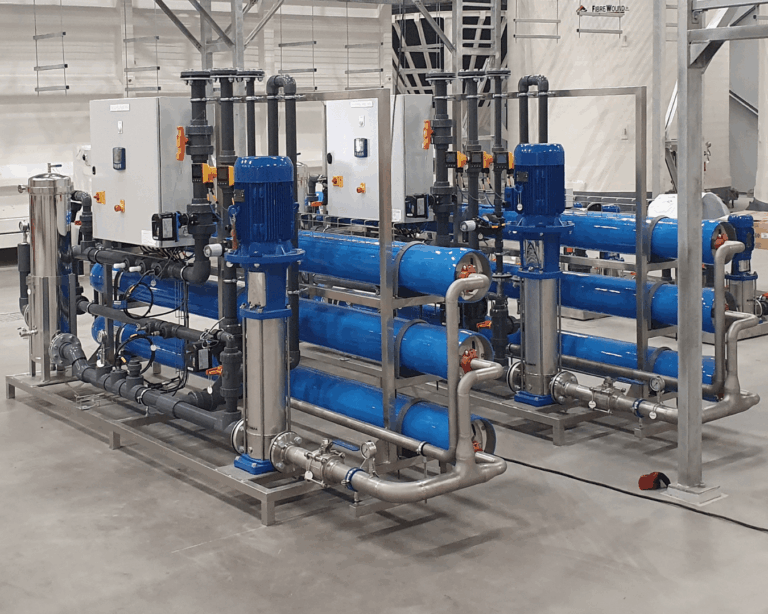
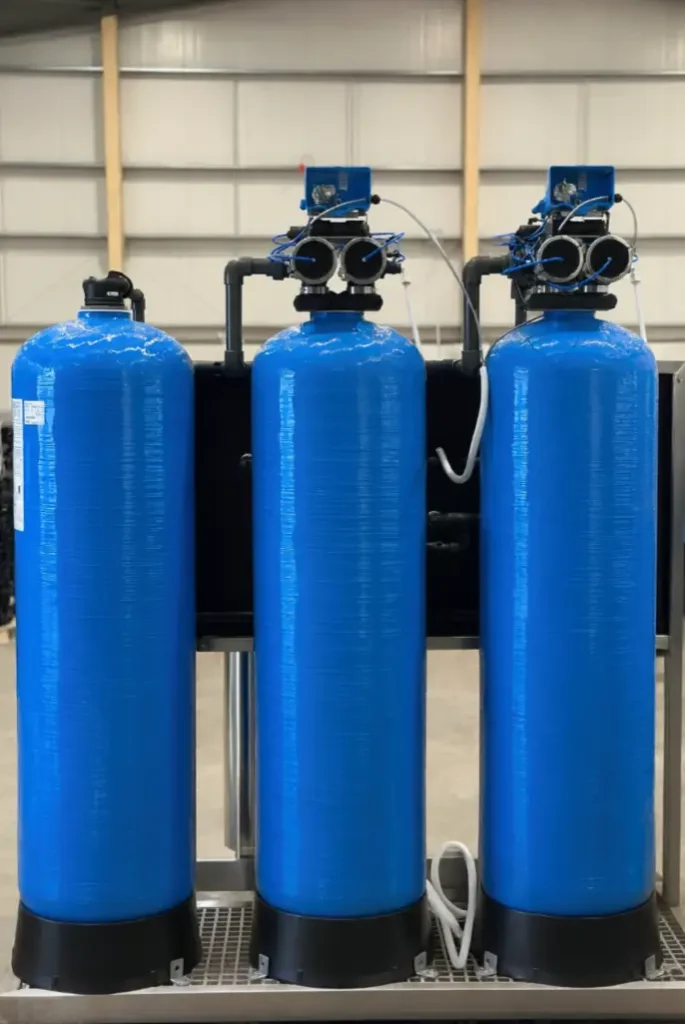
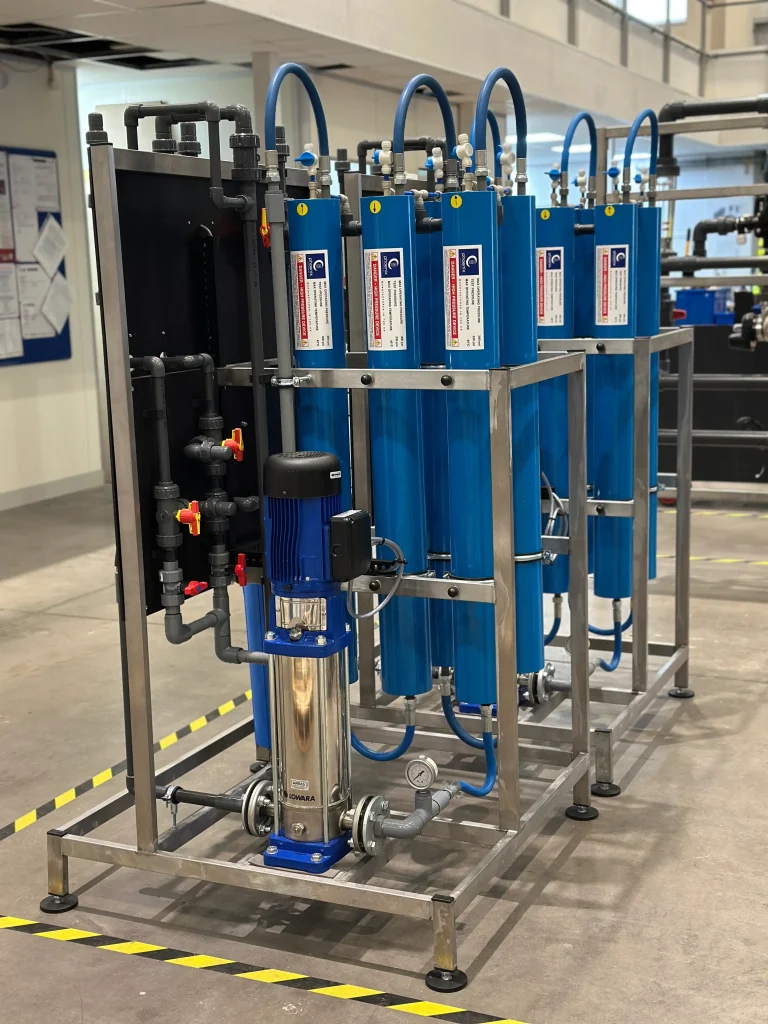
First, it can treat make-up water before it enters the cooling system. By reducing dissolved solids, RO may allow the cooling system to operate at higher cycles of concentration where the chemistry supports it. This can reduce blowdown and help improve water efficiency.
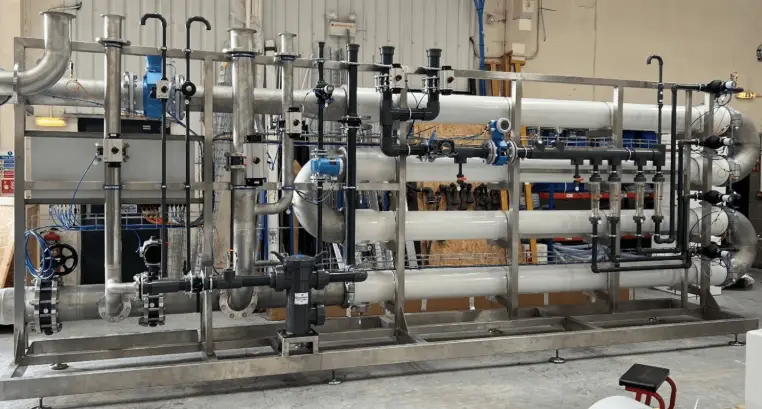
Second, RO can form part of a recovery system, helping treat suitable wastewater streams for reuse. This may include cooling tower blowdown or other recoverable streams, depending on the site.
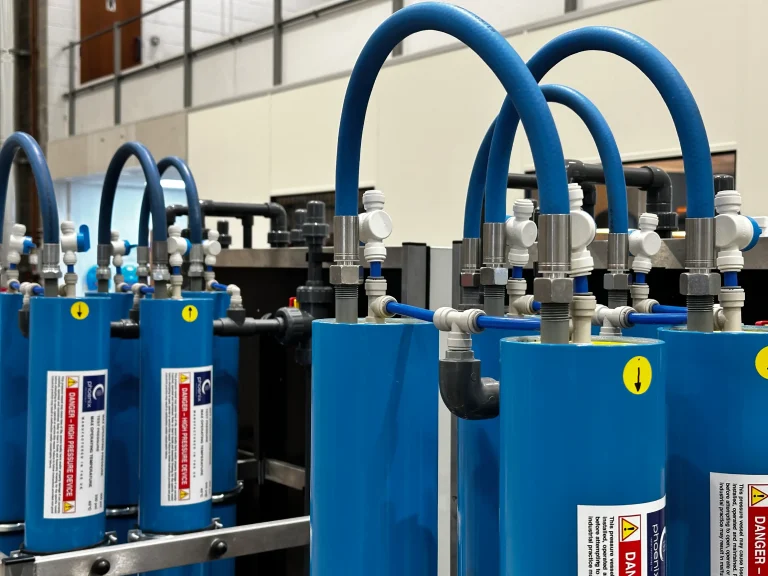
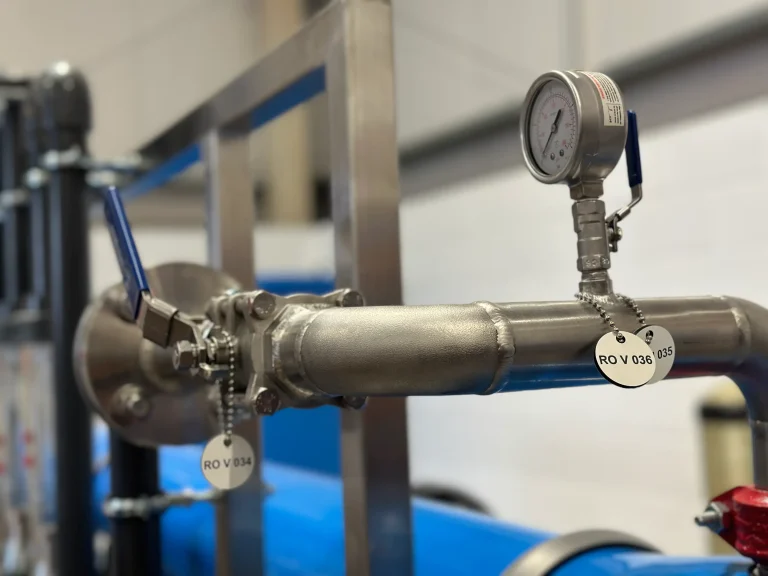
In both cases, RO must be designed around real feedwater data. Recovery rate, membrane selection, pre-treatment, reject management and monitoring all affect long-term performance.
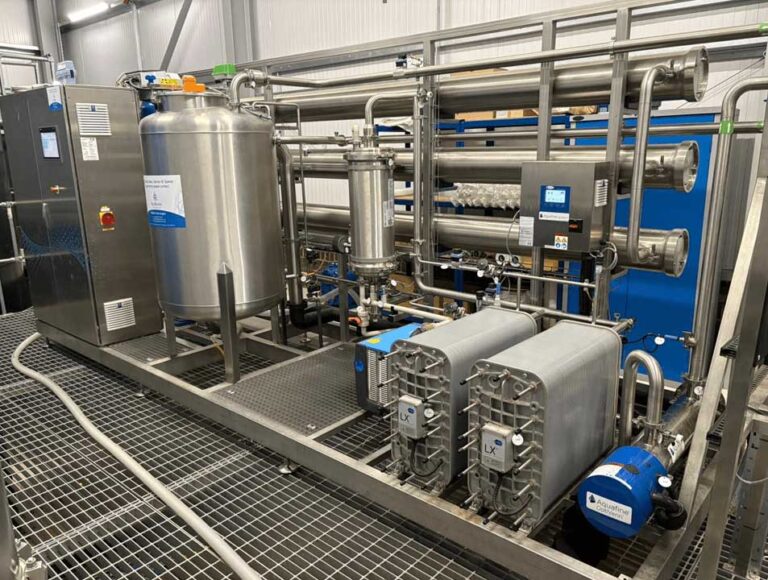
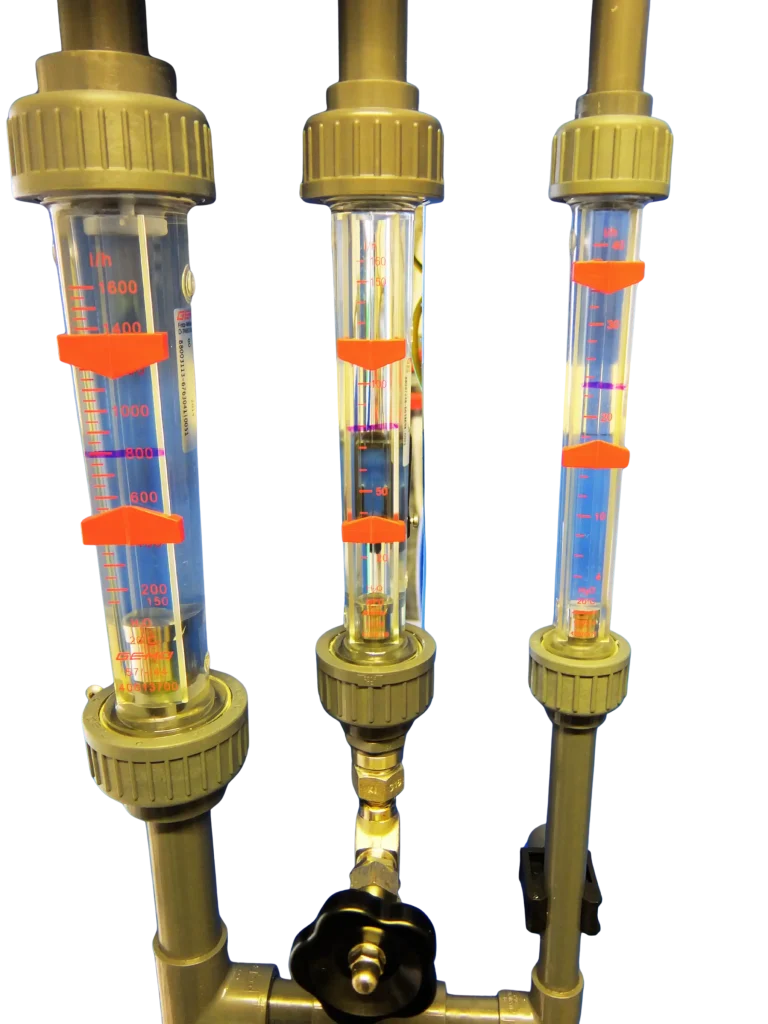
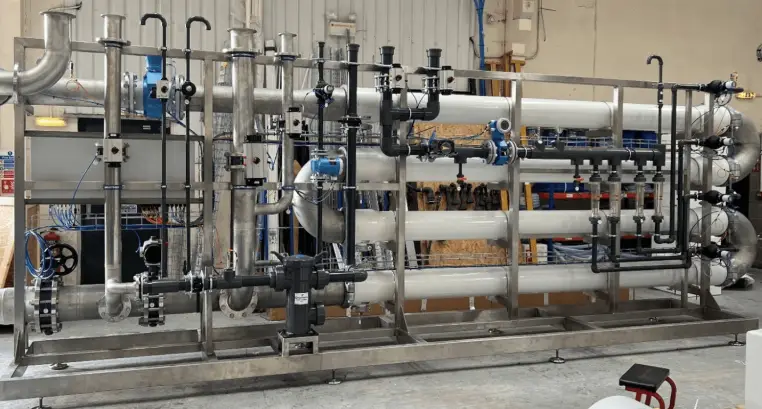
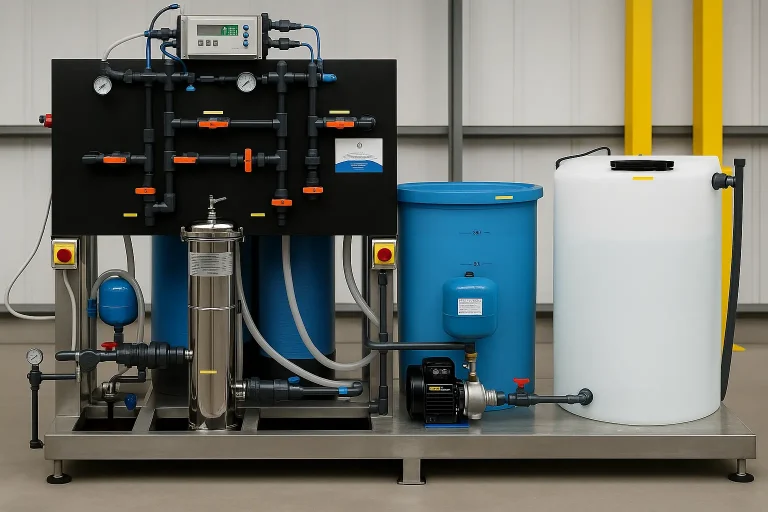
AllWater’s data centre water treatment support includes high-recovery RO systems, membrane waste recovery, monitoring and practical assessment of water quality. Recovery performance should always be based on feedwater analysis and operational modelling, not theoretical assumptions.
Rainwater harvesting is often raised in data centre sustainability discussions. It can reduce reliance on mains water, but it does not always align neatly with cooling demand.
In the UK, the highest cooling water demand often occurs during warmer, drier periods. That means rainwater may be most available when cooling demand is lower, and least available when demand peaks.
Storage can help, but large storage volumes require space and capital investment. Rainwater quality also varies, so treatment may still be needed before it can be used reliably in cooling systems.
Rainwater harvesting can form part of a wider sustainability strategy, but it should not be assumed to solve peak water demand on its own.
Sustainability targets are important, but uptime remains the priority in data centres. A recovery system that saves water but introduces supply risk, unstable water quality or additional maintenance burden will not be acceptable.
For this reason, water recovery systems need to be designed with resilience in mind. Depending on the application, this may include:
Recovered water must be reliable enough for the system it serves. If it is being returned as cooling make-up water, the quality must be consistent and compatible with the cooling equipment and the wider treatment programme.
A water recovery recommendation should be evidence-led. Before recommending a reuse or recovery system, AllWater reviews:
This helps identify whether the opportunity is a simple make-up water improvement, a full blowdown recovery project or something that is not currently worth pursuing.
It also helps decision-makers avoid two common mistakes: overcomplicating a site that only needs better make-up water treatment, or underestimating the value of recovery where the volumes and costs justify it.
For account-based marketing, water recovery is a strong topic because it speaks to several stakeholder groups.
Facilities and engineering teams care about uptime, water quality and maintainability. Sustainability teams care about WUE, reporting and resource use. Finance teams care about lifecycle cost and risk. Developers and consultants care about planning, specifications and environmental expectations.
A good water recovery discussion brings those groups together around measurable questions:
That is where AllWater can add value. The conversation moves from a generic sustainability claim to a practical assessment of water use, recovery potential and operating risk.
Water recovery can support data centre sustainability targets, but only when it is grounded in the real conditions of the site.
Cooling tower blowdown treatment may offer meaningful savings where volumes are high and the water balance supports reuse. RO can improve make-up water quality and form part of a recovery strategy. Rainwater harvesting may contribute in some cases, but seasonal mismatch and storage requirements need careful review.
The best approach is staged and evidence-led. Understand the water balance. Improve make-up water where appropriate. Review discharge and blowdown. Model recovery realistically. Then specify a system that protects cooling reliability as well as sustainability performance.
AllWater Technologies can help data centre operators, developers and project teams assess water recovery opportunities and specify systems that match the site’s actual requirements. Long-term performance can also be supported through planned service agreements, helping systems remain stable, monitored and properly maintained after installation.
If you are reviewing water recovery, cooling tower blowdown treatment or wider data centre water efficiency, AllWater can help assess the practical opportunity before a system is specified.
Speak to AllWater about data centre water recovery requirements and find out whether make-up water treatment, RO, blowdown recovery or a staged water efficiency plan is the right fit for your site.
Water recovery in data centres means treating and reusing suitable water streams rather than sending them straight to drain. This may include cooling tower blowdown, recovered process water or harvested rainwater where the quality and demand profile make reuse practical.
Cooling tower blowdown treatment involves treating the concentrated water discharged from a cooling tower so it can potentially be reused. Treatment may include filtration, membrane technology, RO and chemical control.
Yes, in some cases. Blowdown reuse can reduce mains water demand and wastewater discharge, but it requires careful assessment because blowdown is concentrated and can be more difficult to treat than incoming make-up water.
Water recovery can reduce freshwater demand, lower discharge volumes, support WUE improvement and provide stronger evidence for sustainability reporting. The benefit depends on the site’s water balance and system design.
Rainwater harvesting can support water reduction goals, but it may not match peak cooling demand. In the UK, cooling demand is often highest during warmer, drier periods, so storage and treatment requirements need careful assessment.
It can if it is poorly designed. Recovered water must be consistent, monitored and suitable for the system it serves. Any recovery system should be designed around resilience, maintenance access and cooling reliability.
AllWater can assess water use, review blowdown and discharge streams, specify RO or recovery systems, provide monitoring options and support long-term performance through service agreements.
We’re here to help with all your water treatment needs. Whether you have questions about our services, want to discuss a project, or need support, our team is ready to assist you. Fill out the form for general enquiries, or you are welcome to email direct or give us a call.
Unit 2,
Cheddar Business Park,
Wedmore Road,
Cheddar
BS27 3EB
Mon-Fri: 08:30-17:30 (GMT)