Poor water quality can affect can washer performance in several ways. Some problems appear inside the washer. Others only become visible after drying, decoration or coating.
Common signs include:
- Water spots after drying
- Staining or surface haze
- Inconsistent can brightness
- Blocked or partially restricted nozzles
- Uneven spray coverage
- Scale on heating surfaces or pipework
- Increased chemical consumption
- More frequent manual adjustments
- Higher wastewater load
- Coating or ink adhesion issues
- Increased rejects
- Unplanned cleaning or maintenance stops
These issues often have more than one cause. Dryer performance, washer chemistry, temperature, line speed and maintenance all matter. However, water quality is one of the key variables because it affects every stage of the washer.
A well-designed industrial water treatment system helps control that variable so production teams can focus on the wider process.
Water spots, staining and surface defects
Water spots are often caused by dissolved minerals or contamination left behind when water evaporates. If final rinse water contains too many dissolved solids, those solids can remain on the can surface after drying.
This can lead to visible spots, staining, haze or inconsistent appearance. In a high-speed can manufacturing environment, small defects can become costly very quickly.
The final rinse is especially important because it is often the last water contact before drying and downstream processing. If this rinse is not controlled properly, residues can remain on the surface even when the washer appears to be operating normally.
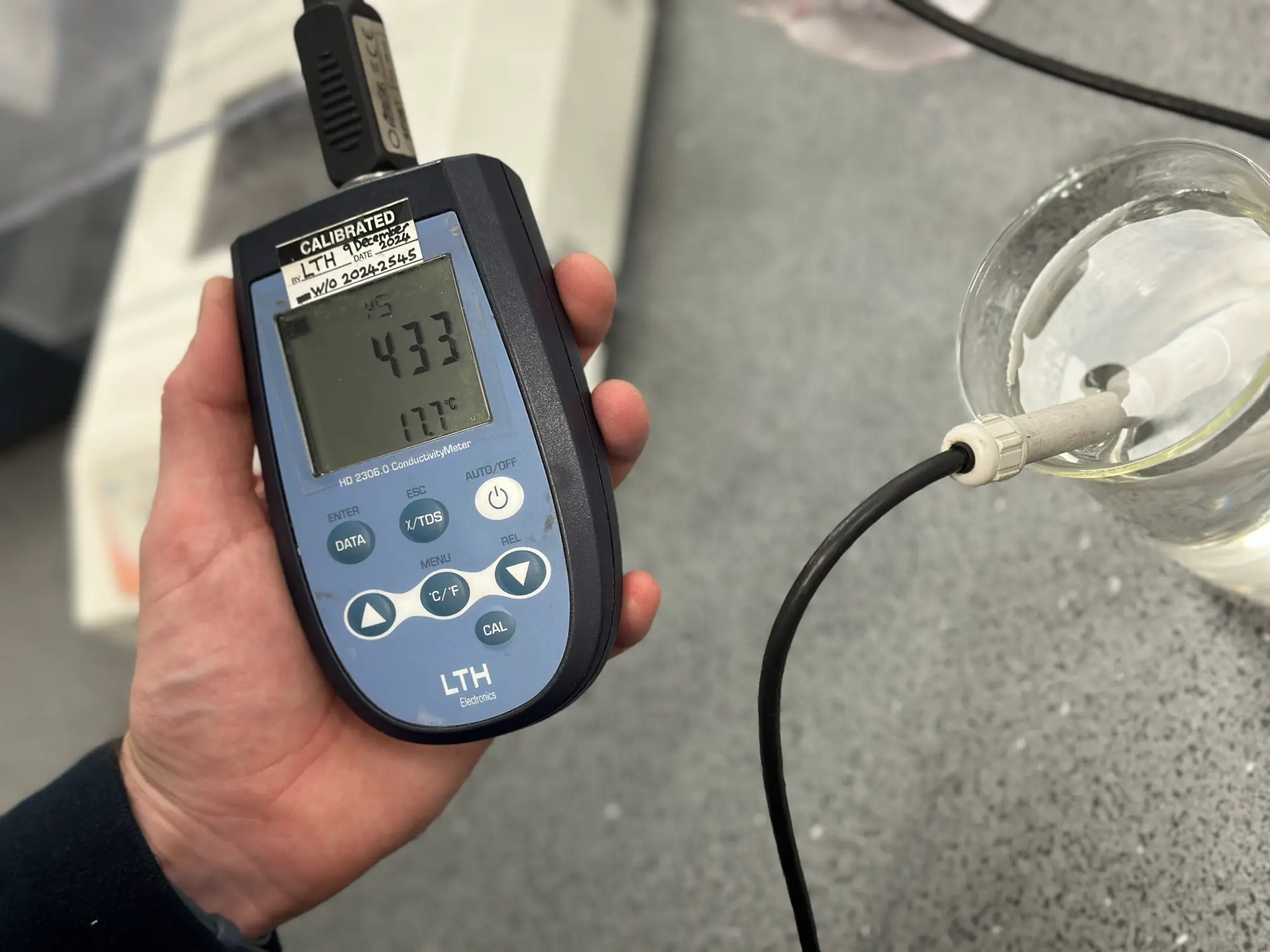
High-quality rinse water helps reduce this risk. By lowering dissolved solids and controlling conductivity, manufacturers can support a cleaner surface, more consistent drying and fewer visible water-related defects.
Scale, blocked nozzles and uneven spray coverage
Hard water can cause scale inside pipework, spray bars, nozzles, heat exchangers and washer components. As scale builds, it can restrict flow and affect spray pattern consistency.
In a can washer, spray coverage is critical. If nozzles become partially blocked or spray distribution becomes uneven, some cans may not receive enough washing or rinsing contact. This can create inconsistent cleaning, poor residue removal and greater variation between cans.
Scale can also reduce heat transfer, which may affect temperature control and energy efficiency. Over time, this can increase maintenance demands and make the washer harder to keep stable.
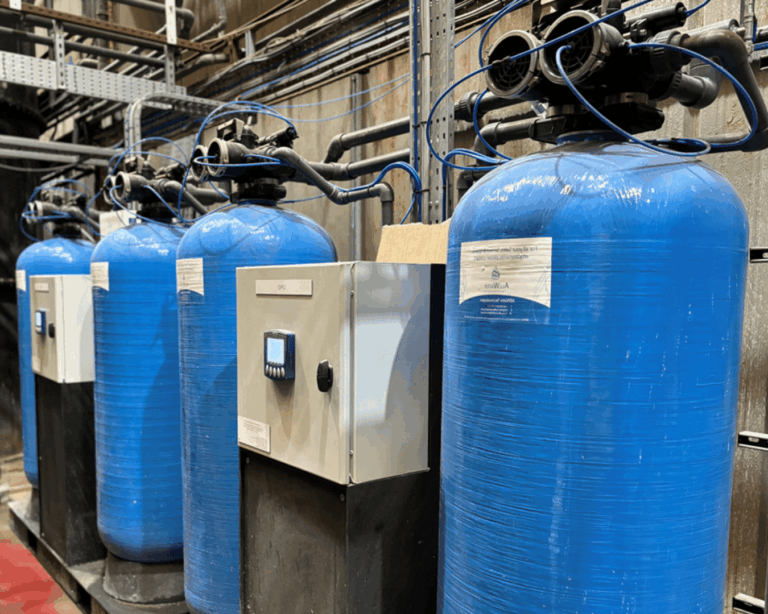
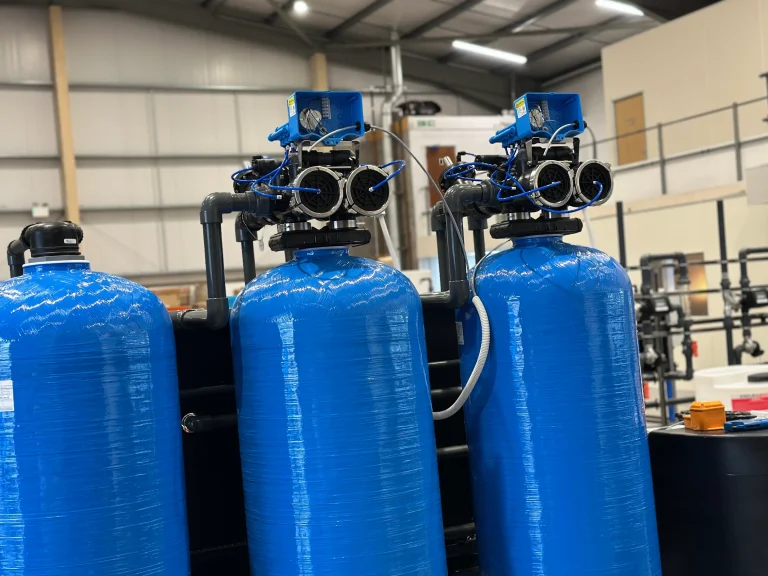
A correctly specified water softener can help reduce hardness before it causes scale in the washer or downstream treatment equipment. It may also help protect reverse osmosis membranes, depending on the overall system design.
Suspended solids, aluminium fines and washer contamination
Can washing involves the removal of oils, lubricants, aluminium fines and process residues. If solids are not controlled effectively, they can circulate through the system and increase the load on pumps, tanks, strainers and nozzles.
Suspended solids can also affect rinse quality. Fine particulate contamination may settle in low-flow areas, restrict spray equipment or interfere with downstream treatment stages.
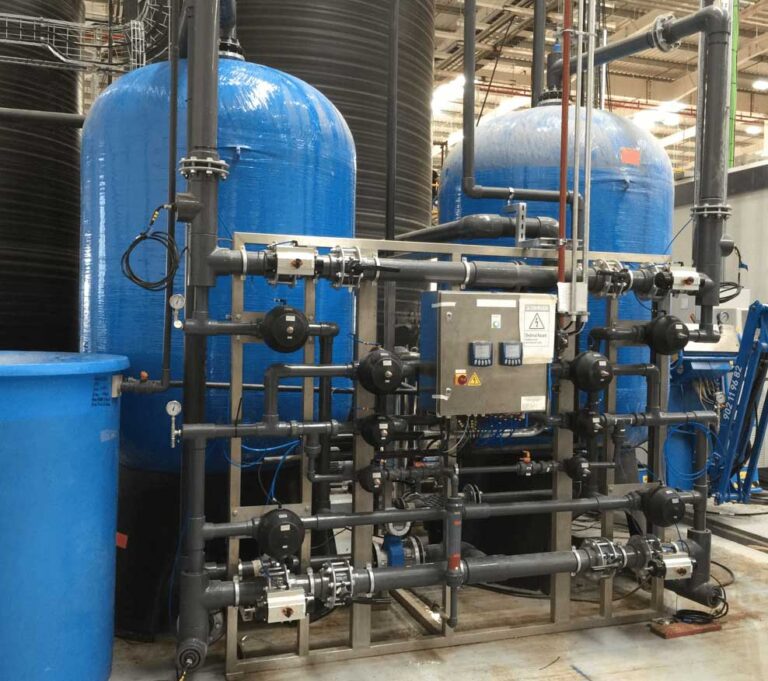
This is where filtration becomes important. Industrial water filters can help remove particulate contamination, protect equipment and support more stable water quality across the washer.
The exact filtration approach depends on the process. A can washer may require pre-filtration, side-stream filtration, cartridge filtration, media filtration or protection upstream of reverse osmosis and deionisation systems.
The aim is not simply to remove visible solids. It is to protect spray performance, reduce avoidable maintenance and maintain consistent process conditions.
Chemical balance and process consistency
Can washer chemistry depends on the correct balance of water quality, chemical concentration, temperature, contact time and flow.
If incoming water quality changes, the chemistry can become harder to manage. High dissolved solids, variable conductivity, excessive hardness, incorrect pH or contamination can all increase chemical demand or reduce consistency.
This can lead to more frequent manual correction, higher chemical consumption and less predictable results. It may also increase the load on wastewater treatment, particularly where oils, surfactants, aluminium or fluoride need to be controlled before discharge.
Good water treatment does not replace process chemistry control. It supports it by providing more consistent make-up and rinse water, so the washer chemistry can perform as intended.
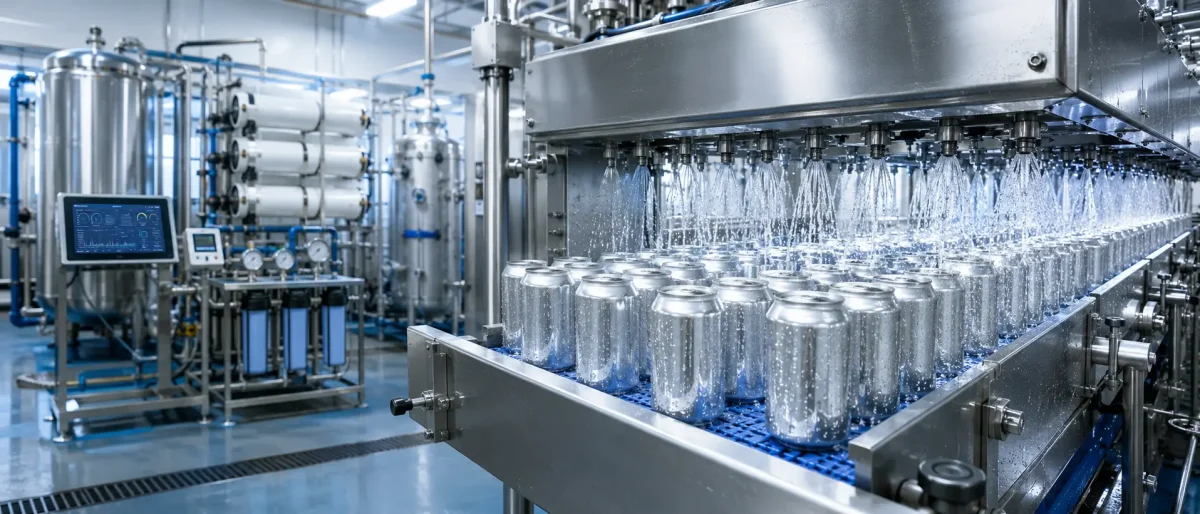
The final rinse is one of the most important water quality stages in can washer performance.
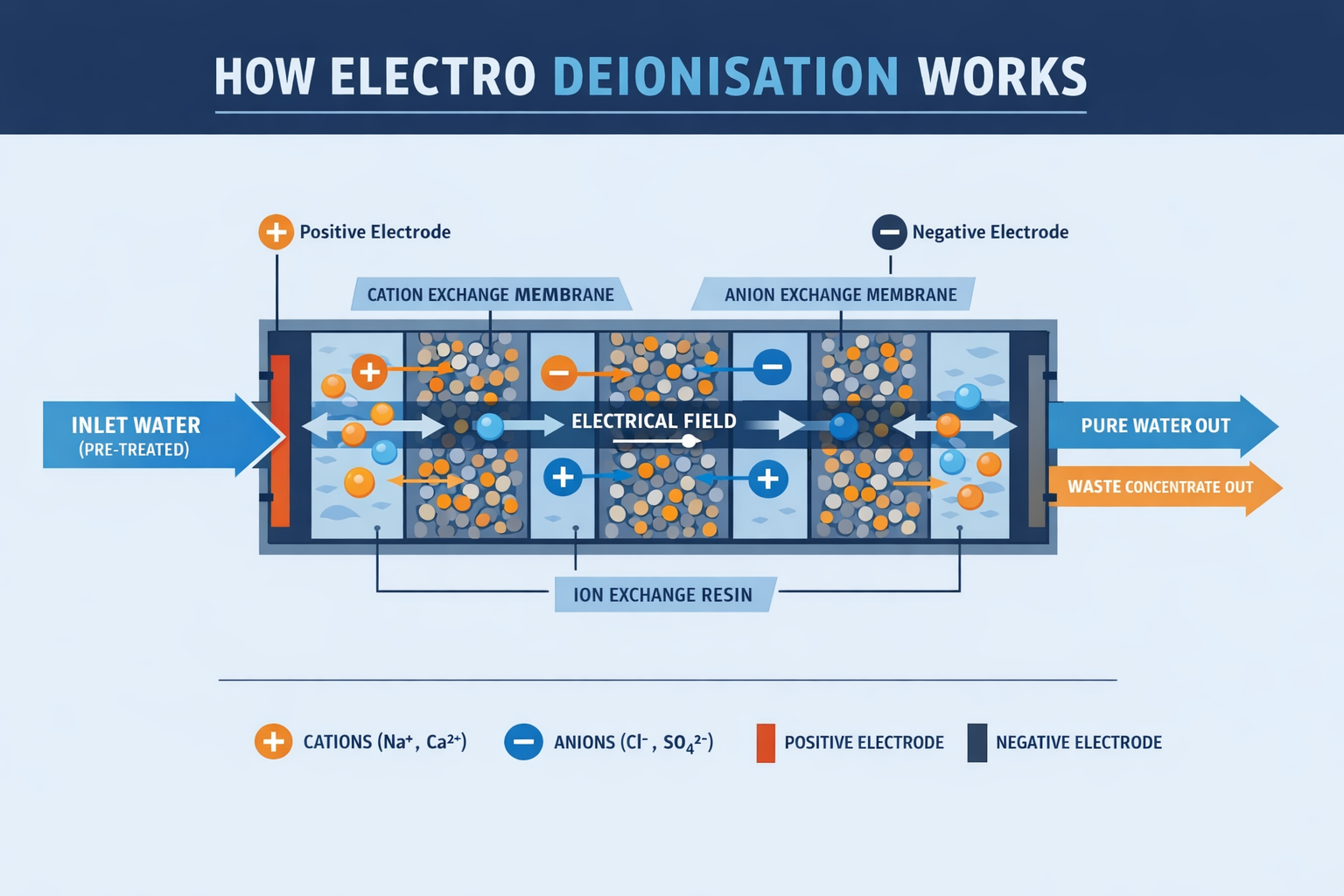
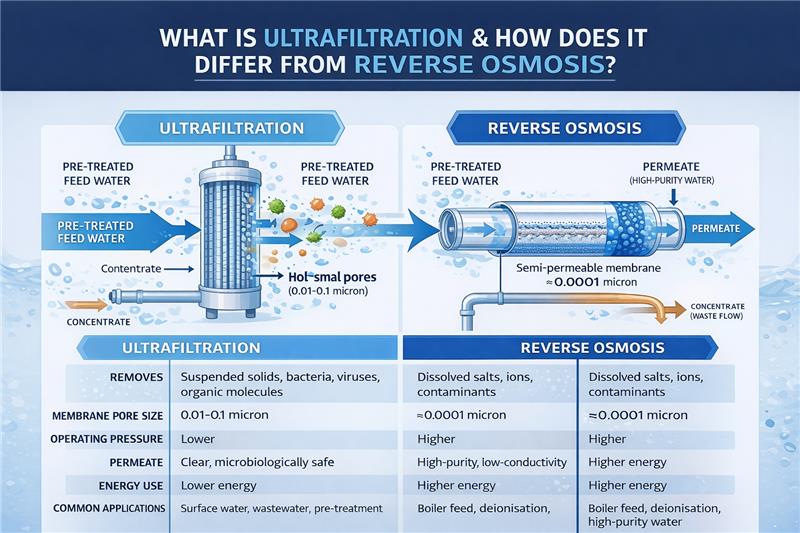
Its role is to remove the last traces of process chemistry and dissolved contamination before drying. In many can manufacturing lines, this stage uses low-conductivity reverse osmosis water, deionised water or a combination of both.
As explained in this overview of the beverage can washer process, can washing typically involves multiple stages, including pre-rinse, pre-wash, wash, treatment stages and final rinsing. The final high-purity rinse helps achieve a cleaner surface before the can moves into drying and downstream operations.
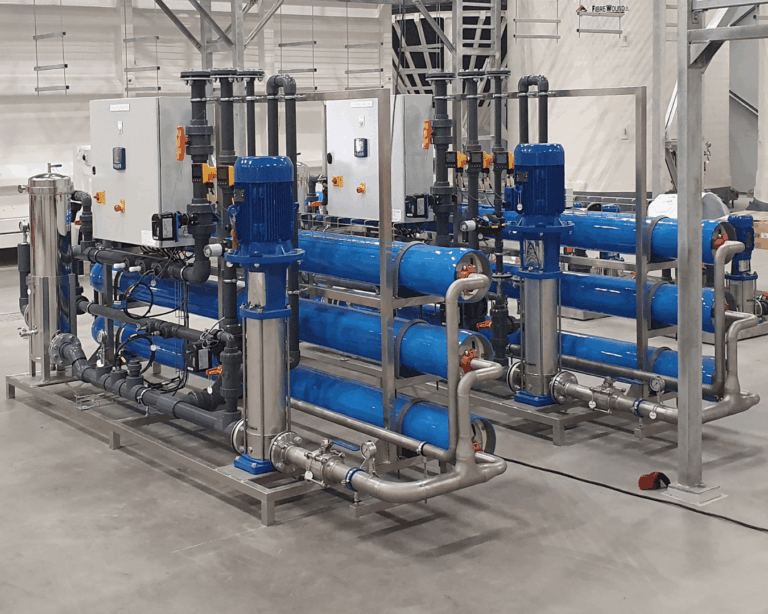
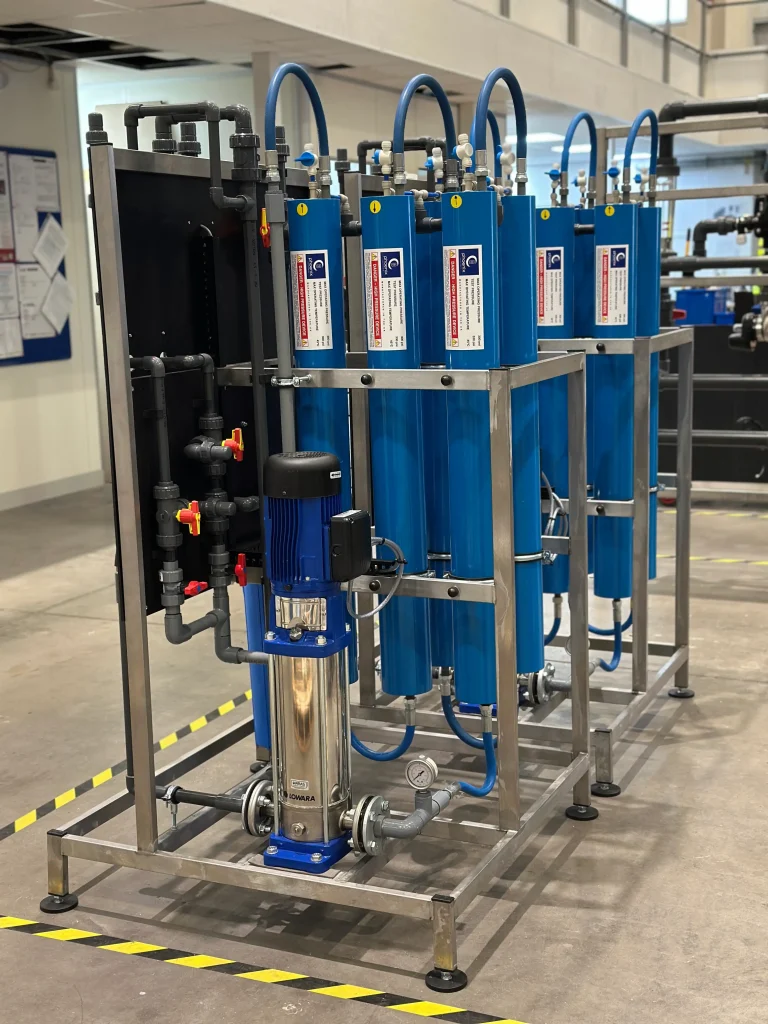
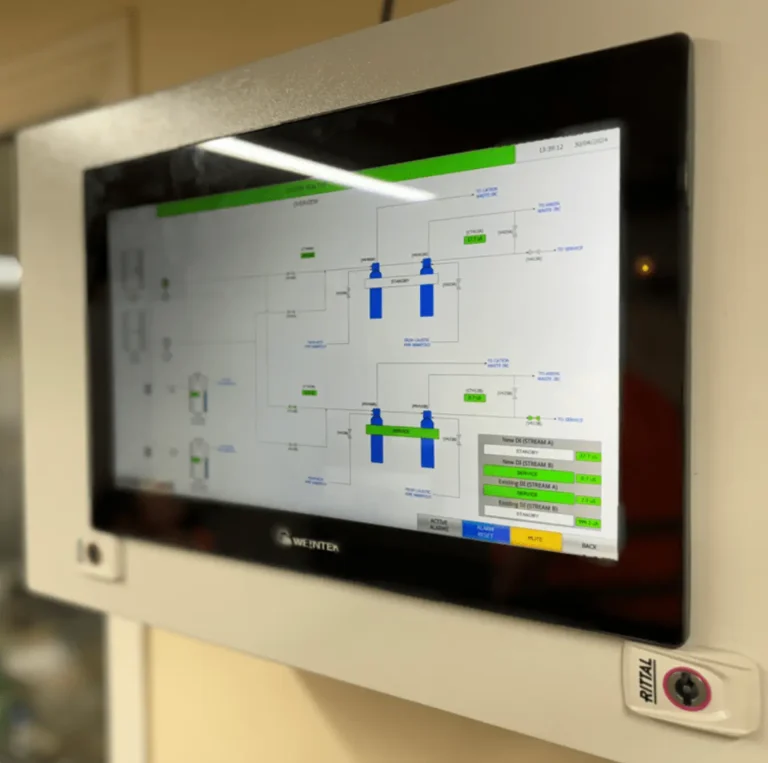
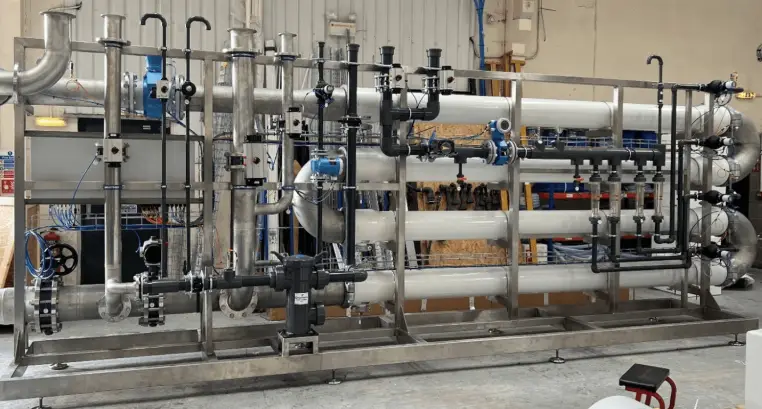
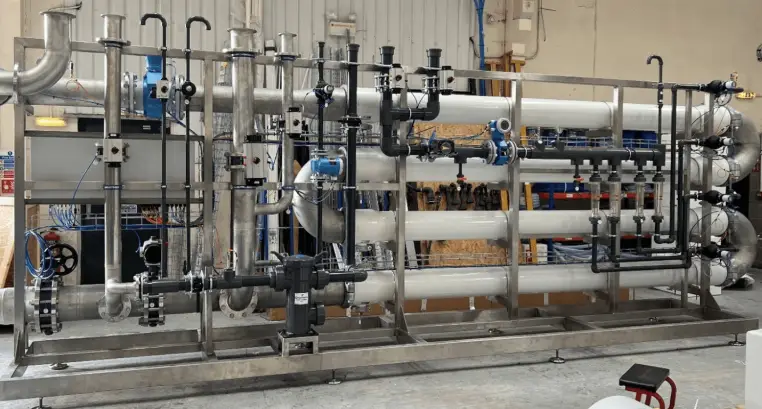
AllWater’s Al Jomaih Cans & Ends Making Plants case study shows why this matters in practice. Al Jomaih required consistently high-purity rinse water for can manufacturing, with a target conductivity below 10 µS. AllWater designed and supplied a fully automated twin-pass reverse osmosis system to deliver reliable rinse water while protecting production uptime.
For manufacturers running high-speed lines, final rinse quality is not a finishing detail. It is one of the stages that helps determine whether cans leave the washer ready for the next process.