In beverage can production, the final rinse is a small stage with a major influence on quality. By the time cans reach this point, oils, lubricants, aluminium fines and process residues should already have been removed by the earlier washer stages. The final rinse then has one main job: leave the can surface clean enough for drying, coating, decoration or filling.
This is where low-conductivity rinse water becomes important.
Conductivity measures the amount of dissolved ionic material in water. The higher the conductivity, the more dissolved salts and minerals are present. In a final rinse, those dissolved solids can remain on the can surface as the water evaporates. This can lead to spotting, staining, haze or inconsistent surface finish.
For high-speed beverage can lines, those small surface issues can quickly become large production problems. Low-conductivity water helps reduce the risk by limiting the mineral residue left behind after rinsing and drying.
A can washer usually has several stages, including pre-rinse, wash, chemical treatment, intermediate rinses and a final rinse. Earlier stages remove heavy contamination. Later stages remove the remaining chemistry and prepare the surface for the next process.
The final rinse is important because it is often the last water contact before the dry-off oven. If that water contains too many dissolved solids, the dryer may remove the water but leave the minerals behind.
That residue can affect:
This is why final rinse water is often treated to a higher standard than water used earlier in the washer.
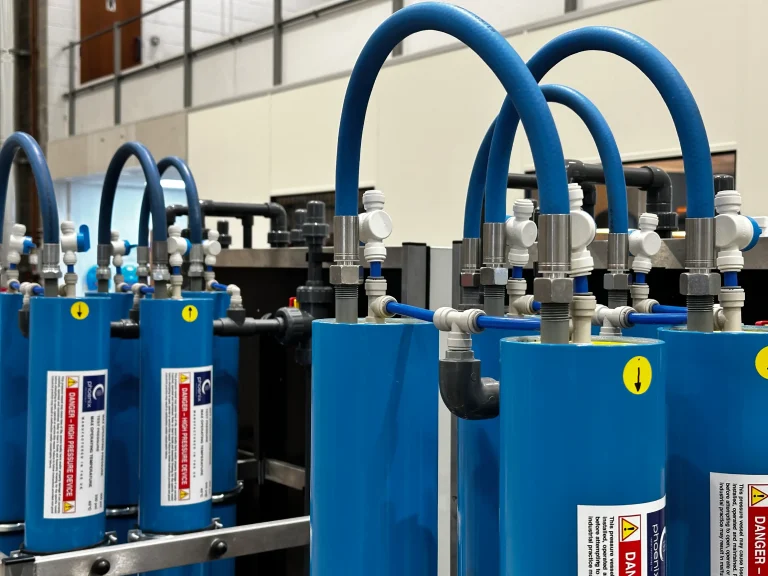
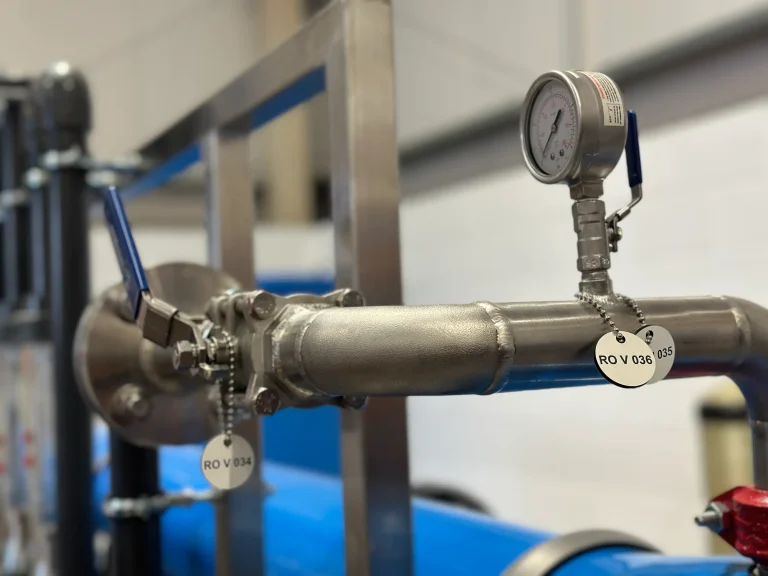
Low-conductivity water has a reduced level of dissolved ions. In can production, it is usually produced by reverse osmosis, deionisation or a combination of both.
RO removes a high proportion of dissolved salts and minerals using membrane separation. Deionisation, also known as demineralisation, can be used where a further reduction in conductivity is needed.
The exact conductivity target depends on the line, product specification and process requirements. The important point is consistency. A rinse water system must produce water within the required range throughout production, including peak demand and after maintenance.
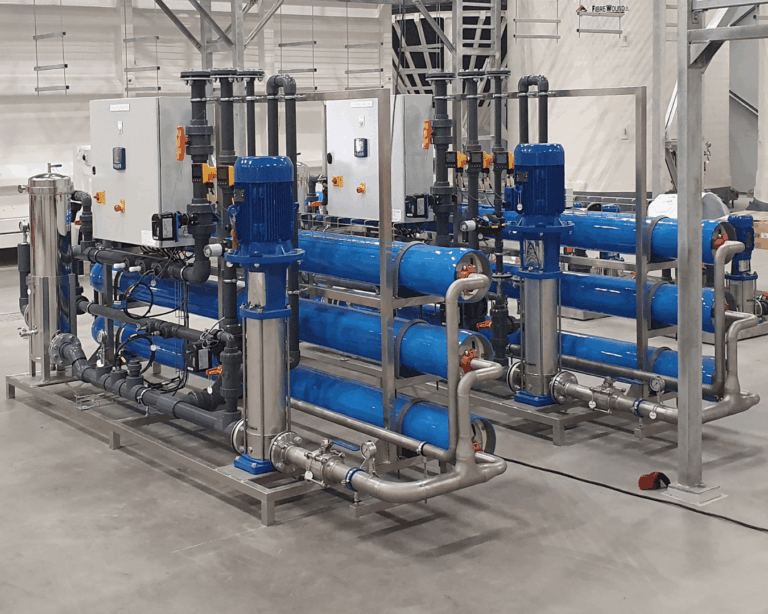
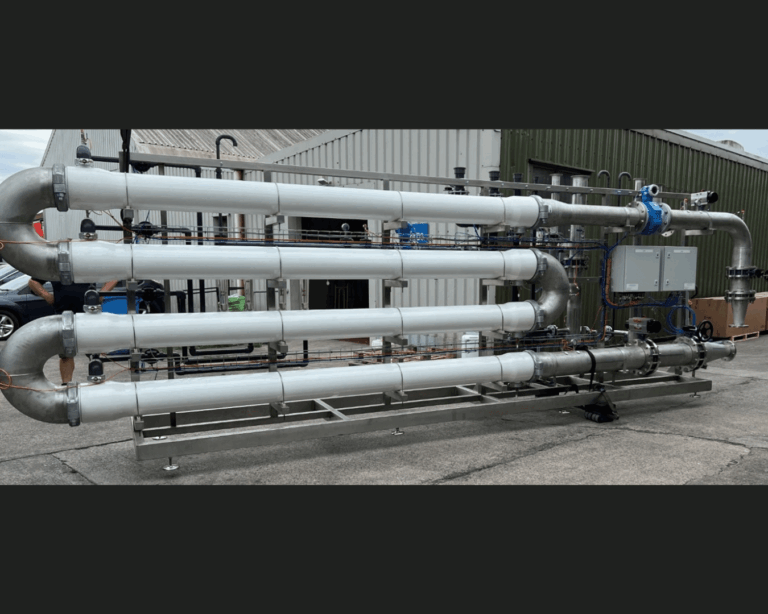
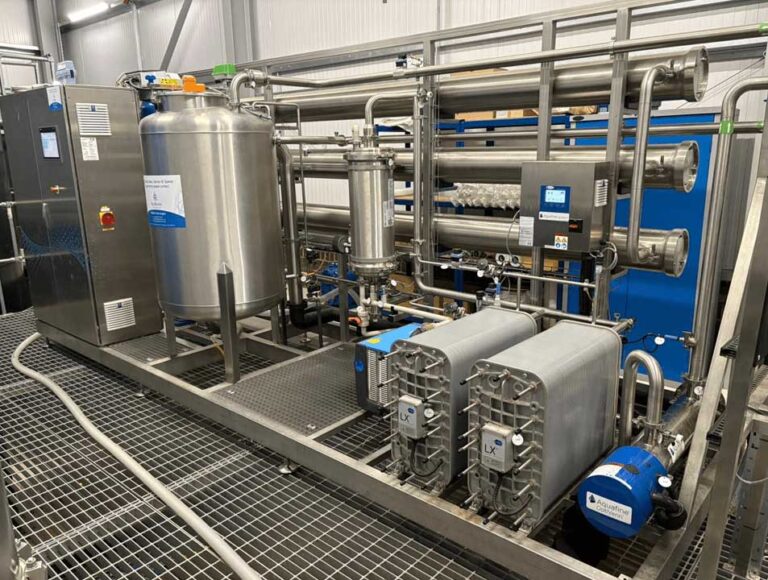
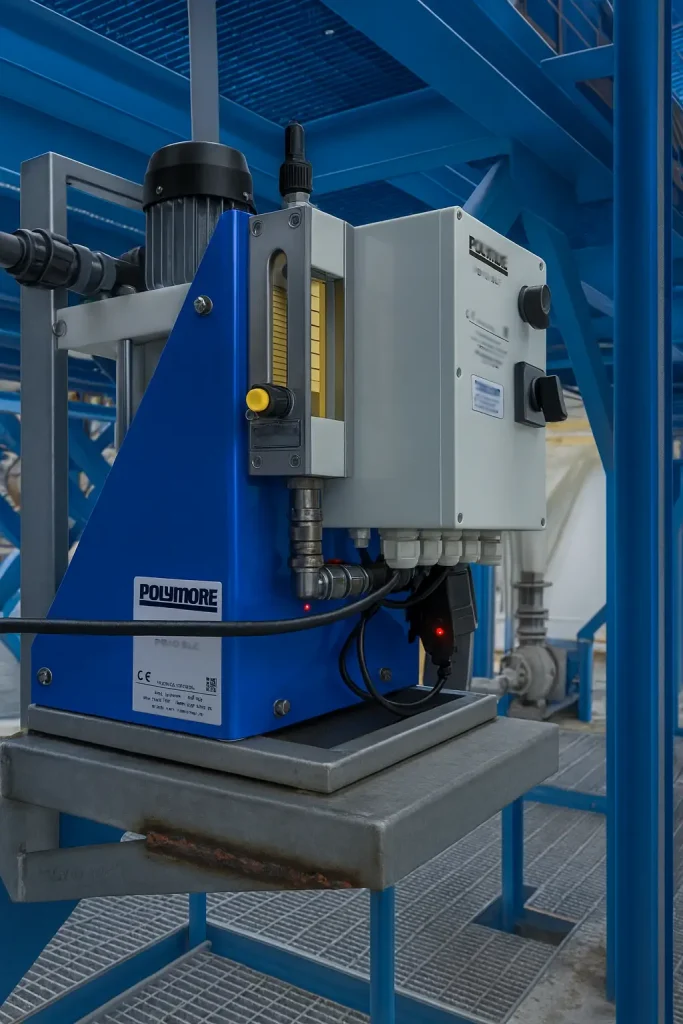
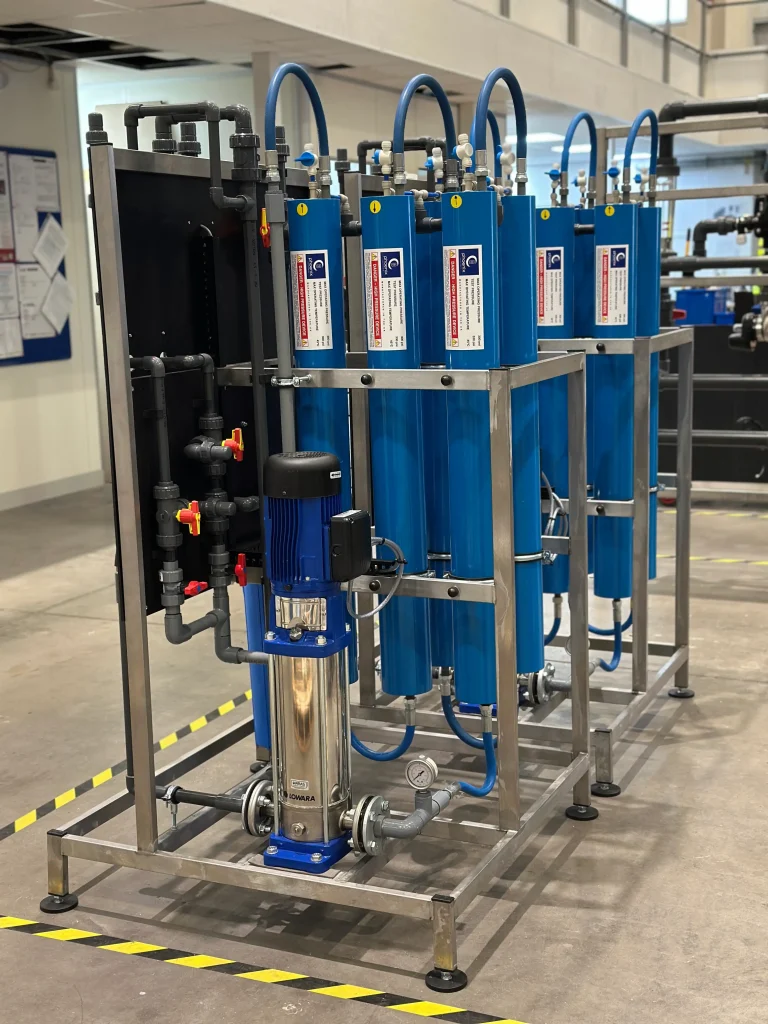
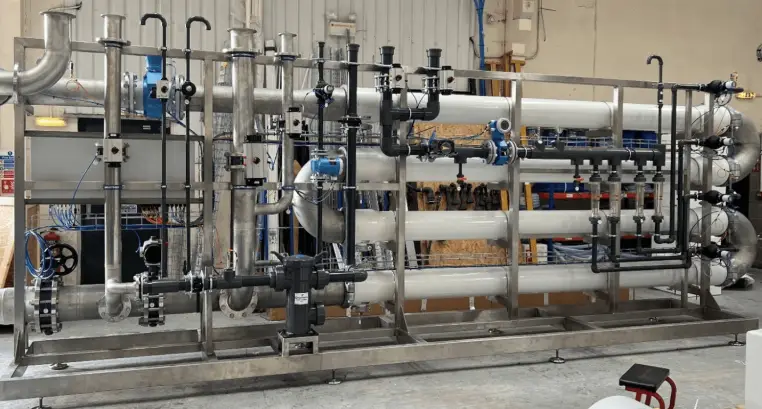
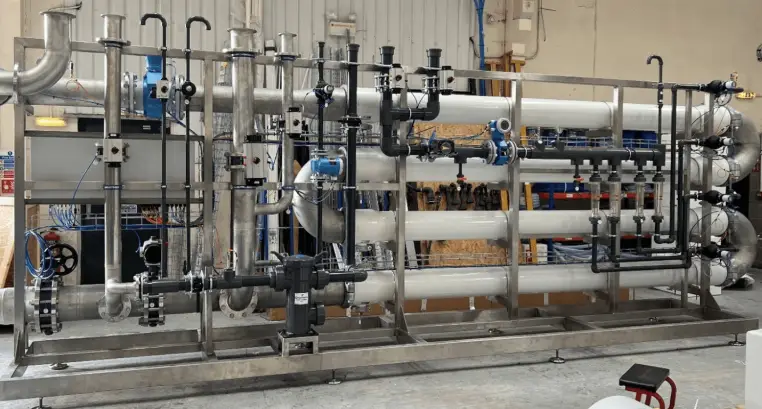
AllWater’s Al Jomaih Cans & Ends Making Plants case study is a clear example. The project required high-purity water for process solution make-up and rinsing, with conductivity below 10 µS. AllWater supplied a fully automated twin-pass RO system designed to protect water quality and production uptime.
Poor rinse water quality does not always cause an obvious issue immediately. A can may leave the washer looking acceptable, but dissolved minerals, chemical carryover or fine residues can still affect later stages.
Common rinse-related issues include:
These problems can be frustrating because they may appear downstream from the washer. Production teams may investigate coating, dryer or decoration settings before tracing the issue back to rinse water conductivity.
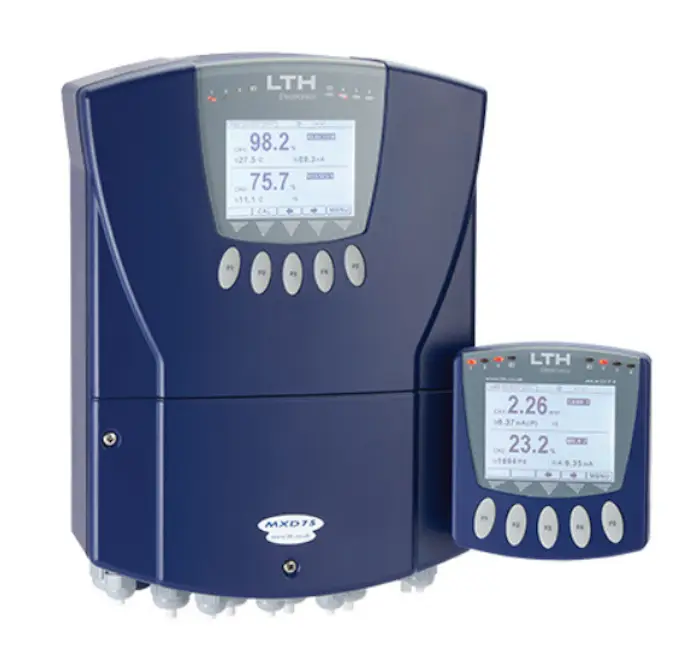
That is why monitoring matters. Conductivity gives operators a simple, useful signal that rinse water quality is changing before the issue becomes visible at scale.
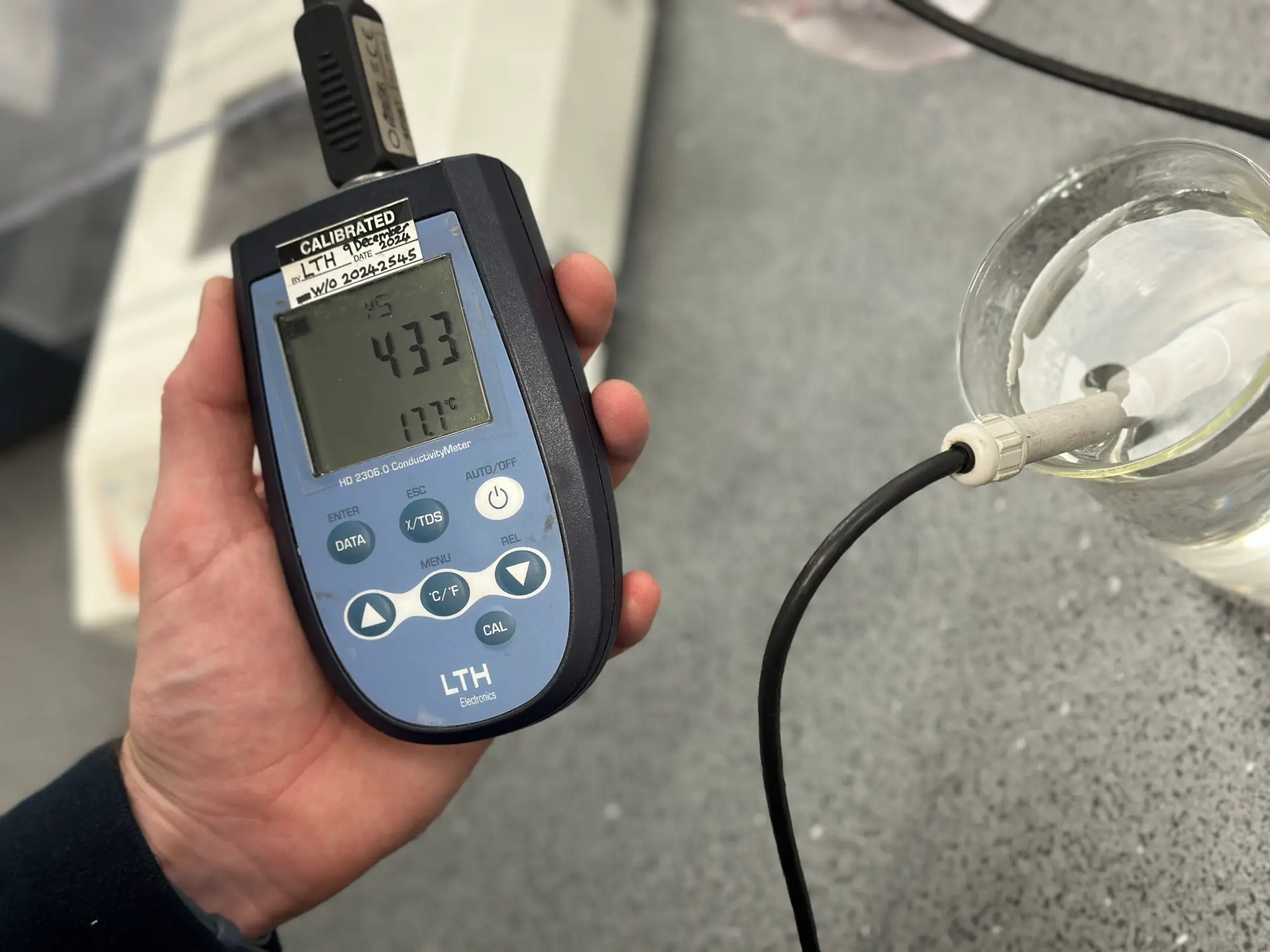
Conductivity monitoring helps production teams understand whether rinse water quality is within the expected range.
A rising conductivity reading may suggest:
On a high-speed beverage can line, early warning is valuable. If final rinse water drifts out of range, a large number of cans can be affected quickly.
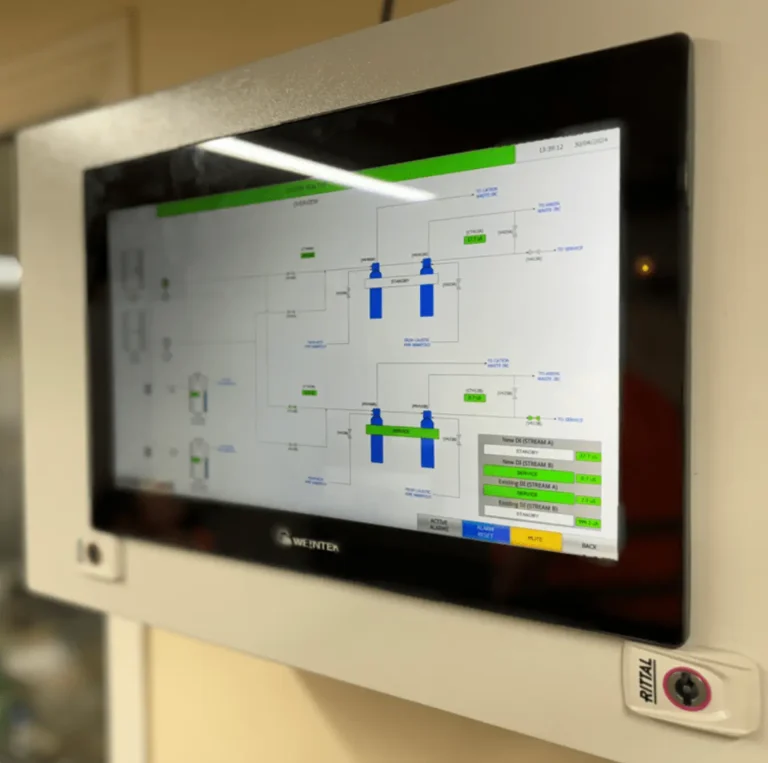
Conductivity data also helps with process control. It gives operators and maintenance teams a measurable value to review, rather than relying only on visual checks after defects appear.
Not every stage of a can washer needs low-conductivity water. Earlier stages may only need filtration, softening or controlled make-up water. The final rinse usually has the highest quality requirement because it directly affects the surface left after drying.
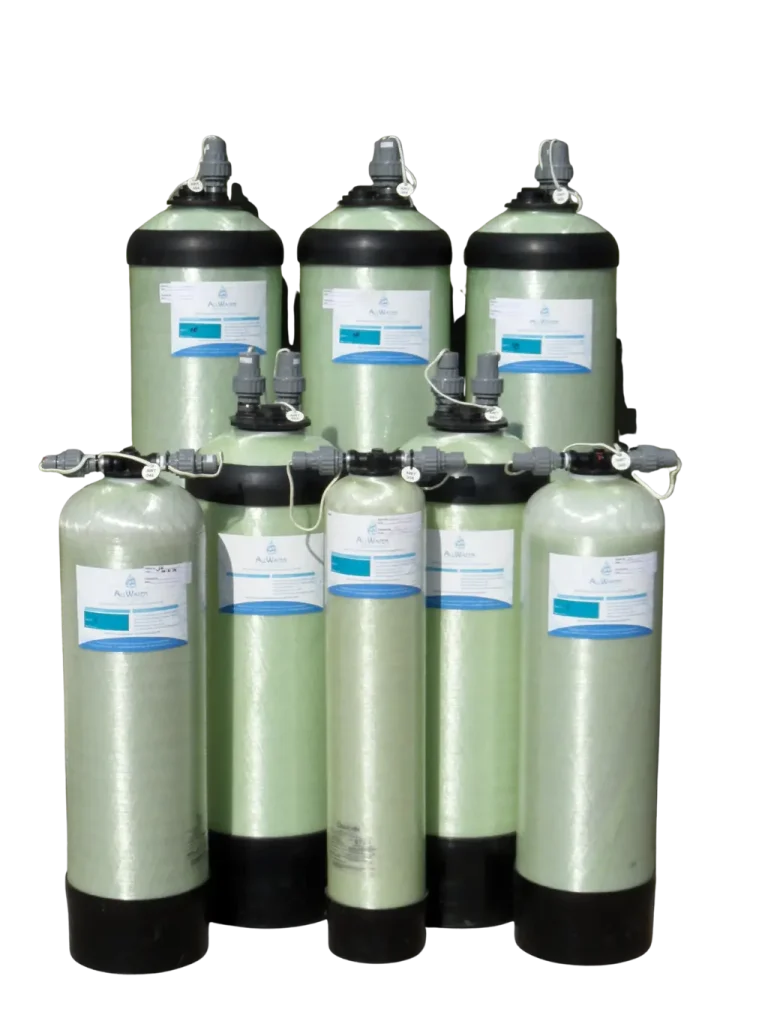
For many lines, RO water may be sufficient. Where very low conductivity is required, RO may be followed by DI polishing.
The decision should be based on:
The aim is not to over-treat every water stream. It is to use the correct water quality at the point where it has the most impact.
The surface left after washing must be ready for the next production stage. If final rinse water leaves mineral residue, chemical traces or dissolved salts, coatings and inks may not behave consistently.
This can affect adhesion, appearance or downstream quality checks. Even where the defect is small, the speed of beverage can production means it can create significant waste if it is not caught quickly.
Low-conductivity rinse water helps reduce this risk by giving the can a cleaner final water contact before drying. It supports repeatability, which is essential where production runs are fast and quality requirements are tight.
Many can washers are designed to use water efficiently across multiple stages. Fresh RO or DI water may enter at the cleanest final rinse stage, then flow back through earlier stages where the cans are more contaminated.
This backflow approach helps make better use of high-quality water rather than sending it straight to drain after a single use.
However, it also means rinse design, conductivity control and water balance need to work together. If conductivity rises too far, water quality may no longer support the final rinse requirement. If too much fresh water is used, running costs and wastewater volumes increase.
The best system balances rinse quality, water use and production reliability.
AllWater Technologies has direct experience supporting can manufacturing and beverage production sites with low-conductivity water systems.
At Al Jomaih Cans & Ends Making Plants, AllWater supplied a twin-pass RO system to deliver high-purity water for process solution make-up and rinsing below 10 µS conductivity.
AllWater also provided a complete turnkey water treatment system for Kingsley Beverages, where the production requirement was water below 10 µS/cm alongside wastewater treatment to meet local discharge consent limits.
These projects show why beverage can production often needs an integrated approach. The site may require RO, DI polishing, filtration, storage, monitoring, automation, wastewater treatment and service support working together.
A low-conductivity rinse water system must remain stable after installation. RO membranes can foul. Filters can load. DI resin can exhaust. Conductivity probes need checking. Feedwater quality can change.
Planned service agreements help maintain performance through routine checks, consumable replacement, testing, optimisation and reporting.
Where a production issue needs investigation, technical support for water systems can help identify whether the cause sits with feedwater, RO performance, DI exhaustion, rinse design, storage contamination or wider washer operation.
Before specifying a rinse water treatment system, manufacturers should confirm:
Low-conductivity rinse water matters because it controls one of the last variables before drying. In beverage can production, that can make the difference between a surface that simply looks washed and a surface that is ready for coating, decoration and customer approval.
Speak to AllWater about rinse water treatment for beverage can production.
Low-conductivity rinse water is water with a reduced level of dissolved ionic material. It is often produced using reverse osmosis, deionisation or both.
It helps reduce mineral residue, spotting, staining and surface inconsistency after the final rinse and drying stage.
RO water may be enough for some lines. Others may need DI polishing to reach a lower conductivity target.
Conductivity shows how much dissolved ionic material is present. A rising reading can indicate that rinse water quality is drifting.
Yes. AllWater supplies RO, demineralisation, filtration, monitoring, wastewater treatment and service support for can manufacturing and beverage production sites.
We’re here to help with all your water treatment needs. Whether you have questions about our services, want to discuss a project, or need support, our team is ready to assist you. Fill out the form for general enquiries, or you are welcome to email direct or give us a call.
Unit 2,
Cheddar Business Park,
Wedmore Road,
Cheddar
BS27 3EB
Mon-Fri: 08:30-17:30 (GMT)