In aerospace manufacturing, small variations can have serious consequences. Components are often exposed to demanding operating conditions, strict quality requirements and detailed customer specifications. Every stage of production needs to be controlled, documented and repeatable.
Water quality is part of that control.
High-purity water is used across aerospace manufacturing for surface treatment, component rinsing, cleaning, coating preparation, machining support, testing, cleanroom washing and process make-up. In many of these applications, standard mains water is not suitable. Dissolved minerals, salts, suspended solids, organic matter or microbial contamination can interfere with process chemistry, leave residues on parts or affect the consistency of a finished surface.
This is why aerospace water treatment is an important part of manufacturing quality. The right system helps produce water to the required purity level, protect critical processes and support traceable, consistent output.
For aerospace and defence manufacturers, water treatment is not only about supplying clean water. It is about supporting product quality, compliance, uptime, process control and long-term operational confidence.
This article looks at why high-purity water matters in aerospace manufacturing and how different water treatment technologies support critical production processes.
It covers:
Aerospace manufacturing relies on precision. This applies to component dimensions, material performance, surface finish, corrosion resistance, coating adhesion and cleanliness standards.
Water is often used at stages where the surface condition of a component is especially important. If the water contains unwanted contaminants, those contaminants can remain on the part, interfere with chemical processes or affect the next production stage.
This is particularly important in areas such as:
In these environments, water can influence part quality directly. Poor water quality can contribute to staining, spotting, uneven deposits, poor coating performance, corrosion risk, carryover between process tanks or contamination of sensitive components.
The risk is rarely just cosmetic. In aerospace manufacturing, part cleanliness and surface integrity can affect performance, durability and acceptance against customer specifications.
Mains water contains dissolved minerals and other naturally occurring constituents. These may include hardness minerals, such as calcium and magnesium, along with sodium, chloride, sulphate, bicarbonate, silica, iron, organic matter and suspended solids.
For general industrial use, this may not always be a problem. For aerospace manufacturing, it can be.
Hardness minerals can form scale on equipment or leave deposits on components. Chlorides and other ions can interfere with sensitive surface processes. Suspended solids can affect rinse quality or block downstream equipment. Variation in incoming water quality can also make process control more difficult.
A process that works reliably using one water supply may become unstable if the water chemistry changes. This is why aerospace manufacturers often need a controlled water treatment system rather than relying on untreated incoming water.
Deionised water, often shortened to DI water, is water that has had dissolved ions removed through ion exchange technology. These ions include positively charged cations and negatively charged anions, which are commonly found in untreated water.
A demineralised water system, also known as a deioniser or DI system, is used when dissolved salts and mineral ions need to be reduced to very low levels. In aerospace manufacturing, this can be important for processes where residues, conductivity or mineral contamination could affect the finished part.
Deionised water aerospace applications can include:
The benefit of DI water is consistency. It provides a controlled water quality that helps reduce the risk of unwanted residues and process variation.
High-purity water systems are often built from several treatment stages. The correct configuration depends on the water source, process requirement, flow rate, space available and quality target.
Softened water
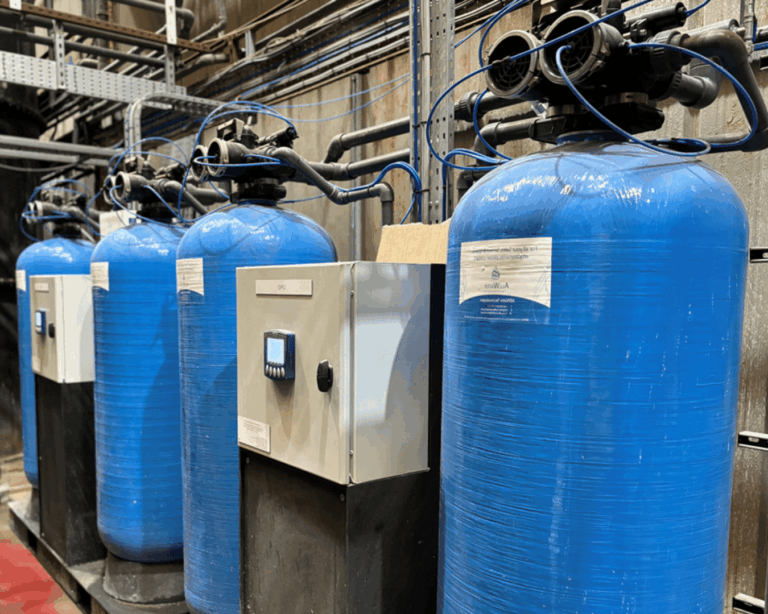
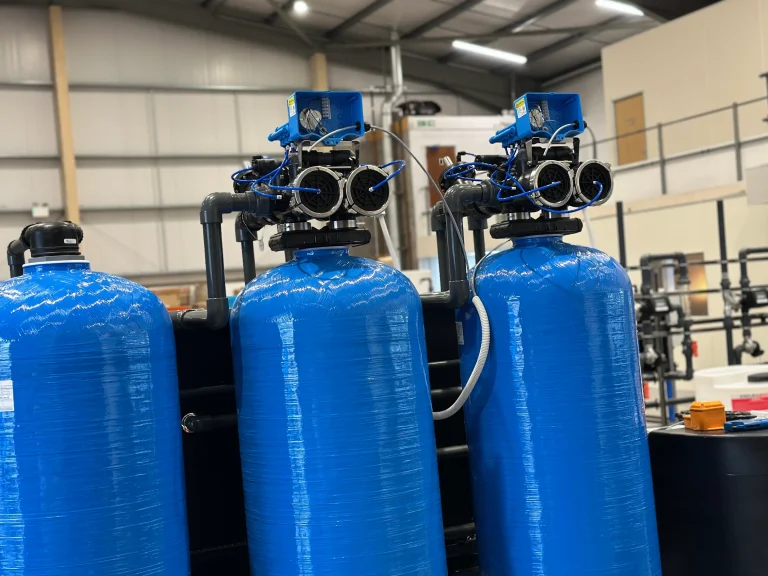
A water softener removes calcium and magnesium ions that contribute to hardness. This helps reduce scale risk in equipment and can protect downstream systems.
Softened water is useful in many industrial applications, but it does not remove all dissolved salts. For high-purity aerospace processes, further treatment is usually required.
Reverse osmosis water
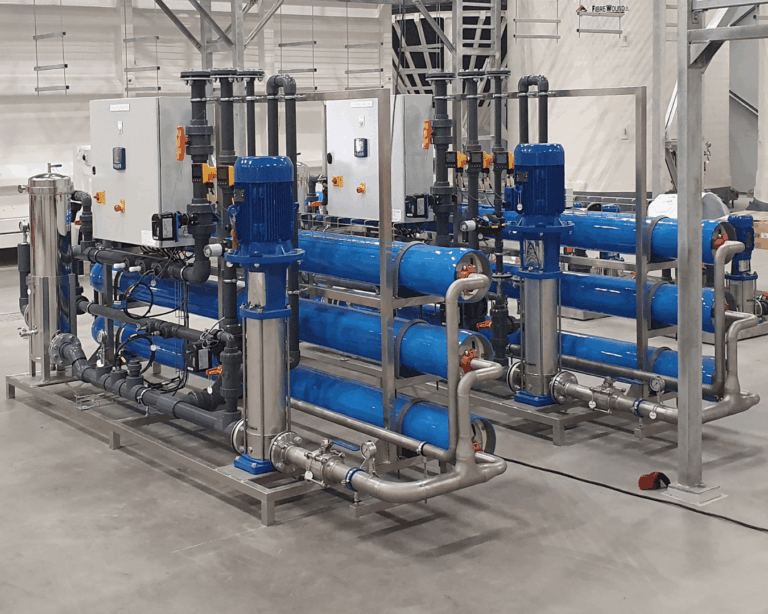
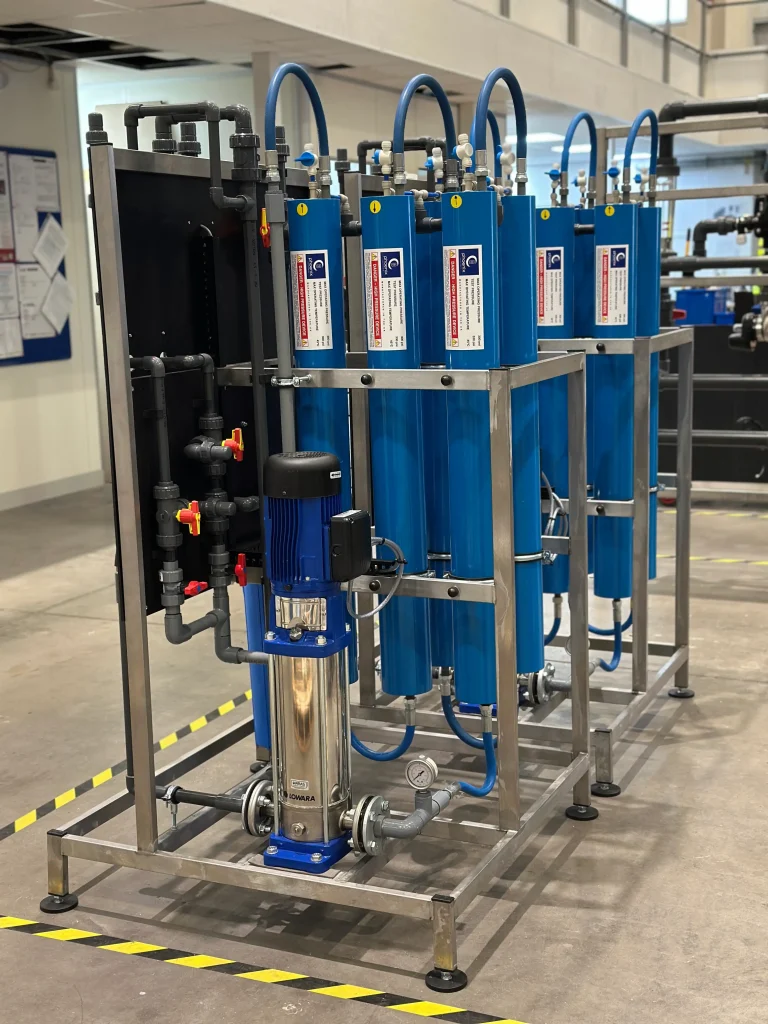
Reverse osmosis uses membrane separation to remove a large proportion of dissolved salts, minerals, organic matter and other contaminants. RO is often used as a core treatment stage before final polishing.
In aerospace manufacturing, RO water may be used for process make-up, rinse stages or as feedwater to DI or EDI systems. It helps reduce the load on downstream purification equipment and supports more consistent water quality.
Deionised water
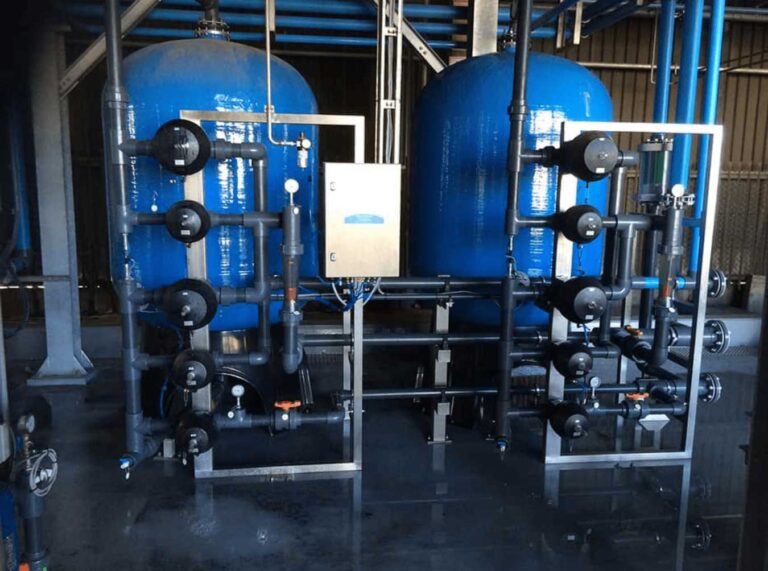
DI water is produced through ion exchange resins that remove remaining dissolved ions from the water. It is commonly used where very low conductivity or high resistivity is needed.
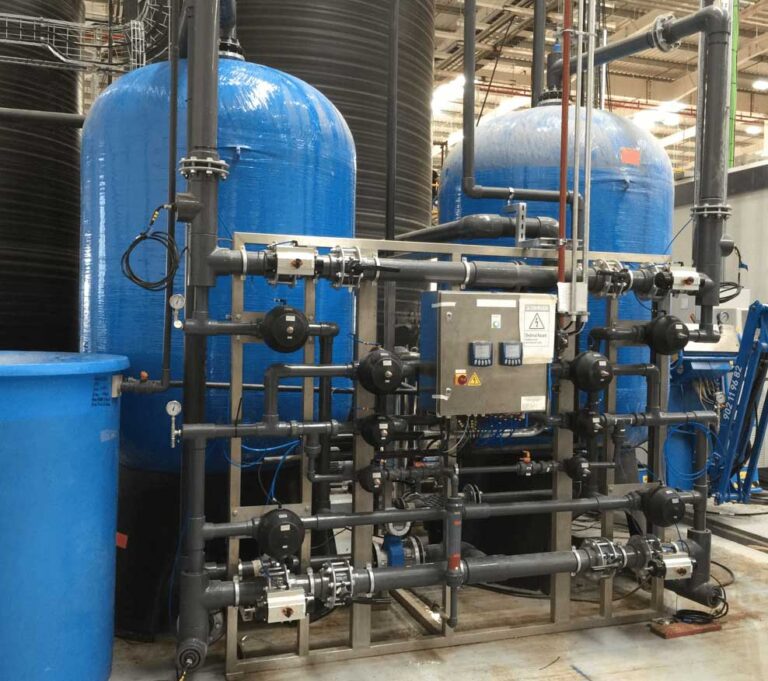
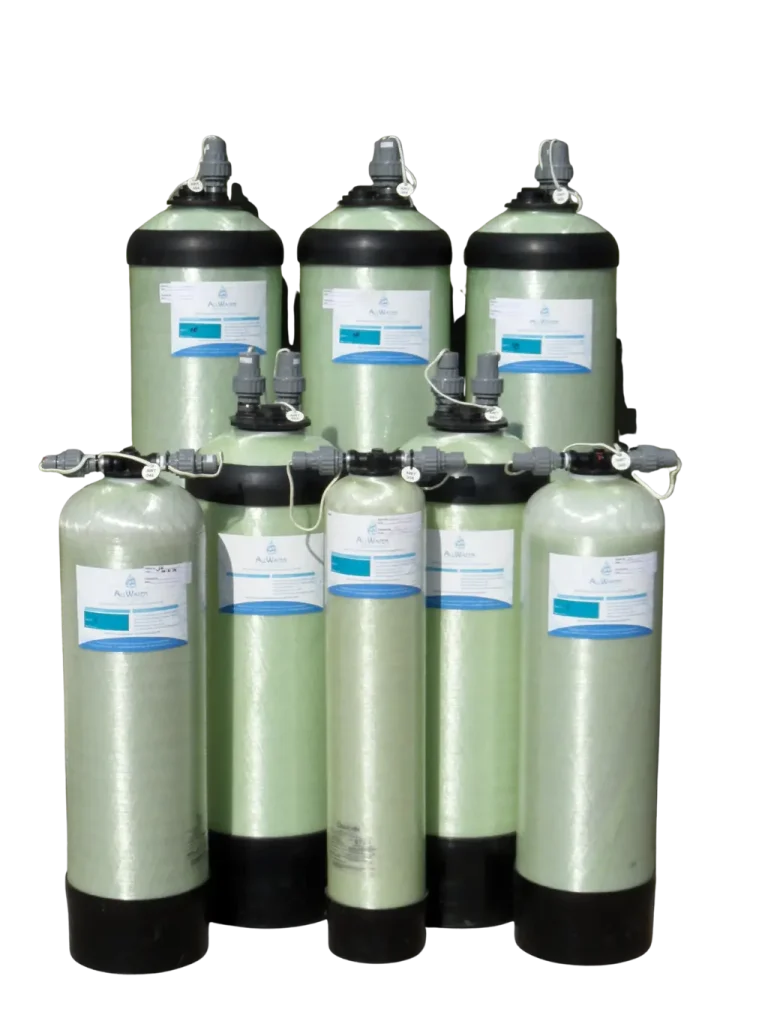
DI systems can be designed as compact units for smaller demand, or as larger automated systems for continuous production. They may use mixed-bed resin, twin-bed demineralisation or other configurations depending on the application.
Electro-deionised water
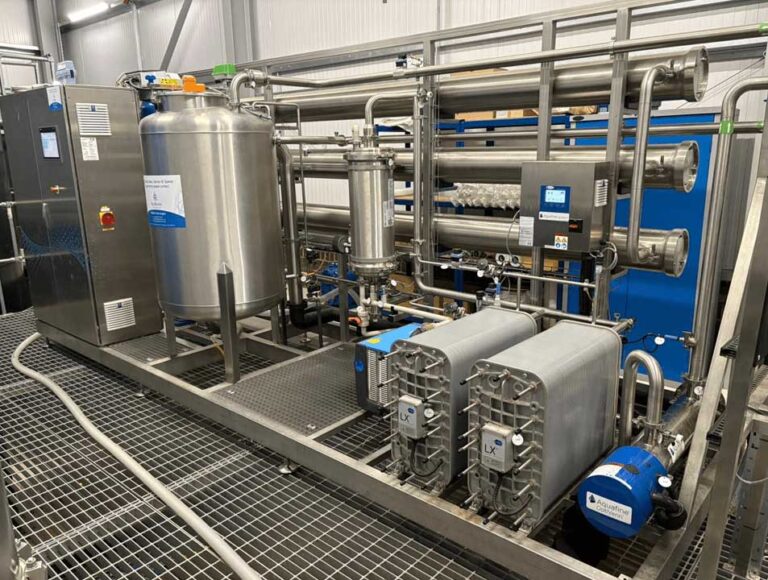
Electro-deionisation, or EDI, combines ion exchange resin, membranes and electrical current to continuously remove residual ions from RO-treated water. It can produce ultra-pure water without the same chemical regeneration requirements as traditional DI systems.
EDI is often suited to applications where consistent high-purity output, lower chemical handling and continuous production are priorities.
Surface treatment is one of the most important areas for high-purity water in aerospace manufacturing.
Processes such as anodising, plating, chromate conversion, passivation and coating preparation depend on controlled chemistry. Water may be used for bath make-up, intermediate rinsing, final rinsing or wastewater control.
If rinse water contains dissolved minerals or contaminants, it can affect the surface condition of the part. This may lead to staining, uneven appearance, loss of coating uniformity or reduced adhesion in later coating stages.
High-purity water helps reduce that risk by limiting the amount of unwanted material transferred onto the component.
In aerospace surface treatment, rinse quality is also important because drag-out from one process stage can carry chemicals into the next. Well-managed rinse systems help reduce cross-contamination, protect process baths and improve consistency across production runs.
Anodising and plating lines often use multiple rinse stages. These may include static rinses, flowing rinses, counterflow rinses or high-purity final rinses.
In aerospace anodising, water quality can affect both process stability and the final surface condition. If the rinse water contains minerals or dissolved contaminants, these can remain on the component surface or interfere with subsequent treatment.
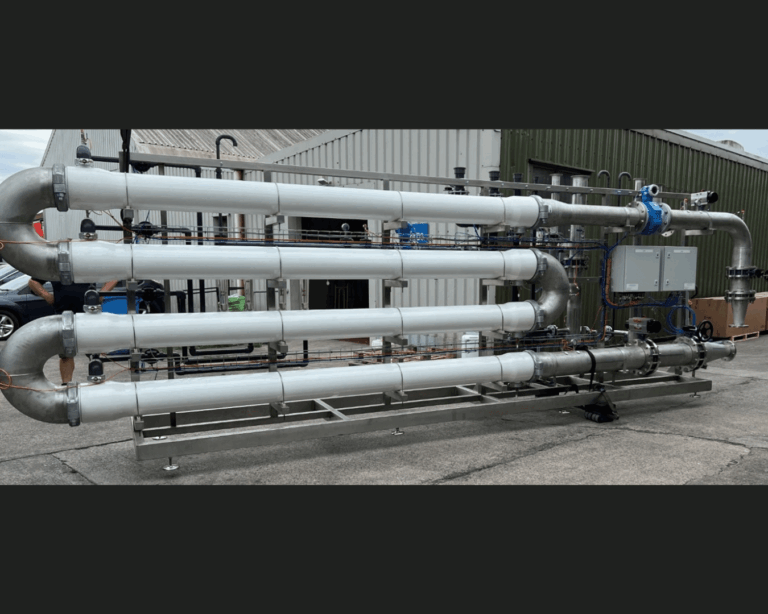
AllWater has direct experience in this area. In its Aero Fabrications case study, AllWater designed and installed a comprehensive water treatment solution for a new Tartaric Sulphuric Anodising line. The system included a reverse osmosis plant to meet Airbus Spec A water requirements, alongside wastewater treatment for the TSA line’s waste.
This is a good example of how aerospace water treatment often needs to solve two challenges at once: producing high-purity water for the process, and treating complex wastewater so the site can meet discharge obligations.
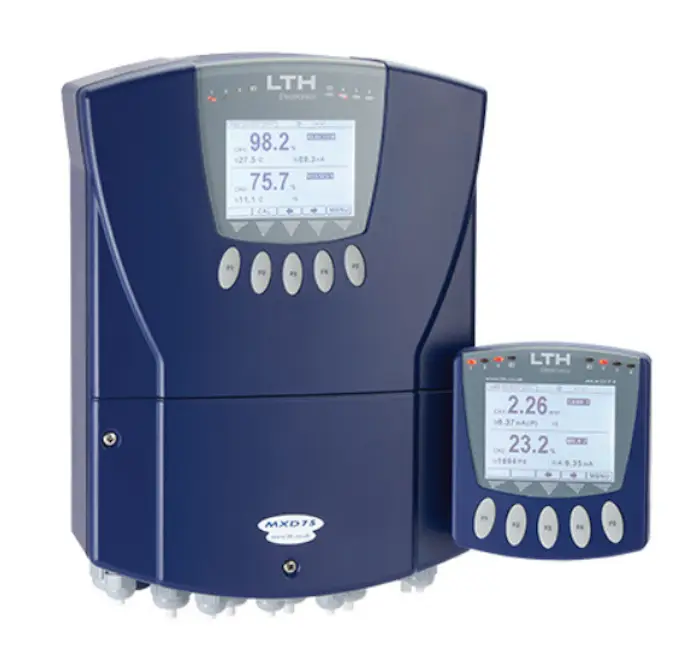
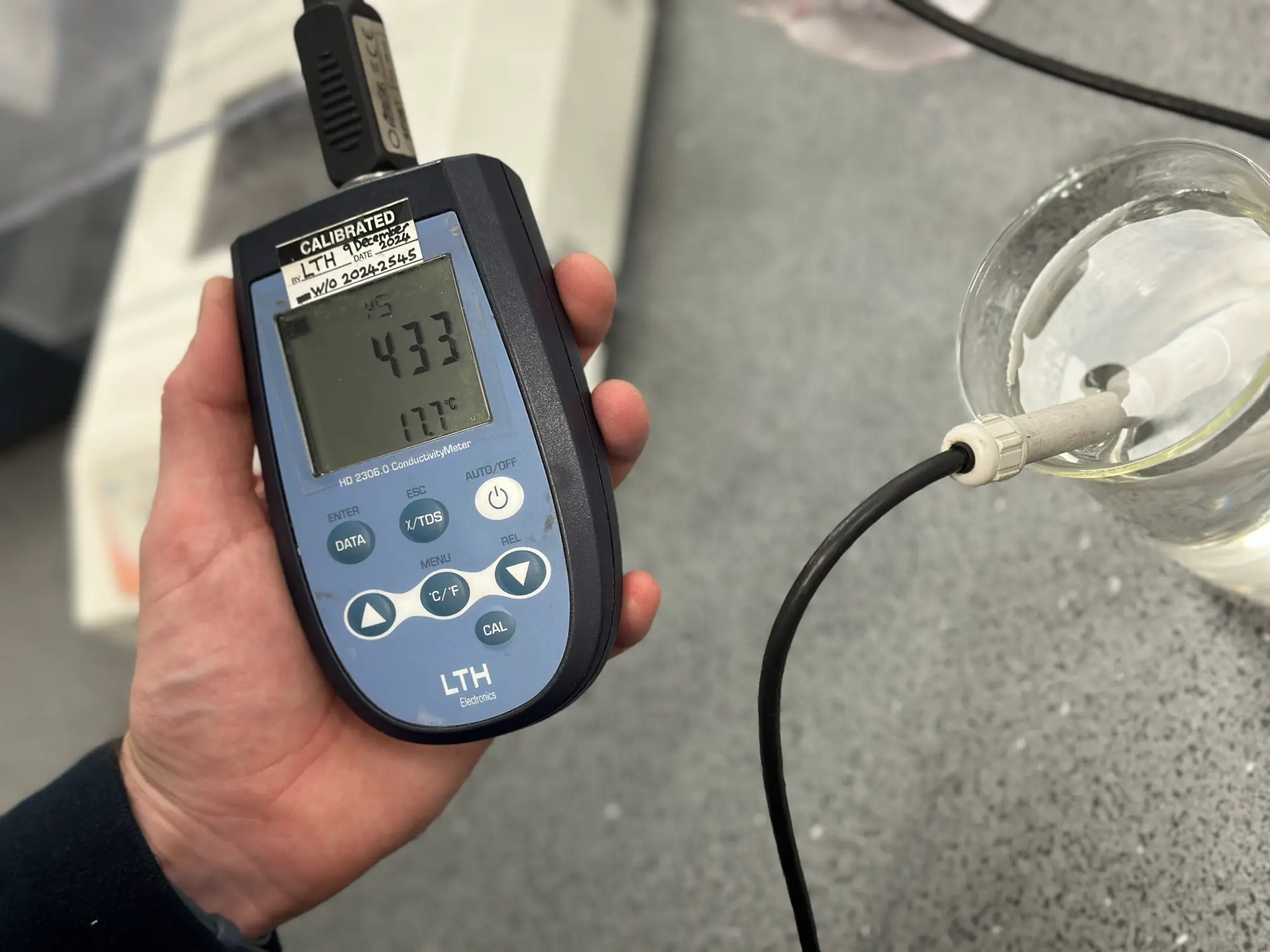
Water quality is often monitored using conductivity or resistivity.
Conductivity measures how well water conducts electricity. The more dissolved ions present, the more conductive the water becomes. Lower conductivity usually indicates cleaner, lower-ion water.
Resistivity measures how strongly water resists electrical flow. Higher resistivity usually indicates higher purity.
For aerospace manufacturers, these measurements provide a practical way to monitor whether water quality is within the required range. They can also support process control records, quality checks and audit evidence.
However, the target value should be set by the application. Not every process needs ultra-pure water, and using water that is purer than necessary can increase cost without improving the outcome. In some cases, extremely pure water can also behave aggressively towards certain materials.
The right approach is to define the water quality required by the process, then design the treatment system to meet that requirement consistently.
One of the most common mistakes in high-purity water planning is assuming that all processes need the same water quality.
They do not.
A general wash stage may only require softened or filtered water. A high-spec final rinse may require RO or DI water. A sensitive cleanroom process may need higher purity still. Wastewater recovery may need filtration, UV treatment, ion exchange or RO depending on the contaminants present.
The treatment system should be matched to:
This process-led approach helps avoid both under-treatment and over-treatment. It also makes the system easier to maintain because every treatment stage has a clear purpose.
Component cleaning is another critical application for high-purity water.
Aerospace parts may need to be cleaned before inspection, assembly, coating, testing or packaging. If water leaves mineral residues, detergent residues or ionic contamination behind, the component may not meet the required standard.
High-purity rinse water helps remove cleaning chemistry and dissolved contaminants more effectively. It can support better surface finish, reduce spotting and improve repeatability.
In some cleaning processes, water quality also affects the performance of detergents or aqueous cleaning chemistry. If incoming water contains hardness minerals, some cleaning chemistry may be used up dealing with the water itself rather than removing contamination from the part.
Using treated water can therefore support both cleanliness and process efficiency.
Aerospace manufacturers work within strict quality frameworks. These may include customer specifications, internal quality systems, sector-specific standards and critical process accreditations.
The Nadcap programme is an industry-managed accreditation programme for aviation, defence and space critical processes. It exists to support quality, safety and operational excellence across the sector. While not every water treatment system will be audited directly, water quality can be relevant to processes such as chemical processing, coatings and electronics.
The IAQG 9100 standard also reflects the sector’s focus on quality management, risk reduction and consistent performance across the supply chain.
For water treatment, this makes documentation important. Manufacturers may need evidence that the system is producing water within the required range, that maintenance is being carried out, that faults are being addressed and that water quality trends are being monitored.
A water treatment system should therefore be designed not only to perform, but to support the site’s quality and audit requirements.
Aerospace manufacturing does not only require high-purity process water. It can also generate complex wastewater.
Surface treatment, anodising, plating, chemical cleaning and MRO processes may produce effluent containing metals, oils, acids, alkalis, suspended solids or other regulated contaminants. This wastewater often needs to be treated before discharge or considered for recovery and reuse.
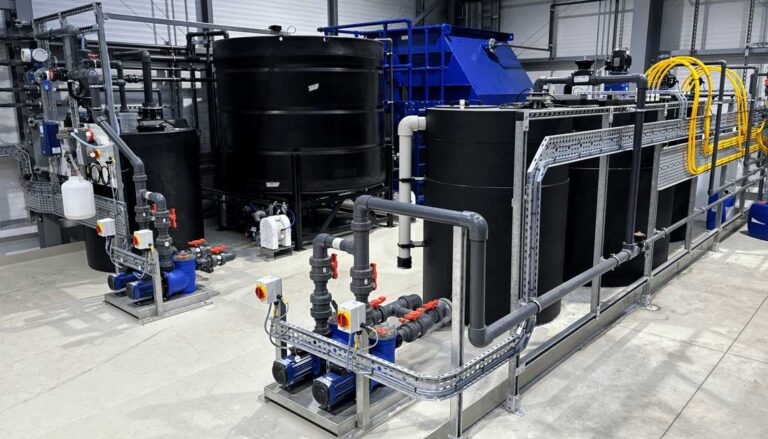
Wastewater treatment can include pH correction, metal removal, filtration, ion exchange, chemical dosing, settlement, membrane technologies or other process-specific treatment stages.
Water reuse may also be appropriate in some aerospace environments. Recovered rinse water can reduce water consumption and lower disposal costs, but only if the recovered water can be treated to the quality needed by the process.
AllWater’s Marshall Aerospace case study demonstrates this type of approach. AllWater implemented an advanced water recovery DI system for a manufacturing and special processes facility, using ion exchange resin technology and RO water make-up to improve efficiency, reduce waste and support consistent water quality.
Aerospace water treatment systems need to be designed around the site, not selected from a generic template.
Important considerations include:
For high-spec manufacturing sites, reliability is especially important. If a DI plant, RO system or rinse water recovery unit fails, the impact may be wider than water supply. It may interrupt production, delay batch release or create quality risk.
This is why installation and commissioning should be considered part of the quality process. Correct installation, commissioning, operator training and handover documentation all help support long-term system performance.
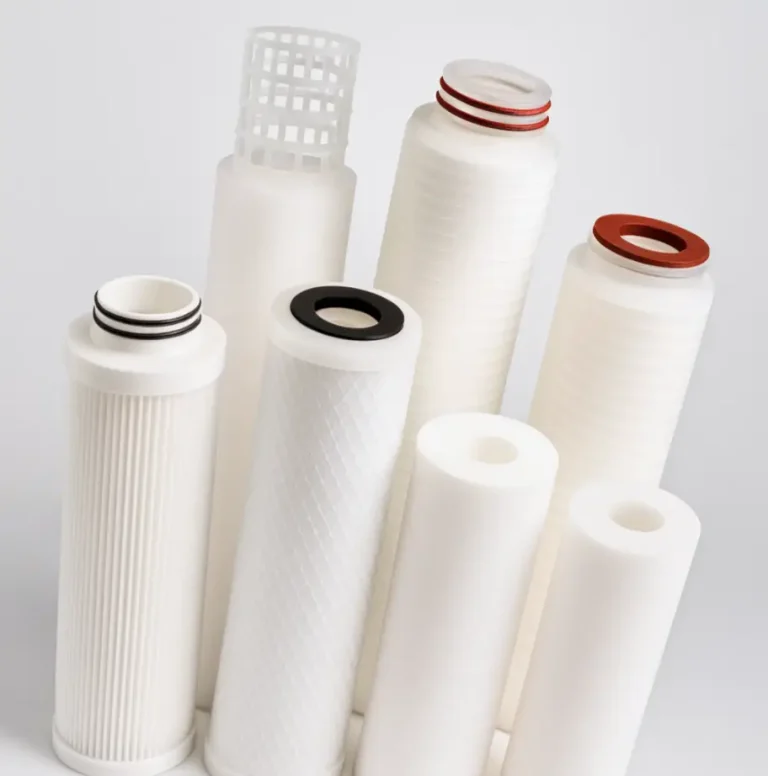
High-purity water systems need ongoing control. Resin beds become exhausted. RO membranes can foul. Filters need replacing. Sensors need checking. UV lamps, dosing systems and pumps need servicing. Water demand can also change as production requirements evolve.
Planned service agreements help aerospace manufacturers maintain water quality, reduce unplanned downtime and identify performance issues early.
A service programme may include:
For regulated and high-spec environments, this support is important. It helps ensure the system continues to meet the required standard after installation, not just on day one.
Where additional investigation is needed, technical support for water systems can help identify root causes, recommend adjustments and support process improvement.
AllWater Technologies designs, supplies, installs, commissions and supports industrial water treatment systems for demanding sectors across the UK and beyond.
For aerospace and defence clients, AllWater supplies high-purity water systems, demineralised water systems, RO systems, EDI units, filtration, UV sterilisation, wastewater treatment and ongoing technical support.
AllWater is experienced in aerospace and defence applications where water quality, compliance and process reliability are critical. The company is a JOSCAR-registered supplier, WRAS-compliant, MOD-specified, ISO 9001 and ISO 14001 accredited, and able to support systems requiring UKCA-marked equipment.
The team has also delivered real-world aerospace projects, including high-purity water and wastewater treatment for TSA anodising, plus water recovery DI systems for aerospace manufacturing and special processes facilities.
This experience matters because aerospace water treatment is rarely simple. It requires an understanding of water chemistry, process requirements, compliance expectations, site constraints and long-term maintenance.
High-purity water is essential in many aerospace manufacturing processes, but it should always be specified with care. The right water quality depends on the application, the material, the process chemistry, the required cleanliness level and the quality evidence needed by the manufacturer.
For some processes, softened or filtered water may be enough. For others, RO, DI or EDI water may be required to achieve consistent results. For surface treatment, anodising, plating and cleanroom applications, water quality can affect part finish, coating performance, corrosion resistance and process repeatability.
A strong aerospace water treatment strategy should therefore consider the full picture: incoming water, process water, rinse water, wastewater, reuse, monitoring, maintenance and documentation.
AllWater Technologies works with aerospace and defence manufacturers to design and support water treatment systems that meet site-specific requirements. From demineralised water systems and reverse osmosis to electro-deionisation, filtration and wastewater treatment, AllWater helps manufacturers protect water quality at every stage of the process.
Speak to AllWater Technologies about aerospace water treatment requirements.
Deionised water is used where dissolved minerals and salts could affect part quality, surface finish, coating adhesion, cleanliness or process chemistry. It is commonly used for rinsing, cleaning, process make-up and high-purity applications.
Deionised water is used where dissolved minerals and salts could affect part quality, surface finish, coating adhesion, cleanliness or process chemistry. It is commonly used for rinsing, cleaning, process make-up and high-purity applications.
Reverse osmosis water is treated through a membrane process that removes many dissolved contaminants. Deionised water is treated through ion exchange to remove dissolved ions to a much lower level. RO is often used before DI to improve efficiency and support more consistent high-purity water production.
Not always. Water quality should be matched to the process. Some wash stages may only need filtered or softened water, while final rinsing, surface treatment, cleanroom washing or sensitive component cleaning may require RO, DI or EDI water.
High-purity water is commonly monitored using conductivity or resistivity. Lower conductivity generally indicates fewer dissolved ions, while higher resistivity indicates higher purity. The required level depends on the process specification.
In some cases, yes. Rinse water recovery can reduce water use and waste disposal costs, but the recovered water must be treated to a quality suitable for the process. Treatment may include filtration, UV, ion exchange, RO or other technologies depending on the contaminants present.
Servicing helps maintain consistent water quality, reduce downtime and support audit evidence. RO membranes, DI resin, filters, sensors, UV equipment and dosing systems all need monitoring and maintenance to keep the system performing correctly.
We’re here to help with all your water treatment needs. Whether you have questions about our services, want to discuss a project, or need support, our team is ready to assist you. Fill out the form for general enquiries, or you are welcome to email direct or give us a call.
Unit 2,
Cheddar Business Park,
Wedmore Road,
Cheddar
BS27 3EB
Mon-Fri: 08:30-17:30 (GMT)