Water treatment for data centres can quickly become a broad subject. Cooling systems, humidification, WUE, PUE, rainwater harvesting, reuse, discharge and resilience all sit within the same conversation.
For AllWater Technologies, the most relevant focus is more specific.
In many data centre projects, water treatment matters most where incoming water quality affects cooling tower make-up, hybrid cooler performance, humidification systems and selected reuse opportunities. These are the areas where the right system can help protect equipment, reduce avoidable water use and support more predictable operation.
A data centre does not always need the most complex treatment package. A cooling tower may need softened water. A hybrid cooler may require reverse osmosis because of the manufacturer’s water quality specification. A humidification system may only need a compact RO unit, but still depend on consistent treated water.
That is why water quality should be considered early. It affects cooling performance, water consumption, maintenance demand and Water Usage Effectiveness, often referred to as WUE.
Data centres use water in different ways depending on the cooling strategy, building design and equipment specification. The most relevant uses for AllWater are:
Each use has a different water quality requirement.
Cooling towers and hybrid coolers may use large volumes of make-up water during warmer periods or peak cooling demand. Humidification systems usually use far less water, but may still need treated water to reduce deposits and protect equipment. Reuse projects can offer water savings, but they need careful assessment because the water source, quality and demand profile must make sense.
This is why data centre water treatment should start with the application. The right question is not simply “does this site need water treatment?” It is “which water use needs controlled water quality, and what does the equipment specification require?”
Uptime depends on cooling systems performing as expected. If water quality causes scale, deposits or unstable make-up water conditions, the cooling system may become harder to manage.
In cooling tower and hybrid cooler applications, poor water quality can contribute to:
The impact may build gradually. A system may continue to operate, but water use, chemical demand or maintenance requirements can increase. Over time, this can affect both operational reliability and sustainability reporting.
A well-designed data centre water treatment system helps control the quality of make-up water so the cooling system can operate within the expected range.
Cooling towers use water to reject heat. As part of that process, some water evaporates. The minerals and dissolved solids in the water do not evaporate with it, so they remain in the circulating water and become more concentrated.
To control that concentration, some water is discharged as blowdown and replaced with fresh make-up water.
If the make-up water has high hardness, alkalinity or dissolved solids, blowdown may need to happen more often to control scale and deposits. This increases water use, discharge volume and chemical demand.
This is where water treatment directly links to WUE. WUE measures the amount of water a data centre uses in relation to IT energy consumption. Lowering avoidable blowdown can help improve water efficiency, provided cooling performance and resilience are protected.
Reverse osmosis can reduce dissolved solids in the make-up water before it enters the cooling tower. This can allow the system to operate at higher cycles of concentration where the chemistry supports it, meaning each litre of water can stay useful for longer before discharge is required.
A useful UK example is NTT’s Hemel Hempstead 3 data centre, reported by Data Center Dynamics. NTT used RO after hard water and high alkalinity caused excess drainage and salt deposition. The system removed more than 95% of dissolved salts and helped reduce WUE from 1.8 l/kWh to 1.2 l/kWh between June 2023 and July 2024.
The lesson is not that every cooling tower needs RO. The lesson is that feedwater chemistry can directly affect blowdown, deposits, chemical use and water efficiency.
Hybrid coolers are popular in the UK because they can balance dry and evaporative operation. They can reduce water use compared with systems that rely heavily on evaporation, while still providing additional cooling support when ambient conditions require it.
However, many hybrid coolers have specific make-up water requirements. Depending on the manufacturer and system design, they may require softened water, reverse osmosis water or another defined water quality to limit deposits on wetted surfaces.
This is often where RO becomes commercially relevant.
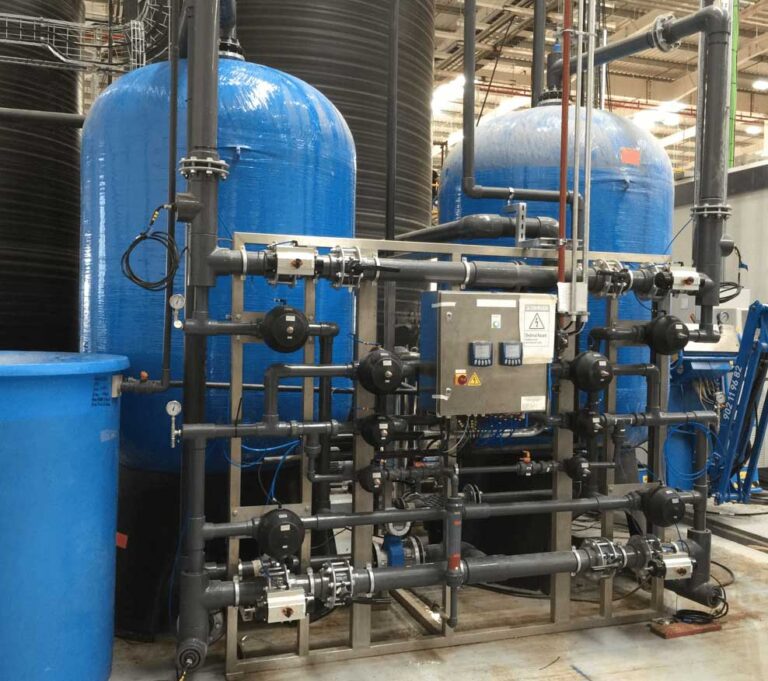
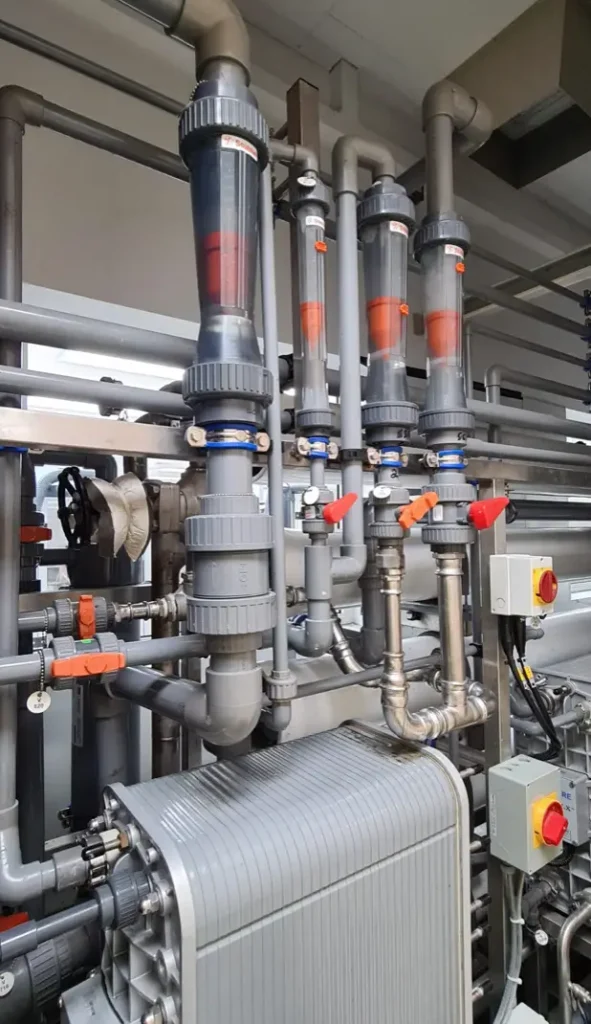
If a hybrid cooler specification requires low-conductivity or low-TDS make-up water, the water treatment package needs to be designed around that requirement. This may involve RO with suitable pre-treatment, treated water storage, monitoring and redundancy.
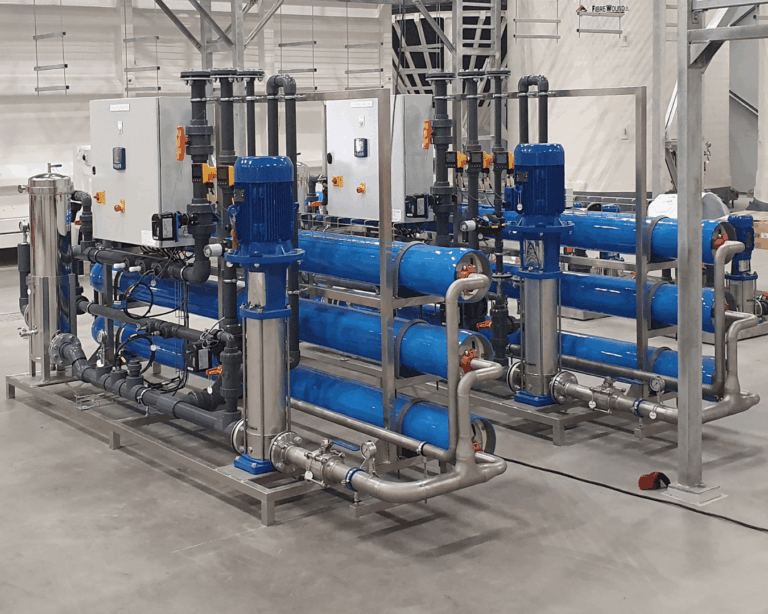
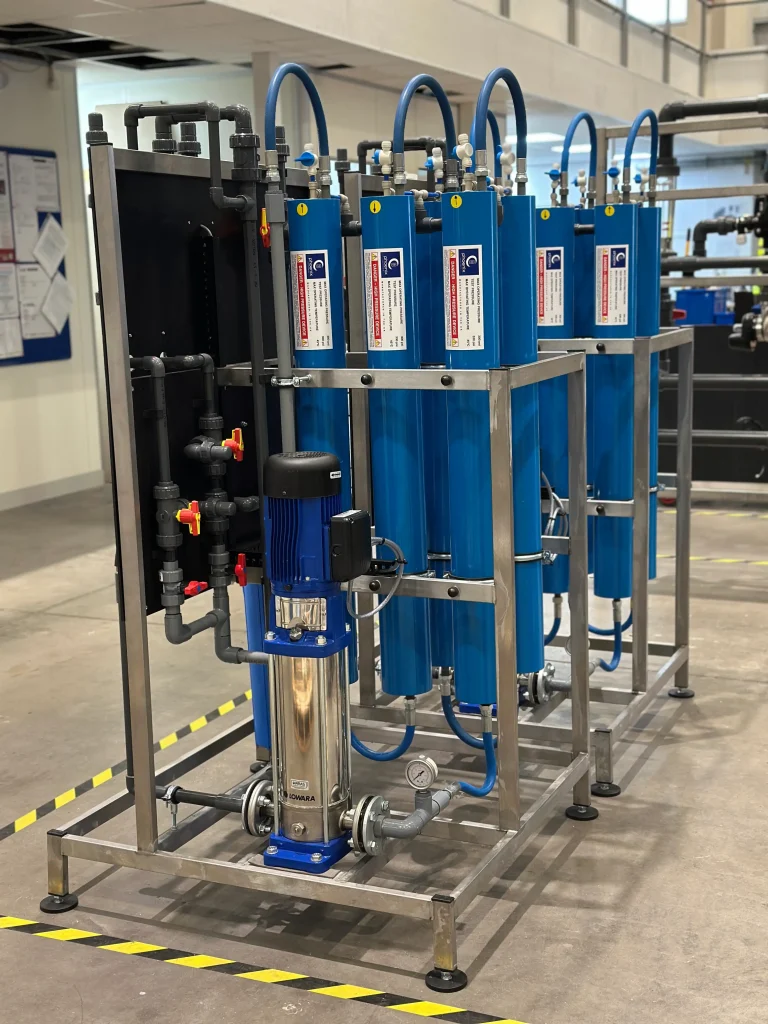
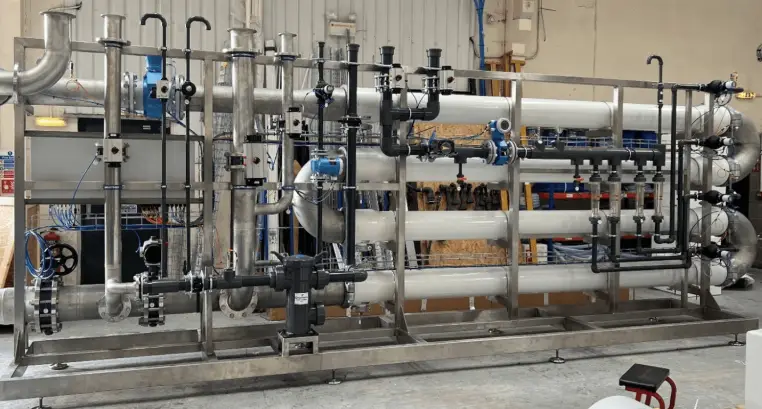
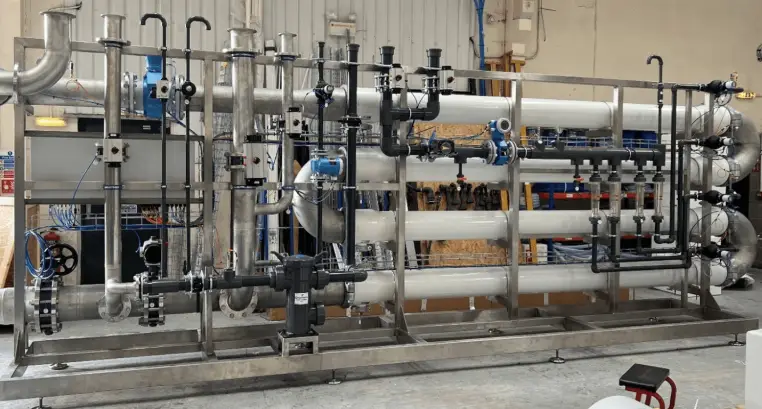
For larger data centre projects, this can mean a significant RO system rather than a small packaged unit. The size and configuration depend on make-up water demand, feedwater chemistry, peak operating conditions and resilience requirements.
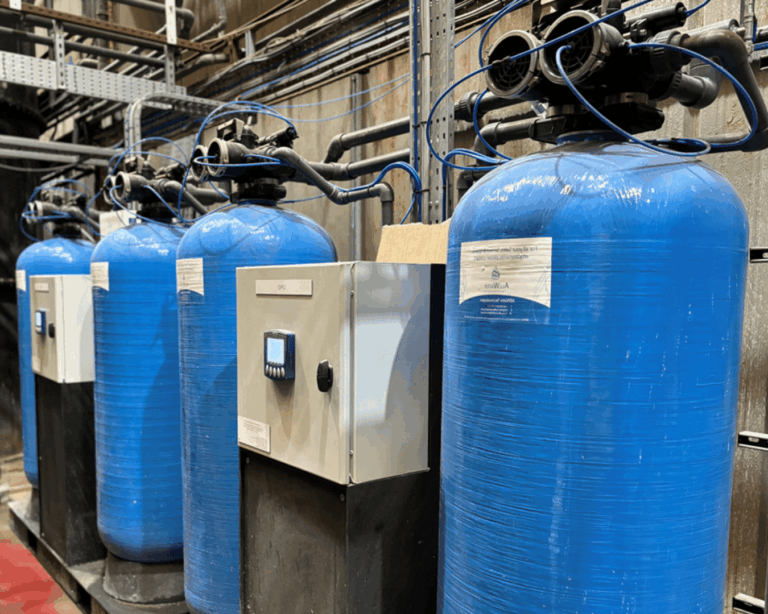
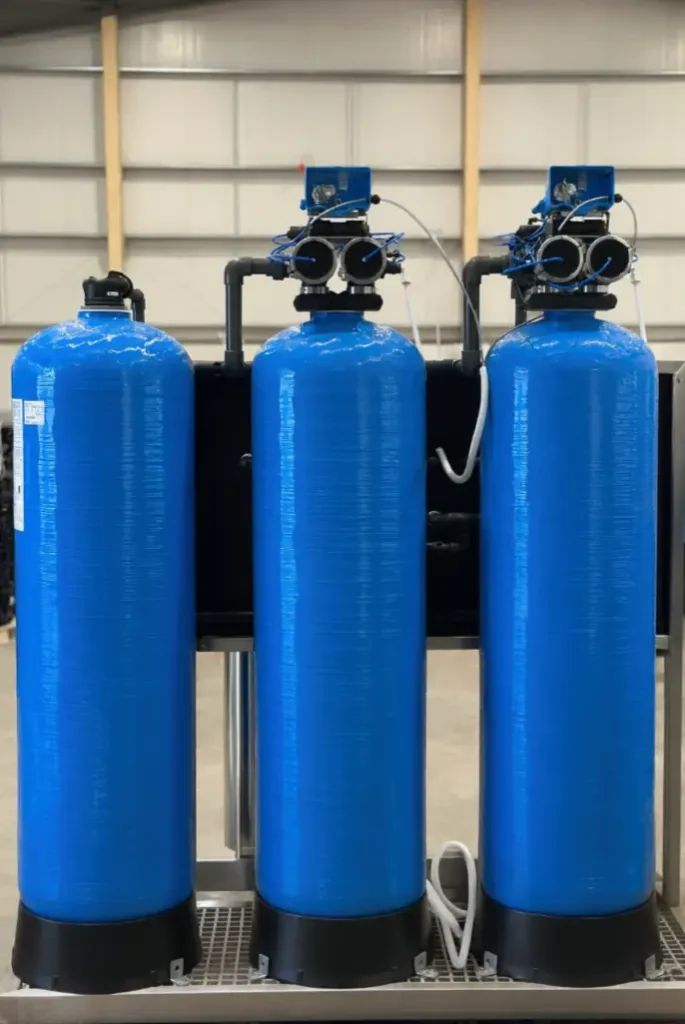
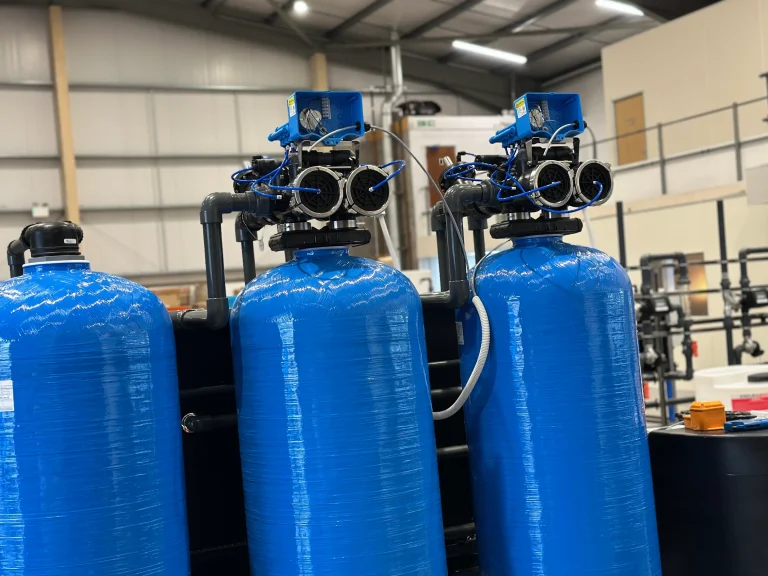
A water softener removes hardness minerals, mainly calcium and magnesium. This can help reduce scale risk where hardness is the main issue.
For some cooling applications, softening may be the most practical and cost-effective option. It can protect equipment from hardness-related scale without the added complexity of RO.
However, a softener does not remove all dissolved solids. It does not produce low-conductivity water.
Reverse osmosis becomes more relevant when:
This is why the cooler specification and feedwater analysis should guide the recommendation. The right system is not always the most complex one. It is the system that meets the equipment requirement without adding unnecessary cost or maintenance.
RO can support WUE by helping a cooling system use water more efficiently. Its main benefit is reducing the dissolved solids entering the cooling system.
In cooling tower applications, this can help support higher cycles of concentration where the chemistry allows. Higher cycles can reduce blowdown, which may reduce make-up water demand.
However, this must be modelled properly. RO also produces a reject stream, so the full water balance needs to be understood. A good design should consider:
The aim is not simply to move water from one waste stream to another. The aim is to reduce total site water demand while keeping the cooling system stable.
Where RO is required for cooling tower or hybrid cooler make-up water, it should be treated as part of the cooling infrastructure.
Key design considerations include:
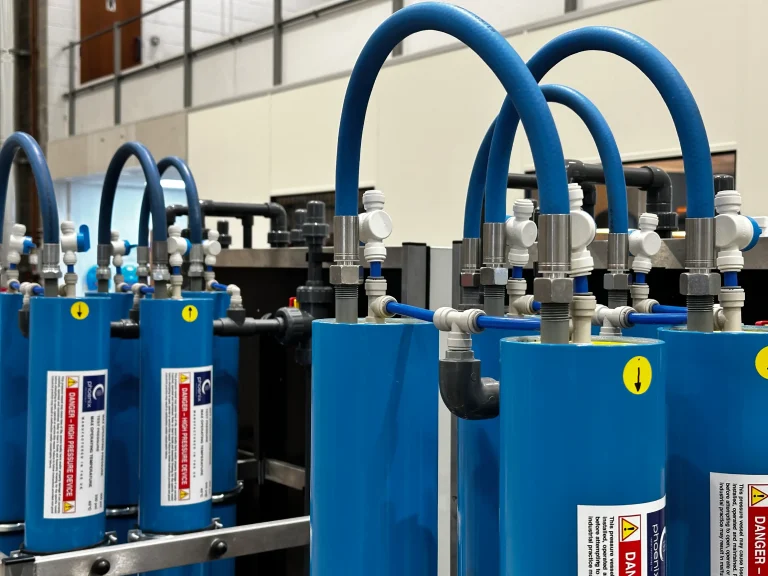
AllWater’s RO range covers compact systems through to high-capacity industrial systems, with flow rates from 300 L/h to 30,000 L/h. Larger cooling make-up applications are likely to sit in the higher-flow ranges, with customisation based on water chemistry, operating profile and resilience requirements.
Duty/standby or N+1 configurations may also be appropriate where treated water supports critical cooling infrastructure.
Cooling tower and hybrid cooler make-up water usually represent the larger opportunity, but humidification is another area where treated water may be required.
Many data centres need humidity control to maintain the correct operating environment. The water demand is often much smaller than cooling make-up demand, but poor-quality water can still cause deposits, maintenance issues or equipment problems.
This is where a compact RO system can be the right fit.
AllWater’s Super Mini RO range is designed for smaller demand, with flow rates of 300 to 500 L/h. It may suit humidification systems, packaged plant or point-of-use requirements where consistent treated water is needed in a compact format.
For humidification, the key questions are:
A small RO system may not have the same water-saving profile as a cooling tower RO plant, but it can still be important where the equipment depends on stable water quality.
Water reuse is an important topic in data centres, but it needs careful positioning.
Rainwater harvesting can sound attractive because it reduces reliance on mains water. The challenge is that data centres often need the most cooling water during warmer, drier periods. In the UK, rainwater availability may not match peak cooling demand.
Storage can help, but large storage volumes take space and add cost. Rainwater quality also varies, so treatment is still needed before it can be used reliably in cooling systems.
Cooling tower blowdown recovery is more technically interesting, but also more complex. Blowdown is already concentrated because it contains dissolved solids removed from the cooling system. Recovering it may require filtration, membrane treatment, RO, chemical control and concentrate management.
For many sites, the first step is better make-up water treatment. That may mean softening, RO or optimising the existing system. Blowdown recovery becomes more relevant when the site has enough water volume, discharge cost or WUE pressure to justify a more advanced recovery project.
Cooling tower blowdown recovery may be worth investigating when:
AllWater can support the early assessment by reviewing water chemistry, flow data, cooling demand and discharge constraints. If the opportunity is strong, further modelling can define whether recovery is practical.
A data centre water treatment recommendation should be based on evidence, not assumptions. Before specifying a softener, RO system or recovery option, AllWater assesses:
This helps match the right technology to the right water use. It also helps avoid over-specifying a system where softening is sufficient, or under-specifying a system where RO is required by the equipment.
Keeping water treatment aligned with uptime
Water efficiency matters, but data centre uptime comes first. A system that reduces water use but creates maintenance problems or supply risk is not a good solution.
For larger RO systems supporting cooling make-up water, resilience may include:
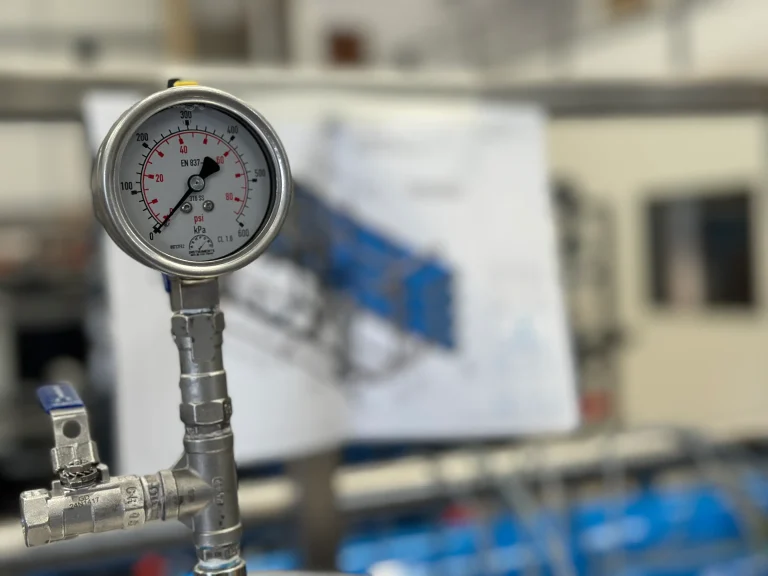
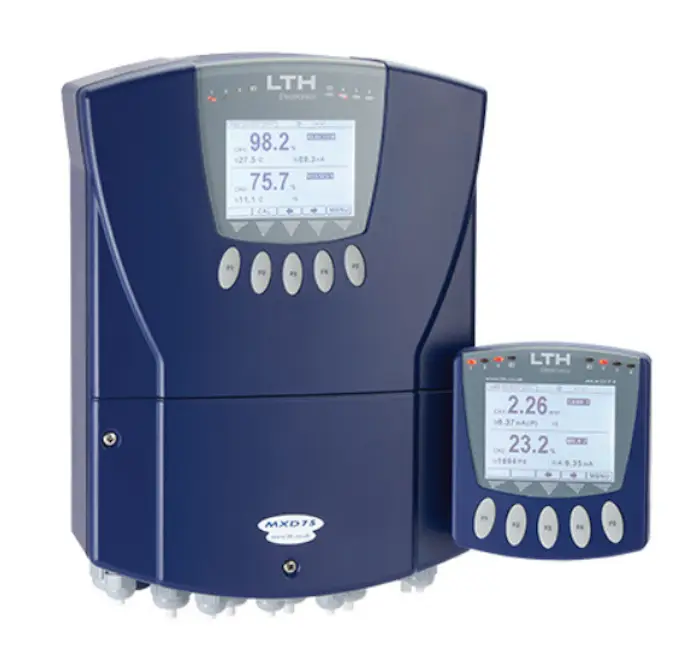
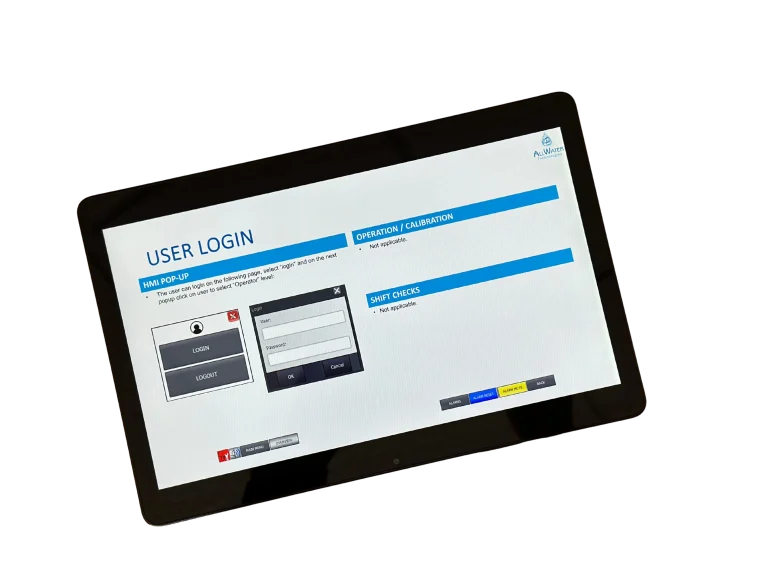
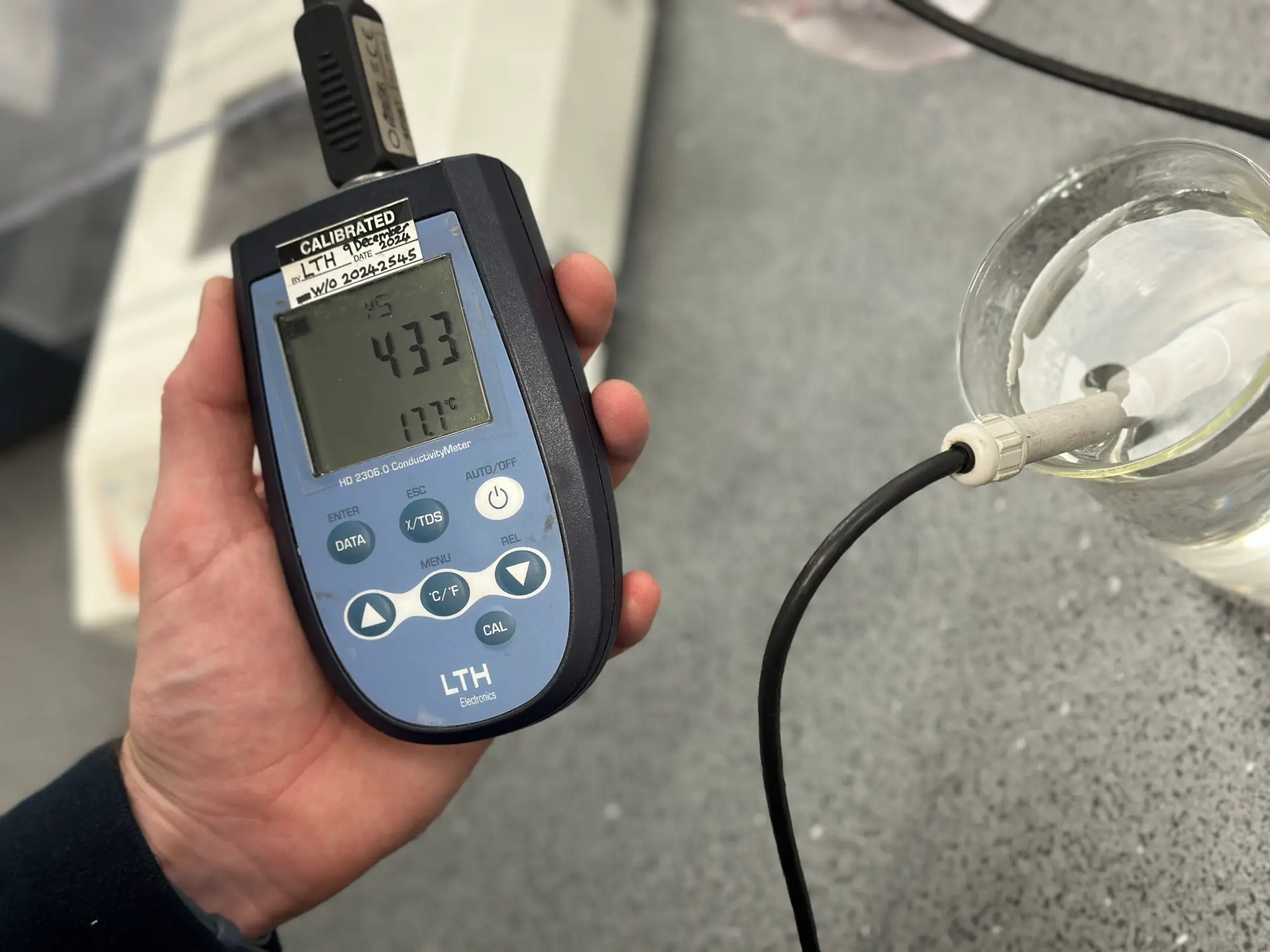
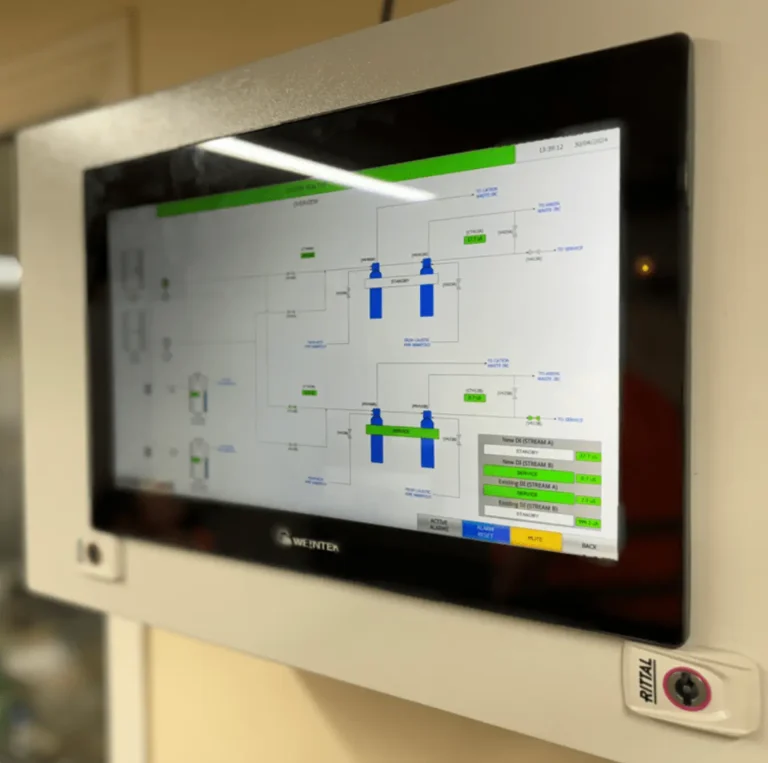
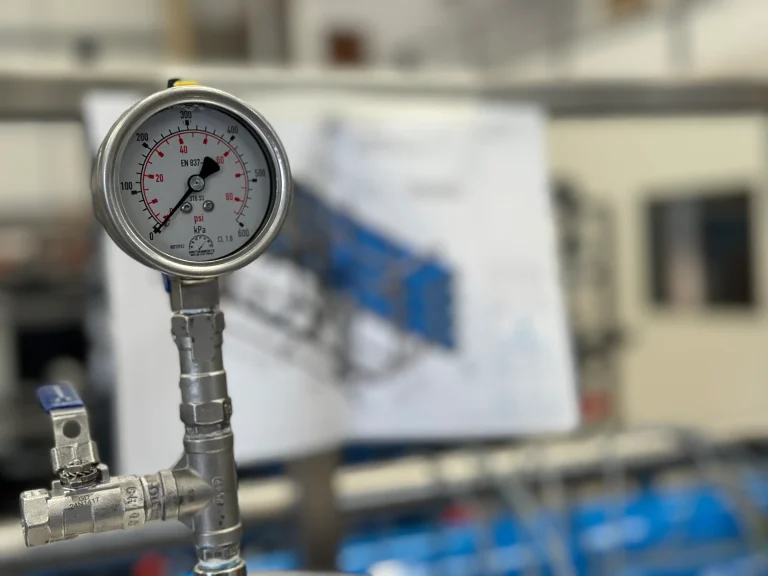
AllWater can design systems with monitoring and control options that help operators see how the system is performing. Conductivity, flow, pressure, temperature and recovery data can all support better decision-making.
Planned service agreements also help keep systems stable through routine inspection, testing, consumable replacement, optimisation and reporting.
Where issues are more complex, technical support for water systems can help identify root causes and recommend practical changes.
The most useful data centre water treatment projects start with the cooling and humidification requirements.
If the cooler can operate on softened water, a softener may be enough. If the hybrid cooler requires low-conductivity make-up water, RO may be needed. If humidification has a smaller but specific water quality requirement, a compact RO system may be the right choice. If water demand and discharge volumes are high, reuse or blowdown recovery may be worth exploring.
This is where water treatment supports WUE in a practical way. It turns a broad efficiency target into a site-specific water specification.
AllWater Technologies helps data centre operators, contractors and project teams specify water treatment systems that match the actual water use on site. That may include softening for scale control, Super Mini RO for humidification, larger RO systems for cooling make-up water, pre-treatment to protect membranes, monitoring to support visibility and service support to maintain long-term performance.
For data centres, better water efficiency comes from matching the right system to the right water use.
Speak to AllWater about data centre water treatment requirements.
Data centre water treatment is the process of controlling water quality for applications such as cooling tower make-up, hybrid cooler make-up, humidification and selected reuse. It can include softening, reverse osmosis, pre-treatment, monitoring and service support.
Water quality can affect WUE by influencing blowdown, make-up water demand and cooling system efficiency. If make-up water has high dissolved solids, the system may need more frequent blowdown, which can increase water use.
No. Some cooling systems may only need softened water. RO is more relevant where the cooler specification requires low-conductivity water, where dissolved solids are limiting water efficiency, or where reuse and recovery are being considered.
Some hybrid coolers have specific make-up water quality requirements to reduce scale and deposits on wetted surfaces. Depending on the manufacturer’s specification and local water quality, RO may be needed.
Yes. A softener can reduce hardness and help control scale where hardness is the main issue. However, it does not remove all dissolved solids, so it may not be suitable where low TDS or low conductivity is required.
Yes, where the chemistry supports it. RO reduces dissolved solids in make-up water, which can allow higher cycles of concentration and reduce the volume of water discharged as blowdown.
Yes. Humidification systems may require treated water to reduce deposits and protect equipment. For smaller requirements, a compact RO system such as AllWater’s Super Mini range may be suitable.
It can be suitable in some cases, but it needs careful assessment. Peak cooling demand often occurs during warmer, drier periods, so rainwater availability may not match the highest water demand.
Cooling tower blowdown recovery involves treating discharged cooling water so it can be reused, often as make-up water. It can reduce water use and wastewater volume, but it is technically complex and should be assessed carefully.
We’re here to help with all your water treatment needs. Whether you have questions about our services, want to discuss a project, or need support, our team is ready to assist you. Fill out the form for general enquiries, or you are welcome to email direct or give us a call.
Unit 2,
Cheddar Business Park,
Wedmore Road,
Cheddar
BS27 3EB
Mon-Fri: 08:30-17:30 (GMT)