
Commercial Water Softeners

Explained: Everything You Need to Know Before Choosing a System

Hard water is one of the most common and costly problems across UK commercial and industrial sites. Minerals such as calcium and magnesium build up inside boilers, heat exchangers, dishwashers, pipework, and manufacturing equipment, leading to reduced efficiency, higher energy bills, and increased maintenance. Commercial water softeners provide an effective and reliable way to remove hardness before it reaches critical systems.

This article explains what commercial water softeners do, why they matter in industrial environments, and how to choose the right system for your site. It also explores the operational benefits, design considerations, and maintenance factors that ensure long-term performance.

Why You Can Trust Us

AllWater Technologies supplies commercial and industrial water treatment systems designed for demanding operating conditions. The team combines decades of engineering experience with hands-on installation and commissioning expertise, ensuring every softening system is correctly specified, compliant, and optimised for site performance. AllWater also provides nationwide servicing, planned maintenance, and responsive technical support.

What Commercial Water Softeners Do

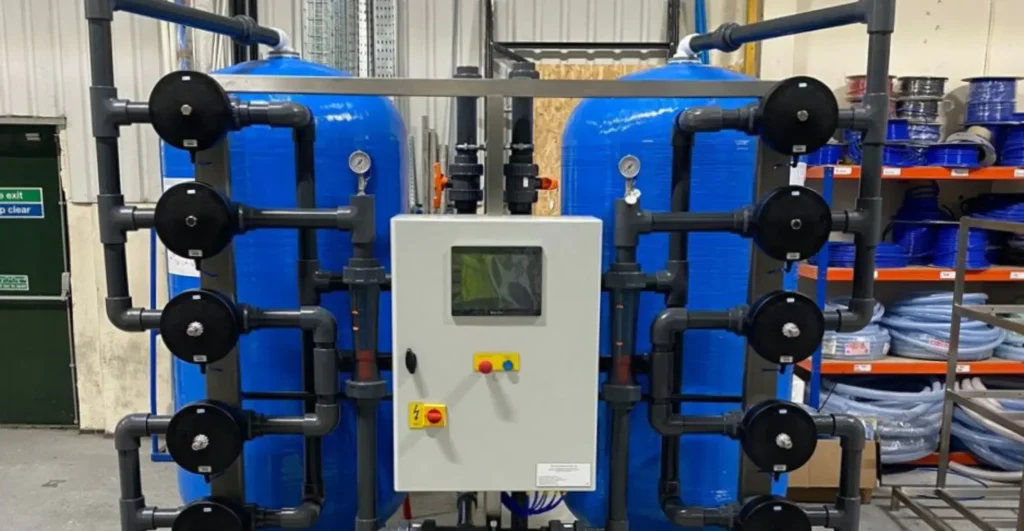
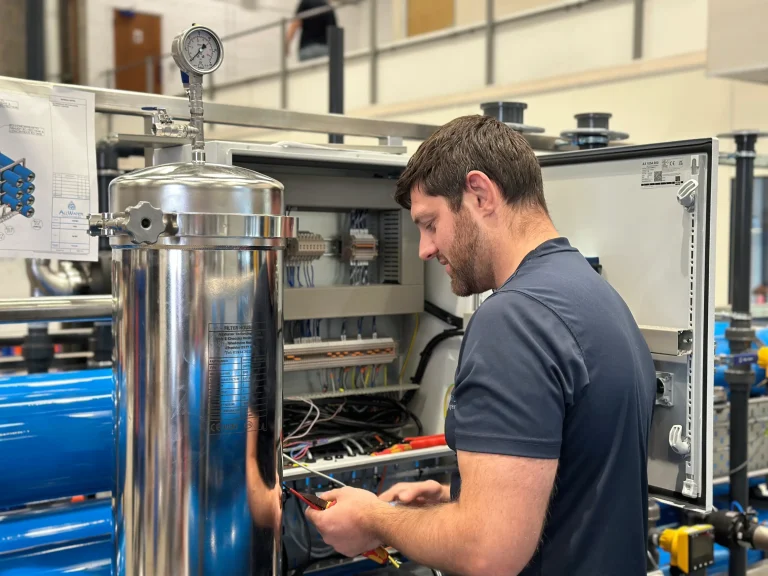
Commercial water softeners remove hardness from incoming water by exchanging calcium and magnesium ions with sodium ions. This prevents scale formation in boilers, hot water systems, heat exchangers, and other equipment where high temperatures accelerate mineral deposition.

Hardness minerals are responsible for:

  • Scale build-up in pipework and heating systems
  • Reduced heat transfer and increased energy costs
  • Premature wear on pumps and valves
  • Downtime caused by blockages or fouling
  • Inefficient detergent or chemical performance

By removing these minerals, commercial water softeners protect equipment, increase energy efficiency, and ensure consistent system performance.

How Ion Exchange Water Softeners Work

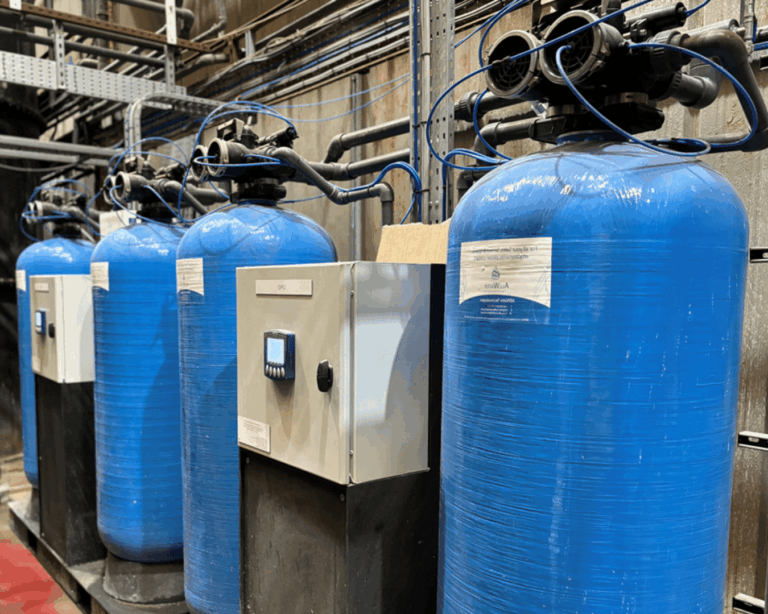
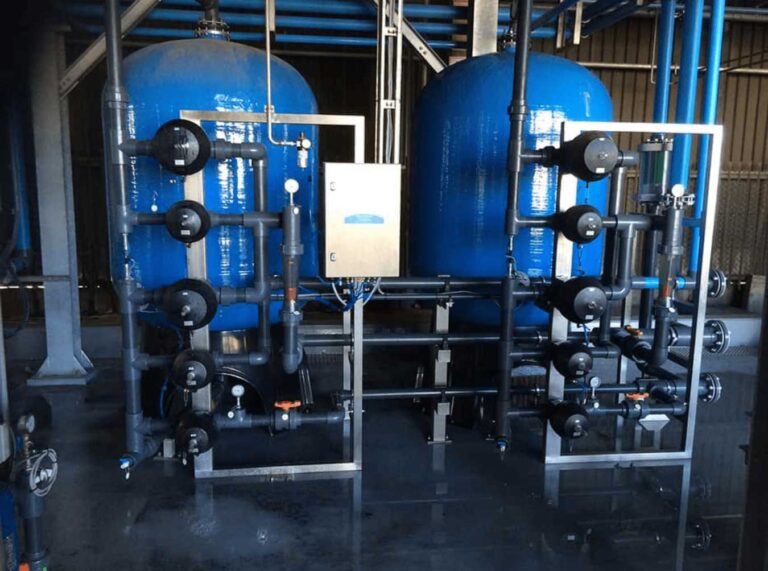
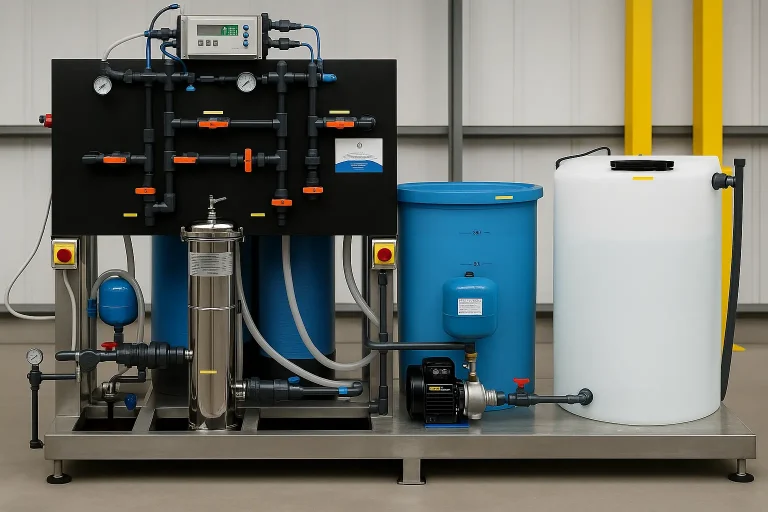
Most commercial softeners use ion exchange technology. Hard water passes through a vessel filled with resin beads. These beads, when regenerated are in the sodium (Na+) form. When calcium and magnesium in the water come into contact with the resin, they are exchanged for sodium.

Over time, the resin becomes saturated with hardness minerals and must be regenerated. Regeneration uses a concentrated brine solution (sodium chloride) to remove the accumulated calcium and magnesium, restoring the resin’s effectiveness.

Ion exchange softeners are widely used because they are reliable, efficient, and capable of delivering soft water continuously when designed correctly for the application.

Why Commercial Water Softeners Are Essential

1. Protect Critical Equipment

Hardness scale reduces the efficiency and lifespan of commercial equipment. In boilers and heat exchangers, even a thin layer of scale can significantly increase fuel consumption. In hot water systems, scale restricts flow, reduces temperature output, and increases wear.

Softened water helps prevent:

  • Boiler tube failures
  • Pump and valve wear
  • Reduced flow rates
  • Overheating in hot water systems
  • Unexpected shutdowns and maintenance

For businesses that rely on continuous heating or hot water, softening is a key protective measure.

2. Reduce Operating and Energy Costs

Scale acts as an insulating layer, forcing boilers and heating systems to work harder. As scale increases, energy bills rise. Removing the hardness that causes scale directly improves energy efficiency and reduces operational expenditure.

Softening also reduces the amount of detergent required in cleaning, laundry, and sanitation processes, contributing to lower chemical consumption.

3. Improve Process Performance and Product Quality

Many commercial and industrial processes rely on water with predictable characteristics. Hardness can interfere with cleaning, sanitation, manufacturing processes, and water-fed equipment.

Softened water improves:

  • Rinse performance in food production
  • Consistency in cleaning and sterilisation
  • Chemical dosing accuracy
  • Performance of water-fed machinery
  • Reliability of dishwashers and laundry equipment

For industries sensitive to water quality, softened water supports both efficiency and compliance.

4. Extend Equipment Life and Reduce Maintenance

Hard water is one of the leading causes of equipment failure in commercial settings. By preventing scale formation, softeners help extend the lifespan of boilers, heaters, pipework, valves, and process equipment. This reduces unplanned downtime, lowers repair costs, and supports stable, consistent operation.

5. Support Compliance in Regulated Sectors

Some industries have specific requirements around water quality. Hardness can interfere with sterilisation, cleaning, and validated processes, particularly in:

  • Food and beverage production
  • Pharmaceuticals and healthcare
  • Commercial kitchens
  • Hospitality and leisure
  • Manufacturing and engineering

Softening ensures water meets the performance threshold required for compliant operation.


Commercial water softeners are used across a wide range of industries. Typical applications include:

  • Boiler feedwater
  • Hot water systems
  • Steam generation
  • Food processing equipment
  • Breweries and distilleries
  • Commercial kitchens and catering facilities
  • Laundry operations
  • Cooling systems
  • Manufacturing and production lines
  • Vehicle washing systems
  • Healthcare facilities

Wherever water comes into contact with high temperatures or critical surfaces, hardness control is essential.

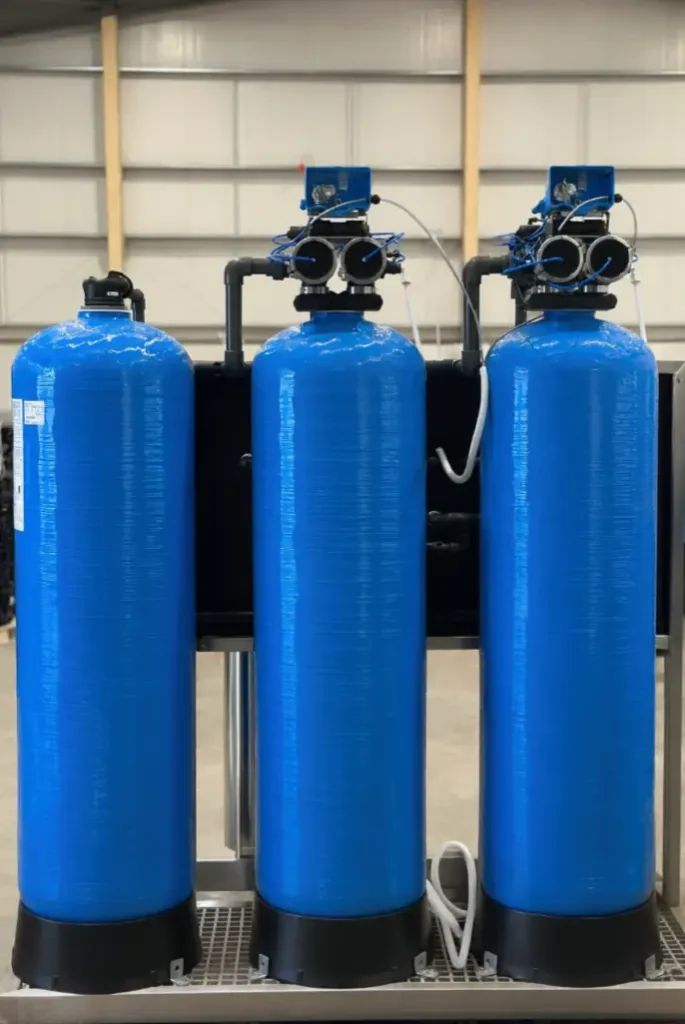
Single Vessel Softeners

These are suitable for lower-demand applications or sites where soft water is not required continuously. The system produces soft water until the resin is exhausted and then enters regeneration. During regeneration, soft water is temporarily unavailable.

Duplex (Duty-Standby) Softeners

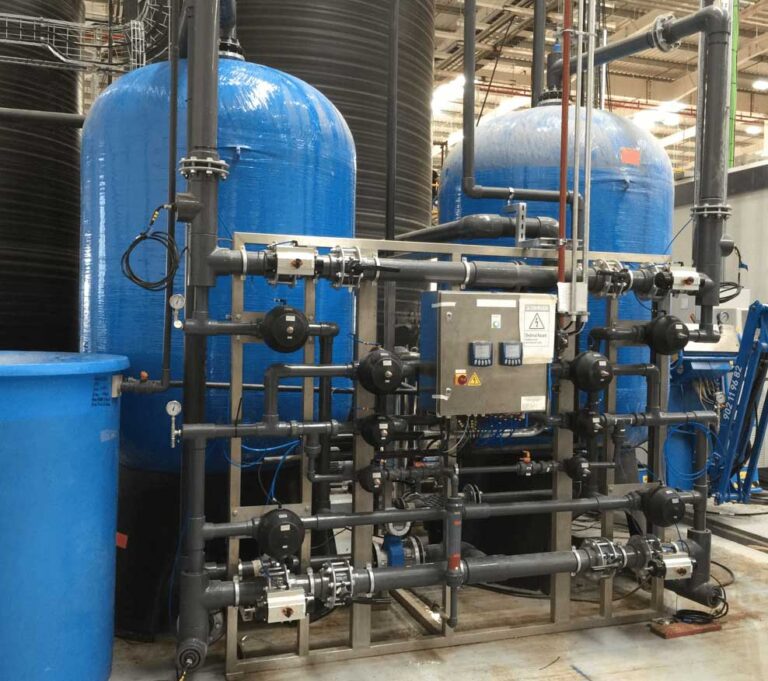
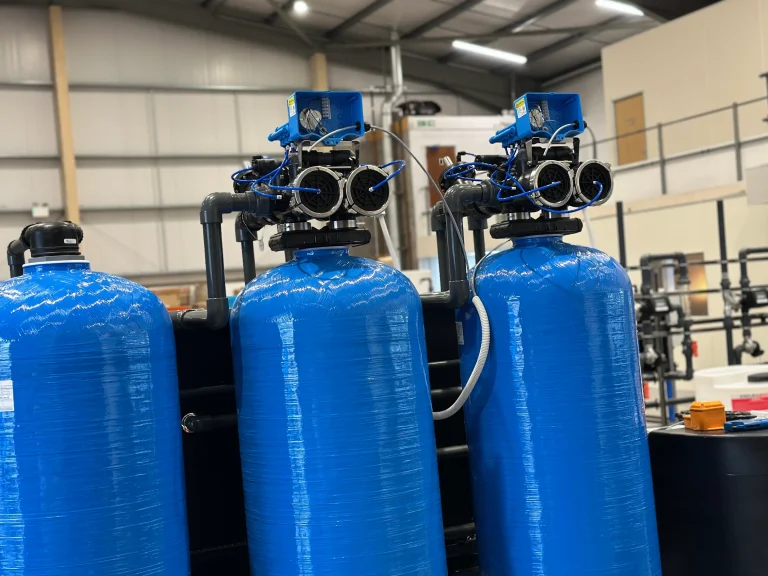
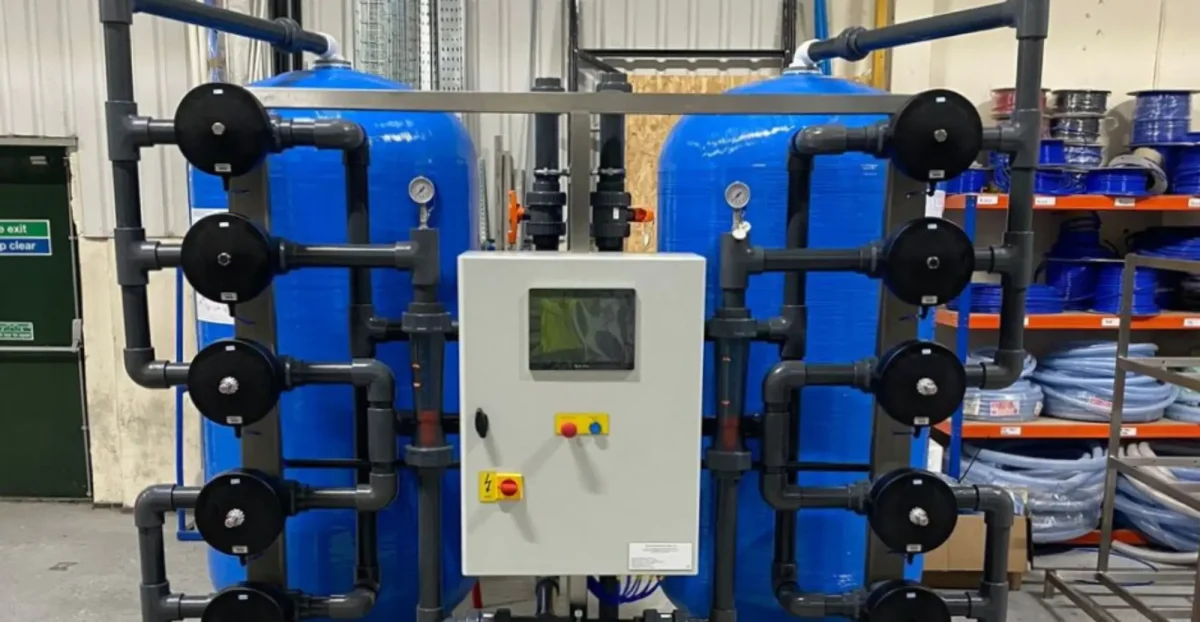
These systems include two vessels that operate alternately. When one vessel regenerates, the other remains online, providing continuous soft water. Duplex systems are preferred in commercial environments where downtime is not acceptable.

Triplex and Multi-Vessel Systems

Large industrial sites may require multiple vessels to achieve high flow rates, redundancy, or 24-hour operation across multiple production lines. Multi-vessel systems offer excellent flexibility and resilience.

Selecting a suitable system depends on several key factors. A well-specified softener ensures efficiency, long life, and low running costs.

Key considerations include:

  • Size of the site and water demand
  • Incoming hardness level and water quality
  • Hours of operation and flow rate requirements
  • Whether continuous soft water is needed
  • Boiler or hot water system size
  • Space available for installation
  • Drainage and salt storage requirements
  • Local water authority considerations
  • Maintenance access and lifecycle costs

A professional site survey ensures the chosen system matches operational needs and regulatory requirements.

Commercial softeners require salt to regenerate the resin. The most common salt types are tablet salt and granular salt. The choice depends on the brine system design.

Regeneration cycles vary depending on hardness levels and water usage. Automated regeneration is strongly recommended for commercial sites, providing consistent performance and reducing operator intervention.

Commercial water softeners are reliable when maintained correctly. Routine maintenance includes checking salt levels, cleaning brine tanks, verifying regeneration settings, checking valves, and ensuring sensors are functioning correctly. Resin may eventually require replacement, although high-quality systems often continue performing well for many years.

AllWater provides planned maintenance services and technical support across the UK, ensuring systems remain compliant and efficient throughout their lifecycle.

Softening is often used alongside other water treatment processes. For example:

  • Reverse osmosis systems benefit from softened feedwater because it prevents membrane fouling.
  • Industrial boilers require softened water to prevent scale and maintain energy efficiency.
  • Cooling systems perform better with reduced hardness, improving heat transfer and protecting pumps.

Integrating softening into a wider water treatment strategy helps achieve long-term reliability and lower operational cost.

Commercial water softeners play a vital role in protecting equipment, improving efficiency, and maintaining compliance across UK industrial and commercial environments. Hard water causes scale, increases energy consumption, reduces process efficiency, and shortens equipment life. Softening prevents these issues at the source, providing immediate and long-term value.

By understanding how commercial water softeners work, identifying your site’s needs, and selecting a correctly sized system, you can significantly reduce maintenance, protect critical assets, and support consistent, efficient production. For tailored guidance, contact the AllWater team or explore the full range of commercial water treatment solutions.

Get in Touch with AllWater Technologies

We’re here to help with all your water treatment needs. Whether you have questions about our services, want to discuss a project, or need support, our team is ready to assist you. Fill out the form for general enquiries, or you are welcome to email direct or give us a call.

AllWater House

Unit 2,

Cheddar Business Park,

Wedmore Road,

Cheddar

BS27 3EB

Opening hours

Mon-Fri: 08:30-17:30 (GMT)


    Trade Effluent Discharge

    What Are the Best Practices?

     Trade effluent is a critical responsibility for industrial sites across the UK. Any business that releases wastewater into the public sewer must manage its quality, temperature, and flow to avoid compliance failures, equipment damage, and unnecessary cost. Poorly managed effluent can lead to blocked pipework, fines from water authorities, disrupted production, and higher discharge charges.

    This article explains what trade effluent is, why it must be controlled, and the best practices industrial operators should follow. It also covers the role of treatment systems, monitoring, training, and correct system design.

    Why You Can Trust Us

    AllWater Technologies delivers engineered wastewater and trade effluent treatment systems for manufacturing, food and beverage, chemicals, pharmaceuticals, metal finishing, and advanced engineering. The team combines decades of experience with in-depth knowledge of UK water regulations. Every system is designed to meet consent limits, protect equipment, and deliver long-term industrial reliability, supported by nationwide service and planned maintenance.

    What Trade Effluent Is and Why It Matters

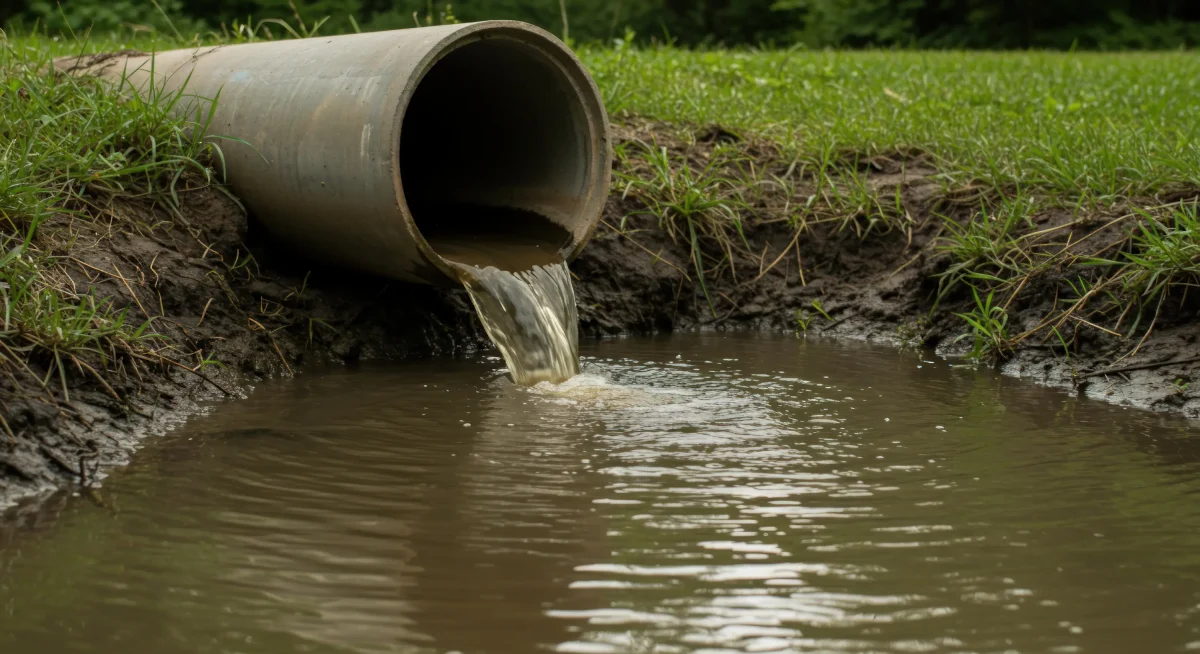
    Trade effluent is any liquid waste discharged from industrial or commercial processes into the public sewer, excluding domestic waste from toilets or sinks. Unlike domestic wastewater, which is largely predictable, trade effluent can contain a wide mix of substances that require tighter control.

    Common components include:

    • Oils, fats, and greases
    • Chemicals or solvents
    • Detergents and cleaning residues
    • Heavy metals
      • Suspended solids
      • Temperature-controlled process water
      • Compounds that add to chemical and biological oxygen demand
      •  Acids, alkalis, and pH-altering substances
      • Phosphates
      • Nitrates
      • Organic material

    Because of this complexity, businesses must obtain a trade effluent consent from their water authority. This legal document sets limits on pH, temperature, flow rate, volume, contaminants and other parameters. Failure to comply can lead to penalties, recovery charges, or legal action. It can also cause damage within the sewer network and increase the cost of treatment downstream.

    Best Practices for Managing Trade Effluent Discharge

    1. Understand Your Consent Conditions

    A trade effluent consent sets precise discharge limits. These include allowable temperature ranges, pH bands, maximum daily volume, instantaneous flow rate, and thresholds for specific contaminants. Businesses must ensure that all relevant staff understand these limits, review them regularly, and contact the water authority if processes or chemicals change.

    2. Use Suitable Pre-Treatment Technologies

    Most industrial effluent requires pre-treatment before entering the sewer network. Pre-treatment reduces pollutant load, stabilises wastewater characteristics, and prevents consent breaches.

    Common pre-treatment methods include:

    • Balancing tanks that smooth out variations in flow and composition
    • pH adjustment systems to neutralise acidic or alkaline waste
    • Settlement or clarification tanks to remove solids
    • Oil interceptors or grease traps to capture fats and oils
    • Chemical dosing for coagulation, neutralisation and other processes such as cyanide oxidation or chromium reduction
    • Filtration or membrane systems for further solids removal
      Organic adsorbant dosing or filtration with activated carbon for organics removal

    Effective pre-treatment protects equipment, prevents blockages, and ensures consistent discharge quality. More information is available at:
    https://allwatertreatment.co.uk/waste-water-treatment/

    3. Monitor Trade Effluent Quality and Flow

    Monitoring is essential for maintaining compliance. It helps operators identify issues early and adapt processes before a breach occurs.

    Useful monitoring practices include:

    •  Continuous pH, temperature, and flow measurement
    • Regular, flow proportional sampling

    Additional parameters such as conductivity and turbidity may also be requested on the discharge consent licence.

    • Data logging to identify trends over time
    • Periodic laboratory testing for specific contaminants that cannot be easily tested continuously on-line.
    • Alarm systems that notify staff when readings drift toward consent limits

    Automated divert of effluent on detection of consent failure.

    Automation improves accuracy and helps maintain stable discharge quality throughout changing production cycles.

    4. Regulatory Compliance

    Local water authorities are governed by the UK’s Environment Agency. The Monitoring Certification scheme (MCERTS) has been established by the EA to provide a framework of standards for monitoring discharges, ensuring data quality for regular compliance. As part of your discharge consent license you may be required to comply with MCERTS, which ensures the quality of outfall monitoring equipment design and instrumentation. AWT supply outfall monitoring equipment and instruments that comply with MCERTS so that you can be assured of regulatory compliance.

    5. Reduce Contamination at Source

    Many effluent issues begin upstream. By minimising the amount of contamination entering drains, businesses can significantly reduce treatment costs and maintain better control of effluent characteristics. Good practices include replacing harsh chemicals with safer alternatives, preventing spills, improving cleaning procedures, installing bunds and drip trays, and maintaining equipment to reduce leakage. Housekeeping measures such as sweeping before washing down or segregating waste streams can also have a significant effect on effluent quality.

    6. Maintain Treatment Equipment Regularly

    Effluent treatment systems rely on pumps, sensors, tanks, filters, and chemical dosing units that must operate correctly. Routine maintenance ensures stable performance and prevents non-compliant discharge. This includes cleaning settlement tanks, removing sludge, checking pumps, recalibrating probes, inspecting pipework, and verifying that alarms and monitoring systems are functioning correctly. Planned maintenance also reduces downtime and supports long-term reliability.
    Maintenance support is available at: https://allwatertreatment.co.uk/services/

    7. Keep Clear Records for Audits and Compliance

    Water authorities may request monitoring data, sampling records, or maintenance logs at any time. Comprehensive record-keeping provides evidence of compliance and helps trace the cause of unusual results. Records may include sampling logs, calibration certificates, laboratory reports, chemical dosing records, training documents, and maintenance history. Good documentation also helps plan improvements and optimise system performance.

    8. Train Staff in Effluent Awareness and Response

    Staff who handle chemicals, operate cleaning equipment, or maintain production systems all contribute to effluent quality. Training ensures they understand consent limits, emergency procedures, sampling methods, chemical handling requirements, and the correct operation of treatment equipment. Well-trained staff are more confident in responding to alarms, identifying risks, and preventing contamination before it reaches the drainage system.

    Trade effluent management is important across all industries, but some sectors carry particularly high risk. Food and beverage production generates effluent with high organic content, oils, and sediments. Metal finishing and plating produce wastewater that may contain metals or chemicals requiring strict control. Pharmaceuticals, breweries, distilleries, cosmetics manufacturing, industrial laundries, and automotive engineering all produce wastewater with characteristics that require careful treatment.

    In each case, effective management protects compliance, prevents damage to local sewer networks, and supports high-quality production.

    Trade effluent systems work best when integrated with upstream and downstream processes. A site that softens, filters, or demineralises incoming water will often produce cleaner and more predictable wastewater. Similarly, processes such as chemical recovery, water reuse, or closed-loop cleaning can reduce the volume and complexity of effluent.

    A comprehensive strategy may include raw water treatment, softening, reverse osmosis, demineralisation, process water recycling, effluent treatment, sludge handling, monitoring systems, and automation. When combined, these elements support regulatory compliance, reduce waste, and improve sustainability.

    Designing an effective trade effluent system requires a clear understanding of the site’s processes and long-term operational goals.

    Key considerations include:

    • The variability of wastewater composition and flow
    • Temperature and pH fluctuations during production
    • Available floor space and layout constraints
    • Expected future production increases
    • Energy and chemical use
    • Sludge generation and handling requirements
    • Compatibility of materials with chemicals or temperatures
    • Required level of automation and monitoring

    A well-designed system reduces compliance risks, controls running costs, and adapts to future operational changes.

    Trade effluent discharge is a major responsibility for industrial sites, and effective management is essential for compliance, safety, and cost control. By understanding consent requirements, investing in suitable pre-treatment, monitoring effluent quality, training staff, and maintaining equipment, businesses can operate with confidence and stability. A well-developed effluent strategy improves environmental performance, reduces the risk of penalties, and protects essential assets.For guidance tailored to your facility, contact the AllWater team or visit the Wastewater Treatment page for more information.

    Get in Touch with AllWater Technologies

    We’re here to help with all your water treatment needs. Whether you have questions about our services, want to discuss a project, or need support, our team is ready to assist you. Fill out the form for general enquiries, or you are welcome to email direct or give us a call.

    AllWater House

    Unit 2,

    Cheddar Business Park,

    Wedmore Road,

    Cheddar

    BS27 3EB

    Opening hours

    Mon-Fri: 08:30-17:30 (GMT)

      Benefits of Reverse Osmosis

      Reverse Osmosis for UK Manufacturing

      Water quality plays a critical role in almost every manufacturing environment. From steam generation to product formulation, the purity and consistency of water can influence efficiency, maintenance requirements, compliance, and long-term operating costs. Reverse osmosis has become one of the most effective purification methods used in UK industry, delivering reliable, high-quality water suitable for sensitive applications.

      This article examines the key benefits that reverse osmosis provides for manufacturing businesses across the UK. It also explores how RO supports wider water treatment strategies, design considerations for new systems, and the long-term advantages of working with an experienced engineering partner.

      Why You Can Trust Us

      AllWater supplies advanced water treatment systems designed for demanding industrial environments. The team brings decades of engineering expertise, hands-on commissioning experience, and a strong track record across UK manufacturing sectors. Every solution is built around compliance, reliability, and long-term performance, supported by a dedicated nationwide service network.

      What Reverse Osmosis Does and Why It Matters

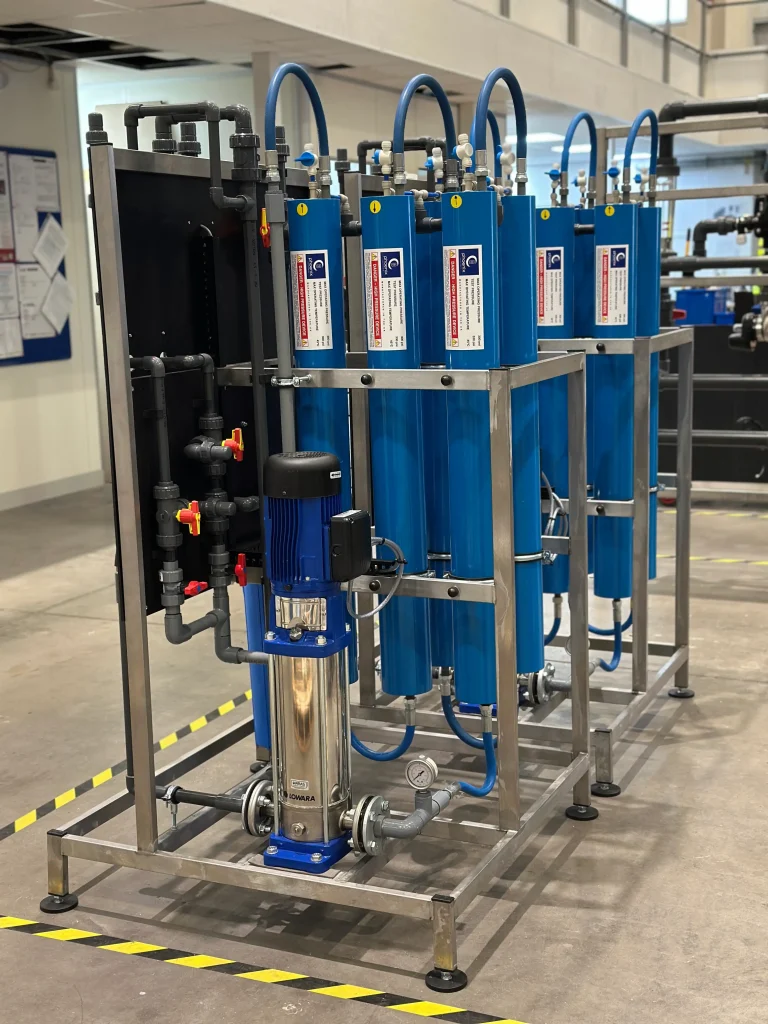
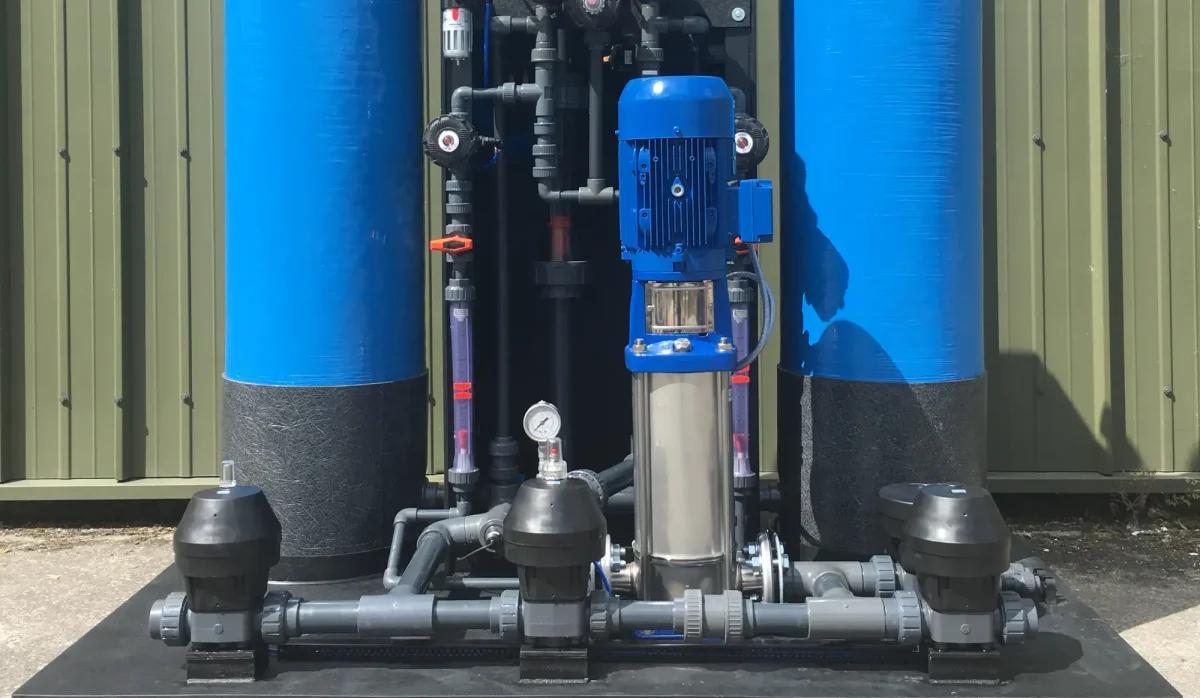
      Reverse osmosis is a high-efficiency membrane filtration technology that removes dissolved salts, minerals, organic compounds, and a wide range of contaminants from water. It works by applying pressure to feedwater and pushing it through a semi-permeable membrane. The membrane allows water molecules to pass through while rejecting unwanted substances.

      RO can remove particles down to 0.0001 microns, including:

      • Dissolved ions
      • Heavy metals
      • Silica
      • Organic matter
      • Bacteria

      This performance makes RO valuable for sectors that depend on precise water characteristics, such as food and beverage, pharmaceuticals, chemicals, microelectronics, automotive, coatings, and general industry.

      The 5 Key Benefits of Reverse Osmosis for UK Manufacturing

      1. Improved Water Purity and Process Stability

      Manufacturing processes work best when water quality remains consistent. Variations in mineral content or conductivity can affect product formulation, cleaning performance, thermal efficiency, and chemical reactions. Reverse osmosis creates a stable, high-purity water supply that behaves predictably from batch to batch.

      For applications such as rinsing, ingredient water, CIP systems, surface preparation, or coolant makeup, this stability supports:

      • More accurate product specifications
      • Cleaner finishes
      • Higher equipment reliability
      • Better thermal control

      Consistent water quality also reduces unexpected downtime caused by scale formation, fouling, or contamination.

      2. Reduced Chemical Usage and Lower Operating Costs

      Many manufacturers rely on chemical dosing to manage hardness, alkalinity, corrosion risk, or microbiological activity. Reverse osmosis reduces or eliminates the substances that cause these issues before they enter the process. This often results in:

      • Lower softener salt use
      • Fewer descalers and cleaning chemicals
      • Reduced need for corrosion inhibitors
      • Less wastewater neutralisation

      Chemical reduction helps control costs, simplifies chemical storage and handling, and supports sustainability targets. For plants operating under tight COSHH or environmental compliance requirements, RO provides a safer and more predictable alternative.

      3. Longer Equipment Life and Lower Maintenance Requirements

      Untreated water can introduce minerals and contaminants that reduce the life span of boilers, heat exchangers, cooling towers, pumps, valves, and pipework. Scale formation is one of the most common causes of:

      • Increased energy consumption
      • Poor heat transfer
      • Blocked nozzles
      • Reduced flow rates
      • Premature equipment failure

      Reverse osmosis significantly lowers the concentration of dissolved solids, which helps prevent scale and reduces the risk of corrosion. This results in cleaner systems, fewer breakdowns, and longer service intervals.

      For high-value assets such as steam boilers or precision cleaning systems, RO delivers measurable savings by reducing the mechanical stress caused by poor water quality.

      4. More Efficient Water and Wastewater Management

      With rising water and trade effluent costs across the UK, manufacturers are under pressure to use water more efficiently. Reverse osmosis supports better water management in several ways:

      • Higher recovery rates compared to other filtration methods
      • Reduced wastewater volumes
      • Greater potential for internal water reuse
      • Improved discharge quality

      Some sites integrate RO into a closed-loop scheme where treated water is reused in cooling, rinsing, or CIP stages. This reduces demand on mains water while lowering discharge fees and supporting sustainability commitments.

      For further insight, high-authority sources such as the UK Water Industry Research Centre (https://ukwir.org) and CIWEM (https://ciwem.org) provide additional background on UK water standards.

      5. Compliance Support and Reduced Risk

      UK manufacturers operate within a complex regulatory environment that includes water discharge permits, hygiene standards, environmental legislation, and sector-specific requirements. Reverse osmosis helps businesses achieve compliance by providing water that meets strict conductivity, microbiological, and mineral specifications.

      Sectors that benefit most include:

      • Food and beverage
      • Pharmaceuticals
      • Microelectronics
      • Chemical processing
      • Surface finishing
      • Automotive coatings

      High-purity water reduces the risk of non-conformance, product recall, or regulatory penalties. It also supports environmental stewardship and aligns with future UK sustainability standards.

      Reverse osmosis is widely used across industrial applications, including:

      • Boiler feedwater treatment
      • Rinse water for surface finishing
      • Ultrapure water generation for microelectronics
      • Ingredient water in beverage production
      • Steam generation for food processing
      • High-precision cleaning
      • Chemical formulation
      • Cooling tower makeup

      To see how RO integrates into your operation, visit:
      https://allwatertreatment.co.uk/reverse-osmosis-systems
      or browse the full product range:
      https://allwatertreatment.co.uk/products

      While reverse osmosis provides excellent purification performance, it often forms one part of a wider treatment system. Most industrial plants combine RO with:

      • Pre-treatment such as filtration, carbon, softening, or antiscalant dosing
      • Post-treatment including UV disinfection or deionisation
      • Wastewater treatment for discharge or reuse
      • Monitoring and control instrumentation

      AllWater supports clients with fully integrated system design to ensure RO units operate efficiently and remain protected from fouling or premature membrane failure.

      Every manufacturing site has its own water quality challenges. When specifying a reverse osmosis system, key considerations include:

      • Feedwater source and seasonal variation
      • Contaminant profile and hardness levels
      • Required output flow rates and peak demand
      • Purity targets measured in TDS or conductivity
      • Space limitations and pipework access
      • Energy consumption
      • Future expansion plans

      Incorrectly specified systems can lead to higher running costs, unnecessary waste, or performance issues. Working with a specialist ensures the RO system matches both current and future operational needs.

      RO systems deliver the greatest value when properly maintained. Key maintenance tasks include:

      • Monitoring differential pressure
      • Checking membrane health
      • Replacing pre-filters at correct intervals
      • Flushing and cleaning membranes
      • Verifying flow and conductivity performance
      • Calibrating instrumentation

      AllWater provides planned maintenance contracts, spares, and technical support to help clients maintain compliance and system performance. For more information visit:
      https://allwatertreatment.co.uk/services

      Reverse osmosis has become an essential technology for UK manufacturers seeking to improve water quality, control costs, and reduce environmental impact. Its ability to deliver consistent, high-purity water supports cleaner processes, longer equipment life, and more predictable performance across a wide range of applications.

      When integrated into a well-designed water treatment strategy, RO provides both immediate and long-term benefits. To discuss system selection or performance improvement, contact the AllWater team or visit the Reverse Osmosis Systems page for more information.

      Get in Touch with AllWater Technologies

      We’re here to help with all your water treatment needs. Whether you have questions about our services, want to discuss a project, or need support, our team is ready to assist you. Fill out the form for general enquiries, or you are welcome to email direct or give us a call.

      AllWater House

      Unit 2,

      Cheddar Business Park,

      Wedmore Road,

      Cheddar

      BS27 3EB

      Opening hours

      Mon-Fri: 08:30-17:30 (GMT)

        Demineralisation vs Reverse Osmosis: Choosing the Right Solution for Your Industry

        Water treatment sits at the heart of modern manufacturing.

        Whether it’s used in steam systems, cleaning, cooling, or product formulation, water quality influences everything from equipment lifespan to product consistency. Two technologies often considered by industrial water managers are demineralisation and reverse osmosis (RO). Each has its strengths. 

        Understanding how they differ can help you make the best long-term decision for your process.

        In this blog, we unpack:

        • How each technology works
        • Difference in water quality and efficiency
        • Cost implications for operations
        • Maintenance needs and lifecycle considerations
        • Real‑world guidance for selecting the right solution

        How Demineralisation and Reverse Osmosis Work

        Demineralisation (Ion Exchange)

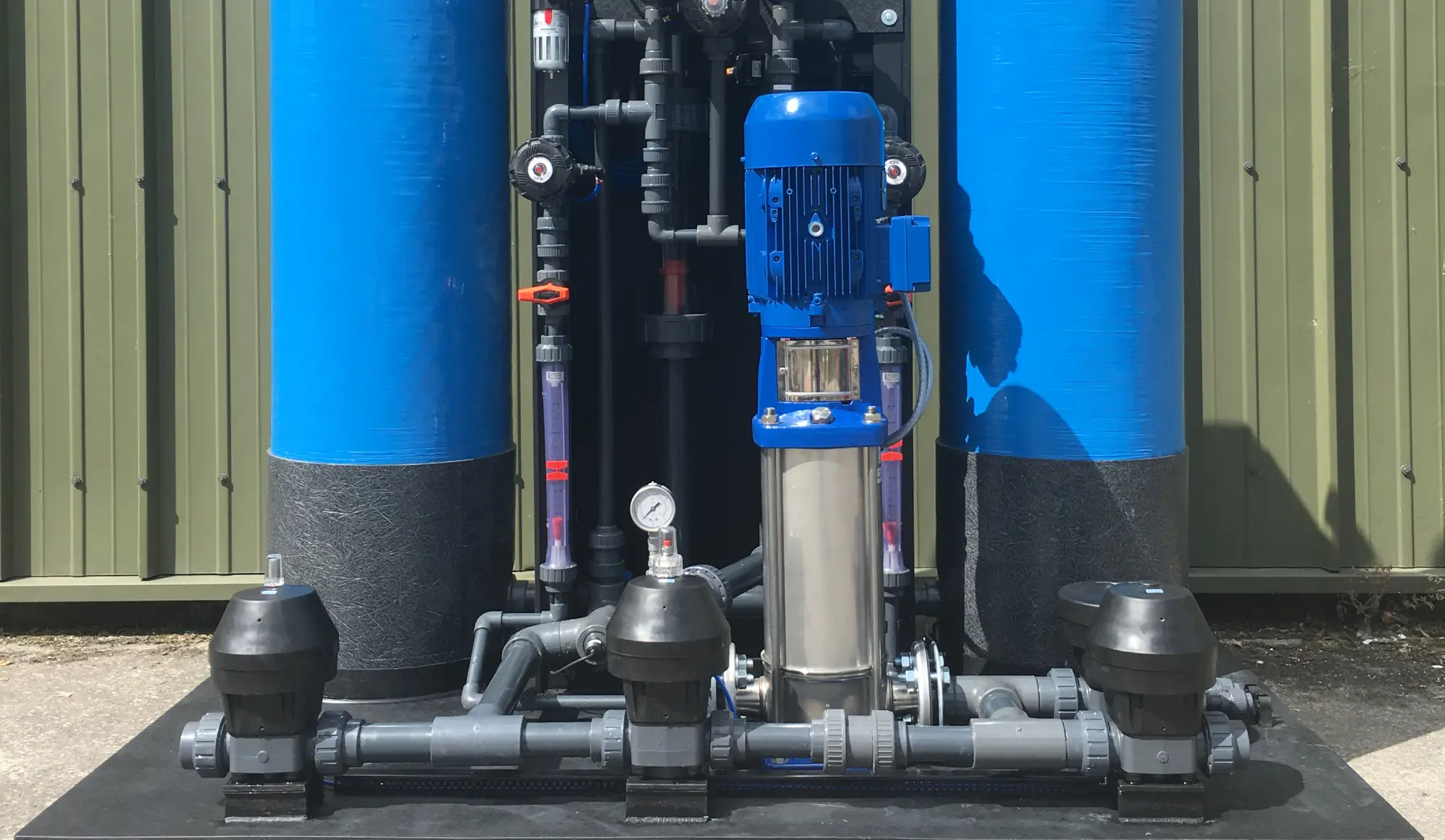
        Demineralisation uses special resins to remove dissolved salts from water. Cation resins exchange positive ions like calcium and magnesium for hydrogen ions. Anion resins then swap negative ions like sulphates and chlorides for hydroxide ions. That pair forms pure water.

        There are two main systems:

        • Co‑current flow where regeneration chemicals flow in the same direction as water. This method is simple and cost effective but provides less purity
        • Counter‑current flow where regeneration chemicals flow opposite to the process water flow. That gives higher purity, greater chemical efficiency, and lower running costs for high-quality output

        Reverse Osmosis (RO)

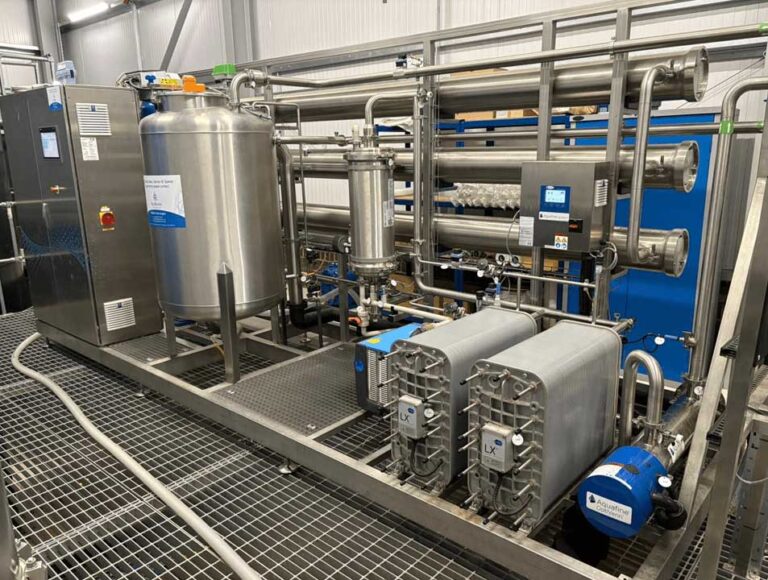
        RO pushes water through a semi‑permeable membrane at high pressure. The membrane allows water molecules to pass but rejects dissolved salts, organic matter, and many contaminants. Most RO systems provide around 90–99% salt rejection, depending on feedwater quality and pressure.

        RO is often paired with media filters or softeners to protect the membranes and ensure consistency.

        What Is Reverse Osmosis?

        Reverse osmosis is a water purification process that removes dissolved salts, minerals, and other contaminants using a semi-permeable membrane. It works by applying pressure to water on one side of the membrane, forcing the pure water molecules through while leaving unwanted substances behind.

        Unlike conventional filtration, which relies on pore size to block contaminants, RO can remove particles as small as 0.0001 microns. This includes:

        • Dissolved salts and minerals (e.g. calcium, sodium, chlorides)
        • Heavy metals (e.g. lead, arsenic)
        • Organic compounds and bacteria
        • Silica and nitrates

        This makes RO particularly well-suited for industries that require ultra-pure or high-quality water as part of their operations.

        Why You Can Trust Us

        AllWater Technologies optimises demineralisation and RO systems for UK manufacturers. Our engineers design fit-for-purpose water treatment systems that meet performance, durability, and regulatory standards.

        Key Differences in Performance and Application

        Water Quality Achievable

        Demineralisation produces extremely pure water with low conductivity. Counter‑current systems can achieve resistivity of 2–10 megohm‑cm, depending on maintenance. That works well for cleaning, boiler feed, and general industrial processes.

        RO, when used properly, yields water with low total dissolved solids. But its purity varies. Post‑treatment like deionisation or UV polishing is often needed for ultrapure applications such as pharmaceutical or semiconductor manufacturing.

        Feedwater Variability

        Demineralisation is highly dependent on feedwater composition. High hardness or high TDS water requires frequent regeneration. That increases consumption of chemicals and downtime.

        RO handles a wider range of feedwater qualities. It removes suspended solids, organics, and dissolved salts in a single process. Its only limitation is pressure and pretreatment requirements to protect the membrane.

        Process Efficiency

        In low flow or batch applications, demineralisation offers quick turnaround. Resin systems deliver high purity instantly. RO systems require time to ramp up pressure.

        However, RO is more efficient in high-flow or continuous-demand environments. It uses no chemical regenerants. Demineralisation needs regular acid and caustic to flush and regenerate.

        Cost Considerations: CAPEX and OPEX

        Capital Costs (CAPEX)

        Demineralisation systems generally cost less to install for small or intermittent demands. The purchase cost is lower because resins and tanks are simpler than high-pressure membranes.

        RO systems require high-pressure pumps, robust plumbing, and precise controls. Initial investment is higher. That said, modular RO systems are now available at lower cost for small to medium applications.

        Operating Costs (OPEX)

        Demineralisation has predictable chemical costs, but those chemicals can be expensive. Resin replacement or re-bedding adds to long-term costs.

        RO eliminates chemical usage for regeneration. Energy costs are the main operating expense. New RO membranes and energy-efficient designs help reduce that over time.

        When you evaluate total cost of ownership for a high-output system, RO often proves more economical.

        Demineralisation

        Resin requires regular validation of water quality. Resin beds need regeneration, requiring downtime and chemical handling procedures. Resin replacement occurs every 1–5 years, depending on the feedwater and usage.

        Reverse Osmosis

        RO membranes have a stable operating period. But they require routine cleaning, monitoring, and occasional replacement. Pre‑treatment is key to prevent fouling and scaling. Operators need to monitor pressure, flow, conductivity, and make adjustments to recovery rate or cleaning cycles.

        RO suits companies focused on sustainability. Reduced chemical use lowers disposal risk. Reject water can be recycled or reused in some processes, cutting wastewater volume.

        Demineralisation generates chemical by‑products during regeneration. Handling acidic or alkaline waste becomes a concern. That increases disposal costs and complication for compliance.

        Here are scenarios to guide your selection:

        Industrial Need

        Recommended System

        Why It Works Better

        Routine boiler feed or process rinses

        Demineralisation

        Simple, cost effective for consistent low‑scale needs

        Batch processes with infrequent usage

        Demineralisation

        Quick start, minimal setup requirements

        High‑purity demand (pharma, electronics)

        RO + Polishing

        Higher purity, stable quality

        Variable feedwater sources

        Reverse Osmosis

        Strong at removing wide range of impurities

        High‑flow, continuous water supply

        Reverse Osmosis

        Efficient scaling, lower running costs long‑term

        Sustainability goals

        Reverse Osmosis

        Lower chemical usage, potential for water reuse

        Start with Pretreatment

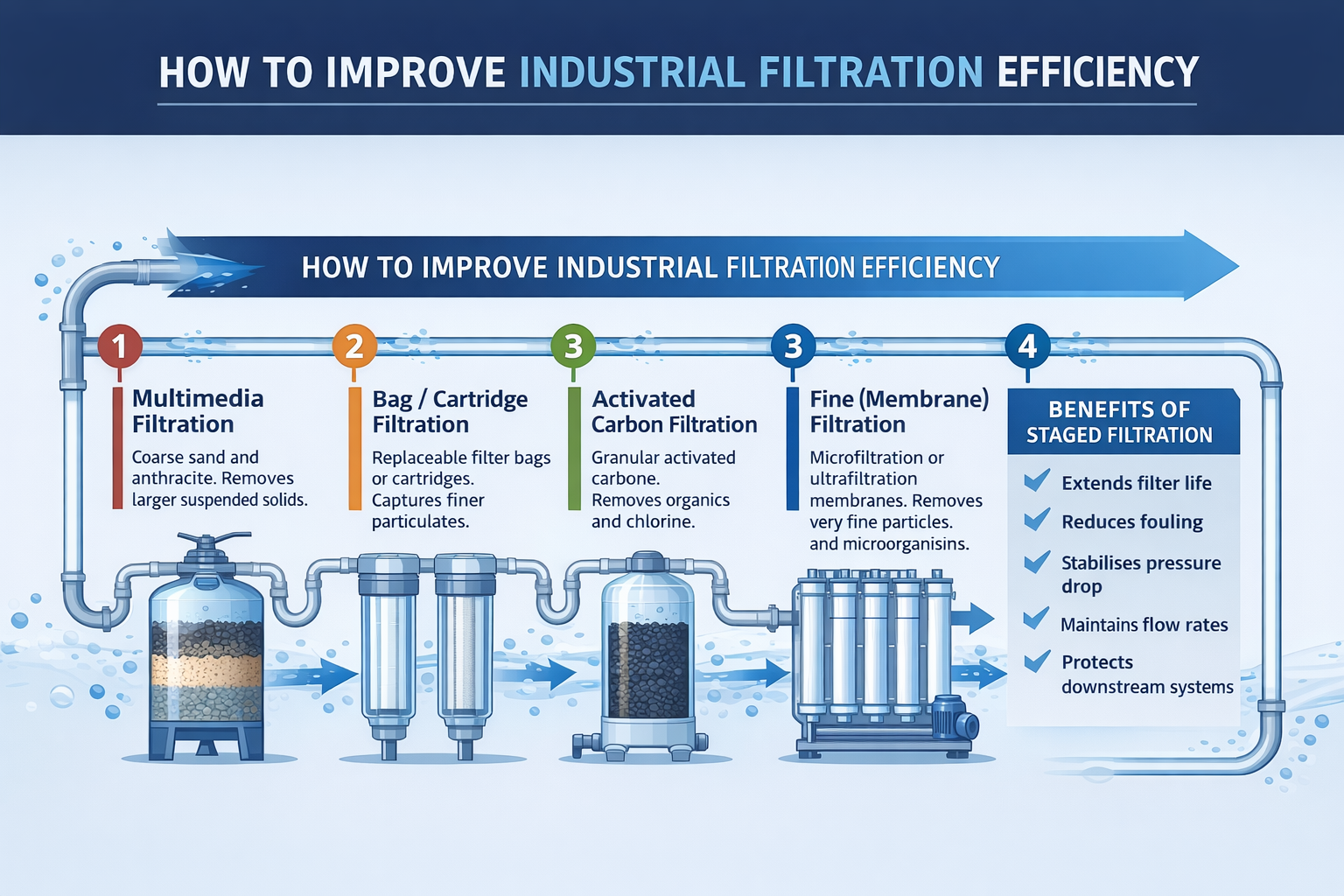
        Even if you choose demineralisation or RO, pre‑treatment matters. Hard water, chlorine, or particulates degrade performance. Including cartridge filters, softeners, or multimedia units can reduce resin and membrane wear.

        Monitor Performance Closely

        Track return conductivity, pressure, and flow rate. Set up alarms for signal drift. Adopting simple SCADA systems helps you stay ahead of failures.

        Think Lifecycle, Not Just Installation

        Negotiate long-term maintenance plans with your system provider. Regular cleaning, calibration, and component replacement extend system life and stabilise quality.

        Demineralisation offers simplicity, quick start, and lower upfront cost for small to moderate industrial demands. It suits batch processes, short-run production lines, or locations without high purity requirements.

        Reverse osmosis delivers broader contaminant removal, less chemical handling, better suitability for demanding specs, and long-term savings. It’s ideal for high throughput, high-purity, or sustainability‑focused operations.

        By comparing both technologies and matching them to your water challenges, you can choose a system that balances quality, cost, and ease of operation.

        Choosing between demineralisation and reverse osmosis does not have to be daunting. Listening to your process requirements, volume, feedwater profile, and environmental goals informs a clear path.

        As UK manufacturing continues to evolve, the ability to adapt water treatment to changing standards and volumes becomes more valuable. Whether you prioritise low-capex simplicity or long-term efficiency, both technologies offer important benefits.

        AllWater Technologies helps you evaluate those benefits based on your site, your process, and your vision for the future. For practical guidance, see our dedicated pages for reverse osmosis systems and contact us to explore demineralisation options.

        Let us help you choose a water treatment system that delivers cleaner water, better performance, and stronger results.

        Get in Touch with AllWater Technologies

        We’re here to help with all your water treatment needs. Whether you have questions about our services, want to discuss a project, or need support, our team is ready to assist you. Fill out the form for general enquiries, or you are welcome to email direct or give us a call.

        AllWater House

        Unit 2,

        Cheddar Business Park,

        Wedmore Road,

        Cheddar

        BS27 3EB

        Opening hours

        Mon-Fri: 08:30-17:30 (GMT)

          How Reverse Osmosis Systems Improve Industrial Water Quality

          Water quality is a critical factor in industrial performance.

          Whether it’s used as an ingredient, a cleaning agent, or a coolant, the purity and consistency of water can directly influence process efficiency, equipment longevity and product standards. One of the most effective ways to ensure high water quality in industrial settings is through reverse osmosis (RO).

          This article explores the role of reverse osmosis systems in industrial water treatment, how they work, and the benefits they offer for businesses seeking cleaner, more reliable water. You’ll also learn where RO systems are most valuable and how to integrate them into a broader water management strategy.

          Why You Can Trust Us

          AllWater combines engineering expertise, industry experience, and UK-based support to deliver compliant, high-performance water treatment systems trusted by leading manufacturers across multiple regulated sectors.

          What Is Reverse Osmosis?

          Reverse osmosis is a water purification process that removes dissolved salts, minerals, and other contaminants using a semi-permeable membrane. It works by applying pressure to water on one side of the membrane, forcing the pure water molecules through while leaving unwanted substances behind.

          Unlike conventional filtration, which relies on pore size to block contaminants, RO can remove particles as small as 0.0001 microns. This includes:

          • Dissolved salts and minerals (e.g. calcium, sodium, chlorides)
          • Heavy metals (e.g. lead, arsenic)
          • Organic compounds and bacteria
          • Silica and nitrates

          This makes RO particularly well-suited for industries that require ultra-pure or high-quality water as part of their operations.

          Why Water Quality Matters in Industry

          The quality of water used in industrial processes affects much more than just the final product. It influences nearly every part of an operation, including:

          • Equipment life cycle and maintenance costs
          • Chemical usage and cleaning frequency
          • Risk of scaling, fouling, or corrosion
          • Compliance with environmental discharge regulations
          • Energy efficiency and heat transfer performance
          • Final product quality and consistency

          Poor water quality can lead to downtime, non-compliance fines, and customer complaints. On the other hand, using treated water tailored to the process can enhance productivity and reduce operational risk.

          How Reverse Osmosis Enhances Water Quality

          RO systems address many of the issues associated with untreated or inadequately treated water. Here’s how they improve industrial water quality in practice:

          1. Removal of Dissolved Contaminants

          Hardness salts like calcium and magnesium, as well as chlorides, sulphates, and nitrates, can interfere with production. Reverse osmosis removes these at molecular level, delivering a much purer water stream. For many industries, this means less scaling in boilers and heat exchangers, improved rinse quality, and extended asset life.

          2. Consistent Output Quality

          Industrial processes depend on water that behaves the same way every time. RO systems are designed to maintain a stable output quality, regardless of variation in the feedwater. This reliability supports consistent product standards, especially in sensitive sectors like pharmaceuticals, electronics, and food processing.

          3. Chemical Reduction

          RO can reduce or eliminate the need for additional chemical dosing. By physically removing contaminants before they reach sensitive areas of the process, the reliance on softeners, descalers, or pH adjusters can be reduced. This not only saves money but also simplifies operations and storage requirements.

          4. Wastewater Minimisation

          Some systems combine RO with wastewater recovery, allowing for partial reuse of treated water within the plant. This is especially beneficial in industries where water discharge is limited or costly. It also supports broader sustainability goals and helps meet environmental targets.

          Reverse osmosis is used across a wide range of sectors. Each industry has different requirements, but the value of high-purity water remains consistent:

          • Pharmaceutical and biotechnology: RO is often the foundation of validated water purification systems used to produce purified water (PW), water for injection (WFI), or cleaning fluids for aseptic environments.
          • Microelectronics and semiconductors: RO helps remove tiny contaminants that could damage components or interfere with circuitry. Combined with deionisation, it forms part of ultrapure water (UPW) generation.
          • Food and beverage: In beverage production, RO is used for ingredient water and cleaning-in-place (CIP) systems, where consistent water quality is critical to taste and safety.
          • Surface treatment and metal finishing: Treated water prevents spotting, streaking, and inconsistent coatings during plating, anodising, or rinsing stages.
          • Chemical manufacturing: RO is used to maintain the correct concentrations in product formulation and minimise interference from unwanted ions.
          • General industry: From steam generation to equipment cleaning, any business reliant on process water can benefit from an RO system.

          To see how reverse osmosis fits into your application, explore the full AllWater product range or visit the AllWater homepage for a broader overview of services.

          Reverse osmosis is a powerful tool, but it rarely operates in isolation. Most industrial facilities integrate RO systems within a larger water treatment framework that may also include:

          • Pre-treatment: Sediment filters, carbon filters, or softeners to protect the membrane
          • Post-treatment: UV disinfection, degassing, or deionisation to meet specific purity goals
          • Wastewater treatment: For recovery, neutralisation, or discharge compliance
          • Monitoring and control: Instrumentation for flow, pressure, conductivity, and system alarms

          At AllWater, we design and deliver fully integrated systems that include everything needed to optimise water quality and minimise operating costs.

          Every industrial facility has unique water challenges. When designing an RO system, the following factors are taken into account:

          • Feedwater source: Whether it’s mains, borehole, or recycled water
          • Contaminant profile: The types and concentrations of impurities present
          • Required output: Flow rates, hours of operation, and peak demand
          • Purity specification: Measured in total dissolved solids (TDS), conductivity, or resistivity
          • Footprint and integration: Space availability, pipework, and utility connections
          • Maintenance access: Ease of cleaning, membrane replacement, and system monitoring

          This is where expert support makes a difference. Poorly specified systems can result in higher costs, lower reliability, or compliance issues. Working with a provider who understands your industry and objectives ensures a better return on investment.

          Reverse osmosis systems require regular maintenance to perform at their best. This includes:

          • Monitoring pressure differentials
          • Replacing membranes at scheduled intervals
          • Flushing and cleaning to prevent fouling
          • Checking pre-treatment efficiency
          • Calibrating sensors and instruments

          Partnering with a provider that offers ongoing support, spares, and system optimisation will keep your plant compliant and cost-effective in the long term.

          AllWater Technologies supports a wide range of clients through tailored water treatment services, performance audits, and planned maintenance contracts. Our nationwide team ensures every system delivers the reliability and purity your operation depends on.

          Industrial water quality has never been more important. With tightening environmental regulations, rising utility costs, and greater focus on process performance, the case for reverse osmosis has never been stronger.

          RO systems offer a proven way to improve water purity, reduce chemical use, extend equipment life, and support compliance. When integrated into a well-designed treatment system, they provide both immediate benefits and long-term value.

          To explore whether RO is right for your application, get in touch with the AllWater team today or visit our dedicated Reverse Osmosis Systems page for more detail.

          Get in Touch with AllWater Technologies

          We’re here to help with all your water treatment needs. Whether you have questions about our services, want to discuss a project, or need support, our team is ready to assist you. Fill out the form for general enquiries, or you are welcome to email direct or give us a call.

          AllWater House

          Unit 2,

          Cheddar Business Park,

          Wedmore Road,

          Cheddar

          BS27 3EB

          Opening hours

          Mon-Fri: 08:30-17:30 (GMT)