
When to Upgrade Your Water Treatment System

When water treatment systems outgrow your site: signs it is time to upgrade or redesign

Water treatment systems are often designed to meet current operational needs, but as industrial sites grow and processes evolve, those systems can quickly become outdated. This article explores the key signs that your system may no longer be fit for purpose, along with guidance on when to upgrade or fully redesign.

Why water treatment systems become outdated over time

No industrial process remains static. Production increases, equipment changes, and compliance requirements evolve. While water treatment systems are built for durability, they are not immune to these shifts.

Over time, many systems begin to operate outside of their original design parameters. This does not always result in immediate failure. Instead, performance gradually declines. Efficiency drops, maintenance becomes more frequent, and operating costs begin to rise.

In many cases, the system has not failed. It has simply been outgrown.

Recognising this early allows businesses to take a proactive approach, avoiding disruption and maintaining control over costs.

Increasing demand is pushing your system beyond its limits

One of the most common indicators that a system has been outgrown is increased demand.

As production grows, water usage rises. Systems that were originally designed for lower throughput may struggle to keep up, particularly during peak periods. This can lead to reduced flow rates, pressure instability, and inconsistent water quality.

In membrane systems, such as reverse osmosis, exceeding design capacity can accelerate fouling and reduce membrane lifespan. Pumps may also operate at higher loads, increasing both energy consumption and wear.

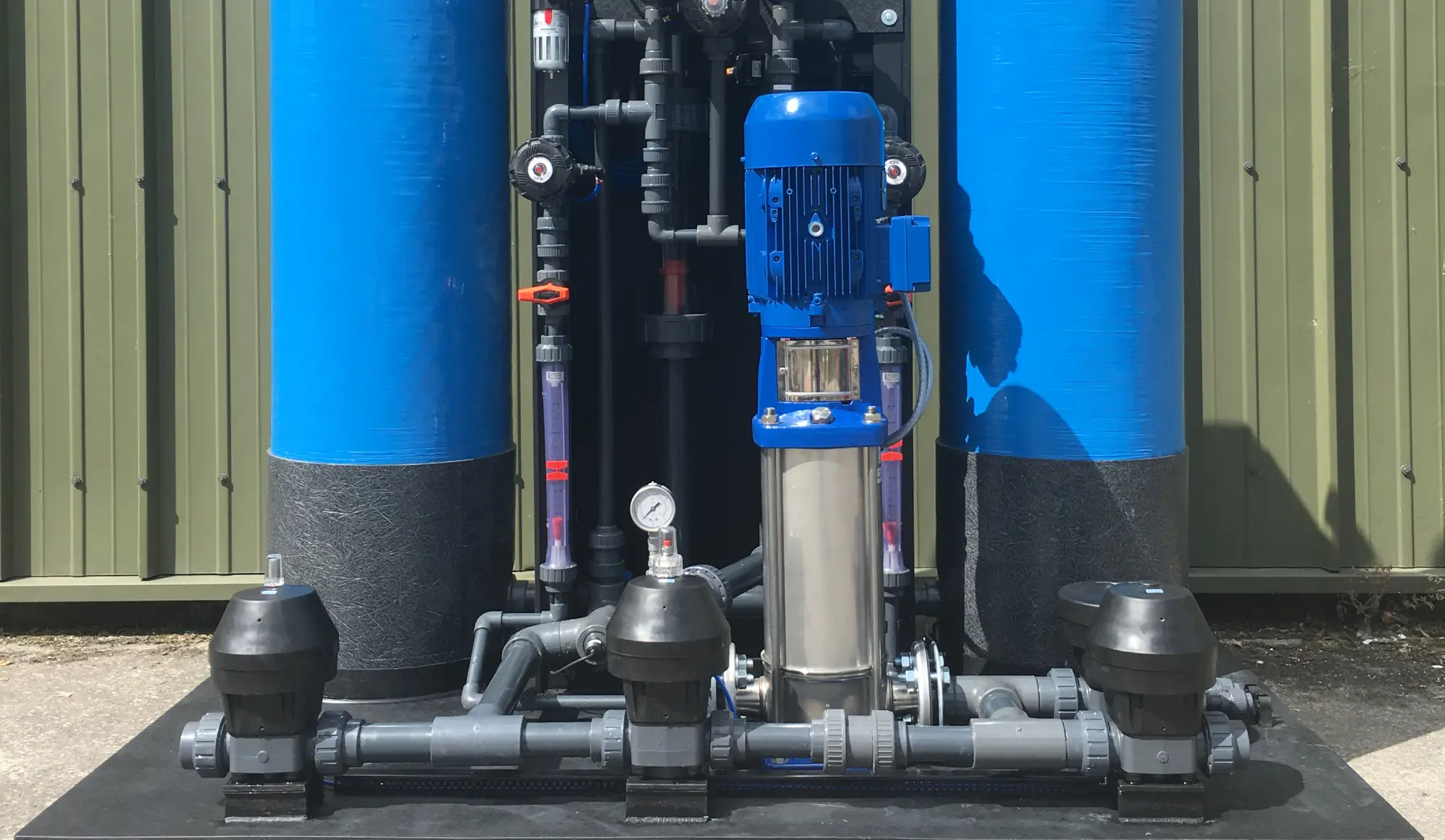
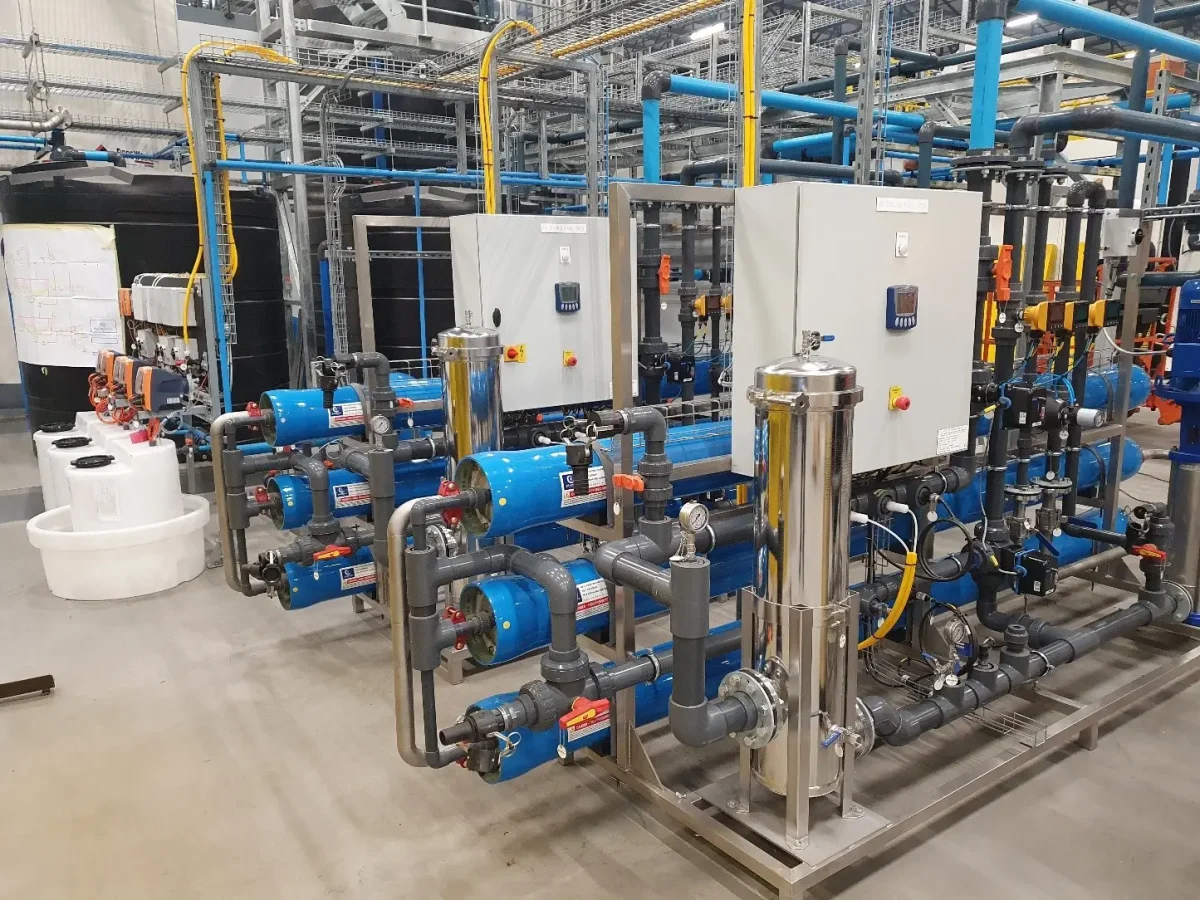
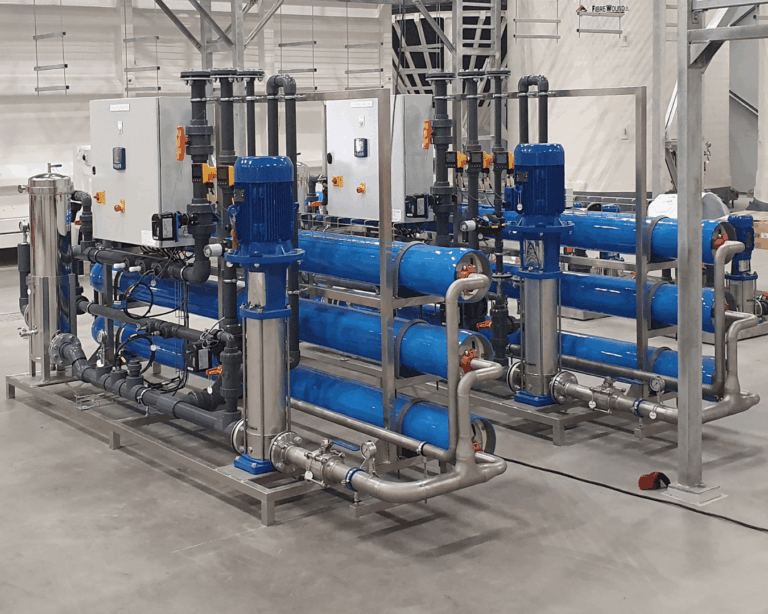
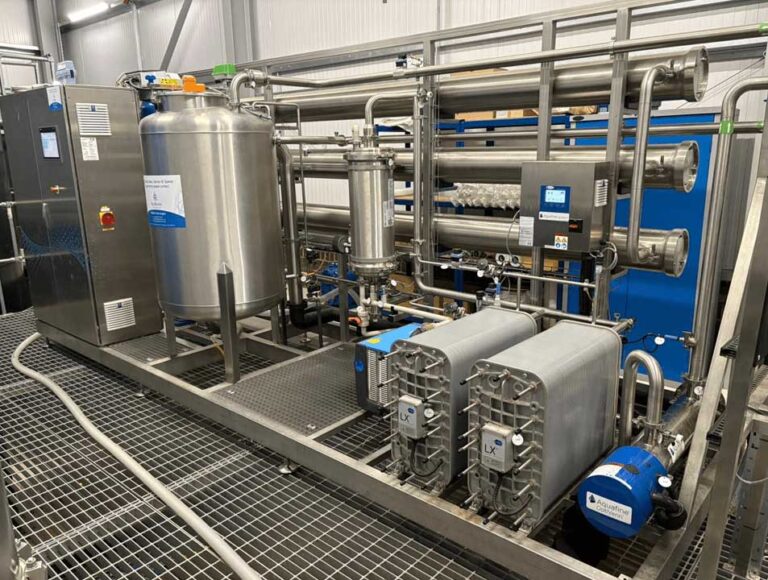
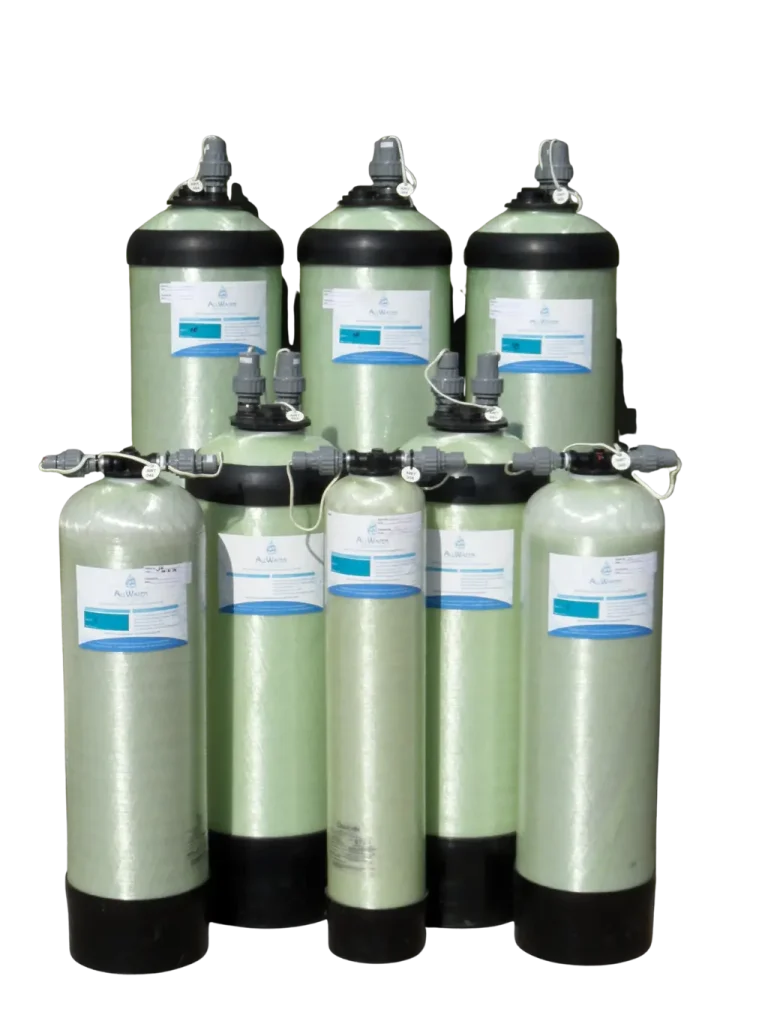
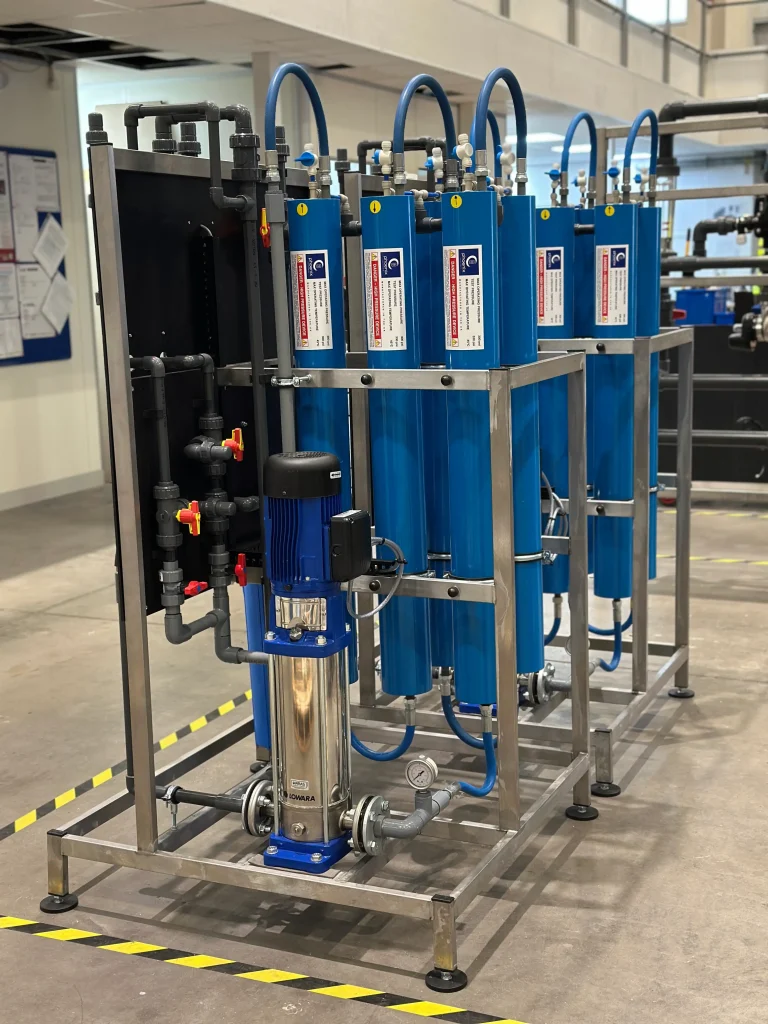
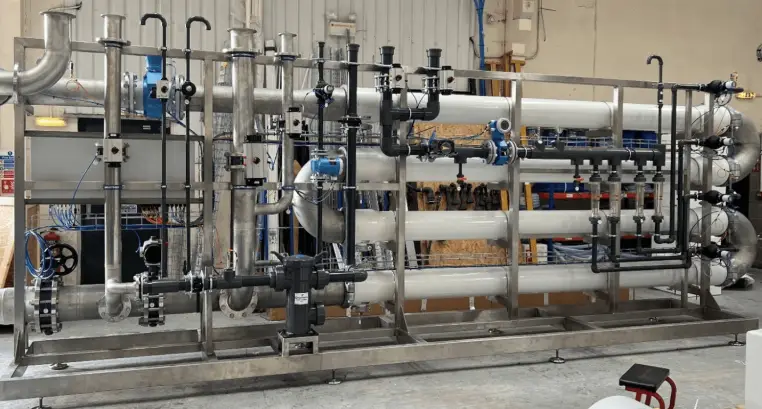
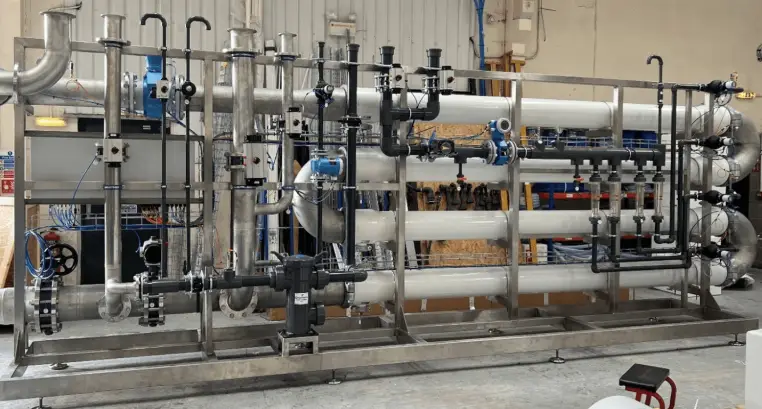
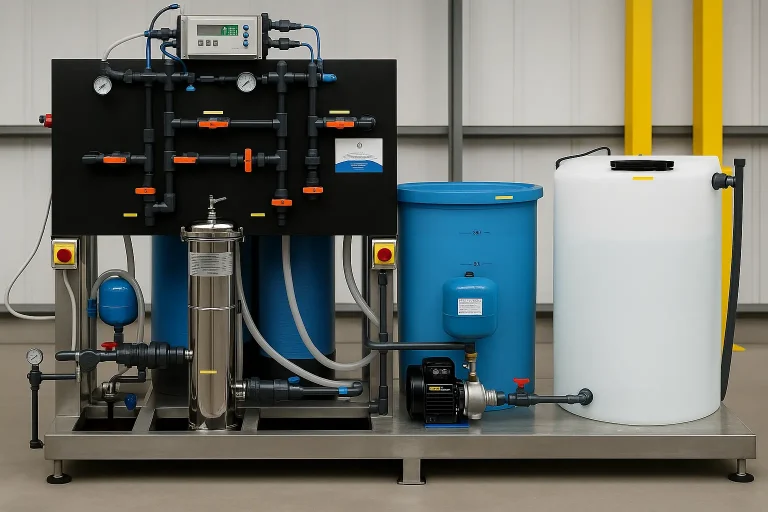
Upgrading to industrial reverse osmosis systems designed for higher capacity and scalability ensures that systems can meet current and future demand without compromising performance:

Planning for growth is essential to maintaining efficiency and reliability.

Water quality requirements have changed

Water quality requirements often become more stringent over time. This may be driven by changes in production processes, tighter product specifications, or updated regulatory standards.

Older systems may no longer be capable of achieving the required purity levels. Even if they continue to operate, they may struggle to maintain consistent results.

This can lead to quality control issues, increased waste, and potential compliance risks.

In these situations, system upgrades or redesigns are often required to introduce additional treatment stages or more advanced technologies.

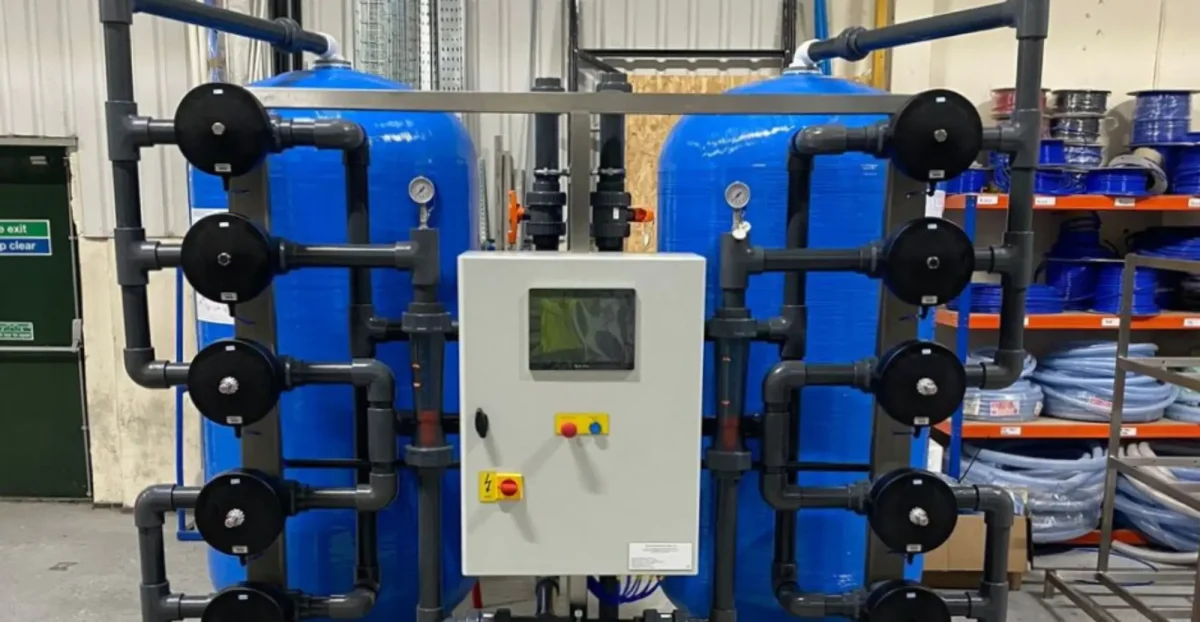
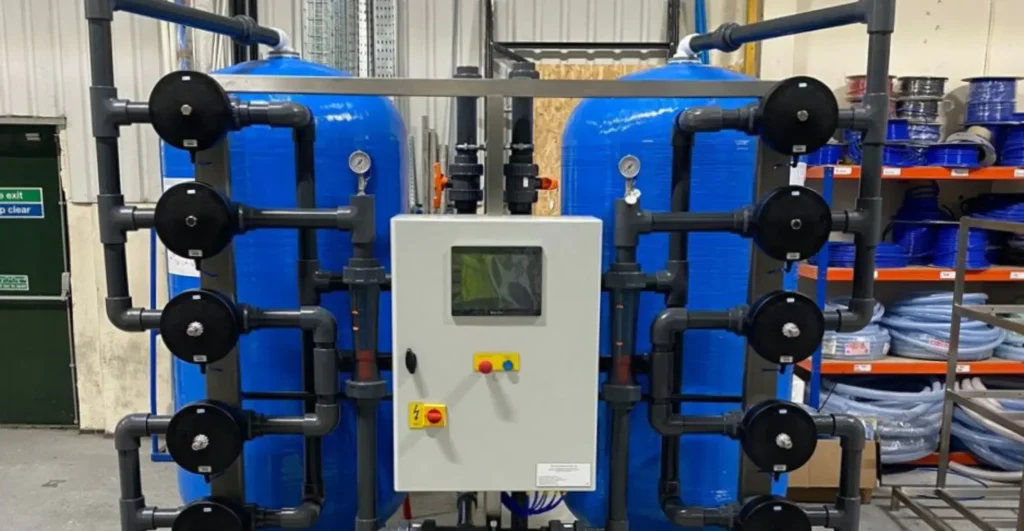
For high purity applications, advanced demineralisation systems for precise water quality control provide a reliable and efficient solution:

Ensuring water quality aligns with operational requirements is critical for maintaining performance.

Rising maintenance costs and frequent breakdowns

An increase in maintenance activity is often one of the first visible signs that a system is no longer operating efficiently.

Components such as pumps, valves, and membranes may require more frequent servicing or replacement. Issues such as scaling and fouling may become more persistent.

While individual repairs may seem manageable, the cumulative cost can become significant. More importantly, unplanned downtime can disrupt production and impact output.

In many cases, these issues are not caused by faulty equipment, but by systems operating beyond their intended design limits.

When maintenance becomes reactive rather than planned, it is often time to consider an upgrade.

Energy consumption is steadily increasing

Energy costs are a major factor in the operation of water treatment systems.

As systems become less efficient, they often require more energy to achieve the same output. Pumps may run longer or at higher pressures, and processes may take more time to complete.

These changes can be gradual, making them difficult to detect without monitoring.

The Carbon Trust highlights that improving industrial energy efficiency can deliver significant cost savings while reducing environmental impact.

If energy usage is increasing without a clear operational reason, it may indicate that the system is no longer optimised.

Inconsistent water quality is affecting operations

Consistency is essential in industrial processes. Variations in water quality can have a direct impact on product quality, process efficiency, and compliance.

Systems that have been outgrown often struggle to maintain stable performance. Fluctuations in key parameters such as conductivity or hardness can lead to:

  • Increased waste
  • Production inefficiencies
  • Quality issues
  • Compliance risks

These problems are often linked to systems operating beyond their design capabilities.

Addressing them typically requires more than minor adjustments. A system upgrade or redesign may be necessary to restore stability.

Your system lacks modern automation and monitoring

Many older systems rely on manual operation with limited visibility into performance.

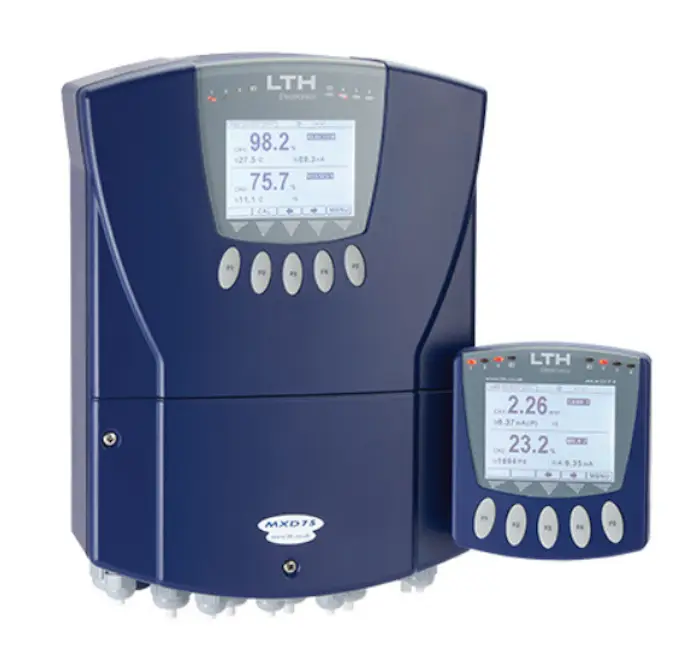
Without real-time monitoring, it can be difficult to identify inefficiencies or respond quickly to issues. Problems such as fouling or declining performance may go unnoticed until they begin to affect operations.

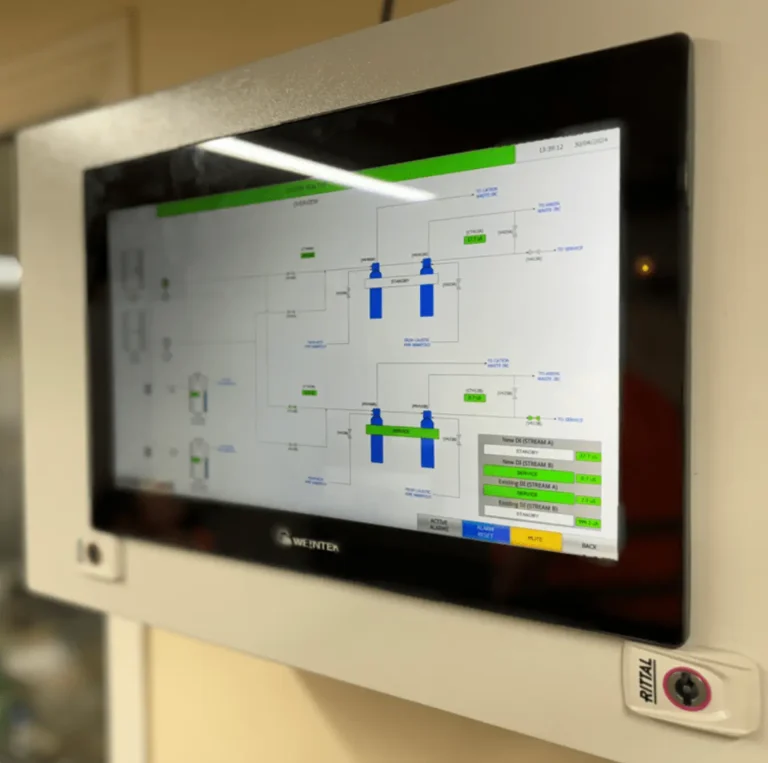
Modern systems incorporate automation, sensors, and data tracking to provide greater control and insight.

Upgrading to include these features allows for more proactive management, reducing downtime and improving efficiency.

The system no longer fits your physical space or layout

As sites expand or processes are reconfigured, physical space can become a limiting factor.

Systems that were once well positioned may become difficult to access or incompatible with new layouts. This can make maintenance more challenging and reduce overall efficiency.

In some cases, redesigning the system to fit the available space can improve both performance and usability.

Modern designs often prioritise compact, modular layouts that are easier to integrate into changing environments.

Compliance requirements have evolved

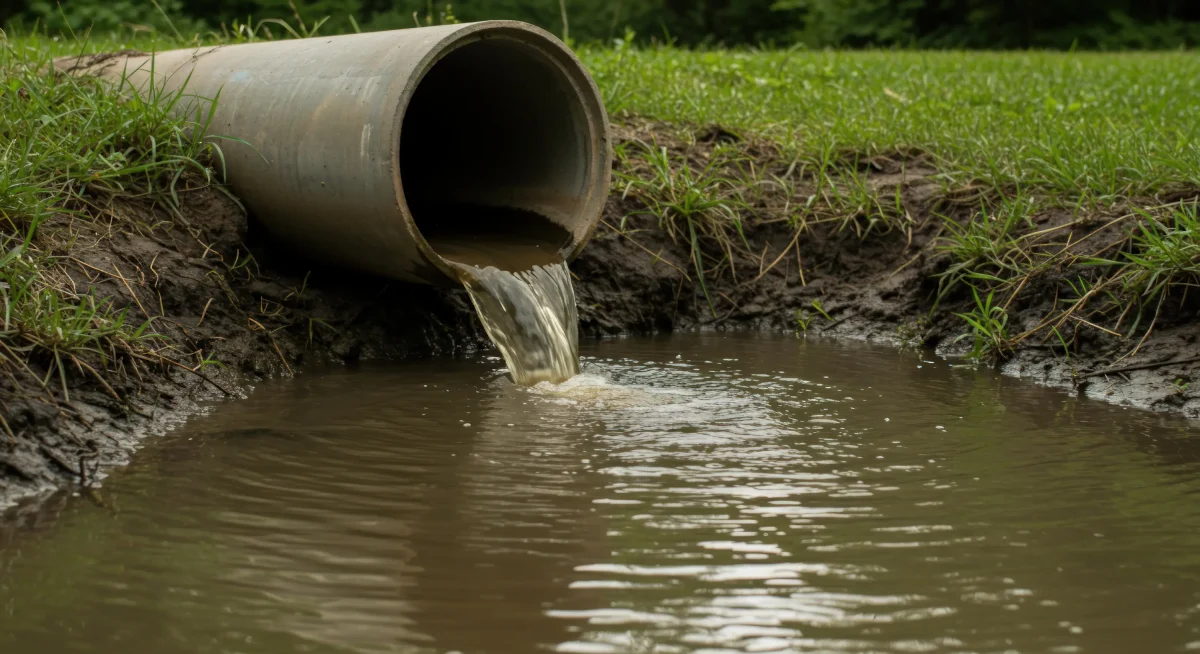
Regulatory standards are continually changing, particularly in areas such as environmental impact and water discharge.

Systems that were compliant at the time of installation may no longer meet current requirements. This can expose businesses to risk, including fines or operational restrictions.

Water UK provides guidance on maintaining compliance and managing water resources effectively here.

Ensuring that systems meet current standards is essential for long-term operation.

It is common for businesses to delay upgrades in order to avoid capital expenditure. However, the cost of maintaining an outdated system often exceeds the cost of improvement over time.

Inefficiencies, downtime, and rising maintenance costs all contribute to increased operational spend.

These costs are often hidden within day-to-day operations, making them difficult to quantify. However, their impact can be significant.

Taking a proactive approach allows businesses to regain control over performance and cost.

Not all situations require a full system redesign. In some cases, targeted upgrades can resolve specific issues.

However, when multiple performance challenges are present, or when the system no longer aligns with operational needs, a full redesign may be the most effective solution.

Key factors to consider include system age, current demand, required water quality, and long-term cost implications.

A structured assessment helps determine the best approach.

AllWater Technologies provides tailored solutions ranging from targeted upgrades to complete system redesigns, ensuring each site receives the most appropriate outcome.

Future-proofing involves designing systems that can adapt to change.

This includes allowing for capacity expansion, incorporating flexible layouts, and integrating modern monitoring technologies. Planning for maintenance and serviceability also plays a key role.

By considering these factors during design, businesses can reduce the need for frequent upgrades and ensure long-term reliability.

AllWater Technologies brings decades of combined experience designing and upgrading industrial water treatment systems across the UK and Europe. Each solution is based on detailed analysis of real operational conditions, ensuring reliable performance, improved efficiency, and long-term cost control through practical, engineered solutions tailored to each site.

Contact our team today to discuss upgrading or redesigning your water treatment system for improved performance, efficiency, and long-term reliability.

Get in Touch with AllWater Technologies

We’re here to help with all your water treatment needs. Whether you have questions about our services, want to discuss a project, or need support, our team is ready to assist you. Fill out the form for general enquiries, or you are welcome to email direct or give us a call.

AllWater House

Unit 2,

Cheddar Business Park,

Wedmore Road,

Cheddar

BS27 3EB

Opening hours

Mon-Fri: 08:30-17:30 (GMT)

    Water Treatment System Design Mistakes

    Water treatment system design mistakes that cost industrial sites thousands each year

    Poor system design is one of the most overlooked causes of inefficiency in industrial water treatment. This article explores the most common mistakes that lead to unnecessary costs, downtime, and performance issues, along with practical guidance on how to avoid them.

    Why system design has a direct impact on cost and performance

    Industrial water treatment systems are often treated as a background utility. Once installed, they are expected to operate consistently without drawing attention. However, in practice, the design stage has a lasting impact on how the system performs day to day, how much it costs to run, and how often it requires intervention.

    A system that has been poorly designed rarely fails outright. Instead, it operates just below optimal performance. Pumps work harder than they should. Membranes foul faster. Chemical dosing becomes inconsistent. Maintenance becomes more frequent. These incremental inefficiencies accumulate over time, often without being immediately obvious to operators.

    For many industrial sites, the true cost of a poorly designed system is not a single failure but a steady drain on resources. Increased energy consumption, higher chemical usage, unplanned downtime, and shortened equipment lifespan all contribute to operational costs that can run into thousands of pounds each year.

    In contrast, a well-designed system supports consistent production, predictable maintenance schedules, and lower overall operating costs. It aligns with the specific requirements of the site, rather than forcing processes to adapt around it. This is why system design should always be treated as a strategic investment rather than a one-off technical exercise.

    Failing to properly assess incoming water quality

    One of the most fundamental mistakes in system design is relying on incomplete or outdated water analysis. Water is not a uniform resource. Its composition varies significantly depending on geographic location, supply source, and even seasonal changes.

    Designing a system without a detailed and current understanding of water quality introduces risk from the outset. Assumptions about hardness, dissolved solids, or contaminant levels can lead to incorrect system sizing and inappropriate treatment methods.

    For example, underestimating hardness levels can result in scaling within boilers or membranes. Failing to identify silica or organic content can lead to fouling that reduces system efficiency and increases maintenance requirements. These issues are often misdiagnosed as operational problems when, in reality, they stem from design decisions made at the beginning.

    A comprehensive water analysis should form the foundation of any system design. This includes not only basic parameters such as conductivity and pH but also a deeper understanding of specific contaminants and how they may interact with treatment processes.

    Without this level of detail, even the most advanced equipment cannot perform as intended.

    Underestimating demand and future capacity requirements

    Another common mistake is designing systems based purely on current demand. While this may reduce initial capital expenditure, it often creates limitations as production requirements evolve.

    Industrial operations rarely remain static. Increased output, new processes, or changes in product specifications can all place additional demands on water treatment systems. Systems that were not designed with flexibility in mind may struggle to cope with these changes.

    In membrane-based processes such as reverse osmosis, exceeding design capacity can lead to reduced recovery rates, increased fouling, and higher energy consumption. Over time, this not only affects performance but also accelerates wear on key components.

    Designing for scalability does not necessarily mean oversizing equipment. Instead, it involves selecting systems that can be expanded or adapted as requirements change. This approach ensures that the system remains efficient and reliable over the long term.

    Investing in industrial reverse osmosis systems designed for scalable performance allows sites to increase capacity without the need for complete system replacement, reducing long-term costs and disruption.

    Poor integration with existing processes and equipment

    Water treatment systems are rarely standalone installations. They form part of a broader network of industrial processes, often interacting with boilers, cooling systems, production lines, and cleaning operations.

    A frequent design oversight is failing to consider how the treatment system integrates with these processes. When systems are designed in isolation, mismatches can occur that reduce efficiency and create operational challenges.

    For example, insufficient pre-treatment may allow particulates or hardness to reach sensitive equipment, leading to fouling or scaling. Pressure imbalances can affect downstream processes, while poorly configured control systems can result in inconsistent operation.

    These issues are often subtle and difficult to diagnose. The system may appear to be functioning, but underlying inefficiencies continue to impact performance and cost.

    Effective system design takes a holistic approach, ensuring that each component works in harmony with the wider process. This requires a clear understanding of how water is used across the site and how treatment processes can support those applications.

    Neglecting the importance of pre-treatment

    Pre-treatment is one of the most critical yet frequently underestimated aspects of water treatment system design. It serves as the first line of defence, protecting downstream equipment from contaminants that can cause damage or reduce efficiency.

    In an effort to reduce upfront costs, some systems are designed with minimal or inadequate pre-treatment. While this may appear cost-effective initially, it almost always leads to higher operational expenses.

    Without proper filtration, particulates can accumulate on membranes, reducing flow rates and increasing pressure requirements. Without softening, hardness can lead to scaling within boilers and heat exchangers. Without appropriate chemical conditioning, organic matter can contribute to fouling that is difficult to remove.

    These issues not only increase maintenance requirements but also shorten the lifespan of key components.

    Implementing high-performance industrial water filtration systems for pre-treatment protection helps to safeguard downstream processes, improve efficiency, and reduce long-term costs

    Pre-treatment should be viewed as an essential investment rather than an optional add-on.

    Ignoring energy efficiency during system design

    Energy consumption represents a significant portion of the operating cost of industrial water treatment systems. Design decisions made at the outset can have a lasting impact on how much energy a system requires to operate.

    Inefficient pump selection, poorly optimised pressure settings, and suboptimal system layouts can all contribute to increased energy usage. These inefficiencies may seem minor on a daily basis, but over time they can result in substantial financial costs.

    Improving energy efficiency is not only beneficial from a cost perspective but also supports wider sustainability goals. The Carbon Trust highlights that industrial energy efficiency improvements can deliver immediate financial savings while reducing environmental impact.

    Designing systems with energy efficiency in mind ensures that they remain cost-effective throughout their lifecycle.

    Lack of automation and real-time monitoring

    Despite advances in technology, many industrial water treatment systems still rely on manual operation and limited monitoring. This approach increases the risk of undetected performance issues.

    Without real-time data, problems such as fouling, scaling, or declining efficiency may go unnoticed until they have already impacted operations. This can lead to reactive maintenance, increased downtime, and inconsistent water quality.

    Automation and monitoring systems provide valuable insights into system performance. They allow operators to track key parameters, identify trends, and respond proactively to potential issues.

    Incorporating these capabilities during the design phase ensures that systems can be managed more effectively over time.

    Selecting the wrong treatment technology for the application

    Choosing the correct treatment technology is essential for achieving the desired water quality. However, this decision is often influenced by cost considerations or incomplete understanding of process requirements.

    Using the wrong technology can result in underperformance or unnecessary complexity. For example, softening may be sufficient for some applications, but high purity processes require demineralisation or advanced filtration methods.

    Over-specifying systems can also be problematic, leading to higher capital costs and increased operational complexity without delivering additional benefits.

    Each application should be assessed individually to determine the most appropriate treatment approach.

    For high purity requirements, custom-designed demineralisation systems for industrial processes provide a reliable solution tailored to specific needs:
    https://allwatertreatment.co.uk/demineralisation/

    Selecting the right technology ensures efficient operation and avoids unnecessary expenditure.

    Maintenance is a critical aspect of system performance, yet it is often considered only after installation. Systems that are difficult to access or service can lead to increased downtime and higher maintenance costs.

    Designing with maintenance in mind involves ensuring that components are easily accessible, that there is sufficient redundancy to allow servicing without disrupting operations, and that maintenance requirements are clearly understood.

    Organisations such as Water UK emphasise the importance of ongoing management and maintenance in maintaining system efficiency and compliance.

    A system that is easy to maintain is more likely to perform consistently over time.

    Individually, each of these mistakes may seem manageable. However, when combined, they can have a significant financial impact.

    Increased energy usage, higher chemical consumption, frequent maintenance, and unplanned downtime all contribute to rising operational costs. These issues often develop gradually, making them difficult to attribute directly to design decisions.

    Over time, the cumulative effect can be substantial, affecting both profitability and operational reliability.

    In contrast, investing in proper system design from the outset delivers long-term benefits. Systems operate more efficiently, require less intervention, and provide consistent water quality that supports production processes.

    Avoiding these issues requires a structured approach that considers all aspects of system design and operation.

    This includes conducting detailed water analysis, planning for future capacity, ensuring integration with existing processes, investing in appropriate pre-treatment, and prioritising energy efficiency. It also involves incorporating automation and selecting the right treatment technologies for each application.

    Working with experienced engineers ensures that these factors are addressed from the beginning, reducing the risk of costly mistakes.

    AllWater Technologies has extensive experience in designing and delivering industrial water treatment systems across a wide range of sectors.

    Each system is developed based on real operational requirements, ensuring that it performs reliably in practice, not just in theory. The team takes a practical, engineering-led approach, working closely with clients to understand their processes and identify potential challenges.

    Our focus on real-world performance allows industrial sites to avoid common design mistakes and achieve long-term cost savings through efficient, reliable water treatment systems.

    Speak to our engineers about improving your water treatment system design and reducing long-term operational costs. Click here to arrange a call or find out more.

    Get in Touch with AllWater Technologies

    We’re here to help with all your water treatment needs. Whether you have questions about our services, want to discuss a project, or need support, our team is ready to assist you. Fill out the form for general enquiries, or you are welcome to email direct or give us a call.

    AllWater House

    Unit 2,

    Cheddar Business Park,

    Wedmore Road,

    Cheddar

    BS27 3EB

    Opening hours

    Mon-Fri: 08:30-17:30 (GMT)


      What Is Electro

      Deionisation and How Does It Work?

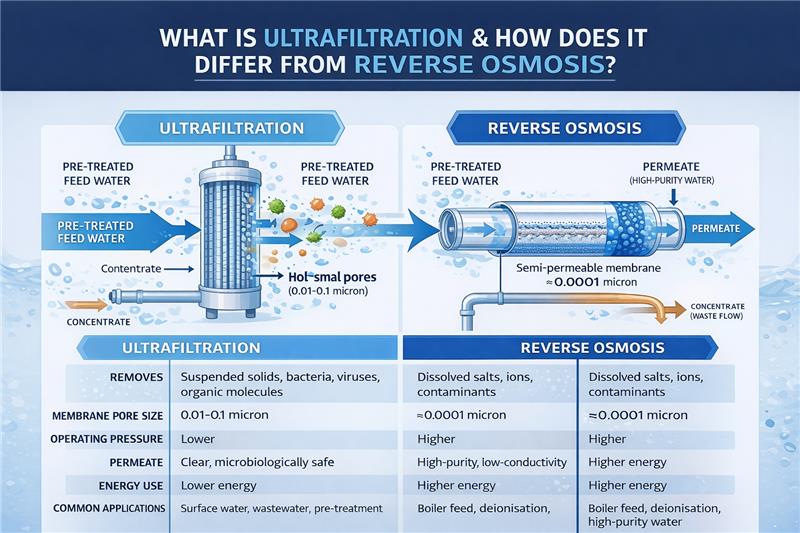
      Electro deionisation, often referred to as EDI, is an advanced water purification technology used to produce consistently high purity water for industrial and process-critical applications. It is most commonly installed downstream of reverse osmosis systems and is widely used in sectors where even trace levels of dissolved ions can affect performance, compliance, or product quality.

      Industries such as pharmaceuticals, power generation, electronics manufacturing, laboratories, and hydrogen production all rely on high purity water as a core process input. In these environments, water quality must be stable, predictable, and tightly controlled. Electro deionisation plays a key role in achieving this by polishing pre-treated water to extremely low conductivity levels on a continuous basis.

      Unlike traditional deionisation methods that rely on chemical regeneration, electro deionisation uses a combination of ion exchange resins, selective membranes, and an electrical field to remove ionic contaminants continuously. This removes the need for acids and alkalis while delivering a reliable and repeatable water quality output when the system is properly designed and operated.

      Understanding how electro deionisation works, where it fits within a complete water treatment system, and what its limitations are is essential when specifying pure water solutions for industrial use.

      Why You Can Trust Us

      AllWater Technologies designs and supports electro deionisation systems as part of fully engineered pure water solutions. With decades of experience across industrial sectors, the team understands the chemistry, materials, and operational realities behind EDI, ensuring systems are specified correctly and perform reliably long term.

      What Is Electro Deionisation?

      Electro deionisation is a polishing technology designed to remove residual dissolved ionic species from water following primary treatment. In most cases, this primary treatment is reverse osmosis, which removes the majority of total dissolved solids before the water enters the EDI system.

      The purpose of electro deionisation is not bulk salt removal but refinement. It targets low level ionic contaminants that remain after reverse osmosis and reduces them to extremely low concentrations. Under the right conditions, EDI systems can consistently produce water with resistivity values approaching 18.2 MΩ·cm, which is considered ultra-pure water.

      An EDI system combines three fundamental elements:

      • ion exchange resins that temporarily capture charged ions
      • ion selective membranes that allow specific ions to pass while blocking others
      • a direct current electrical field that drives ion migration and resin regeneration

      These components are arranged within modular EDI stacks that allow water to flow continuously through the system. Because the resins are regenerated electrically rather than chemically, the process does not require periodic shutdowns or chemical dosing cycles.

      This continuous operation is one of the defining characteristics of electro deionisation and a key reason it is favoured in applications that demand stable water quality around the clock.

      How Electro Deionisation Works

      To understand how electro deionisation works, it is useful to break the process down into stages.

      Pre-treated water enters the EDI module after passing through upstream treatment stages. This water is typically low in hardness, low in silica, and has a greatly reduced ionic load thanks to reverse osmosis.

      Inside the EDI module, the water flows through compartments filled with mixed bed ion exchange resin. As the water passes through these compartments, dissolved ions such as sodium, chloride, calcium, magnesium, sulphate, and nitrate are attracted to and held by the resin beads.

      At the same time, a direct current electrical field is applied across the module. This electrical field causes the captured ions to migrate off the resin and move through adjacent ion selective membranes. Positively charged ions move toward the cathode, while negatively charged ions move toward the anode.

      These ions are directed into concentrate channels, where they are flushed away from the system as a controlled waste stream. Meanwhile, the purified water continues through the product channels and exits the module with a significantly reduced ionic content.

      Crucially, the electrical field continuously regenerates the ion exchange resin in situ. This means the resin does not become exhausted in the same way as conventional mixed bed systems, removing the need for chemical regeneration using acid and caustic solutions.

      The result is a steady, continuous supply of high purity water with minimal operator intervention.

      Why Reverse Osmosis Is Essential Before EDI

      Electro deionisation is highly effective, but it is not designed to treat raw water directly. The technology relies on a high quality feed water to operate reliably and efficiently.

      Reverse osmosis is almost always used upstream of EDI to remove the majority of dissolved salts, organic compounds, bacteria, and particulates. By significantly reducing the total dissolved solids entering the EDI system, reverse osmosis protects the ion exchange resin and membranes from fouling, scaling, and premature failure.

      Without adequate pre-treatment, EDI modules can suffer from unstable performance, reduced water quality, and shortened component life. High hardness levels, elevated silica, or excessive carbon dioxide can all compromise EDI operation if they are not addressed at the design stage.

      This is why electro deionisation should never be considered in isolation. It must be integrated into a properly engineered treatment train that may include multimedia filtration, carbon filtration, water softening, degassing, and reverse osmosis depending on the incoming water quality and application requirements.

      Typical Applications of Electro Deionisation

      Electro deionisation is used in applications where consistent high purity water is essential and where chemical regeneration presents operational, safety, or environmental challenges.

      In pharmaceutical manufacturing, EDI is commonly used to produce purified water for formulation, cleaning, and clean-in-place systems. Consistent water quality is critical to meeting regulatory standards and maintaining batch integrity.

      In power generation, electro deionisation is used to polish boiler feed water and turbine make-up water. Even trace ionic contamination can contribute to corrosion, scaling, or stress cracking in high pressure systems.

      Electronics and semiconductor manufacturing rely on ultra-pure water for rinsing and processing sensitive components, where any ionic residue can cause defects or performance issues.

      Laboratories and analytical facilities use EDI to produce high purity water for testing, sample preparation, and equipment feed.

      Emerging applications such as hydrogen production also require extremely pure feed water to protect electrolysers and maintain efficiency over time.

      EDI Water Quality and Material Compatibility

      While high purity water is often described as clean or pure, it is important to understand that water produced by electro deionisation is chemically aggressive if not properly managed.

      Water with very low ionic content has a strong tendency to dissolve materials it comes into contact with. Fully deionised water can attack metals such as copper and mild steel, particularly if system materials are not selected correctly or if water chemistry is not stabilised.

      This makes material compatibility a critical consideration when designing EDI systems. Pipework, storage tanks, valves, and fittings must be chosen to withstand ultra-pure water without leaching contaminants or suffering corrosion.

      Stainless steel grades, suitable polymers, and specialist materials are commonly used downstream of EDI systems. System design must also consider flow velocities, temperature, and stagnation risks.

      This is one of the key reasons why electro deionisation systems should only be specified and installed by experienced water treatment engineers with a thorough understanding of both water chemistry and mechanical design.

      Advantages of Electro Deionisation

      When applied correctly, electro deionisation offers several clear advantages over traditional deionisation methods.

      The most significant benefit is continuous operation. EDI systems produce high purity water without the need for shutdowns, regeneration cycles, or resin changeouts associated with conventional mixed bed systems.

      The elimination of acid and caustic chemicals reduces health and safety risks, simplifies site compliance, and lowers environmental impact. It also removes the need for chemical storage, handling, and waste neutralisation.

      Water quality is stable and predictable, which is critical for process consistency and regulatory compliance. Automation and monitoring allow performance to be tracked in real time.

      Over the long term, EDI systems can offer lower operating costs, particularly in applications with continuous demand for high purity water.

      Limitations and Design Considerations

      Despite its advantages, electro deionisation is not suitable for every application.

      EDI systems are sensitive to feed water quality and operating conditions. Elevated carbon dioxide can reduce resistivity performance. Silica can pass through membranes if not controlled upstream. Hardness breakthrough can lead to scaling and irreversible damage.

      Electrical supply stability, correct flow rates, and appropriate control strategies are also essential. EDI is a precision technology and does not tolerate poor design or neglect.

      In some applications, conventional mixed bed deionisation may still be more appropriate, particularly where demand is intermittent or feed water quality is highly variable.

      A detailed water analysis and process review is always required before selecting electro deionisation.

      AllWater Technologies provides electro deionisation as part of fully integrated pure water treatment solutions rather than as standalone equipment.

      The process begins with a detailed assessment of raw water quality, required product water specification, flow rates, and operational constraints. This allows the treatment system to be engineered correctly from the outset.

      AllWater designs complete systems that may include filtration, softening, reverse osmosis, degassing, electro deionisation, storage, and distribution. Each element is selected to protect downstream equipment and ensure stable long-term performance.

      Installation is carried out with careful attention to materials, controls, and commissioning procedures. Performance is verified against design criteria, and operators are supported with training and documentation.

      Ongoing service support includes maintenance, fault diagnosis, consumables supply, and system optimisation. This ensures electro deionisation systems continue to operate reliably throughout their lifecycle.

      Click here for more information about our Electro-Deionisation Systems

      Electro deionisation is a powerful and efficient technology when applied correctly. It offers a reliable route to high purity water without the operational burden of chemical regeneration.

      Success depends on correct system design, appropriate pre-treatment, material compatibility, and experienced support. When these factors are addressed, EDI can deliver long-term performance, reduced risk, and consistent water quality for demanding industrial applications.

      Get in Touch with AllWater Technologies

      We’re here to help with all your water treatment needs. Whether you have questions about our services, want to discuss a project, or need support, our team is ready to assist you. Fill out the form for general enquiries, or you are welcome to email direct or give us a call.

      AllWater House

      Unit 2,

      Cheddar Business Park,

      Wedmore Road,

      Cheddar

      BS27 3EB

      Opening hours

      Mon-Fri: 08:30-17:30 (GMT)

        Ultrafiltration vs RO

        What Is Ultrafiltration and How Does It Differ from RO?

        Ultrafiltration and reverse osmosis are both membrane-based water treatment technologies widely used in industrial systems. While they are often mentioned together, they perform very different roles and are designed to remove different types of contaminants.

        Choosing between ultrafiltration and reverse osmosis is not simply a question of which technology is better. It depends on water quality, process requirements, operating conditions, and what the treated water will be used for. In many cases, the two technologies are used together as part of a staged treatment process.

        Understanding how ultrafiltration works, how it differs from reverse osmosis, and where each technology is most effective is essential when designing or optimising an industrial water treatment system.

        Why You Can Trust Us

        AllWater Technologies designs, installs, and supports membrane-based water treatment systems across a wide range of industrial applications. With hands-on experience of ultrafiltration and reverse osmosis in real operating environments, the team understands how each technology performs in practice and how to apply them correctly within complete treatment systems.

        What Is Ultrafiltration?

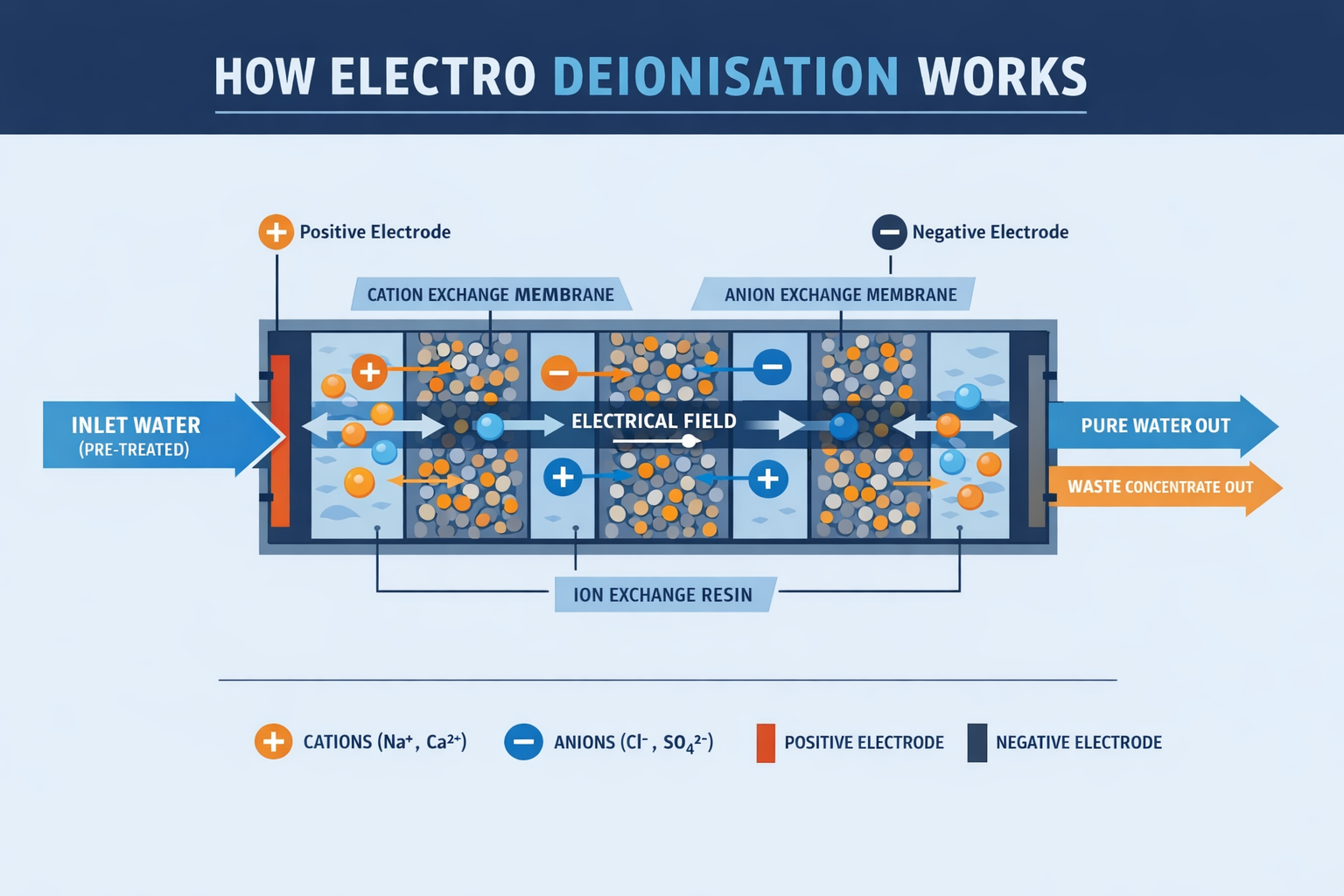
        Ultrafiltration, commonly referred to as UF, is a membrane filtration process used to remove suspended solids, bacteria, viruses, and high molecular weight organic compounds from water.

        Ultrafiltration membranes have pore sizes typically ranging from around 0.01 to 0.1 microns. This allows them to retain particles, microorganisms, and colloidal material while allowing dissolved salts and small molecules to pass through.

        UF systems operate at relatively low pressure compared to reverse osmosis. Water is pushed across the membrane surface, and clean permeate passes through the membrane pores while contaminants are retained and periodically flushed away.

        Because ultrafiltration removes physical and biological contaminants rather than dissolved salts, it is often used as a pre-treatment step rather than a final polishing stage.

        How Ultrafiltration Works

        Ultrafiltration membranes are commonly arranged in hollow fibre or flat sheet configurations. Feed water flows either from the outside to the inside of the fibres or vice versa, depending on system design.

        As water passes across the membrane surface, particles larger than the membrane pores are retained. Over time, these retained contaminants build up and must be removed through backwashing, air scouring, or chemical cleaning.

        UF systems can operate in dead-end or cross-flow modes. Dead-end operation is more common in water treatment applications and allows high recovery, while cross-flow operation is used where fouling loads are higher.

        The result is water that is clear, low in turbidity, and microbiologically safe, but still contains dissolved minerals and salts.

        What Is Reverse Osmosis?

        Reverse osmosis is a high-pressure membrane process designed to remove dissolved salts, ions, and small organic molecules from water.

        RO membranes have an effective pore size much smaller than ultrafiltration membranes. Rather than relying on physical pore exclusion alone, reverse osmosis uses pressure to overcome osmotic forces and drive water molecules through a semi-permeable membrane.

        This process removes the majority of total dissolved solids, producing low conductivity water suitable for industrial processes that require high purity.

        Because of the pressures involved and the sensitivity of RO membranes, effective pre-treatment is essential to prevent fouling and damage.

        Key Differences Between Ultrafiltration and RO

        While both technologies use membranes, the differences between ultrafiltration and reverse osmosis are significant.

        Ultrafiltration removes suspended solids, bacteria, viruses, and colloids. Reverse osmosis removes dissolved salts, ions, and low molecular weight organics.

        UF operates at low pressure, typically a few bar, while RO requires much higher pressures depending on feed water quality.

        Ultrafiltration allows dissolved minerals to pass through, meaning water chemistry remains largely unchanged. Reverse osmosis fundamentally alters water chemistry by removing dissolved content.

        UF membranes are generally more robust and tolerant of variable water quality. RO membranes are more sensitive and require carefully controlled operating conditions.

        These differences mean the technologies serve different purposes rather than competing directly.

        When Ultrafiltration Is the Right Choice

        Ultrafiltration is well suited to applications where the primary concern is particulate and biological contamination rather than dissolved salts.

        Typical applications include surface water treatment, borehole water clarification, wastewater reuse, cooling water pre-treatment, and protection of downstream membranes.

        UF is also widely used where consistent low turbidity and microbial control are required without changing mineral content.

        Because ultrafiltration operates at lower pressure and does not reject salts, it can be more energy efficient and simpler to operate in appropriate applications.

        When Reverse Osmosis Is Required

        Reverse osmosis is required when dissolved salts, ions, or specific chemical contaminants must be removed.

        RO is commonly used for boiler feed water, process water, ingredient water, rinse water, and any application where conductivity or total dissolved solids must be tightly controlled.

        It is also essential in systems feeding deionisation or electro deionisation, where dissolved ionic load must be minimised.

        In these cases, ultrafiltration alone would not provide sufficient purification.

        Using Ultrafiltration and RO Together

        In many industrial systems, ultrafiltration and reverse osmosis are used together rather than as alternatives.

        Ultrafiltration provides an effective barrier against suspended solids, bacteria, and colloids upstream of RO. This protects reverse osmosis membranes from fouling and extends their operational life.

        By stabilising feed water quality, UF improves RO performance, reduces cleaning frequency, and enhances overall system reliability.

        This staged approach is particularly valuable when treating surface water, recycled water, or variable feed sources.

        Ultrafiltration systems generally require regular backwashing and periodic chemical cleaning to control fouling. Monitoring transmembrane pressure is key to maintaining performance.

        Reverse osmosis systems require careful control of pressure, recovery, and water chemistry. Cleaning is more complex and must be carried out correctly to avoid membrane damage.

        While UF systems are often more forgiving, both technologies benefit from proper monitoring, maintenance, and operator training.

        Improper operation of either system can quickly reduce performance and increase operating costs.

        Ultrafiltration does not significantly change water chemistry, which can be beneficial where mineral balance is important.

        Reverse osmosis produces low mineral water that can be chemically aggressive if not managed correctly. Downstream materials must be selected carefully to avoid corrosion or leaching.

        Understanding how each technology affects water chemistry is essential when integrating them into wider systems.

        AllWater specifies ultrafiltration and reverse osmosis based on application requirements rather than default preferences.

        The process begins with a detailed review of feed water quality, required treated water specification, flow demand, and operational constraints.

        Ultrafiltration is selected where robust, efficient removal of particulates and microorganisms is required. Reverse osmosis is specified where dissolved solids control is essential.

        Systems are designed as integrated treatment trains, with appropriate pre-treatment, monitoring, and controls to ensure long-term performance.

        Installation, commissioning, and ongoing support ensure systems operate as intended and adapt to changing conditions.

        A common misconception is that ultrafiltration can replace reverse osmosis. In reality, UF cannot remove dissolved salts and cannot deliver the same level of purity.

        Another misconception is that RO alone is sufficient without robust pre-treatment. In many cases, lack of effective filtration upstream leads to poor RO performance and high maintenance costs.

        Understanding the strengths and limitations of each technology avoids costly design mistakes.

        Ultrafiltration and reverse osmosis serve different but complementary roles in industrial water treatment.

        Ultrafiltration excels at removing suspended and biological contaminants, while reverse osmosis targets dissolved salts and ions. Choosing the right technology depends on the application, not on perceived performance alone.

        When applied correctly and, where appropriate, used together, UF and RO deliver reliable, efficient, and high-quality water treatment solutions for industrial systems.

        Get in Touch with AllWater Technologies

        We’re here to help with all your water treatment needs. Whether you have questions about our services, want to discuss a project, or need support, our team is ready to assist you. Fill out the form for general enquiries, or you are welcome to email direct or give us a call.

        AllWater House

        Unit 2,

        Cheddar Business Park,

        Wedmore Road,

        Cheddar

        BS27 3EB

        Opening hours

        Mon-Fri: 08:30-17:30 (GMT)

          Improve Filtration

          How to Improve Filtration Efficiency in Industrial Systems

          Filtration plays a critical role in industrial water treatment. Whether protecting downstream equipment, maintaining process water quality, or ensuring regulatory compliance, effective filtration underpins the performance and reliability of the entire system.

          However, filtration efficiency is often misunderstood. Poor filter performance is frequently blamed on the filter itself, when in reality the issue lies with system design, incorrect media selection, inadequate maintenance, or a mismatch between filtration technology and the application.

          Improving filtration efficiency is not about installing finer filters by default. It requires a clear understanding of the contaminants present, the role filtration plays within the wider treatment process, and how operational factors influence long-term performance.

          This article explores practical, engineering-led ways to improve filtration efficiency in industrial systems, focusing on design, operation, and optimisation rather than short-term fixes.

          Why You Can Trust Us

          AllWater Technologies designs, installs, and maintains industrial filtration systems across a wide range of sectors. With hands-on experience of real-world operating conditions, the team understands how filtration behaves over time and how to optimise performance without compromising system reliability or increasing risk.

          What Filtration Efficiency Really Means

          Filtration efficiency is often simplified to the idea of removing as many particles as possible. In practice, it is a balance between contaminant removal, flow stability, pressure drop, and filter life.

          An efficient filtration system removes the contaminants it is designed to target while maintaining consistent flow rates, acceptable differential pressure, and predictable maintenance intervals. If any of these factors are compromised, overall system performance suffers.

          For example, installing a very fine cartridge filter may remove smaller particles, but it can also cause rapid blockage, increased pressure drop, and frequent filter changes. In this scenario, filtration efficiency is actually reduced, even though nominal filtration rating has improved.

          True efficiency is application-specific and must be defined in terms of system performance, not just micron ratings.

          Start With a Clear Understanding of Contaminants

          The first step in improving filtration efficiency is understanding what needs to be removed from the water.

          Industrial water sources can contain a wide range of contaminants, including suspended solids, silt, rust, scale, organic matter, oils, biological material, and process-specific particulates. Each behaves differently and requires an appropriate filtration approach.

          Particle size distribution is particularly important. A system designed around an assumed particle size may perform poorly if the actual distribution is broader or finer than expected. Similarly, sticky or compressible particles can block filters far more quickly than inert solids.

          Water analysis, visual inspection, and historical operating data all contribute to building an accurate picture of contamination. Without this understanding, filter selection becomes guesswork.

          Select the Right Filtration Technology

          Different water filtration technologies are suited to different roles within an industrial system. Improving efficiency often involves ensuring the right technology is being used at the right point.

          Common industrial filtration technologies include:

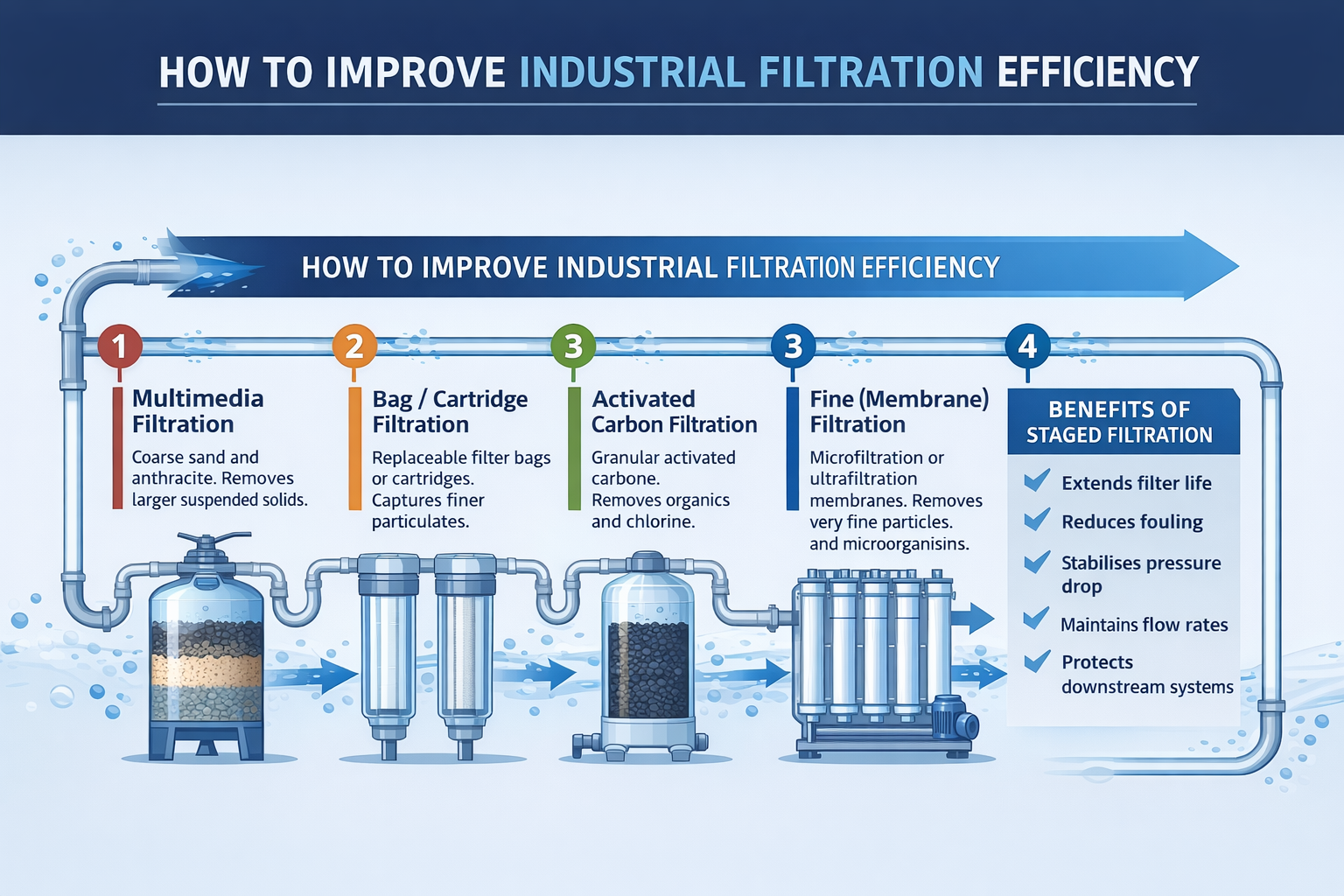
          • multimedia filters for bulk suspended solids removal
          • bag and cartridge filters for finer particulate filtration
          • automatic self-cleaning filters for continuous operation
          • activated carbon filters for organic compounds and chlorine
          • membrane filtration for fine and dissolved contaminants

          Using fine filtration where coarse filtration is required is a common mistake. Bulk solids should be removed using robust, high-capacity filters before finer polishing stages. This protects downstream filters and extends service life.

          Matching filtration technology to contaminant type and loading is one of the most effective ways to improve efficiency without increasing operating costs.

          Use Filtration Stages, Not Single Filters

          One of the most effective strategies for improving filtration efficiency is staged filtration.

          Instead of relying on a single filter to do all the work, staged systems remove contaminants progressively. Coarse filters remove larger particles first, followed by finer filters that handle lower particle loads.

          This approach reduces the stress on individual filters, stabilises pressure drop, and significantly increases overall system reliability. It also makes maintenance more predictable and cost effective.

          In industrial systems feeding reverse osmosis, deionisation, or sensitive process equipment, staged filtration is essential rather than optional.

          Optimise Flow Rates and Contact Time

          Filtration performance is closely linked to flow rate. Excessive flow can force particles through filter media, reduce capture efficiency, and accelerate fouling.

          Each filtration technology has an optimal operating range. Operating outside this range compromises performance and shortens filter life.

          Improving filtration efficiency often involves reviewing actual flow conditions against design assumptions. Process changes, system expansions, or equipment upgrades can all increase flow without filtration being reassessed.

          In some cases, reducing flow velocity or increasing filter surface area delivers immediate improvements without changing filtration media.

          Monitor Differential Pressure Properly

          Differential pressure is one of the most valuable indicators of filtration performance, yet it is often poorly monitored or misunderstood.

          A gradual increase in differential pressure indicates normal filter loading. Sudden increases may suggest fouling, biological growth, or inappropriate filter selection. Little or no pressure change can indicate bypassing or filter damage.

          Improving efficiency means setting realistic pressure thresholds and acting on trends rather than waiting for failures. Automated monitoring and alarms are particularly valuable in continuous industrial operations.

          Regular review of pressure data allows filtration performance to be optimised over time rather than managed reactively.

          Maintenance Practices Matter

          Even the best-designed filtration system will perform poorly if maintenance is inconsistent or inappropriate.

          Filters left in service beyond their effective life can collapse, channel, or release captured contaminants back into the system. Conversely, changing filters too frequently increases operating costs without improving performance.

          Improving filtration efficiency involves establishing maintenance schedules based on operating data rather than fixed time intervals alone. This includes correct installation, proper sealing, and verification that replacement filters meet specification.

          Training operators to recognise early signs of filtration issues is just as important as the filters themselves.

          Filtration efficiency is influenced not only by particles but also by water chemistry.

          Iron, manganese, oils, biofilm, and organic matter can foul filters in ways that simple particle filtration cannot address. In these cases, pre-treatment such as oxidation, chemical dosing, or upstream separation may be required.

          Ignoring fouling mechanisms leads to repeated filter failures and poor system performance. Addressing the root cause improves filtration efficiency across the entire treatment process.

          This is particularly important in systems feeding membranes or deionisation, where fouling can cause irreversible damage.

          One of the clearest measures of filtration efficiency is how well downstream equipment is protected.

          Effective filtration reduces membrane fouling, stabilises ion exchange performance, and protects pumps, valves, and instrumentation. Poor filtration often reveals itself through increased maintenance elsewhere in the system.

          Improving filtration efficiency should always be assessed in terms of overall system health rather than filter performance in isolation.

          AllWater approaches filtration efficiency as part of a complete system rather than a standalone component.

          The process begins with a detailed review of raw water quality, system requirements, and operational history. This allows filtration stages to be selected based on real conditions rather than assumptions.

          AllWater designs filtration systems that balance contaminant removal with flow stability, pressure management, and maintainability. This often involves staged filtration, correctly sized housings, and appropriate automation.

          Installation and commissioning focus on correct operation from day one, including verification of pressure drops and flow distribution. Ongoing service support ensures filtration performance is maintained as operating conditions change.

          By combining design expertise with practical field experience, AllWater helps industrial clients achieve reliable filtration without unnecessary complexity or cost.

          Several recurring issues undermine filtration performance in industrial systems.

          These include over-specifying filter fineness, under-sizing housings, ignoring flow changes, poor maintenance practices, and treating symptoms rather than causes.

          Addressing these issues often improves efficiency without significant capital investment. In many cases, optimisation delivers better results than equipment replacement.

          Industrial systems are rarely static. Process demands change, water sources vary, and regulatory requirements evolve.

          Improving filtration efficiency is an ongoing process rather than a one-off exercise. Regular system reviews, performance monitoring, and incremental improvements help maintain efficiency over the long term.

          Filtration should be treated as an active component of the water treatment strategy, not a passive consumable.

          Improving filtration efficiency in industrial systems requires more than changing filters. It involves understanding contaminants, selecting appropriate technologies, optimising operation, and maintaining systems based on real data.

          When filtration is designed and managed correctly, it protects downstream equipment, stabilises processes, and reduces long-term operating costs.

          For industrial operators, investing time in filtration efficiency pays dividends across the entire water treatment system.

          Get in Touch with AllWater Technologies

          We’re here to help with all your water treatment needs. Whether you have questions about our services, want to discuss a project, or need support, our team is ready to assist you. Fill out the form for general enquiries, or you are welcome to email direct or give us a call.

          AllWater House

          Unit 2,

          Cheddar Business Park,

          Wedmore Road,

          Cheddar

          BS27 3EB

          Opening hours

          Mon-Fri: 08:30-17:30 (GMT)

            Ion Exchange Resin

            What type of ion exchange resin is used in water treatment?

            There are many different types and grades of ion exchange resin used for a wide range of industrial and commercial applications. This article focuses specifically on the resins most commonly used in water and wastewater treatment. It is not exhaustive but is intended to provide a clear overview of ion exchange resin types and their practical uses.

            The two main categories of ion exchange resin

            Ion exchange resins are first divided into two primary categories:

            • Cationic
            • Anionic

            Cation resins carry a negative charge and attract positively charged ions such as sodium Na+ and calcium Ca2+.

            Anion resins carry a positive charge and attract negatively charged ions such as chlorides Cl- and sulphates SO42-.

            Both cation and anion resins can also be further classified into strong and weak forms.

            Strong vs weak ion exchange resins

            Strong resins are capable of splitting both strongly and weakly dissociated salts. Weak resins can only split weakly dissociated salts.

            For example, calcium sulphate is a strong salt and can only be effectively split by a strong acid cation resin. Calcium bicarbonate is less strongly bonded and can therefore be split by a weak acid cation resin.

            This distinction is important because certain contaminants can bind so firmly to strong resins that regeneration becomes difficult or inefficient over time. Weak resins may require less chemical regeneration and can therefore improve operational efficiency in specific applications.

            Ion exchange resin for water softening

            One of the most common applications of ion exchange water treatment is water softening. Water hardness is caused by calcium and magnesium ions associated with sulphates, carbonates and bicarbonates. These hardness salts can form scale when water is heated or concentrated, such as in boilers or reverse osmosis feed systems.

            A strong acid cation resin operated in the sodium form is typically used to soften water. In this process, sodium ions are exchanged for calcium and magnesium ions. Sodium salts do not form scale, making softened water advantageous in heated or high-concentration environments.

            Ion exchange resins have a finite capacity and require regeneration once exhausted. In water softening systems, a concentrated brine solution is passed through the resin to release calcium and magnesium ions and return the resin to the sodium form. Regeneration is usually triggered by volume throughput, although online hardness monitoring may also be used.

            Ion exchange resin in demineralised water systems

            For demineralised or deionised water production, both cation and anion resins are used in sequence. Water first passes through the cation vessel, where ions such as calcium, magnesium and sodium are replaced with hydrogen ions. It then flows through the anion vessel, where sulphates, carbonates and chlorides are replaced with hydroxyl ions.

            The hydrogen and hydroxyl ions combine to form pure water H2O.

            In demineralisation systems, conductivity monitoring is typically used to detect resin exhaustion and trigger regeneration. Cation resins are usually regenerated with hydrochloric acid, while anion resins are regenerated with sodium hydroxide.

            Ion exchange resins can also be categorised by structure:

            Gel type resins have a compact structure that swells in water. They often provide higher capacity but are more susceptible to organic fouling and osmotic shock.

            Macroporous resins have a more open, sponge-like structure. They offer higher mechanical strength and better resistance to organic fouling, making them suitable for applications where organic contamination is common, such as metal finishing rinse water recovery.

            Standard grade resins usually have bead sizes between 0.3 and 1.2 mm, which is suitable for most water treatment applications.

            Mono grade resins are more uniform in size, typically around 0.5 to 0.6 mm. This uniformity allows for lower pressure loss, faster ion exchange kinetics, reduced chemical usage and shorter contact times. Mono grade resins also rinse more quickly after regeneration, reducing water consumption.

            Although mono grade resins are more expensive, they are often used in high-performance or short cycle regeneration systems.

            Shallow shell resin is a more recent development in ion exchange technology. In these resin beads, only the outer shell contains functional groups while the inner core remains inert.

            This design reduces fouling, shortens diffusion paths and decreases the amount of chemical required for regeneration, often by up to 30 percent. Rinse water usage can also be reduced by up to 50 percent. The reduced bead expansion also helps protect against osmotic shock.

            Chelating resins are specialised ion exchange resins designed with functional groups that have a strong affinity for heavy metals such as copper, zinc and nickel.

            These resins can remove metals effectively even in the presence of high background contaminants that would typically hinder removal with conventional resins. For example, wastewater from metal finishing processes often contains high calcium levels following lime neutralisation. A chelating resin will preferentially bind heavy metals and can achieve removal to very low parts per billion levels, even in low pH conditions.

            Choosing the correct ion exchange resin depends on water composition, treatment goals and operational efficiency requirements. Understanding the differences between cation and anion resins, strong and weak functionality, structural design and specialist options such as chelating or shallow shell technology is essential for effective water and wastewater treatment performance.

            Get in Touch with AllWater Technologies

            We’re here to help with all your water treatment needs. Whether you have questions about our services, want to discuss a project, or need support, our team is ready to assist you. Fill out the form for general enquiries, or you are welcome to email direct or give us a call.

            AllWater House

            Unit 2,

            Cheddar Business Park,

            Wedmore Road,

            Cheddar

            BS27 3EB

            Opening hours

            Mon-Fri: 08:30-17:30 (GMT)

              Why Demineralised Water

              Is Essential for Industrial Applications

              Water plays a central role in almost every industrial process, from steam production to cooling, rinsing, formulation, and cleaning. However, untreated water contains dissolved minerals, ions, and impurities that can disrupt sensitive processes, damage equipment, and increase operating costs. Demineralised water provides a controlled, high-purity solution that supports performance, compliance, and long-term operational reliability.

              This article explores what demineralised water is, why it is used across UK manufacturing, and the benefits it brings to regulated and precision-based industries. It also explains how demineralisation systems work, where they add the most value, and the importance of correct design and maintenance.

              Why You Can Trust Us

              AllWater supplies high-performance water treatment systems designed specifically for industrial environments. The team brings extensive engineering expertise, practical commissioning experience, and a long history of supporting UK manufacturers across sectors including food processing, pharmaceuticals, energy, chemicals, and advanced engineering. All solutions are built around reliability, compliance, and long-term performance, backed by a nationwide support and service network.

              What Demineralised Water Is and Why It Matters

              Demineralised water is water that has had almost all dissolved minerals and ions removed. It is typically produced through ion exchange, membrane separation, or a combination of technologies. Unlike softened water, which only removes hardness ions such as calcium and magnesium, demineralised water removes a much broader range of contaminants.

              Demineralisation removes ions including:

              • Calcium and magnesium
              • Sodium and potassium
              • Chlorides and sulphates
              • Nitrates
              • Silica
              • Carbonates
              • Other dissolved solids

              The result is water with extremely low conductivity, making it suitable for applications where minerals would interfere with processes, cause scale, or compromise the quality of the final product.

              Industries that rely on precise chemical reactions, clean rinsing, or high-purity steam often depend on demineralised water to maintain efficiency, safety, and consistency.

              The Key Benefits of Demineralised Water for Industrial Applications

              1. Prevention of Scale and Mineral Deposits

              Mineral content in feedwater can quickly lead to scale build-up in boilers, heat exchangers, cooling circuits, and pipework. These deposits reduce heat transfer, increase energy consumption, and accelerate equipment wear.

              Demineralised water prevents scale formation by removing the ions responsible for deposits, helping to maintain system cleanliness and improve performance.

              This leads to:

              • Better heat transfer efficiency
              • Lower energy usage
              • Extended equipment life
              • Reduced downtime

              For steam raising systems, this is particularly important because even small amounts of scale can significantly raise operating costs.

              2. Greater Process Consistency and Quality Control

              Many industrial processes rely on water with predictable behaviour and minimal variation. Minerals can affect chemical reactions, alter product composition, and weaken cleaning or rinsing performance.

              By removing dissolved ions, demineralised water supports:

              • Precise batching and formulation
              • Stable chemical processes
              • Higher purity end products
              • Improved rinse quality in surface finishing
              • Consistent results in laboratory and production environments

              Industries such as pharmaceuticals, cosmetics, food production, and microelectronics depend on tight quality control, making demineralised water a critical part of their operations.

              3. Reduced Maintenance Costs and Equipment Stress

              Untreated water often contributes to corrosion, fouling, and mechanical wear.

              Benefits of demineralisation can include:

              • Lower corrosion risk in boilers, pipework, and cooling systems
              • Less fouling on membranes, nozzles, and spray systems
              • Longer service intervals
              • Fewer unplanned breakdowns
              • Lower spending on cleaning chemicals and descalers

              With the correct application, demineralised water creates cleaner operating conditions, which help protect high-value assets and reduce lifecycle costs.

              4. Improved Steam Quality for Boilers and Power Generation

              High-purity water is essential for steam production. Minerals carried into steam can damage turbines, contaminate process lines, and cause carryover in boilers.

              Demineralised water supports:

              • High-purity steam generation
              • Reduced boiler blowdown
              • Lower fuel consumption
              • Better protection for turbines and high-pressure systems

              This makes demineralised water a vital component in manufacturing sites that rely on steam for heating, sterilisation, or power generation.

              5. Regulatory Compliance and Safer Operations

              Many industries operate under strict quality and hygiene regulations. Demineralised water supports compliance by ensuring that water used in production, rinsing, or cleaning meets required purity standards.

              It benefits sectors including:

              • Pharmaceuticals and biotechnology
              • Food and beverag
              • Aerospace and defence
              • Microelectronics
              • Chemical manufacturing
              • Automotive surface treatment

              Using demineralised water helps reduce the risk of regulatory failures, product contamination, or safety issues associated with mineral interference.

              External resources such as CIWEM and the UK Water Industry Research Centre at https://ciwem.org and https://ukwir.org provide further guidance on water quality and industrial standards.

              Demineralised water is widely used across UK industrial applications, including:

              • Boiler feedwater
              • Cooling circuits
              • Chemical formulation
              • Rinsing and surface finishing
              • High-purity cleaning systems
              • Pharmaceutical production
              • Cosmetics and personal care products
              • Food processing
              • Laboratory and test environments
              • Dye and pigment manufacturing
              • Automotive coatings
              • Power generation

              To explore demineralisation solutions for your operation, visit:
              https://allwatertreatment.co.uk/demineralisation-systems/
              or browse the full AllWater product range at:
              https://allwatertreatment.co.uk/products/

              Every facility has unique requirements based on its water source, quality targets, and process needs. When specifying a demineralisation system, important factors include:

              • Feedwater quality and variability
              • Required purity levels measured in conductivity or resistivity
              • Flow rates and peak production demand
              • Temperature considerations
              • Space availability and layout constraints
              • Integration with existing pipework and services
              • Regeneration requirements for ion exchange
              • Waste handling and environmental obligations
              • Automation, monitoring, and control needs

              Incorrect specification can result in higher operating costs, reduced efficiency, or poor product quality. Working with a specialist ensures systems are correctly matched to performance requirements and regulatory needs.

              To maintain reliability, demineralisation systems require consistent monitoring and planned servicing. Key maintenance tasks include:

              • Monitoring conductivity and ionic breakthrough
              • Replacing or regenerating ion exchange resins
              • Checking flow and pressure conditions
              • Inspecting vessels, pumps, and valves
              • Verifying the performance of any pre-treatment stages
              • Cleaning and sanitising equipment
              • Testing for silica breakthrough and hardness slippage
              • Calibrating instrumentation

              AllWater provides scheduled maintenance plans, performance audits, and rapid support to ensure demineralisation systems continue to operate at optimum performance. Learn more at: https://allwatertreatment.co.uk/services/

              Demineralised water plays an essential role in improving efficiency, quality, and reliability across UK industry. By removing dissolved minerals and ions, it protects equipment, supports compliance, and ensures consistent results in processes that depend on high-purity water. When integrated into a well-designed treatment strategy, demineralised water can reduce operating costs, extend equipment life, and enhance overall process performance.

              To explore demineralisation solutions tailored to your facility, contact the AllWater team or visit the Demineralisation Systems page for detailed information.

              Get in Touch with AllWater Technologies

              We’re here to help with all your water treatment needs. Whether you have questions about our services, want to discuss a project, or need support, our team is ready to assist you. Fill out the form for general enquiries, or you are welcome to email direct or give us a call.

              AllWater House

              Unit 2,

              Cheddar Business Park,

              Wedmore Road,

              Cheddar

              BS27 3EB

              Opening hours

              Mon-Fri: 08:30-17:30 (GMT)

                Commercial Water Softeners

                Explained: Everything You Need to Know Before Choosing a System

                Hard water is one of the most common and costly problems across UK commercial and industrial sites. Minerals such as calcium and magnesium build up inside boilers, heat exchangers, dishwashers, pipework, and manufacturing equipment, leading to reduced efficiency, higher energy bills, and increased maintenance. Commercial water softeners provide an effective and reliable way to remove hardness before it reaches critical systems.

                This article explains what commercial water softeners do, why they matter in industrial environments, and how to choose the right system for your site. It also explores the operational benefits, design considerations, and maintenance factors that ensure long-term performance.

                Why You Can Trust Us

                AllWater Technologies supplies commercial and industrial water treatment systems designed for demanding operating conditions. The team combines decades of engineering experience with hands-on installation and commissioning expertise, ensuring every softening system is correctly specified, compliant, and optimised for site performance. AllWater also provides nationwide servicing, planned maintenance, and responsive technical support.

                What Commercial Water Softeners Do

                Commercial water softeners remove hardness from incoming water by exchanging calcium and magnesium ions with sodium ions. This prevents scale formation in boilers, hot water systems, heat exchangers, and other equipment where high temperatures accelerate mineral deposition.

                Hardness minerals are responsible for:

                • Scale build-up in pipework and heating systems
                • Reduced heat transfer and increased energy costs
                • Premature wear on pumps and valves
                • Downtime caused by blockages or fouling
                • Inefficient detergent or chemical performance

                By removing these minerals, commercial water softeners protect equipment, increase energy efficiency, and ensure consistent system performance.

                How Ion Exchange Water Softeners Work

                Most commercial softeners use ion exchange technology. Hard water passes through a vessel filled with resin beads. These beads, when regenerated are in the sodium (Na+) form. When calcium and magnesium in the water come into contact with the resin, they are exchanged for sodium.

                Over time, the resin becomes saturated with hardness minerals and must be regenerated. Regeneration uses a concentrated brine solution (sodium chloride) to remove the accumulated calcium and magnesium, restoring the resin’s effectiveness.

                Ion exchange softeners are widely used because they are reliable, efficient, and capable of delivering soft water continuously when designed correctly for the application.

                Why Commercial Water Softeners Are Essential

                1. Protect Critical Equipment

                Hardness scale reduces the efficiency and lifespan of commercial equipment. In boilers and heat exchangers, even a thin layer of scale can significantly increase fuel consumption. In hot water systems, scale restricts flow, reduces temperature output, and increases wear.

                Softened water helps prevent:

                • Boiler tube failures
                • Pump and valve wear
                • Reduced flow rates
                • Overheating in hot water systems
                • Unexpected shutdowns and maintenance

                For businesses that rely on continuous heating or hot water, softening is a key protective measure.

                2. Reduce Operating and Energy Costs

                Scale acts as an insulating layer, forcing boilers and heating systems to work harder. As scale increases, energy bills rise. Removing the hardness that causes scale directly improves energy efficiency and reduces operational expenditure.

                Softening also reduces the amount of detergent required in cleaning, laundry, and sanitation processes, contributing to lower chemical consumption.

                3. Improve Process Performance and Product Quality

                Many commercial and industrial processes rely on water with predictable characteristics. Hardness can interfere with cleaning, sanitation, manufacturing processes, and water-fed equipment.

                Softened water improves:

                • Rinse performance in food production
                • Consistency in cleaning and sterilisation
                • Chemical dosing accuracy
                • Performance of water-fed machinery
                • Reliability of dishwashers and laundry equipment

                For industries sensitive to water quality, softened water supports both efficiency and compliance.

                4. Extend Equipment Life and Reduce Maintenance

                Hard water is one of the leading causes of equipment failure in commercial settings. By preventing scale formation, softeners help extend the lifespan of boilers, heaters, pipework, valves, and process equipment. This reduces unplanned downtime, lowers repair costs, and supports stable, consistent operation.

                5. Support Compliance in Regulated Sectors

                Some industries have specific requirements around water quality. Hardness can interfere with sterilisation, cleaning, and validated processes, particularly in:

                • Food and beverage production
                • Pharmaceuticals and healthcare
                • Commercial kitchens
                • Hospitality and leisure
                • Manufacturing and engineering

                Softening ensures water meets the performance threshold required for compliant operation.


                Commercial water softeners are used across a wide range of industries. Typical applications include:

                • Boiler feedwater
                • Hot water systems
                • Steam generation
                • Food processing equipment
                • Breweries and distilleries
                • Commercial kitchens and catering facilities
                • Laundry operations
                • Cooling systems
                • Manufacturing and production lines
                • Vehicle washing systems
                • Healthcare facilities

                Wherever water comes into contact with high temperatures or critical surfaces, hardness control is essential.

                Single Vessel Softeners

                These are suitable for lower-demand applications or sites where soft water is not required continuously. The system produces soft water until the resin is exhausted and then enters regeneration. During regeneration, soft water is temporarily unavailable.

                Duplex (Duty-Standby) Softeners

                These systems include two vessels that operate alternately. When one vessel regenerates, the other remains online, providing continuous soft water. Duplex systems are preferred in commercial environments where downtime is not acceptable.

                Triplex and Multi-Vessel Systems

                Large industrial sites may require multiple vessels to achieve high flow rates, redundancy, or 24-hour operation across multiple production lines. Multi-vessel systems offer excellent flexibility and resilience.

                Selecting a suitable system depends on several key factors. A well-specified softener ensures efficiency, long life, and low running costs.

                Key considerations include:

                • Size of the site and water demand
                • Incoming hardness level and water quality
                • Hours of operation and flow rate requirements
                • Whether continuous soft water is needed
                • Boiler or hot water system size
                • Space available for installation
                • Drainage and salt storage requirements
                • Local water authority considerations
                • Maintenance access and lifecycle costs

                A professional site survey ensures the chosen system matches operational needs and regulatory requirements.

                Commercial softeners require salt to regenerate the resin. The most common salt types are tablet salt and granular salt. The choice depends on the brine system design.

                Regeneration cycles vary depending on hardness levels and water usage. Automated regeneration is strongly recommended for commercial sites, providing consistent performance and reducing operator intervention.

                Commercial water softeners are reliable when maintained correctly. Routine maintenance includes checking salt levels, cleaning brine tanks, verifying regeneration settings, checking valves, and ensuring sensors are functioning correctly. Resin may eventually require replacement, although high-quality systems often continue performing well for many years.

                AllWater provides planned maintenance services and technical support across the UK, ensuring systems remain compliant and efficient throughout their lifecycle.

                Softening is often used alongside other water treatment processes. For example:

                • Reverse osmosis systems benefit from softened feedwater because it prevents membrane fouling.
                • Industrial boilers require softened water to prevent scale and maintain energy efficiency.
                • Cooling systems perform better with reduced hardness, improving heat transfer and protecting pumps.

                Integrating softening into a wider water treatment strategy helps achieve long-term reliability and lower operational cost.

                Commercial water softeners play a vital role in protecting equipment, improving efficiency, and maintaining compliance across UK industrial and commercial environments. Hard water causes scale, increases energy consumption, reduces process efficiency, and shortens equipment life. Softening prevents these issues at the source, providing immediate and long-term value.

                By understanding how commercial water softeners work, identifying your site’s needs, and selecting a correctly sized system, you can significantly reduce maintenance, protect critical assets, and support consistent, efficient production. For tailored guidance, contact the AllWater team or explore the full range of commercial water treatment solutions.

                Get in Touch with AllWater Technologies

                We’re here to help with all your water treatment needs. Whether you have questions about our services, want to discuss a project, or need support, our team is ready to assist you. Fill out the form for general enquiries, or you are welcome to email direct or give us a call.

                AllWater House

                Unit 2,

                Cheddar Business Park,

                Wedmore Road,

                Cheddar

                BS27 3EB

                Opening hours

                Mon-Fri: 08:30-17:30 (GMT)

                  Trade Effluent Discharge

                  What Are the Best Practices?

                   Trade effluent is a critical responsibility for industrial sites across the UK. Any business that releases wastewater into the public sewer must manage its quality, temperature, and flow to avoid compliance failures, equipment damage, and unnecessary cost. Poorly managed effluent can lead to blocked pipework, fines from water authorities, disrupted production, and higher discharge charges.

                  This article explains what trade effluent is, why it must be controlled, and the best practices industrial operators should follow. It also covers the role of treatment systems, monitoring, training, and correct system design.

                  Why You Can Trust Us

                  AllWater Technologies delivers engineered wastewater and trade effluent treatment systems for manufacturing, food and beverage, chemicals, pharmaceuticals, metal finishing, and advanced engineering. The team combines decades of experience with in-depth knowledge of UK water regulations. Every system is designed to meet consent limits, protect equipment, and deliver long-term industrial reliability, supported by nationwide service and planned maintenance.

                  What Trade Effluent Is and Why It Matters

                  Trade effluent is any liquid waste discharged from industrial or commercial processes into the public sewer, excluding domestic waste from toilets or sinks. Unlike domestic wastewater, which is largely predictable, trade effluent can contain a wide mix of substances that require tighter control.

                  Common components include:

                  • Oils, fats, and greases
                  • Chemicals or solvents
                  • Detergents and cleaning residues
                  • Heavy metals
                    • Suspended solids
                    • Temperature-controlled process water
                    • Compounds that add to chemical and biological oxygen demand
                    •  Acids, alkalis, and pH-altering substances
                    • Phosphates
                    • Nitrates
                    • Organic material

                  Because of this complexity, businesses must obtain a trade effluent consent from their water authority. This legal document sets limits on pH, temperature, flow rate, volume, contaminants and other parameters. Failure to comply can lead to penalties, recovery charges, or legal action. It can also cause damage within the sewer network and increase the cost of treatment downstream.

                  Best Practices for Managing Trade Effluent Discharge

                  1. Understand Your Consent Conditions

                  A trade effluent consent sets precise discharge limits. These include allowable temperature ranges, pH bands, maximum daily volume, instantaneous flow rate, and thresholds for specific contaminants. Businesses must ensure that all relevant staff understand these limits, review them regularly, and contact the water authority if processes or chemicals change.

                  2. Use Suitable Pre-Treatment Technologies

                  Most industrial effluent requires pre-treatment before entering the sewer network. Pre-treatment reduces pollutant load, stabilises wastewater characteristics, and prevents consent breaches.

                  Common pre-treatment methods include:

                  • Balancing tanks that smooth out variations in flow and composition
                  • pH adjustment systems to neutralise acidic or alkaline waste
                  • Settlement or clarification tanks to remove solids
                  • Oil interceptors or grease traps to capture fats and oils
                  • Chemical dosing for coagulation, neutralisation and other processes such as cyanide oxidation or chromium reduction
                  • Filtration or membrane systems for further solids removal
                    Organic adsorbant dosing or filtration with activated carbon for organics removal

                  Effective pre-treatment protects equipment, prevents blockages, and ensures consistent discharge quality. More information is available at:
                  https://allwatertreatment.co.uk/waste-water-treatment/

                  3. Monitor Trade Effluent Quality and Flow

                  Monitoring is essential for maintaining compliance. It helps operators identify issues early and adapt processes before a breach occurs.

                  Useful monitoring practices include:

                  •  Continuous pH, temperature, and flow measurement
                  • Regular, flow proportional sampling

                  Additional parameters such as conductivity and turbidity may also be requested on the discharge consent licence.

                  • Data logging to identify trends over time
                  • Periodic laboratory testing for specific contaminants that cannot be easily tested continuously on-line.
                  • Alarm systems that notify staff when readings drift toward consent limits

                  Automated divert of effluent on detection of consent failure.

                  Automation improves accuracy and helps maintain stable discharge quality throughout changing production cycles.

                  4. Regulatory Compliance

                  Local water authorities are governed by the UK’s Environment Agency. The Monitoring Certification scheme (MCERTS) has been established by the EA to provide a framework of standards for monitoring discharges, ensuring data quality for regular compliance. As part of your discharge consent license you may be required to comply with MCERTS, which ensures the quality of outfall monitoring equipment design and instrumentation. AWT supply outfall monitoring equipment and instruments that comply with MCERTS so that you can be assured of regulatory compliance.

                  5. Reduce Contamination at Source

                  Many effluent issues begin upstream. By minimising the amount of contamination entering drains, businesses can significantly reduce treatment costs and maintain better control of effluent characteristics. Good practices include replacing harsh chemicals with safer alternatives, preventing spills, improving cleaning procedures, installing bunds and drip trays, and maintaining equipment to reduce leakage. Housekeeping measures such as sweeping before washing down or segregating waste streams can also have a significant effect on effluent quality.

                  6. Maintain Treatment Equipment Regularly

                  Effluent treatment systems rely on pumps, sensors, tanks, filters, and chemical dosing units that must operate correctly. Routine maintenance ensures stable performance and prevents non-compliant discharge. This includes cleaning settlement tanks, removing sludge, checking pumps, recalibrating probes, inspecting pipework, and verifying that alarms and monitoring systems are functioning correctly. Planned maintenance also reduces downtime and supports long-term reliability.
                  Maintenance support is available at: https://allwatertreatment.co.uk/services/

                  7. Keep Clear Records for Audits and Compliance

                  Water authorities may request monitoring data, sampling records, or maintenance logs at any time. Comprehensive record-keeping provides evidence of compliance and helps trace the cause of unusual results. Records may include sampling logs, calibration certificates, laboratory reports, chemical dosing records, training documents, and maintenance history. Good documentation also helps plan improvements and optimise system performance.

                  8. Train Staff in Effluent Awareness and Response

                  Staff who handle chemicals, operate cleaning equipment, or maintain production systems all contribute to effluent quality. Training ensures they understand consent limits, emergency procedures, sampling methods, chemical handling requirements, and the correct operation of treatment equipment. Well-trained staff are more confident in responding to alarms, identifying risks, and preventing contamination before it reaches the drainage system.

                  Trade effluent management is important across all industries, but some sectors carry particularly high risk. Food and beverage production generates effluent with high organic content, oils, and sediments. Metal finishing and plating produce wastewater that may contain metals or chemicals requiring strict control. Pharmaceuticals, breweries, distilleries, cosmetics manufacturing, industrial laundries, and automotive engineering all produce wastewater with characteristics that require careful treatment.

                  In each case, effective management protects compliance, prevents damage to local sewer networks, and supports high-quality production.

                  Trade effluent systems work best when integrated with upstream and downstream processes. A site that softens, filters, or demineralises incoming water will often produce cleaner and more predictable wastewater. Similarly, processes such as chemical recovery, water reuse, or closed-loop cleaning can reduce the volume and complexity of effluent.

                  A comprehensive strategy may include raw water treatment, softening, reverse osmosis, demineralisation, process water recycling, effluent treatment, sludge handling, monitoring systems, and automation. When combined, these elements support regulatory compliance, reduce waste, and improve sustainability.

                  Designing an effective trade effluent system requires a clear understanding of the site’s processes and long-term operational goals.

                  Key considerations include:

                  • The variability of wastewater composition and flow
                  • Temperature and pH fluctuations during production
                  • Available floor space and layout constraints
                  • Expected future production increases
                  • Energy and chemical use
                  • Sludge generation and handling requirements
                  • Compatibility of materials with chemicals or temperatures
                  • Required level of automation and monitoring

                  A well-designed system reduces compliance risks, controls running costs, and adapts to future operational changes.

                  Trade effluent discharge is a major responsibility for industrial sites, and effective management is essential for compliance, safety, and cost control. By understanding consent requirements, investing in suitable pre-treatment, monitoring effluent quality, training staff, and maintaining equipment, businesses can operate with confidence and stability. A well-developed effluent strategy improves environmental performance, reduces the risk of penalties, and protects essential assets.For guidance tailored to your facility, contact the AllWater team or visit the Wastewater Treatment page for more information.

                  Get in Touch with AllWater Technologies

                  We’re here to help with all your water treatment needs. Whether you have questions about our services, want to discuss a project, or need support, our team is ready to assist you. Fill out the form for general enquiries, or you are welcome to email direct or give us a call.

                  AllWater House

                  Unit 2,

                  Cheddar Business Park,

                  Wedmore Road,

                  Cheddar

                  BS27 3EB

                  Opening hours

                  Mon-Fri: 08:30-17:30 (GMT)
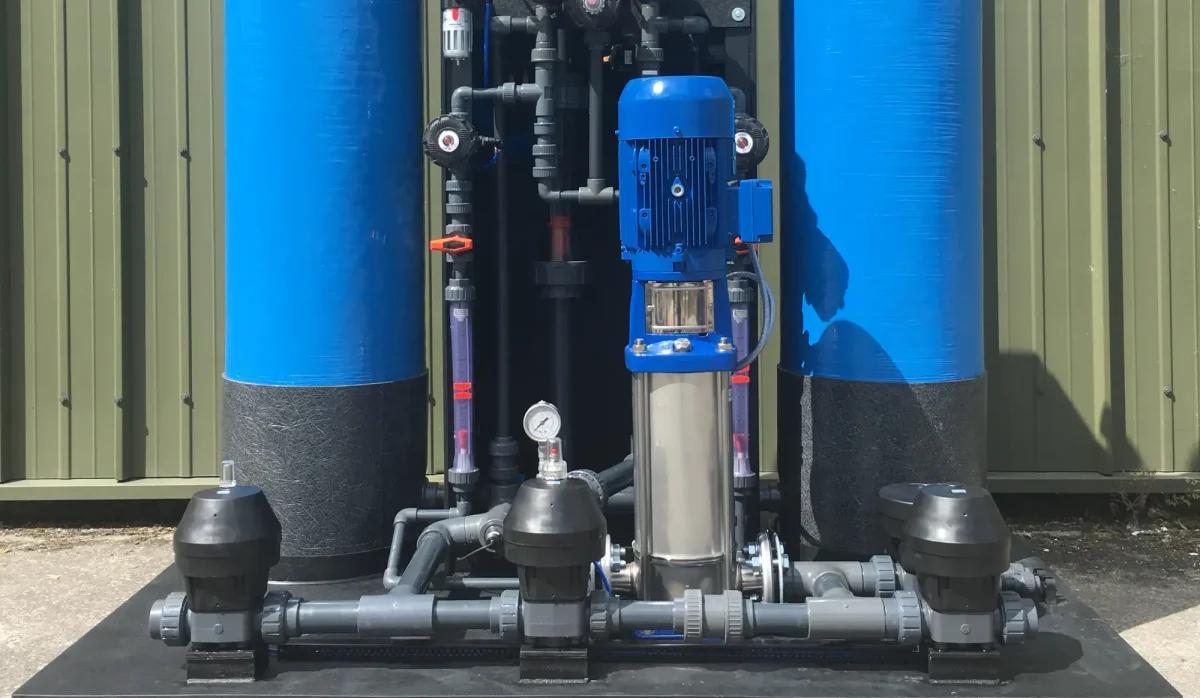

                    Benefits of Reverse Osmosis

                    Reverse Osmosis for UK Manufacturing

                    Water quality plays a critical role in almost every manufacturing environment. From steam generation to product formulation, the purity and consistency of water can influence efficiency, maintenance requirements, compliance, and long-term operating costs. Reverse osmosis has become one of the most effective purification methods used in UK industry, delivering reliable, high-quality water suitable for sensitive applications.

                    This article examines the key benefits that reverse osmosis provides for manufacturing businesses across the UK. It also explores how RO supports wider water treatment strategies, design considerations for new systems, and the long-term advantages of working with an experienced engineering partner.

                    Why You Can Trust Us

                    AllWater supplies advanced water treatment systems designed for demanding industrial environments. The team brings decades of engineering expertise, hands-on commissioning experience, and a strong track record across UK manufacturing sectors. Every solution is built around compliance, reliability, and long-term performance, supported by a dedicated nationwide service network.

                    What Reverse Osmosis Does and Why It Matters

                    Reverse osmosis is a high-efficiency membrane filtration technology that removes dissolved salts, minerals, organic compounds, and a wide range of contaminants from water. It works by applying pressure to feedwater and pushing it through a semi-permeable membrane. The membrane allows water molecules to pass through while rejecting unwanted substances.

                    RO can remove particles down to 0.0001 microns, including:

                    • Dissolved ions
                    • Heavy metals
                    • Silica
                    • Organic matter
                    • Bacteria

                    This performance makes RO valuable for sectors that depend on precise water characteristics, such as food and beverage, pharmaceuticals, chemicals, microelectronics, automotive, coatings, and general industry.

                    The 5 Key Benefits of Reverse Osmosis for UK Manufacturing

                    1. Improved Water Purity and Process Stability

                    Manufacturing processes work best when water quality remains consistent. Variations in mineral content or conductivity can affect product formulation, cleaning performance, thermal efficiency, and chemical reactions. Reverse osmosis creates a stable, high-purity water supply that behaves predictably from batch to batch.

                    For applications such as rinsing, ingredient water, CIP systems, surface preparation, or coolant makeup, this stability supports:

                    • More accurate product specifications
                    • Cleaner finishes
                    • Higher equipment reliability
                    • Better thermal control

                    Consistent water quality also reduces unexpected downtime caused by scale formation, fouling, or contamination.

                    2. Reduced Chemical Usage and Lower Operating Costs

                    Many manufacturers rely on chemical dosing to manage hardness, alkalinity, corrosion risk, or microbiological activity. Reverse osmosis reduces or eliminates the substances that cause these issues before they enter the process. This often results in:

                    • Lower softener salt use
                    • Fewer descalers and cleaning chemicals
                    • Reduced need for corrosion inhibitors
                    • Less wastewater neutralisation

                    Chemical reduction helps control costs, simplifies chemical storage and handling, and supports sustainability targets. For plants operating under tight COSHH or environmental compliance requirements, RO provides a safer and more predictable alternative.

                    3. Longer Equipment Life and Lower Maintenance Requirements

                    Untreated water can introduce minerals and contaminants that reduce the life span of boilers, heat exchangers, cooling towers, pumps, valves, and pipework. Scale formation is one of the most common causes of:

                    • Increased energy consumption
                    • Poor heat transfer
                    • Blocked nozzles
                    • Reduced flow rates
                    • Premature equipment failure

                    Reverse osmosis significantly lowers the concentration of dissolved solids, which helps prevent scale and reduces the risk of corrosion. This results in cleaner systems, fewer breakdowns, and longer service intervals.

                    For high-value assets such as steam boilers or precision cleaning systems, RO delivers measurable savings by reducing the mechanical stress caused by poor water quality.

                    4. More Efficient Water and Wastewater Management

                    With rising water and trade effluent costs across the UK, manufacturers are under pressure to use water more efficiently. Reverse osmosis supports better water management in several ways:

                    • Higher recovery rates compared to other filtration methods
                    • Reduced wastewater volumes
                    • Greater potential for internal water reuse
                    • Improved discharge quality

                    Some sites integrate RO into a closed-loop scheme where treated water is reused in cooling, rinsing, or CIP stages. This reduces demand on mains water while lowering discharge fees and supporting sustainability commitments.

                    For further insight, high-authority sources such as the UK Water Industry Research Centre (https://ukwir.org) and CIWEM (https://ciwem.org) provide additional background on UK water standards.

                    5. Compliance Support and Reduced Risk

                    UK manufacturers operate within a complex regulatory environment that includes water discharge permits, hygiene standards, environmental legislation, and sector-specific requirements. Reverse osmosis helps businesses achieve compliance by providing water that meets strict conductivity, microbiological, and mineral specifications.

                    Sectors that benefit most include:

                    • Food and beverage
                    • Pharmaceuticals
                    • Microelectronics
                    • Chemical processing
                    • Surface finishing
                    • Automotive coatings

                    High-purity water reduces the risk of non-conformance, product recall, or regulatory penalties. It also supports environmental stewardship and aligns with future UK sustainability standards.

                    Reverse osmosis is widely used across industrial applications, including:

                    • Boiler feedwater treatment
                    • Rinse water for surface finishing
                    • Ultrapure water generation for microelectronics
                    • Ingredient water in beverage production
                    • Steam generation for food processing
                    • High-precision cleaning
                    • Chemical formulation
                    • Cooling tower makeup

                    To see how RO integrates into your operation, visit:
                    https://allwatertreatment.co.uk/reverse-osmosis-systems
                    or browse the full product range:
                    https://allwatertreatment.co.uk/products

                    While reverse osmosis provides excellent purification performance, it often forms one part of a wider treatment system. Most industrial plants combine RO with:

                    • Pre-treatment such as filtration, carbon, softening, or antiscalant dosing
                    • Post-treatment including UV disinfection or deionisation
                    • Wastewater treatment for discharge or reuse
                    • Monitoring and control instrumentation

                    AllWater supports clients with fully integrated system design to ensure RO units operate efficiently and remain protected from fouling or premature membrane failure.

                    Every manufacturing site has its own water quality challenges. When specifying a reverse osmosis system, key considerations include:

                    • Feedwater source and seasonal variation
                    • Contaminant profile and hardness levels
                    • Required output flow rates and peak demand
                    • Purity targets measured in TDS or conductivity
                    • Space limitations and pipework access
                    • Energy consumption
                    • Future expansion plans

                    Incorrectly specified systems can lead to higher running costs, unnecessary waste, or performance issues. Working with a specialist ensures the RO system matches both current and future operational needs.

                    RO systems deliver the greatest value when properly maintained. Key maintenance tasks include:

                    • Monitoring differential pressure
                    • Checking membrane health
                    • Replacing pre-filters at correct intervals
                    • Flushing and cleaning membranes
                    • Verifying flow and conductivity performance
                    • Calibrating instrumentation

                    AllWater provides planned maintenance contracts, spares, and technical support to help clients maintain compliance and system performance. For more information visit:
                    https://allwatertreatment.co.uk/services

                    Reverse osmosis has become an essential technology for UK manufacturers seeking to improve water quality, control costs, and reduce environmental impact. Its ability to deliver consistent, high-purity water supports cleaner processes, longer equipment life, and more predictable performance across a wide range of applications.

                    When integrated into a well-designed water treatment strategy, RO provides both immediate and long-term benefits. To discuss system selection or performance improvement, contact the AllWater team or visit the Reverse Osmosis Systems page for more information.

                    Get in Touch with AllWater Technologies

                    We’re here to help with all your water treatment needs. Whether you have questions about our services, want to discuss a project, or need support, our team is ready to assist you. Fill out the form for general enquiries, or you are welcome to email direct or give us a call.

                    AllWater House

                    Unit 2,

                    Cheddar Business Park,

                    Wedmore Road,

                    Cheddar

                    BS27 3EB

                    Opening hours

                    Mon-Fri: 08:30-17:30 (GMT)