Poor system design is one of the most overlooked causes of inefficiency in industrial water treatment. This article explores the most common mistakes that lead to unnecessary costs, downtime, and performance issues, along with practical guidance on how to avoid them.
Industrial water treatment systems are often treated as a background utility. Once installed, they are expected to operate consistently without drawing attention. However, in practice, the design stage has a lasting impact on how the system performs day to day, how much it costs to run, and how often it requires intervention.
A system that has been poorly designed rarely fails outright. Instead, it operates just below optimal performance. Pumps work harder than they should. Membranes foul faster. Chemical dosing becomes inconsistent. Maintenance becomes more frequent. These incremental inefficiencies accumulate over time, often without being immediately obvious to operators.
For many industrial sites, the true cost of a poorly designed system is not a single failure but a steady drain on resources. Increased energy consumption, higher chemical usage, unplanned downtime, and shortened equipment lifespan all contribute to operational costs that can run into thousands of pounds each year.
In contrast, a well-designed system supports consistent production, predictable maintenance schedules, and lower overall operating costs. It aligns with the specific requirements of the site, rather than forcing processes to adapt around it. This is why system design should always be treated as a strategic investment rather than a one-off technical exercise.
One of the most fundamental mistakes in system design is relying on incomplete or outdated water analysis. Water is not a uniform resource. Its composition varies significantly depending on geographic location, supply source, and even seasonal changes.
Designing a system without a detailed and current understanding of water quality introduces risk from the outset. Assumptions about hardness, dissolved solids, or contaminant levels can lead to incorrect system sizing and inappropriate treatment methods.
For example, underestimating hardness levels can result in scaling within boilers or membranes. Failing to identify silica or organic content can lead to fouling that reduces system efficiency and increases maintenance requirements. These issues are often misdiagnosed as operational problems when, in reality, they stem from design decisions made at the beginning.
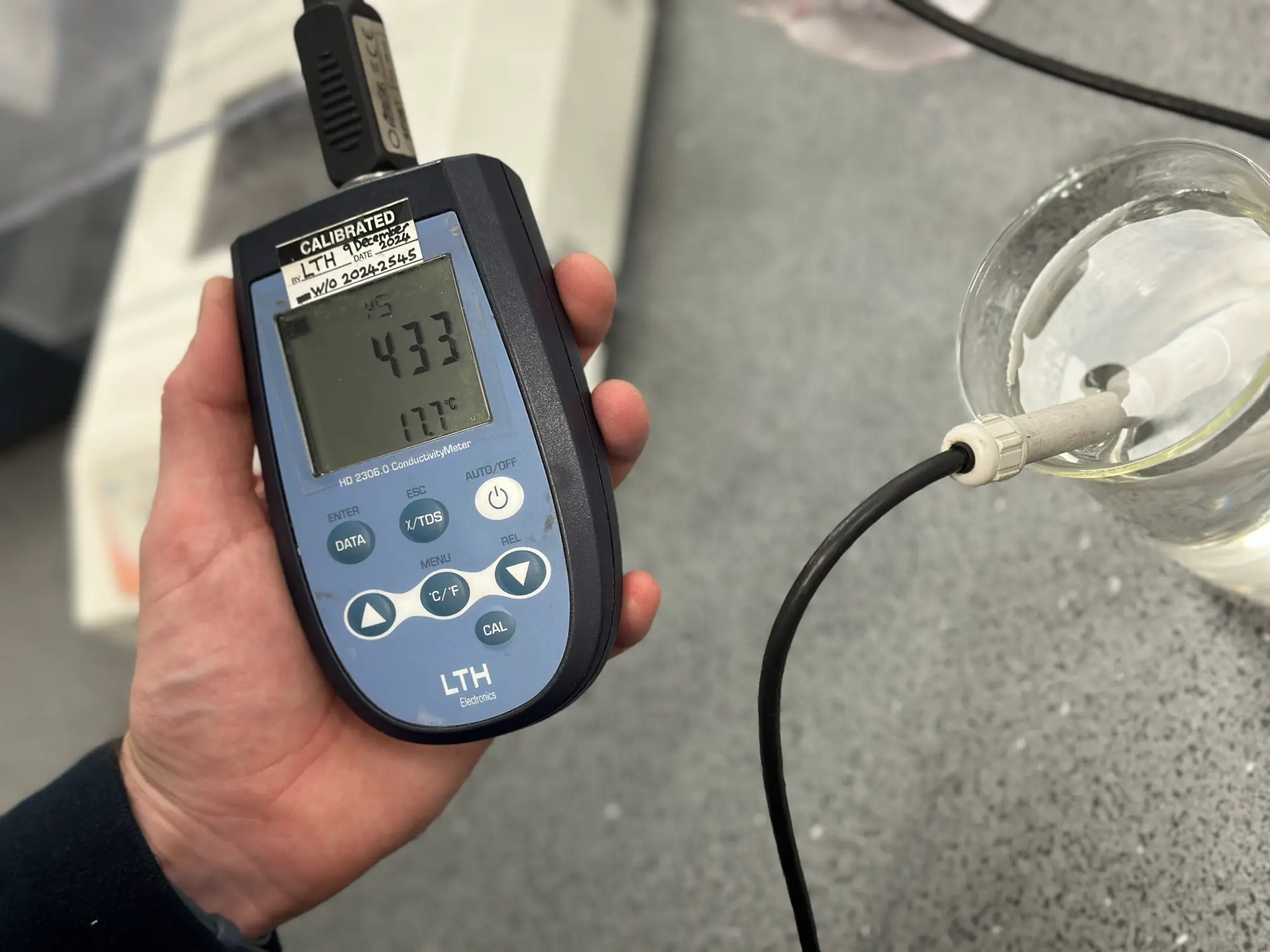
A comprehensive water analysis should form the foundation of any system design. This includes not only basic parameters such as conductivity and pH but also a deeper understanding of specific contaminants and how they may interact with treatment processes.
Without this level of detail, even the most advanced equipment cannot perform as intended.
Underestimating demand and future capacity requirements
Another common mistake is designing systems based purely on current demand. While this may reduce initial capital expenditure, it often creates limitations as production requirements evolve.
Industrial operations rarely remain static. Increased output, new processes, or changes in product specifications can all place additional demands on water treatment systems. Systems that were not designed with flexibility in mind may struggle to cope with these changes.
In membrane-based processes such as reverse osmosis, exceeding design capacity can lead to reduced recovery rates, increased fouling, and higher energy consumption. Over time, this not only affects performance but also accelerates wear on key components.
Designing for scalability does not necessarily mean oversizing equipment. Instead, it involves selecting systems that can be expanded or adapted as requirements change. This approach ensures that the system remains efficient and reliable over the long term.
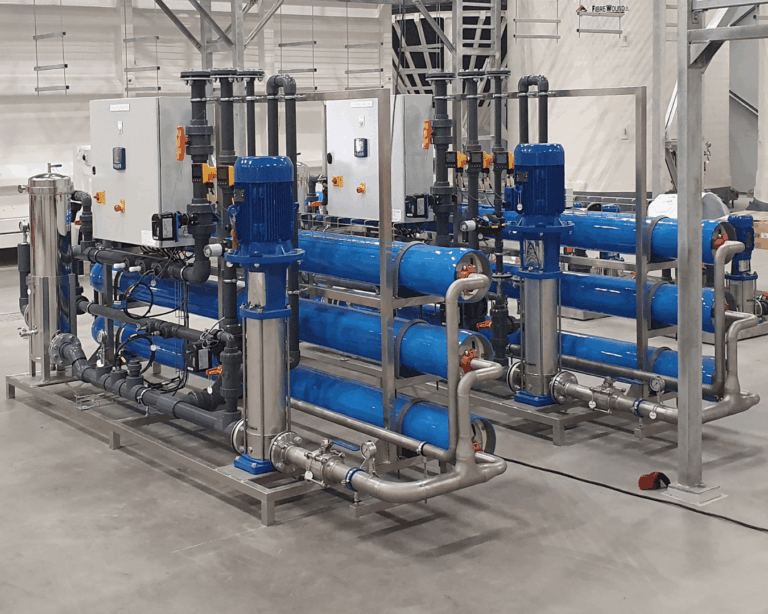
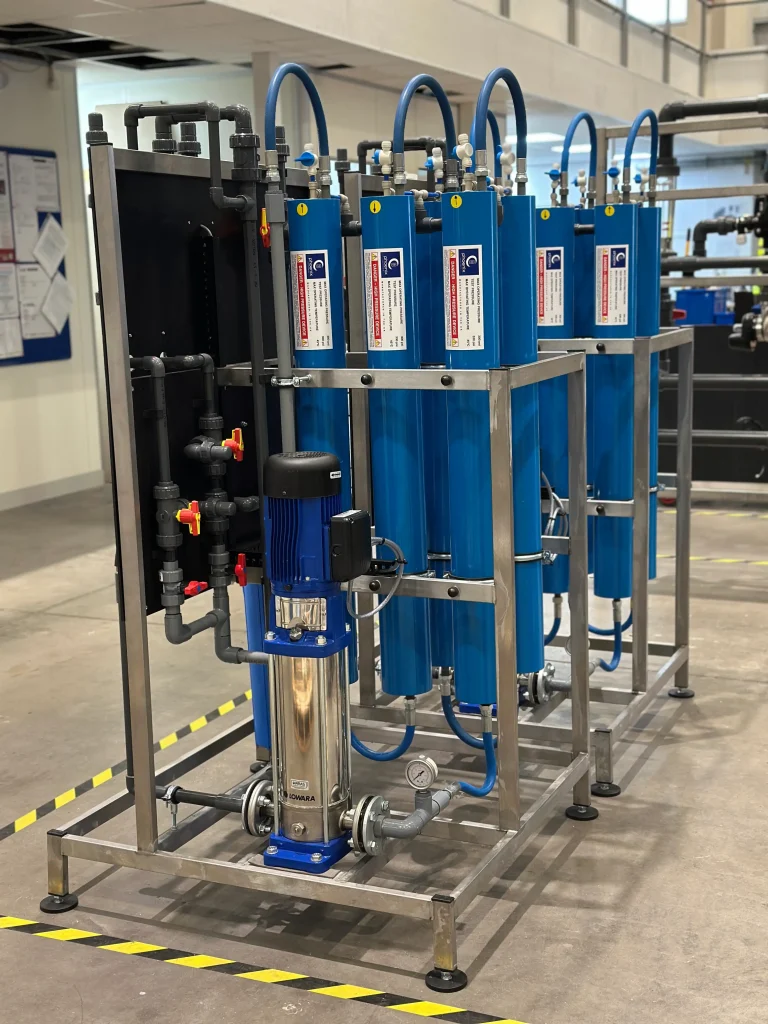
Investing in industrial reverse osmosis systems designed for scalable performance allows sites to increase capacity without the need for complete system replacement, reducing long-term costs and disruption.
Water treatment systems are rarely standalone installations. They form part of a broader network of industrial processes, often interacting with boilers, cooling systems, production lines, and cleaning operations.
A frequent design oversight is failing to consider how the treatment system integrates with these processes. When systems are designed in isolation, mismatches can occur that reduce efficiency and create operational challenges.
For example, insufficient pre-treatment may allow particulates or hardness to reach sensitive equipment, leading to fouling or scaling. Pressure imbalances can affect downstream processes, while poorly configured control systems can result in inconsistent operation.
These issues are often subtle and difficult to diagnose. The system may appear to be functioning, but underlying inefficiencies continue to impact performance and cost.
Effective system design takes a holistic approach, ensuring that each component works in harmony with the wider process. This requires a clear understanding of how water is used across the site and how treatment processes can support those applications.
Pre-treatment is one of the most critical yet frequently underestimated aspects of water treatment system design. It serves as the first line of defence, protecting downstream equipment from contaminants that can cause damage or reduce efficiency.
In an effort to reduce upfront costs, some systems are designed with minimal or inadequate pre-treatment. While this may appear cost-effective initially, it almost always leads to higher operational expenses.
Without proper filtration, particulates can accumulate on membranes, reducing flow rates and increasing pressure requirements. Without softening, hardness can lead to scaling within boilers and heat exchangers. Without appropriate chemical conditioning, organic matter can contribute to fouling that is difficult to remove.
These issues not only increase maintenance requirements but also shorten the lifespan of key components.
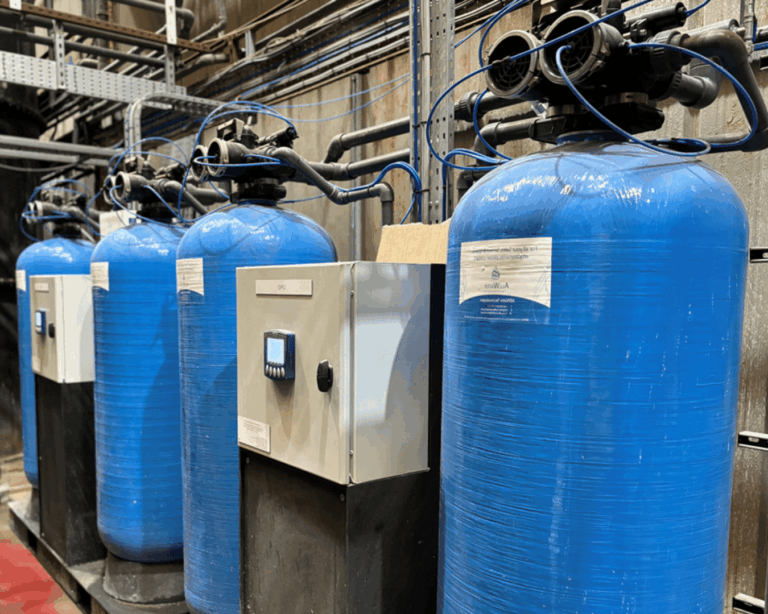
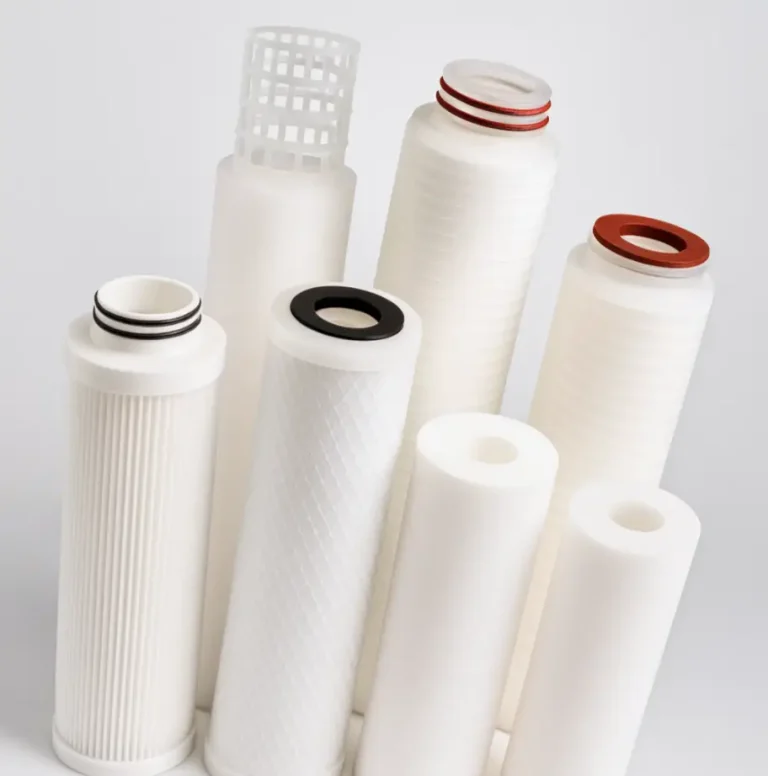
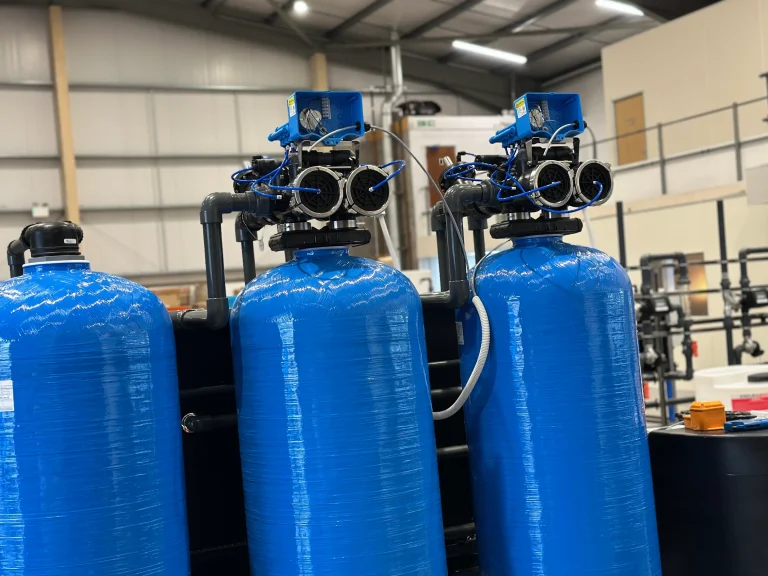
Implementing high-performance industrial water filtration systems for pre-treatment protection helps to safeguard downstream processes, improve efficiency, and reduce long-term costs
Pre-treatment should be viewed as an essential investment rather than an optional add-on.
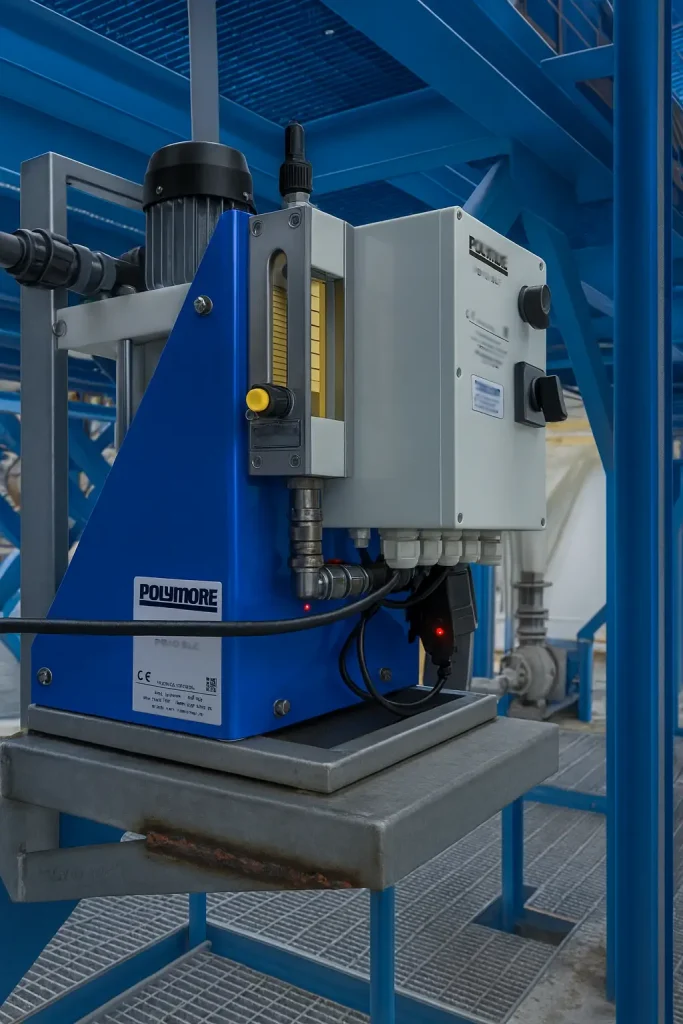
Energy consumption represents a significant portion of the operating cost of industrial water treatment systems. Design decisions made at the outset can have a lasting impact on how much energy a system requires to operate.
Inefficient pump selection, poorly optimised pressure settings, and suboptimal system layouts can all contribute to increased energy usage. These inefficiencies may seem minor on a daily basis, but over time they can result in substantial financial costs.
Improving energy efficiency is not only beneficial from a cost perspective but also supports wider sustainability goals. The Carbon Trust highlights that industrial energy efficiency improvements can deliver immediate financial savings while reducing environmental impact.
Designing systems with energy efficiency in mind ensures that they remain cost-effective throughout their lifecycle.
Despite advances in technology, many industrial water treatment systems still rely on manual operation and limited monitoring. This approach increases the risk of undetected performance issues.
Without real-time data, problems such as fouling, scaling, or declining efficiency may go unnoticed until they have already impacted operations. This can lead to reactive maintenance, increased downtime, and inconsistent water quality.
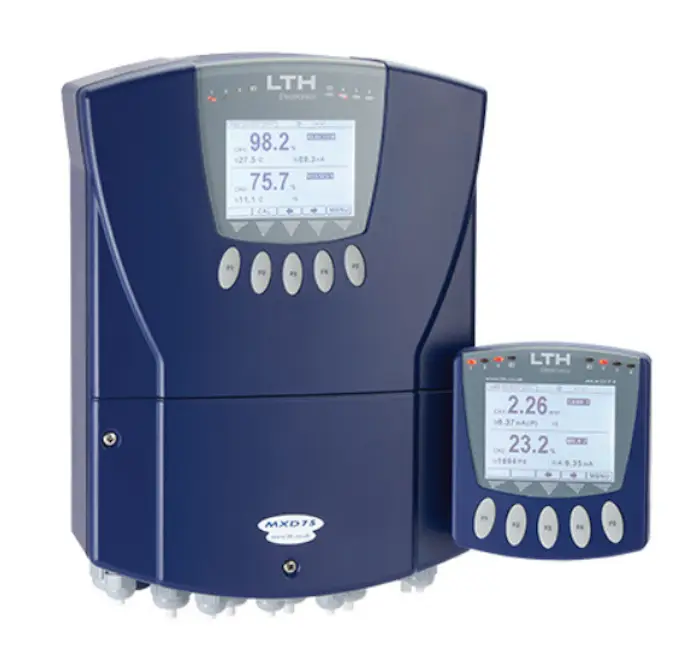
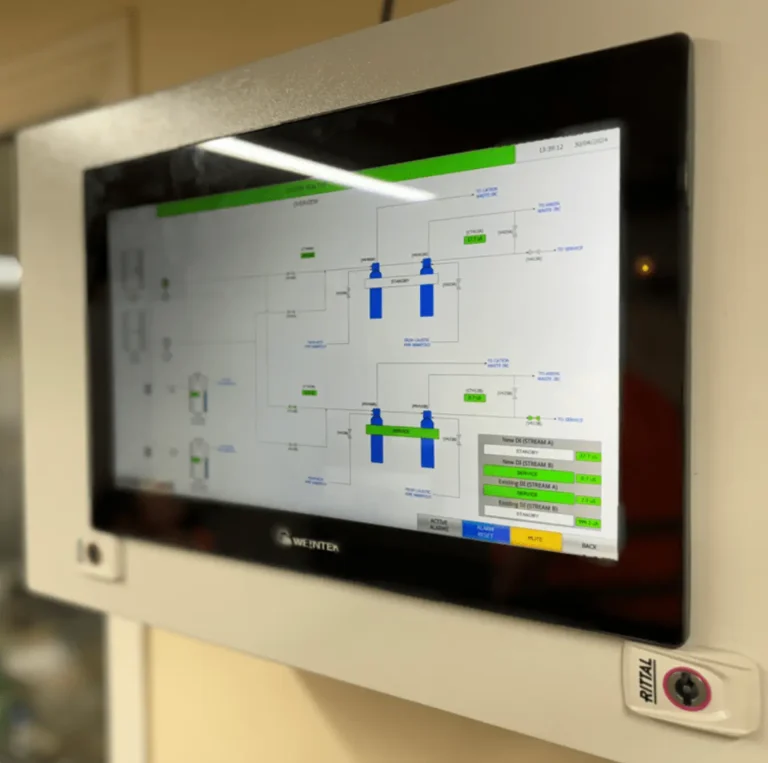
Automation and monitoring systems provide valuable insights into system performance. They allow operators to track key parameters, identify trends, and respond proactively to potential issues.
Incorporating these capabilities during the design phase ensures that systems can be managed more effectively over time.
Choosing the correct treatment technology is essential for achieving the desired water quality. However, this decision is often influenced by cost considerations or incomplete understanding of process requirements.
Using the wrong technology can result in underperformance or unnecessary complexity. For example, softening may be sufficient for some applications, but high purity processes require demineralisation or advanced filtration methods.
Over-specifying systems can also be problematic, leading to higher capital costs and increased operational complexity without delivering additional benefits.
Each application should be assessed individually to determine the most appropriate treatment approach.
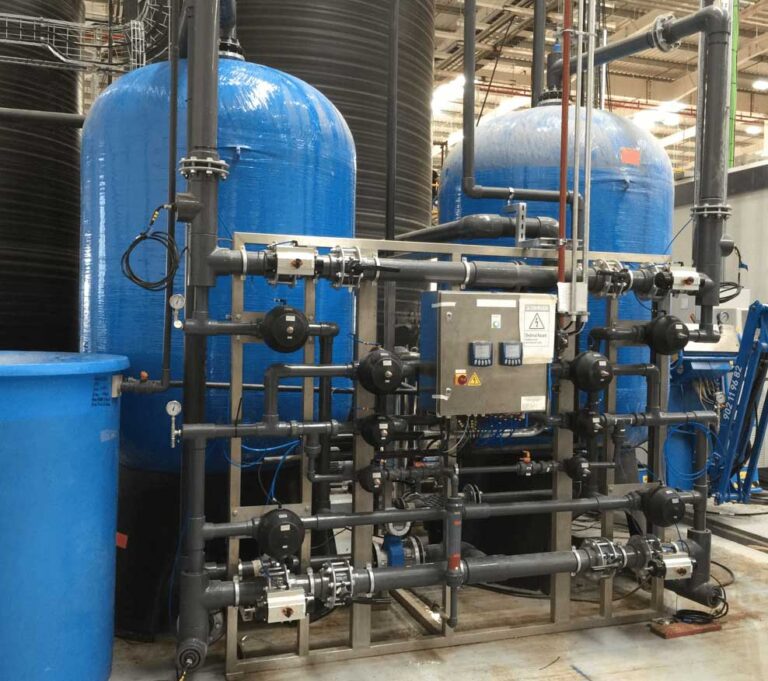
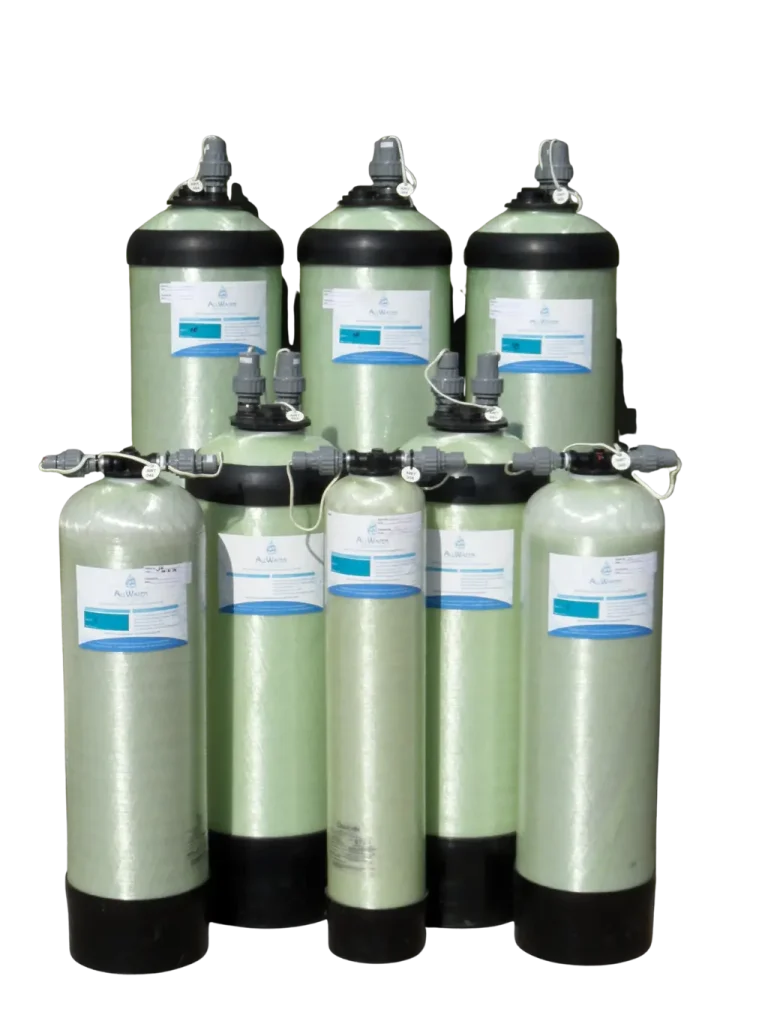
For high purity requirements, custom-designed demineralisation systems for industrial processes provide a reliable solution tailored to specific needs:
https://allwatertreatment.co.uk/demineralisation/
Selecting the right technology ensures efficient operation and avoids unnecessary expenditure.
Maintenance is a critical aspect of system performance, yet it is often considered only after installation. Systems that are difficult to access or service can lead to increased downtime and higher maintenance costs.
Designing with maintenance in mind involves ensuring that components are easily accessible, that there is sufficient redundancy to allow servicing without disrupting operations, and that maintenance requirements are clearly understood.
Organisations such as Water UK emphasise the importance of ongoing management and maintenance in maintaining system efficiency and compliance.
A system that is easy to maintain is more likely to perform consistently over time.
Individually, each of these mistakes may seem manageable. However, when combined, they can have a significant financial impact.
Increased energy usage, higher chemical consumption, frequent maintenance, and unplanned downtime all contribute to rising operational costs. These issues often develop gradually, making them difficult to attribute directly to design decisions.
Over time, the cumulative effect can be substantial, affecting both profitability and operational reliability.
In contrast, investing in proper system design from the outset delivers long-term benefits. Systems operate more efficiently, require less intervention, and provide consistent water quality that supports production processes.
Avoiding these issues requires a structured approach that considers all aspects of system design and operation.
This includes conducting detailed water analysis, planning for future capacity, ensuring integration with existing processes, investing in appropriate pre-treatment, and prioritising energy efficiency. It also involves incorporating automation and selecting the right treatment technologies for each application.
Working with experienced engineers ensures that these factors are addressed from the beginning, reducing the risk of costly mistakes.
AllWater Technologies has extensive experience in designing and delivering industrial water treatment systems across a wide range of sectors.
Each system is developed based on real operational requirements, ensuring that it performs reliably in practice, not just in theory. The team takes a practical, engineering-led approach, working closely with clients to understand their processes and identify potential challenges.
Our focus on real-world performance allows industrial sites to avoid common design mistakes and achieve long-term cost savings through efficient, reliable water treatment systems.
Speak to our engineers about improving your water treatment system design and reducing long-term operational costs. Click here to arrange a call or find out more.
We’re here to help with all your water treatment needs. Whether you have questions about our services, want to discuss a project, or need support, our team is ready to assist you. Fill out the form for general enquiries, or you are welcome to email direct or give us a call.
Unit 2,
Cheddar Business Park,
Wedmore Road,
Cheddar
BS27 3EB
Mon-Fri: 08:30-17:30 (GMT)