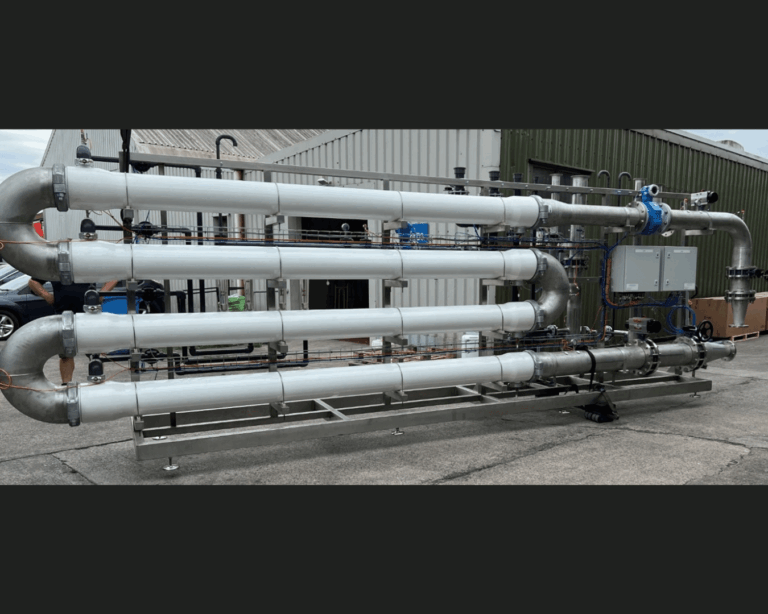
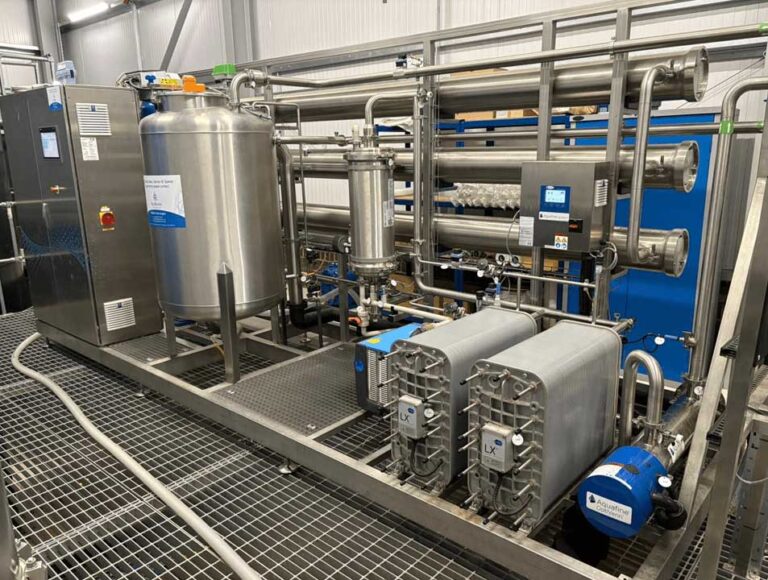
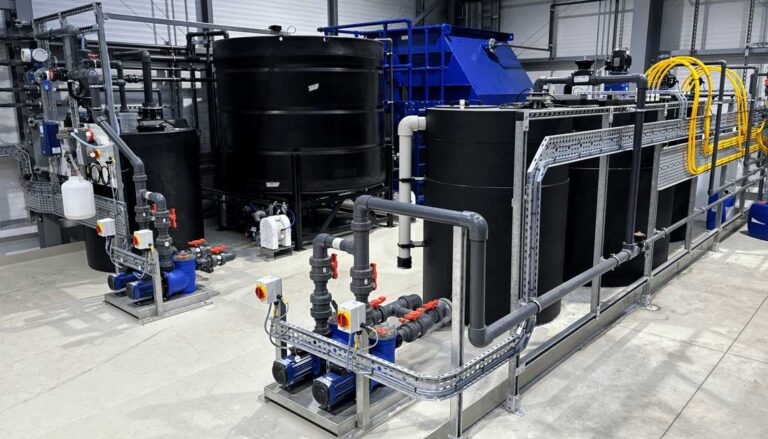
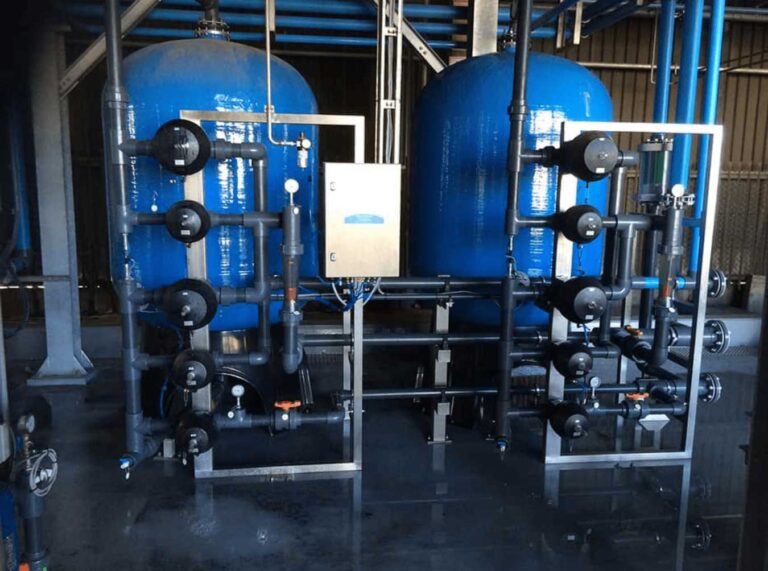
Ultrafiltration and reverse osmosis are both membrane-based water treatment technologies widely used in industrial systems. While they are often mentioned together, they perform very different roles and are designed to remove different types of contaminants.
Choosing between ultrafiltration and reverse osmosis is not simply a question of which technology is better. It depends on water quality, process requirements, operating conditions, and what the treated water will be used for. In many cases, the two technologies are used together as part of a staged treatment process.
Understanding how ultrafiltration works, how it differs from reverse osmosis, and where each technology is most effective is essential when designing or optimising an industrial water treatment system.
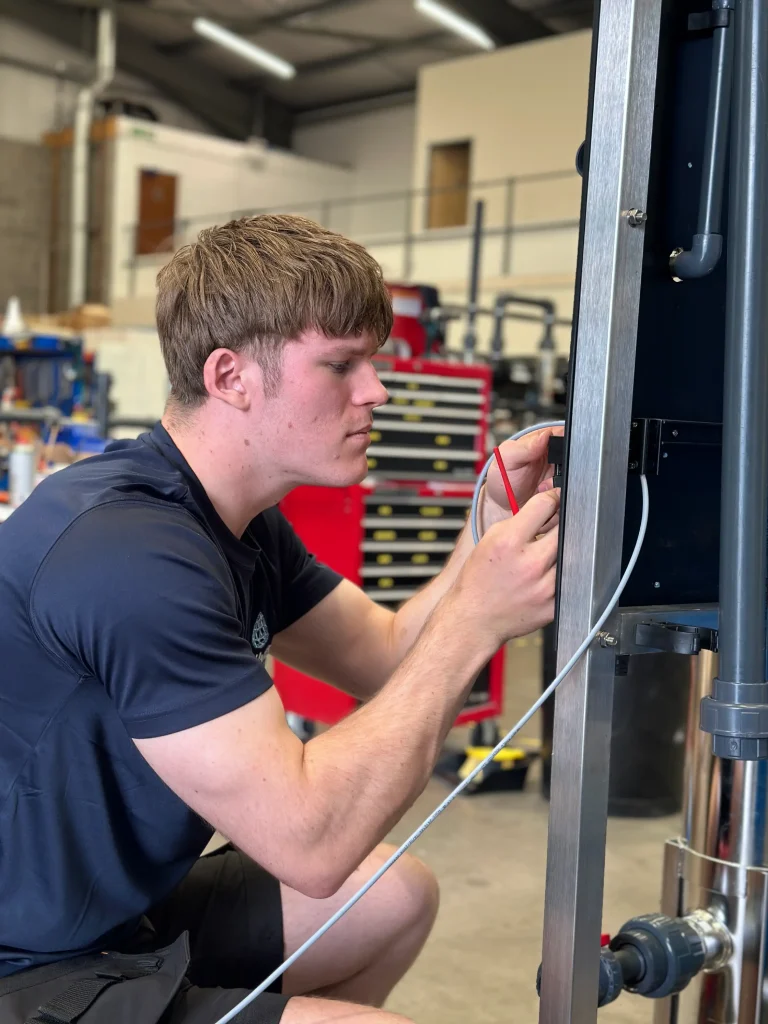
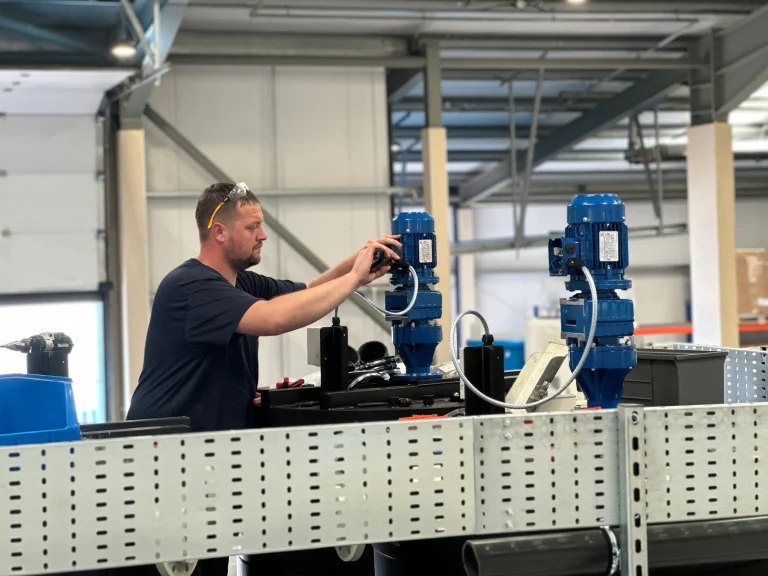
AllWater Technologies designs, installs, and supports membrane-based water treatment systems across a wide range of industrial applications. With hands-on experience of ultrafiltration and reverse osmosis in real operating environments, the team understands how each technology performs in practice and how to apply them correctly within complete treatment systems.
Ultrafiltration, commonly referred to as UF, is a membrane filtration process used to remove suspended solids, bacteria, viruses, and high molecular weight organic compounds from water.
Ultrafiltration membranes have pore sizes typically ranging from around 0.01 to 0.1 microns. This allows them to retain particles, microorganisms, and colloidal material while allowing dissolved salts and small molecules to pass through.
UF systems operate at relatively low pressure compared to reverse osmosis. Water is pushed across the membrane surface, and clean permeate passes through the membrane pores while contaminants are retained and periodically flushed away.
Because ultrafiltration removes physical and biological contaminants rather than dissolved salts, it is often used as a pre-treatment step rather than a final polishing stage.
Ultrafiltration membranes are commonly arranged in hollow fibre or flat sheet configurations. Feed water flows either from the outside to the inside of the fibres or vice versa, depending on system design.
As water passes across the membrane surface, particles larger than the membrane pores are retained. Over time, these retained contaminants build up and must be removed through backwashing, air scouring, or chemical cleaning.
UF systems can operate in dead-end or cross-flow modes. Dead-end operation is more common in water treatment applications and allows high recovery, while cross-flow operation is used where fouling loads are higher.
The result is water that is clear, low in turbidity, and microbiologically safe, but still contains dissolved minerals and salts.
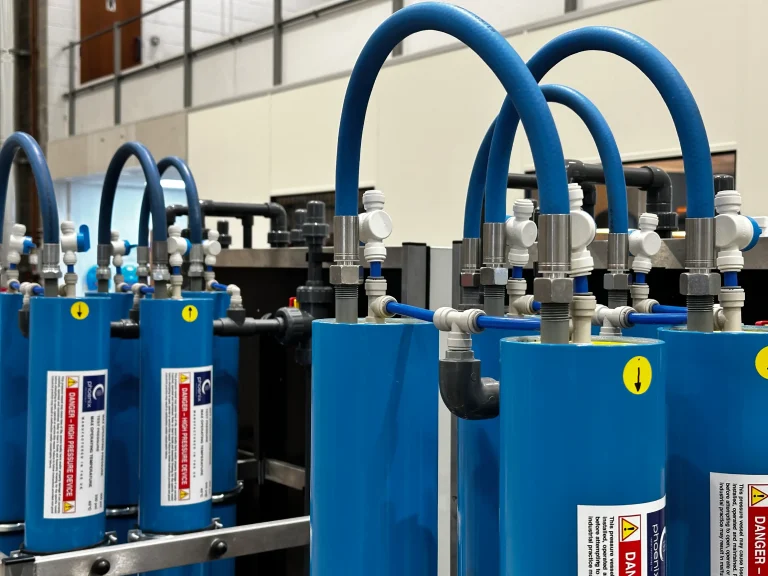
Reverse osmosis is a high-pressure membrane process designed to remove dissolved salts, ions, and small organic molecules from water.
RO membranes have an effective pore size much smaller than ultrafiltration membranes. Rather than relying on physical pore exclusion alone, reverse osmosis uses pressure to overcome osmotic forces and drive water molecules through a semi-permeable membrane.
This process removes the majority of total dissolved solids, producing low conductivity water suitable for industrial processes that require high purity.
Because of the pressures involved and the sensitivity of RO membranes, effective pre-treatment is essential to prevent fouling and damage.
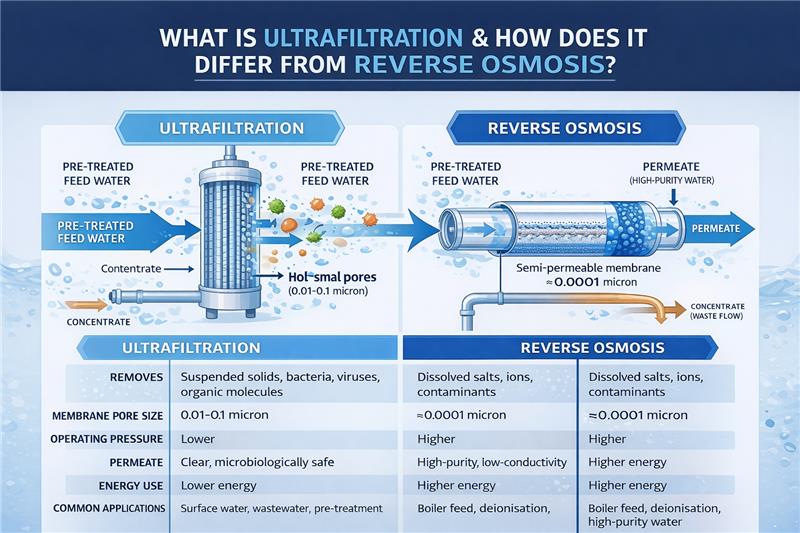
While both technologies use membranes, the differences between ultrafiltration and reverse osmosis are significant.
Ultrafiltration removes suspended solids, bacteria, viruses, and colloids. Reverse osmosis removes dissolved salts, ions, and low molecular weight organics.
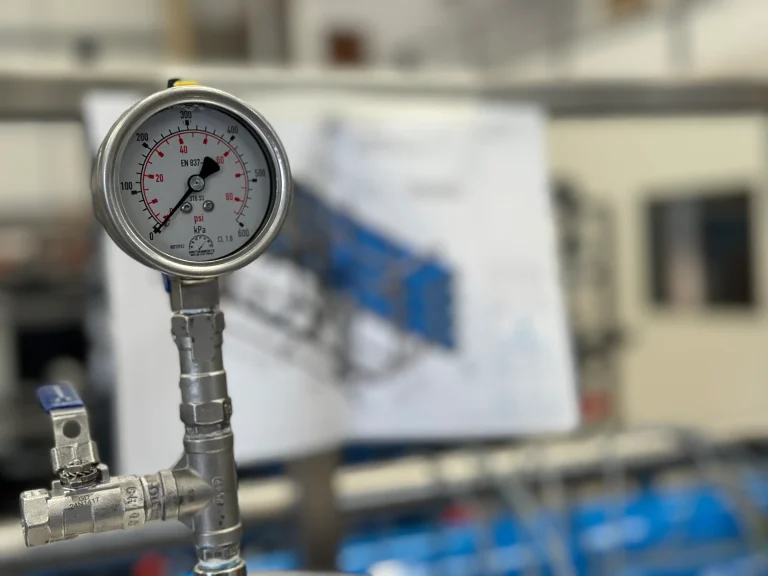
UF operates at low pressure, typically a few bar, while RO requires much higher pressures depending on feed water quality.
Ultrafiltration allows dissolved minerals to pass through, meaning water chemistry remains largely unchanged. Reverse osmosis fundamentally alters water chemistry by removing dissolved content.
UF membranes are generally more robust and tolerant of variable water quality. RO membranes are more sensitive and require carefully controlled operating conditions.
These differences mean the technologies serve different purposes rather than competing directly.
Ultrafiltration is well suited to applications where the primary concern is particulate and biological contamination rather than dissolved salts.
Typical applications include surface water treatment, borehole water clarification, wastewater reuse, cooling water pre-treatment, and protection of downstream membranes.
UF is also widely used where consistent low turbidity and microbial control are required without changing mineral content.
Because ultrafiltration operates at lower pressure and does not reject salts, it can be more energy efficient and simpler to operate in appropriate applications.
Reverse osmosis is required when dissolved salts, ions, or specific chemical contaminants must be removed.
RO is commonly used for boiler feed water, process water, ingredient water, rinse water, and any application where conductivity or total dissolved solids must be tightly controlled.
It is also essential in systems feeding deionisation or electro deionisation, where dissolved ionic load must be minimised.
In these cases, ultrafiltration alone would not provide sufficient purification.
In many industrial systems, ultrafiltration and reverse osmosis are used together rather than as alternatives.
Ultrafiltration provides an effective barrier against suspended solids, bacteria, and colloids upstream of RO. This protects reverse osmosis membranes from fouling and extends their operational life.
By stabilising feed water quality, UF improves RO performance, reduces cleaning frequency, and enhances overall system reliability.
This staged approach is particularly valuable when treating surface water, recycled water, or variable feed sources.
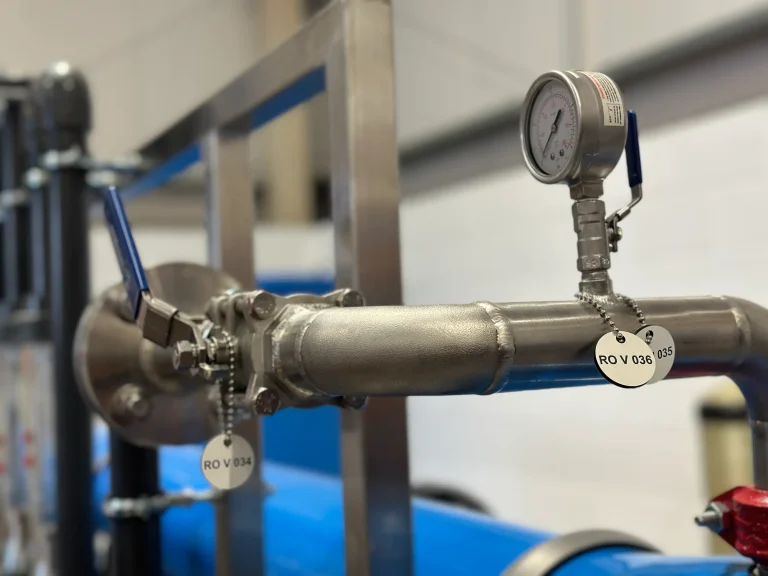
Ultrafiltration systems generally require regular backwashing and periodic chemical cleaning to control fouling. Monitoring transmembrane pressure is key to maintaining performance.
Reverse osmosis systems require careful control of pressure, recovery, and water chemistry. Cleaning is more complex and must be carried out correctly to avoid membrane damage.
While UF systems are often more forgiving, both technologies benefit from proper monitoring, maintenance, and operator training.
Improper operation of either system can quickly reduce performance and increase operating costs.
Ultrafiltration does not significantly change water chemistry, which can be beneficial where mineral balance is important.
Reverse osmosis produces low mineral water that can be chemically aggressive if not managed correctly. Downstream materials must be selected carefully to avoid corrosion or leaching.
Understanding how each technology affects water chemistry is essential when integrating them into wider systems.
AllWater specifies ultrafiltration and reverse osmosis based on application requirements rather than default preferences.
The process begins with a detailed review of feed water quality, required treated water specification, flow demand, and operational constraints.
Ultrafiltration is selected where robust, efficient removal of particulates and microorganisms is required. Reverse osmosis is specified where dissolved solids control is essential.
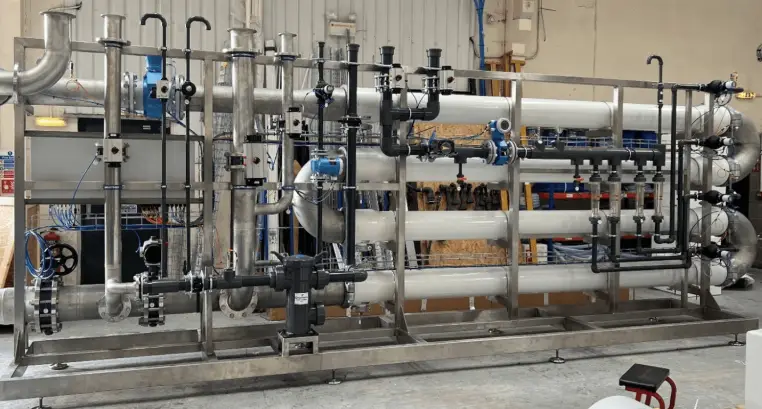
Systems are designed as integrated treatment trains, with appropriate pre-treatment, monitoring, and controls to ensure long-term performance.
Installation, commissioning, and ongoing support ensure systems operate as intended and adapt to changing conditions.
A common misconception is that ultrafiltration can replace reverse osmosis. In reality, UF cannot remove dissolved salts and cannot deliver the same level of purity.
Another misconception is that RO alone is sufficient without robust pre-treatment. In many cases, lack of effective filtration upstream leads to poor RO performance and high maintenance costs.
Understanding the strengths and limitations of each technology avoids costly design mistakes.
Ultrafiltration and reverse osmosis serve different but complementary roles in industrial water treatment.
Ultrafiltration excels at removing suspended and biological contaminants, while reverse osmosis targets dissolved salts and ions. Choosing the right technology depends on the application, not on perceived performance alone.
When applied correctly and, where appropriate, used together, UF and RO deliver reliable, efficient, and high-quality water treatment solutions for industrial systems.
We’re here to help with all your water treatment needs. Whether you have questions about our services, want to discuss a project, or need support, our team is ready to assist you. Fill out the form for general enquiries, or you are welcome to email direct or give us a call.
Unit 2,
Cheddar Business Park,
Wedmore Road,
Cheddar
BS27 3EB
Mon-Fri: 08:30-17:30 (GMT)