Trade effluent is a critical responsibility for industrial sites across the UK. Any business that releases wastewater into the public sewer must manage its quality, temperature, and flow to avoid compliance failures, equipment damage, and unnecessary cost. Poorly managed effluent can lead to blocked pipework, fines from water authorities, disrupted production, and higher discharge charges.
This article explains what trade effluent is, why it must be controlled, and the best practices industrial operators should follow. It also covers the role of treatment systems, monitoring, training, and correct system design.
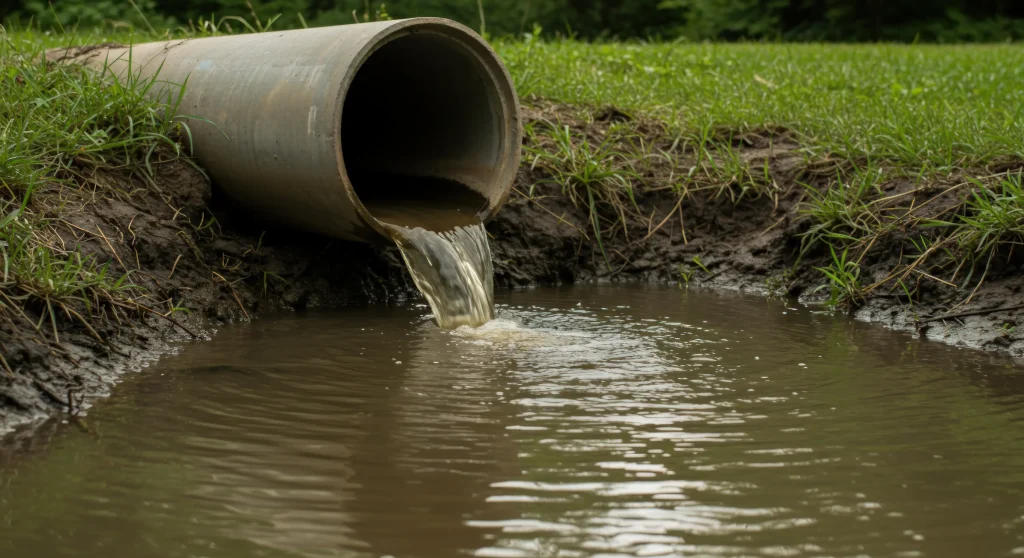
Trade effluent is any liquid waste discharged from industrial or commercial processes into the public sewer, excluding domestic waste from toilets or sinks. Unlike domestic wastewater, which is largely predictable, trade effluent can contain a wide mix of substances that require tighter control.
Common components include:
Because of this complexity, businesses must obtain a trade effluent consent from their water authority. This legal document sets limits on pH, temperature, flow rate, volume, contaminants and other parameters. Failure to comply can lead to penalties, recovery charges, or legal action. It can also cause damage within the sewer network and increase the cost of treatment downstream.
1. Understand Your Consent Conditions
A trade effluent consent sets precise discharge limits. These include allowable temperature ranges, pH bands, maximum daily volume, instantaneous flow rate, and thresholds for specific contaminants. Businesses must ensure that all relevant staff understand these limits, review them regularly, and contact the water authority if processes or chemicals change.
2. Use Suitable Pre-Treatment Technologies
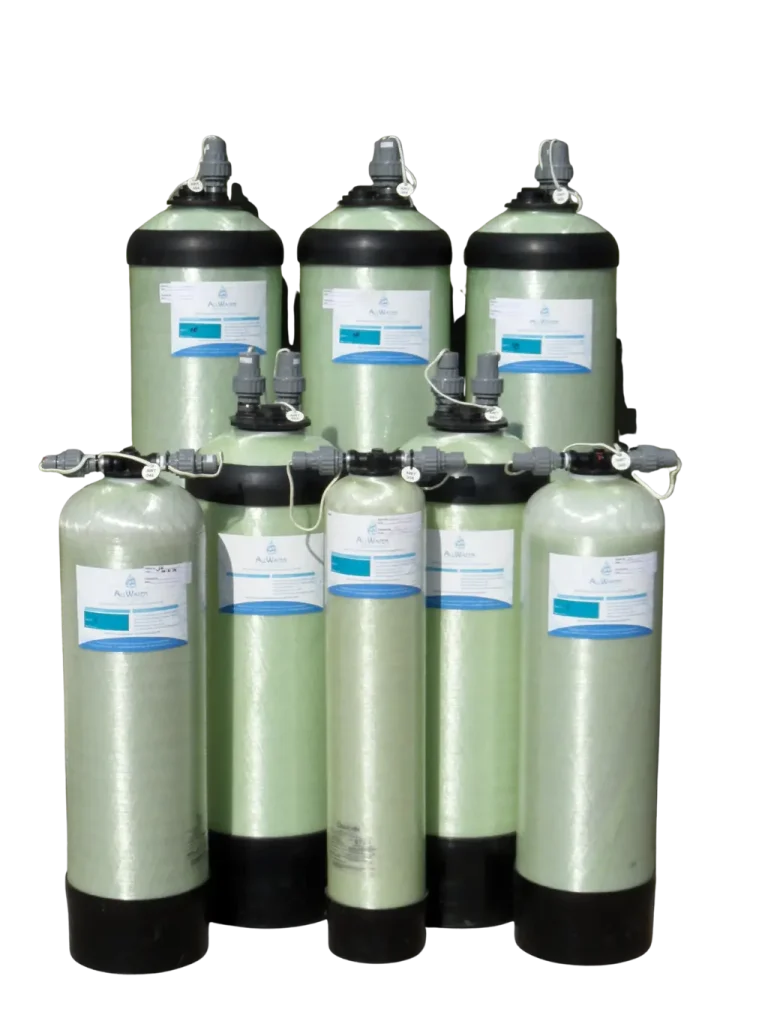
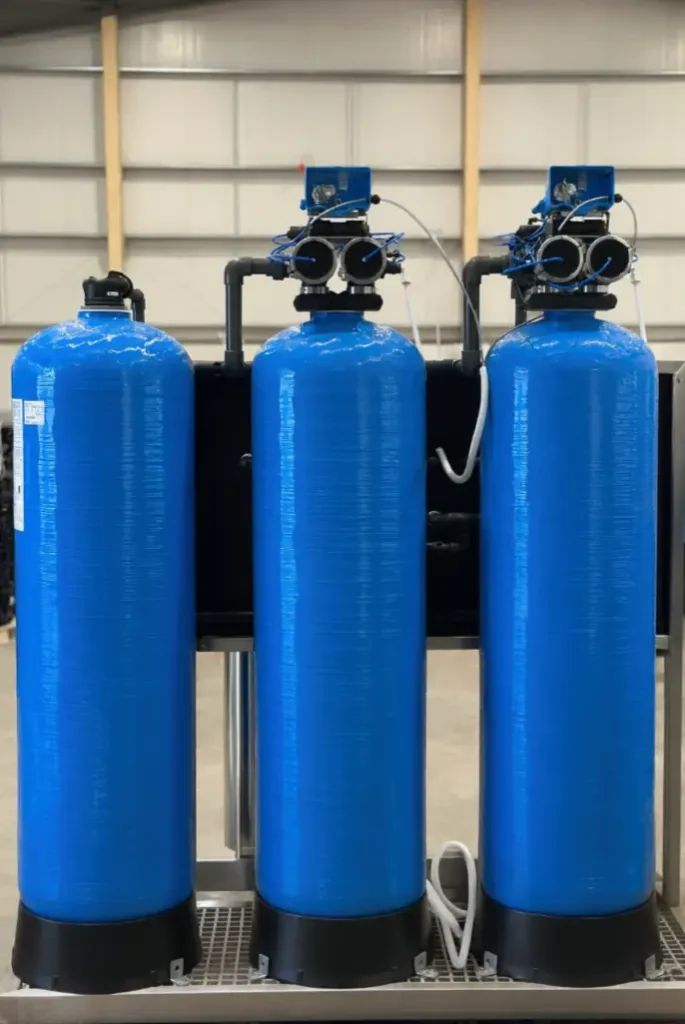
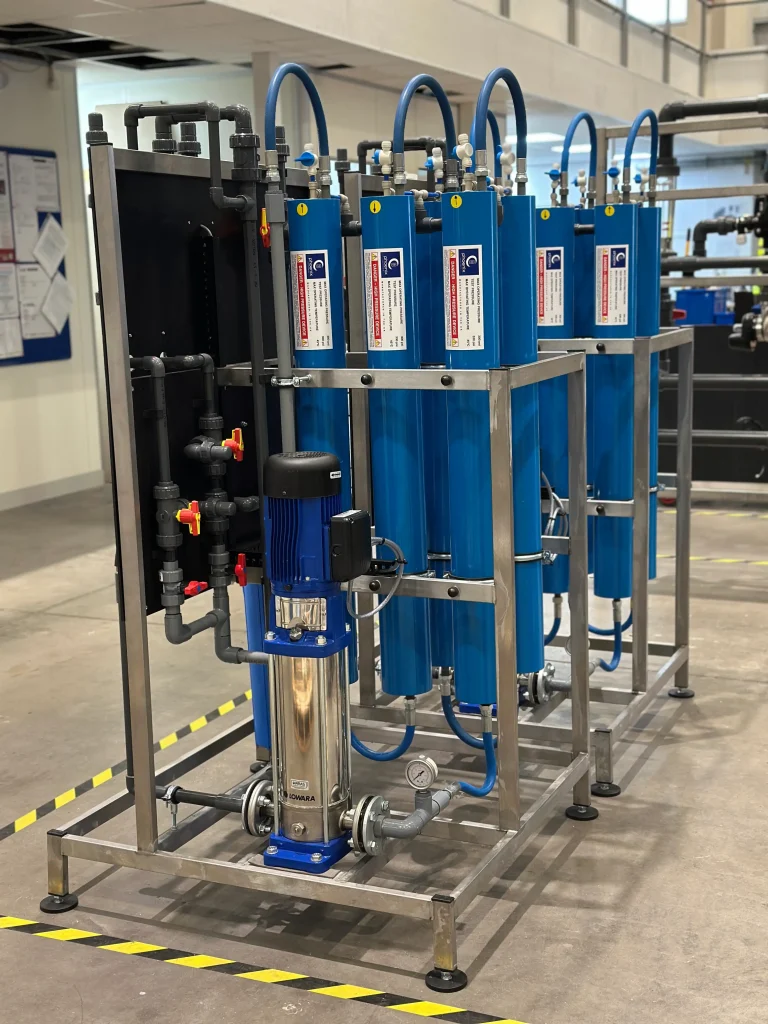
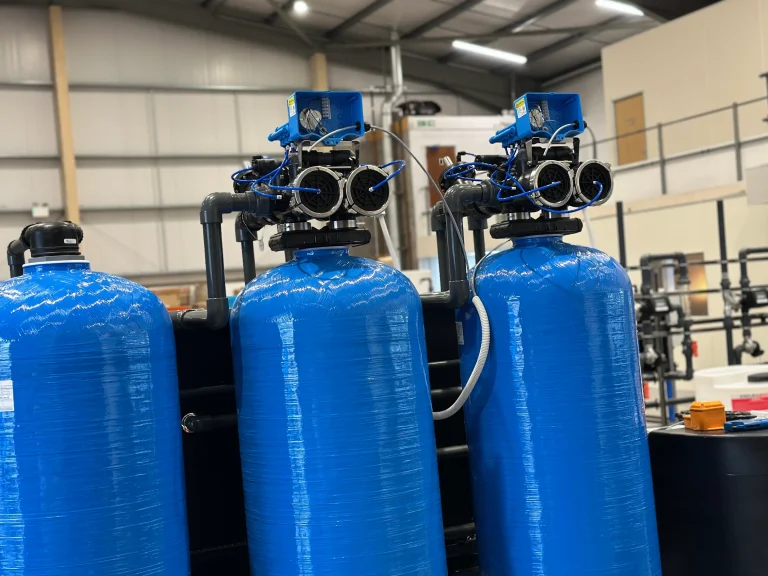
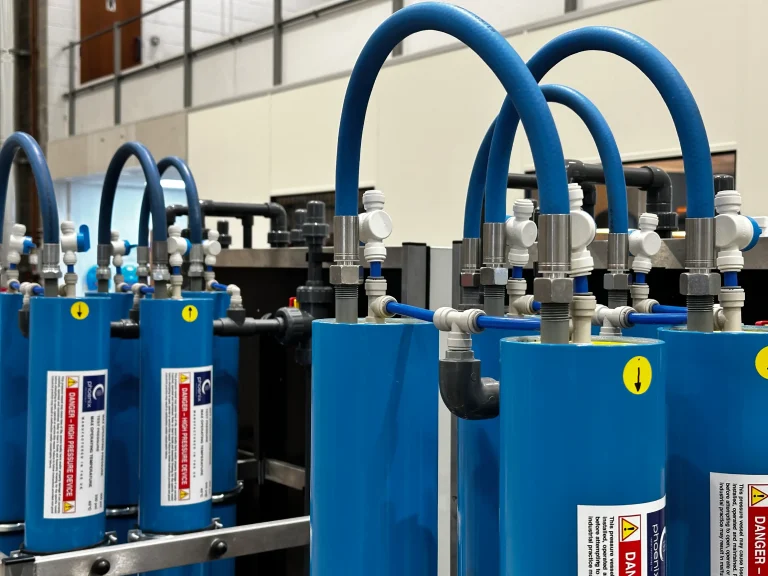
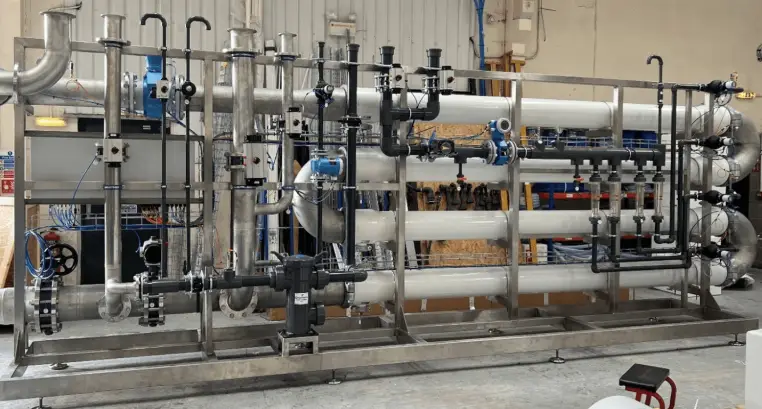
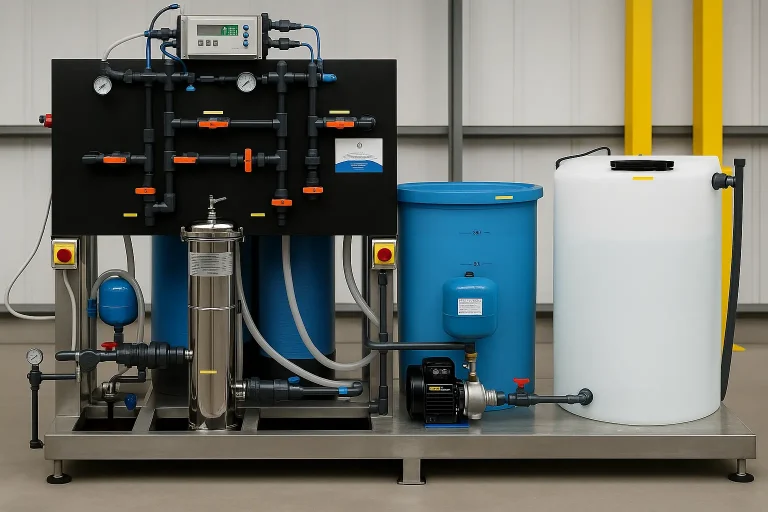
Most industrial effluent requires pre-treatment before entering the sewer network. Pre-treatment reduces pollutant load, stabilises wastewater characteristics, and prevents consent breaches.
Common pre-treatment methods include:
Effective pre-treatment protects equipment, prevents blockages, and ensures consistent discharge quality. More information is available at:
https://allwatertreatment.co.uk/waste-water-treatment/
3. Monitor Trade Effluent Quality and Flow
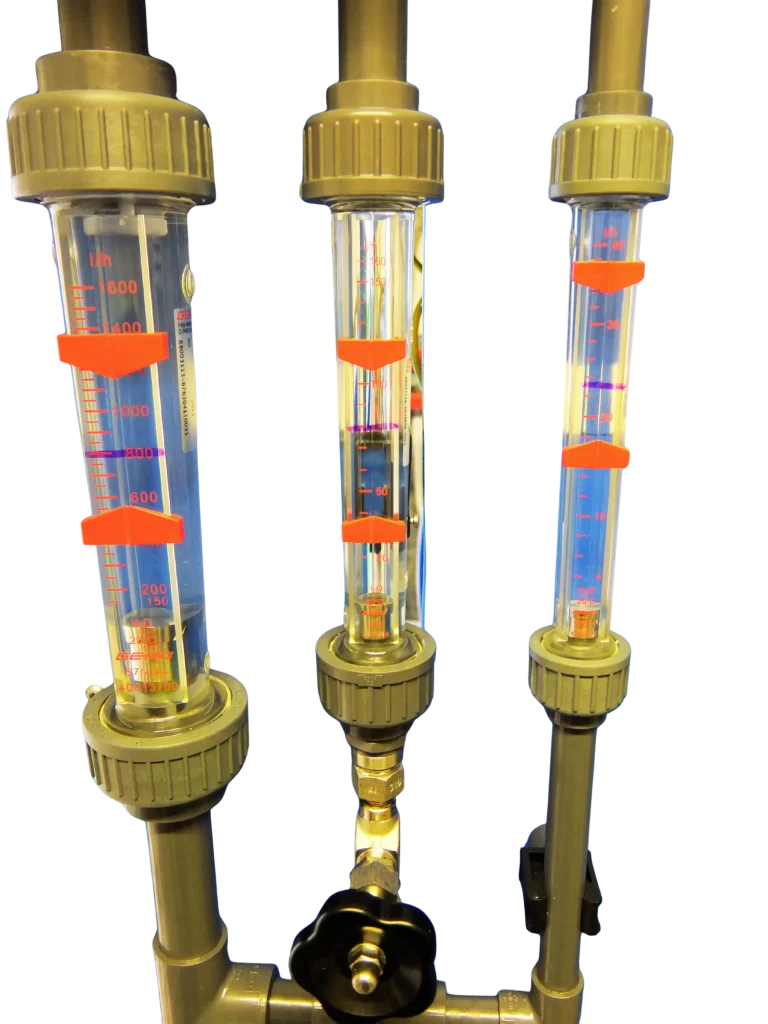
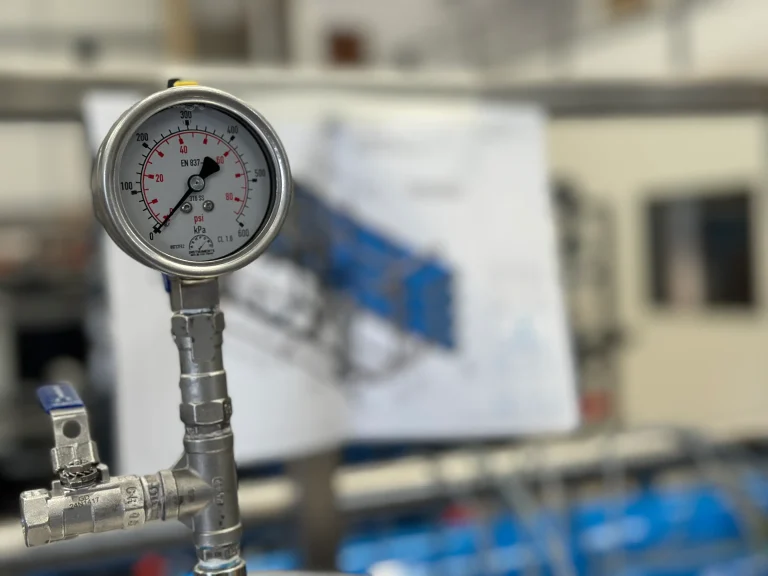
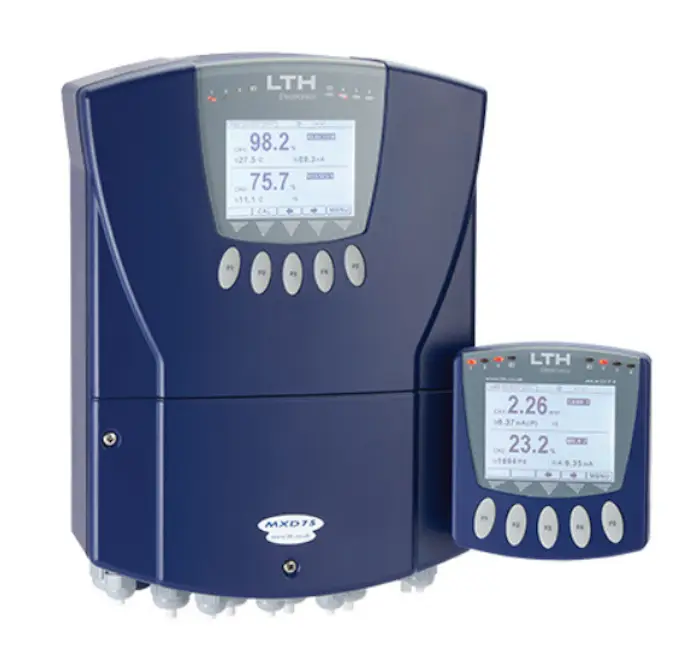
Monitoring is essential for maintaining compliance. It helps operators identify issues early and adapt processes before a breach occurs.
Useful monitoring practices include:
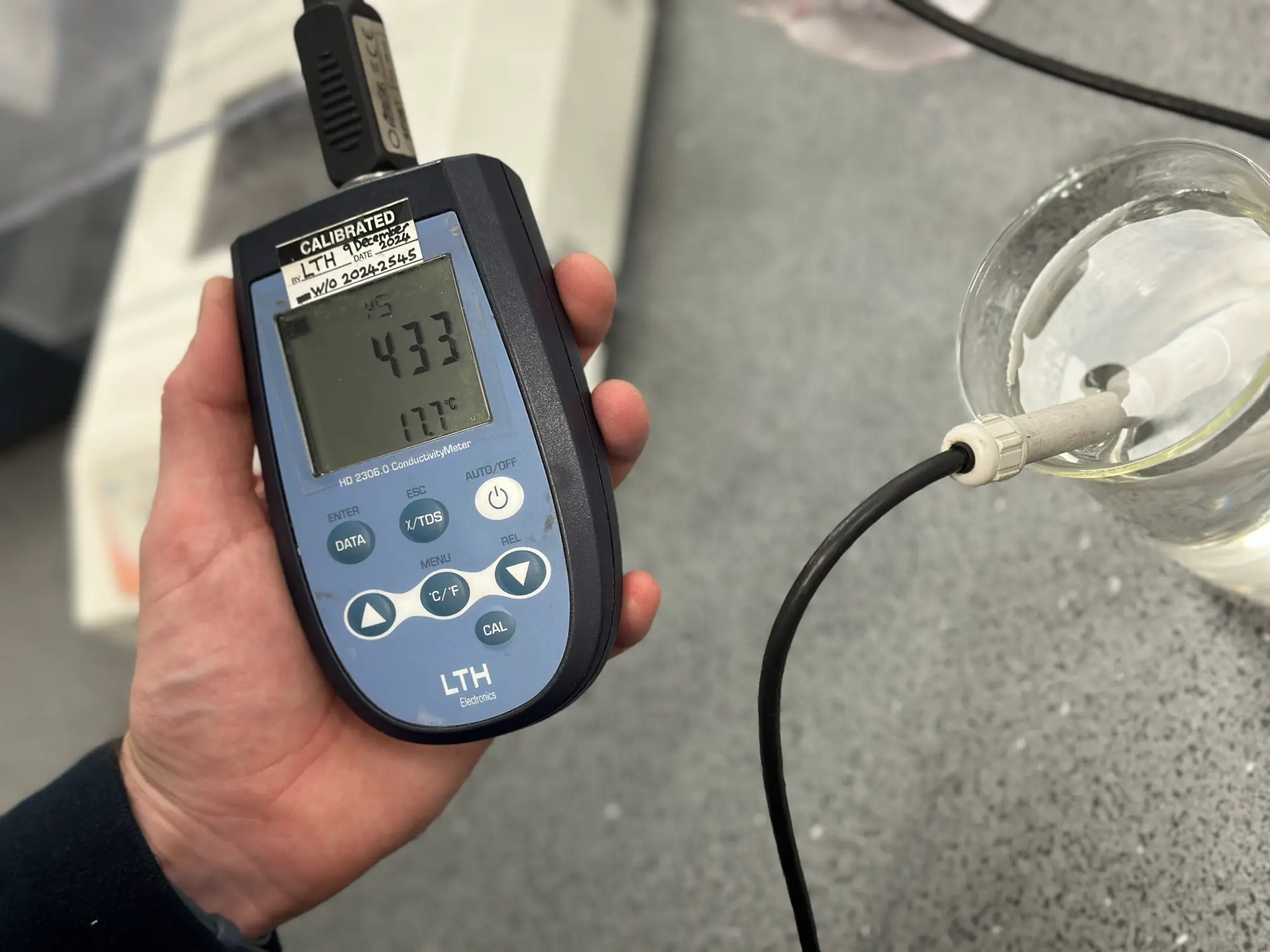
Additional parameters such as conductivity and turbidity may also be requested on the discharge consent licence.
Automated divert of effluent on detection of consent failure.
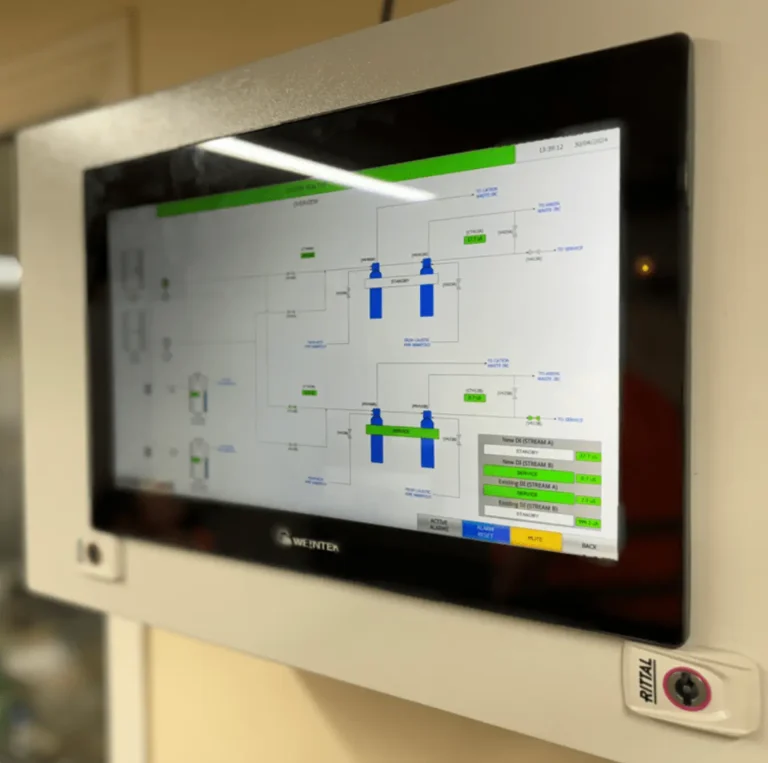
Automation improves accuracy and helps maintain stable discharge quality throughout changing production cycles.
4. Regulatory Compliance
Local water authorities are governed by the UK’s Environment Agency. The Monitoring Certification scheme (MCERTS) has been established by the EA to provide a framework of standards for monitoring discharges, ensuring data quality for regular compliance. As part of your discharge consent license you may be required to comply with MCERTS, which ensures the quality of outfall monitoring equipment design and instrumentation. AWT supply outfall monitoring equipment and instruments that comply with MCERTS so that you can be assured of regulatory compliance.
5. Reduce Contamination at Source
Many effluent issues begin upstream. By minimising the amount of contamination entering drains, businesses can significantly reduce treatment costs and maintain better control of effluent characteristics. Good practices include replacing harsh chemicals with safer alternatives, preventing spills, improving cleaning procedures, installing bunds and drip trays, and maintaining equipment to reduce leakage. Housekeeping measures such as sweeping before washing down or segregating waste streams can also have a significant effect on effluent quality.
6. Maintain Treatment Equipment Regularly
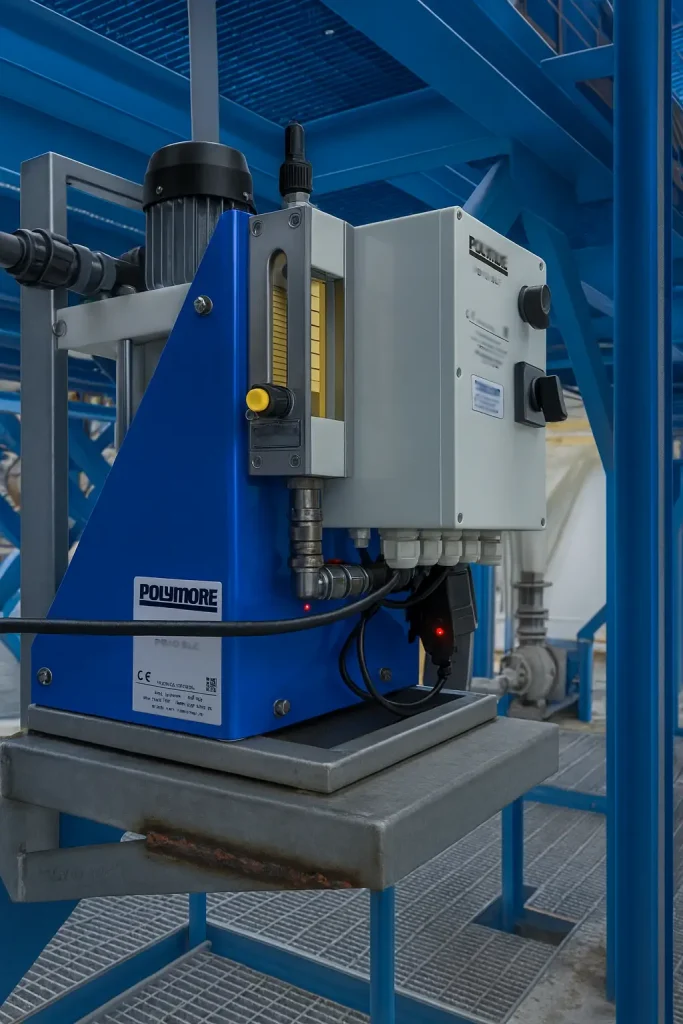
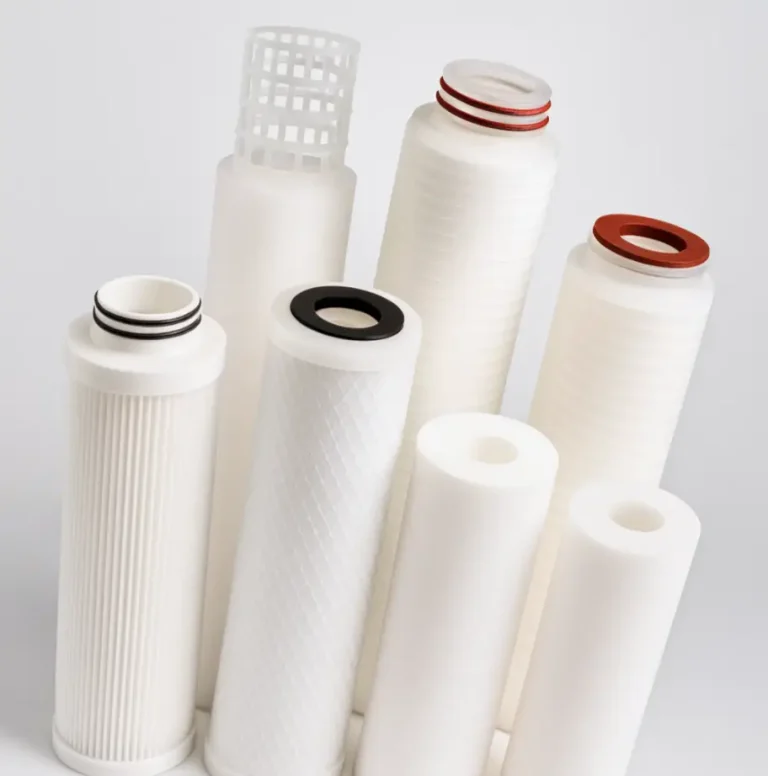
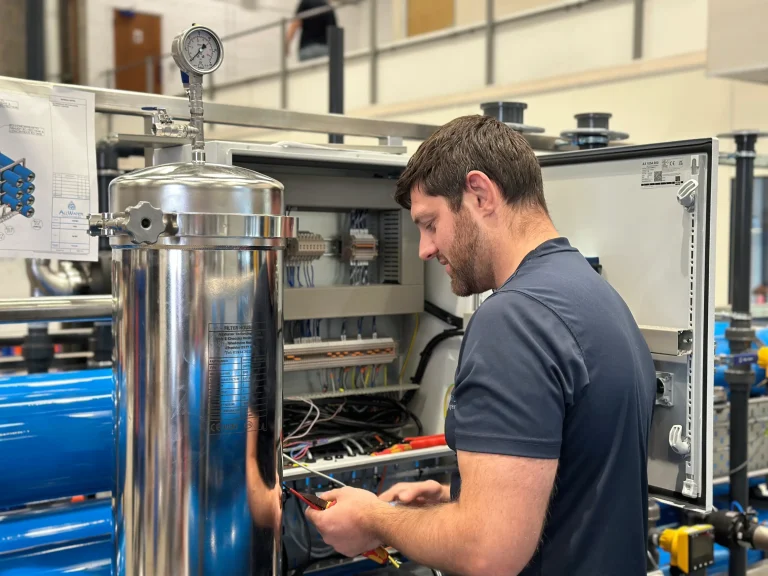
Effluent treatment systems rely on pumps, sensors, tanks, filters, and chemical dosing units that must operate correctly. Routine maintenance ensures stable performance and prevents non-compliant discharge. This includes cleaning settlement tanks, removing sludge, checking pumps, recalibrating probes, inspecting pipework, and verifying that alarms and monitoring systems are functioning correctly. Planned maintenance also reduces downtime and supports long-term reliability.
Maintenance support is available at: https://allwatertreatment.co.uk/services/
7. Keep Clear Records for Audits and Compliance
Water authorities may request monitoring data, sampling records, or maintenance logs at any time. Comprehensive record-keeping provides evidence of compliance and helps trace the cause of unusual results. Records may include sampling logs, calibration certificates, laboratory reports, chemical dosing records, training documents, and maintenance history. Good documentation also helps plan improvements and optimise system performance.
8. Train Staff in Effluent Awareness and Response
Staff who handle chemicals, operate cleaning equipment, or maintain production systems all contribute to effluent quality. Training ensures they understand consent limits, emergency procedures, sampling methods, chemical handling requirements, and the correct operation of treatment equipment. Well-trained staff are more confident in responding to alarms, identifying risks, and preventing contamination before it reaches the drainage system.
Trade effluent management is important across all industries, but some sectors carry particularly high risk. Food and beverage production generates effluent with high organic content, oils, and sediments. Metal finishing and plating produce wastewater that may contain metals or chemicals requiring strict control. Pharmaceuticals, breweries, distilleries, cosmetics manufacturing, industrial laundries, and automotive engineering all produce wastewater with characteristics that require careful treatment.
In each case, effective management protects compliance, prevents damage to local sewer networks, and supports high-quality production.
Trade effluent systems work best when integrated with upstream and downstream processes. A site that softens, filters, or demineralises incoming water will often produce cleaner and more predictable wastewater. Similarly, processes such as chemical recovery, water reuse, or closed-loop cleaning can reduce the volume and complexity of effluent.
A comprehensive strategy may include raw water treatment, softening, reverse osmosis, demineralisation, process water recycling, effluent treatment, sludge handling, monitoring systems, and automation. When combined, these elements support regulatory compliance, reduce waste, and improve sustainability.
Designing an effective trade effluent system requires a clear understanding of the site’s processes and long-term operational goals.
Key considerations include:
A well-designed system reduces compliance risks, controls running costs, and adapts to future operational changes.
We’re here to help with all your water treatment needs. Whether you have questions about our services, want to discuss a project, or need support, our team is ready to assist you. Fill out the form for general enquiries, or you are welcome to email direct or give us a call.
Unit 2,
Cheddar Business Park,
Wedmore Road,
Cheddar
BS27 3EB
Mon-Fri: 08:30-17:30 (GMT)