Tartaric sulphuric acid anodising, often shortened to TSA anodising, is used in aerospace surface treatment as an alternative to chromic acid anodising for aluminium components. It supports corrosion protection and paint pre-treatment, but it also places specific demands on water quality, rinse design and wastewater treatment.
For manufacturers adding, upgrading or relocating a TSA anodising line, water treatment should be considered at the earliest stage. It affects process solution make-up, anodising rinse water quality, wastewater compliance, automation, operator workload and long-term line stability.
This is not simply a case of adding a standard reverse osmosis system or a basic effluent plant. TSA chemistry needs to be understood as part of the full process line. The interaction between tartaric acid, sulphuric acid, aluminium and downstream rinse streams can affect how water is produced, used and treated.
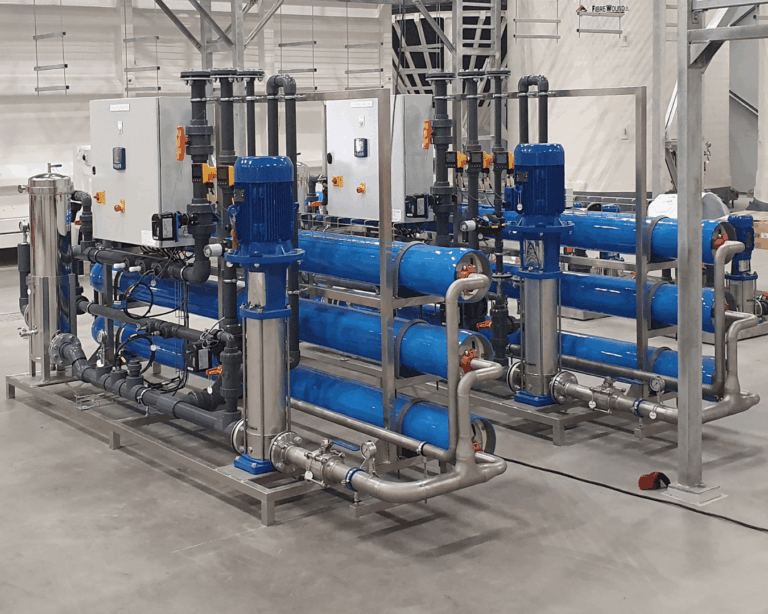
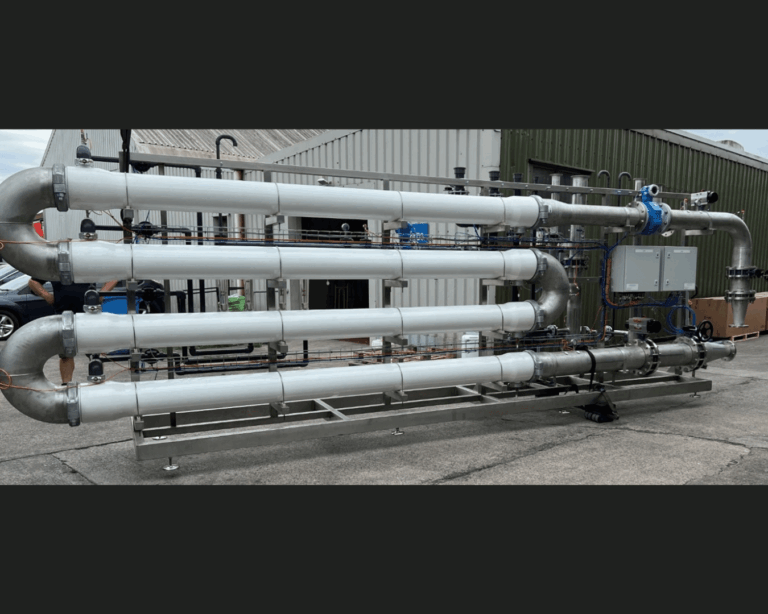
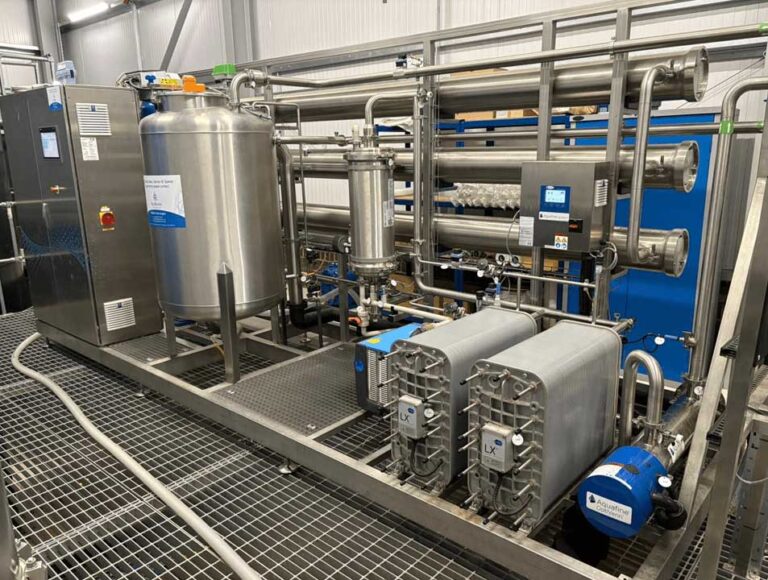
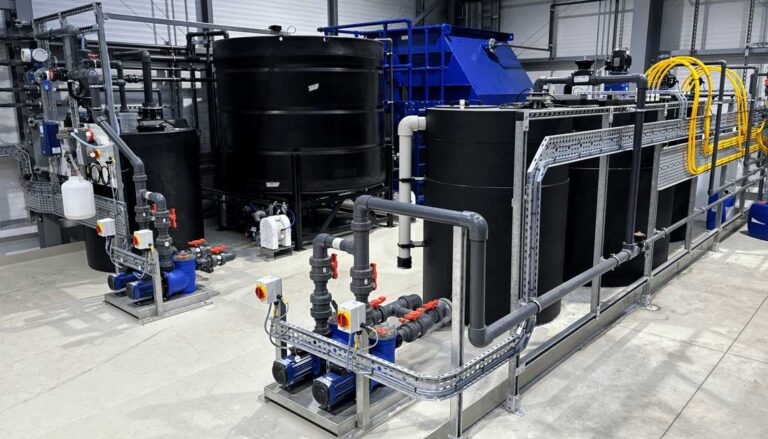
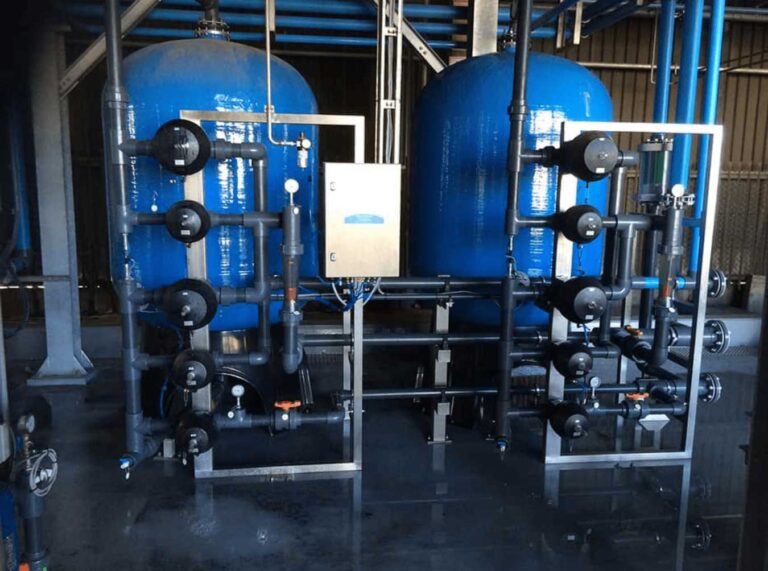
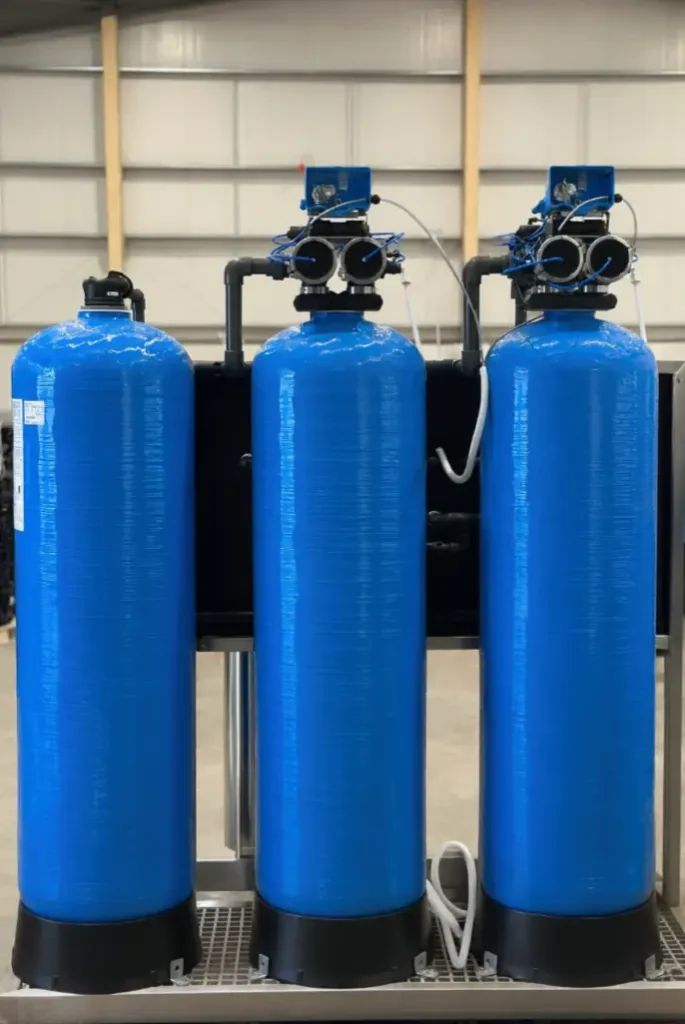
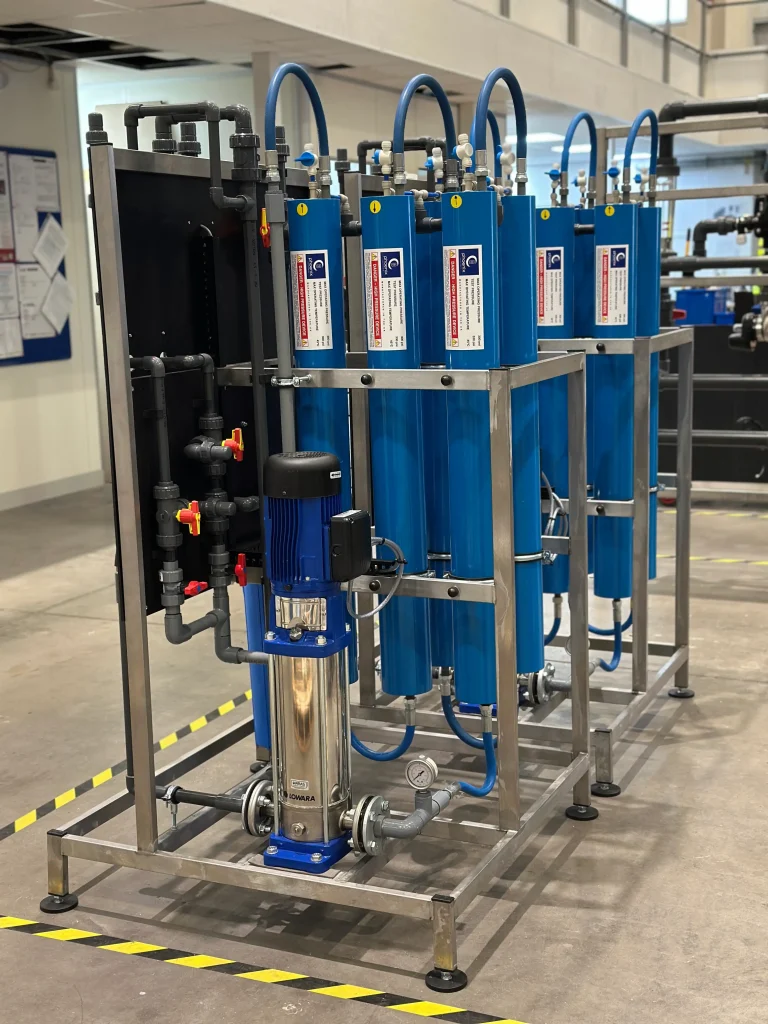
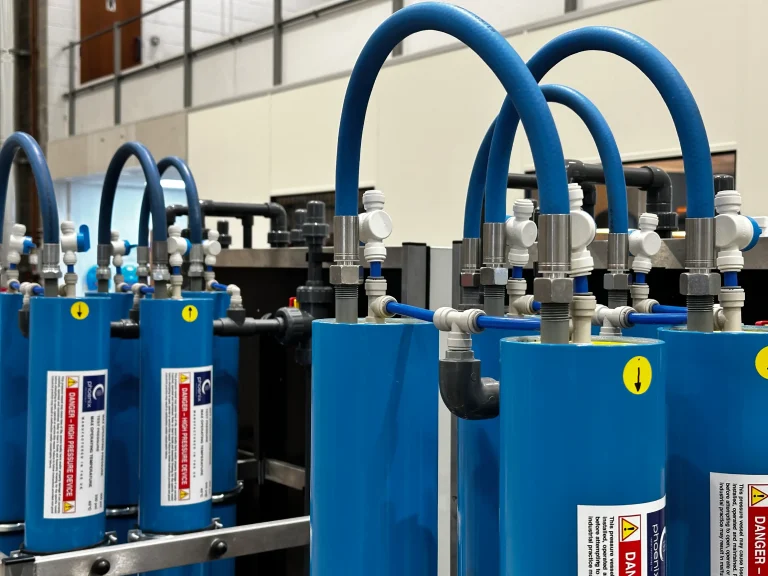
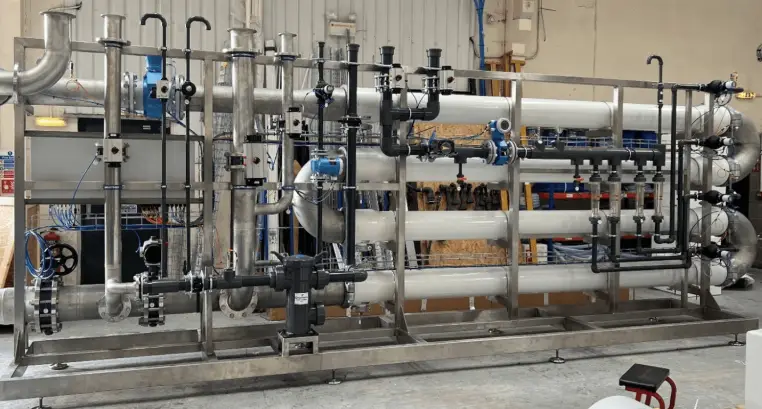
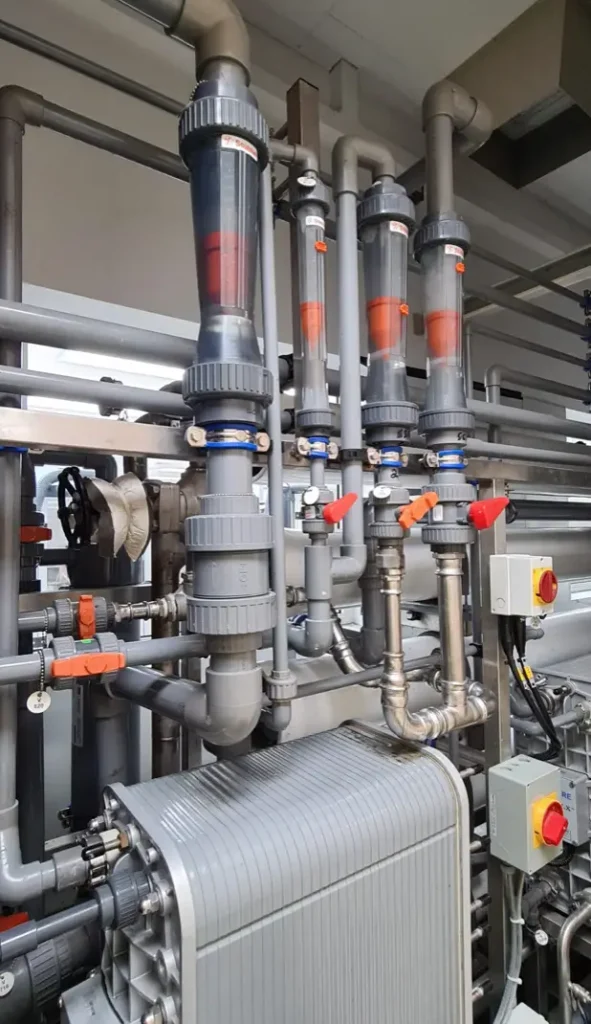
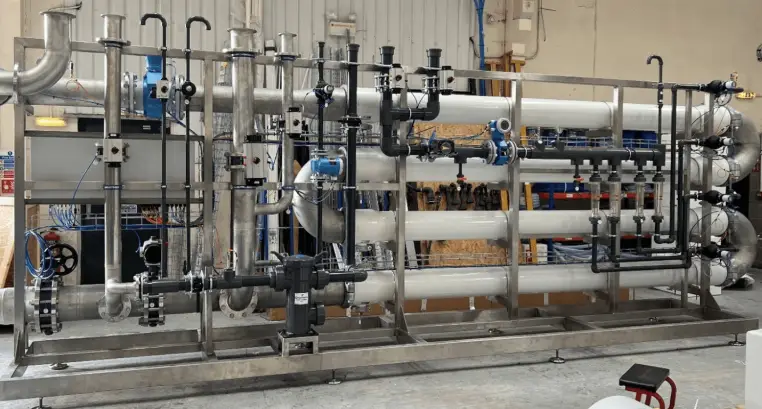
AllWater Technologies has direct experience in this area. In the Aero Fabrications TSA anodising case study, AllWater designed and installed a comprehensive water treatment solution for a new TSA process line, including a reverse osmosis plant to meet Airbus Spec A water requirements and an advanced treatment plant for TSA line waste.
The most important question is not “what water treatment equipment is needed?” It is “what does each part of the TSA line need the water to do?”
A TSA anodising line may need treated water for:
Each stage can have a different water quality requirement. Some rinses may only need controlled incoming water. Other stages may require high-purity water with low conductivity and low dissolved solids.
This is why the water treatment design should be built around the line layout, process specification, component flow, rinse arrangement and discharge consent requirements.
TSA anodising is used because aerospace manufacturers need controlled surface treatments for aluminium parts. EN 4704 covers tartaric sulphuric acid anodising of aluminium and aluminium wrought alloys for corrosion protection and paint pre-treatment, which gives the process a clear aerospace quality context.
Water quality matters because it can affect consistency at several points in the line. Poorly controlled water can contribute to mineral deposits, unwanted carryover, inconsistent rinsing, increased conductivity, residue on components and additional load on effluent treatment.
In aerospace manufacturing, these issues can create wider concerns. The finished part may need to meet customer specifications, surface quality expectations, paint adhesion requirements and audit evidence. Water quality is not the only factor, but it is one of the variables that should be controlled and documented.
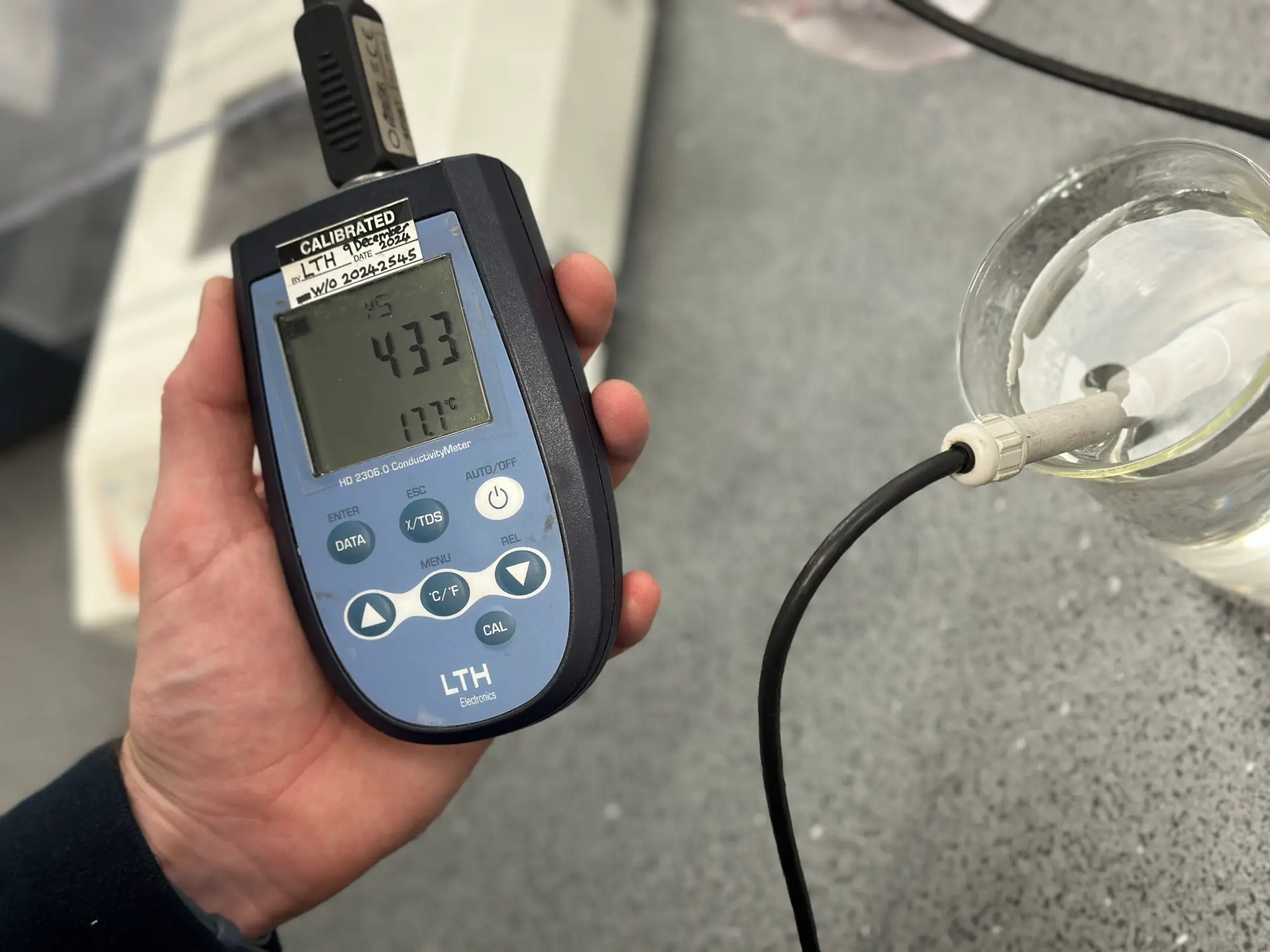
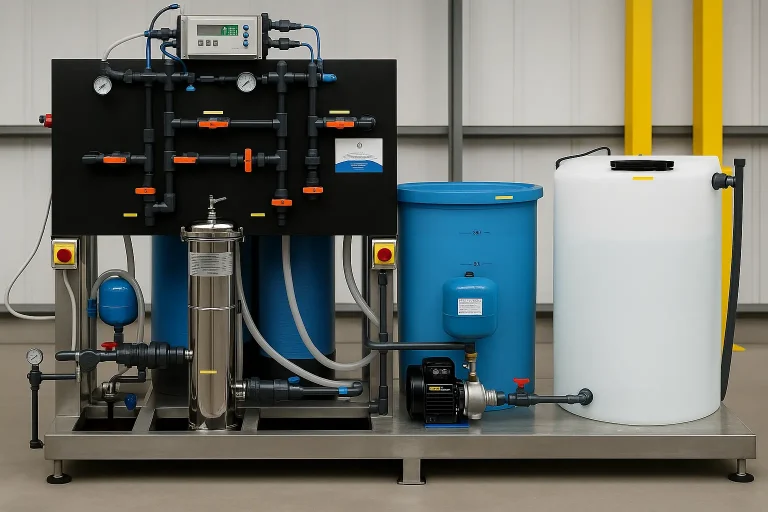
Reverse osmosis is often central to TSA anodising water treatment because it reduces dissolved salts and minerals from incoming water. This can help produce more consistent water for process make-up and rinsing.
A correctly specified reverse osmosis system may support:
For aerospace applications, the required water quality should be set by the applicable process specification, customer requirement or equipment design. In the Aero Fabrications project, AllWater carried out tap water analysis and RO membrane projections to design an RO plant capable of producing water that met Airbus Spec A standards.
That step matters. RO design should not be based on assumed mains water quality. It should be based on real feedwater analysis, projected performance and the required output quality.
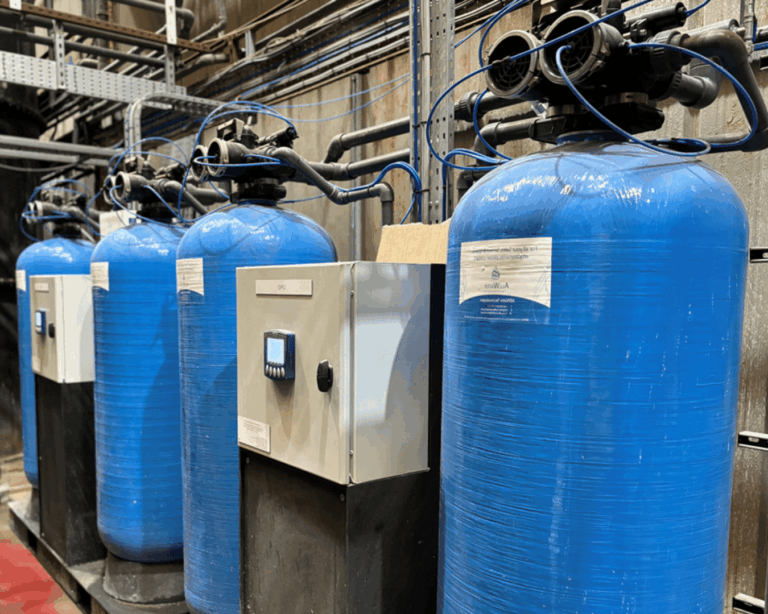
RO can remove a high proportion of dissolved solids, but some processes may need further polishing. This is where demineralisation or deionisation may be considered.
For TSA lines, demineralised or deionised water may be relevant where very low conductivity is required for final rinsing, sensitive rinse stages or process make-up.
The correct approach depends on the specification. Some lines may use RO alone. Others may need RO followed by mixed-bed deionisation or another polishing stage. The decision should be based on the required conductivity, flow rate, rinse design, quality risk and operating cost.
The aim is not to over-treat every water stream. It is to supply the right water quality at the right point in the line.
Anodising rinse water quality depends on more than the water treatment plant. Rinse tank design, flow rate, drag-out, agitation, component geometry and cascade arrangement can all affect final results.
A high-purity water supply will not solve a poorly designed rinse sequence. Equally, a good rinse arrangement can be undermined by inconsistent incoming water.
For TSA anodising lines, the following should be reviewed early:
Rinse water should be managed as part of the whole line, not as a separate utility. This is especially important where the site wants to control water consumption without compromising quality.
TSA anodising does not only need high-quality water going into the line. It also produces wastewater that can be challenging to treat.
Wastewater may include acidity, aluminium, sulphates, tartaric acid, rinse water, spent chemistry and other contaminants depending on the full process sequence. The tartaric acid component can make treatment more complex because of the way it interacts with metals and other contaminants.
This is why a standard effluent plant may not be enough.
A TSA wastewater treatment strategy may need to consider:
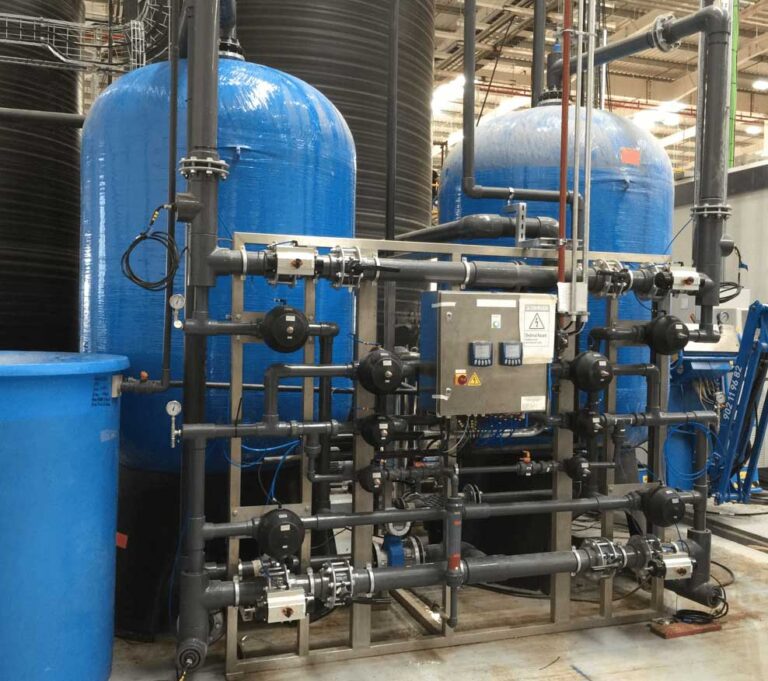
In the Aero Fabrications project, AllWater conducted laboratory testing using TSA samples to optimise the waste treatment process. This allowed the system to be designed around the real chemistry of the line rather than relying on theoretical assumptions.
Laboratory testing is one of the most important steps in TSA anodising water treatment design.
It helps confirm how the waste stream behaves, what treatment chemistry is needed, how quickly contaminants respond, how much sludge may be generated and whether the treated effluent can meet discharge requirements.
For a new TSA line, this is especially valuable because the waste chemistry may differ from existing chromic, sulphuric or general anodising processes.
Testing can help answer questions such as:
This reduces risk before the system is built. It also gives the manufacturer stronger evidence for design decisions, commissioning and future operation.
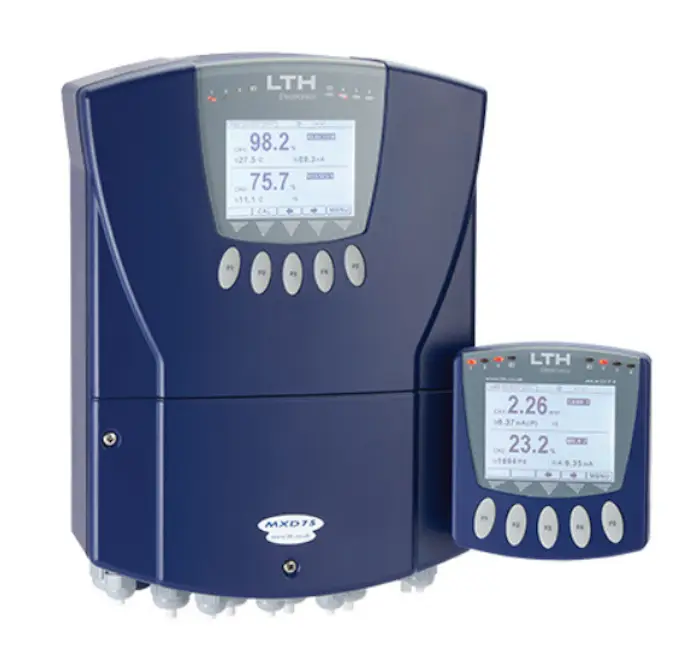
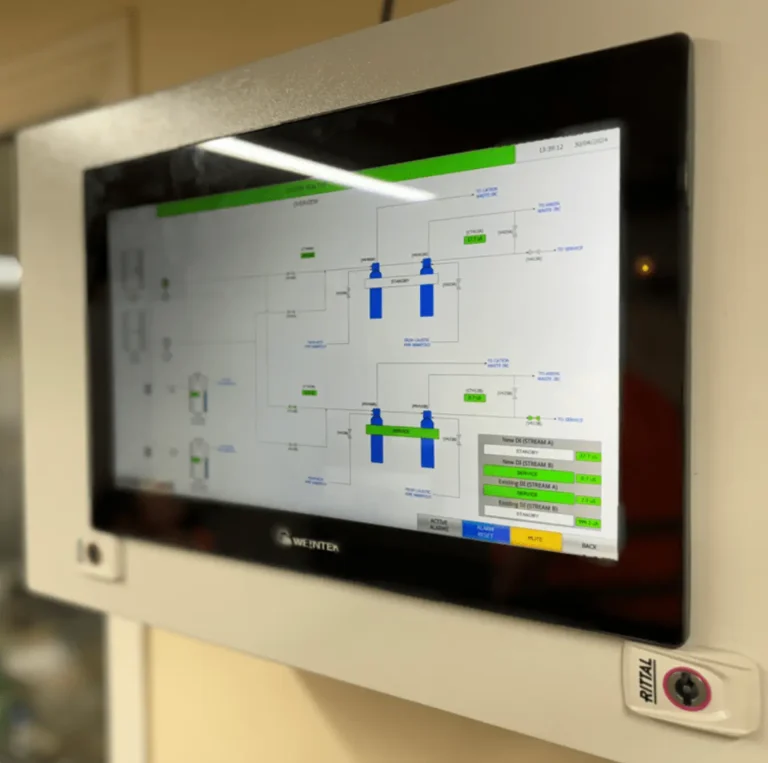
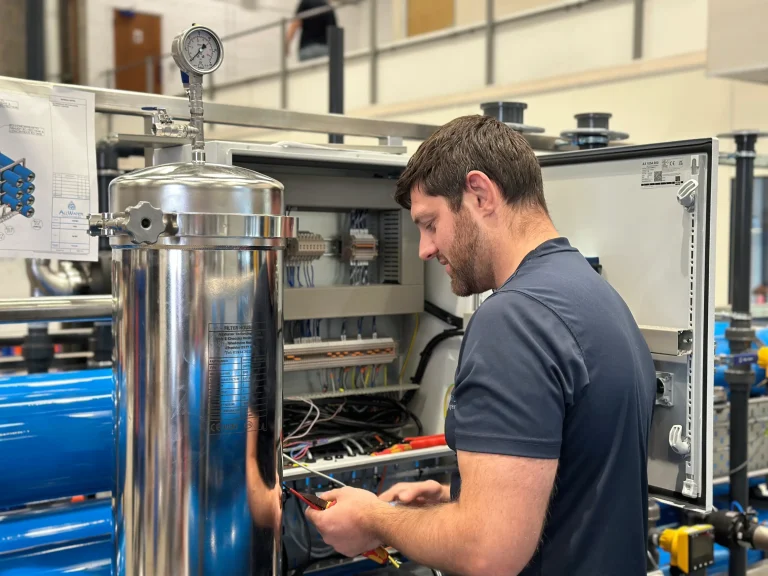
TSA lines often need stable water quality and reliable wastewater control. Automation can help reduce manual adjustment, improve consistency and support compliance.
Useful monitoring and control points may include:
For aerospace manufacturers, automation is not only about convenience. It supports repeatability, traceability and faster response when conditions change.
A robust system should make it easier for operators to see whether water quality is within range, whether treatment chemistry is working and whether the plant is approaching an alarm condition.
A TSA anodising line is often part of a wider aerospace production environment. Water treatment needs to support that environment without becoming a bottleneck.
Important design considerations include:
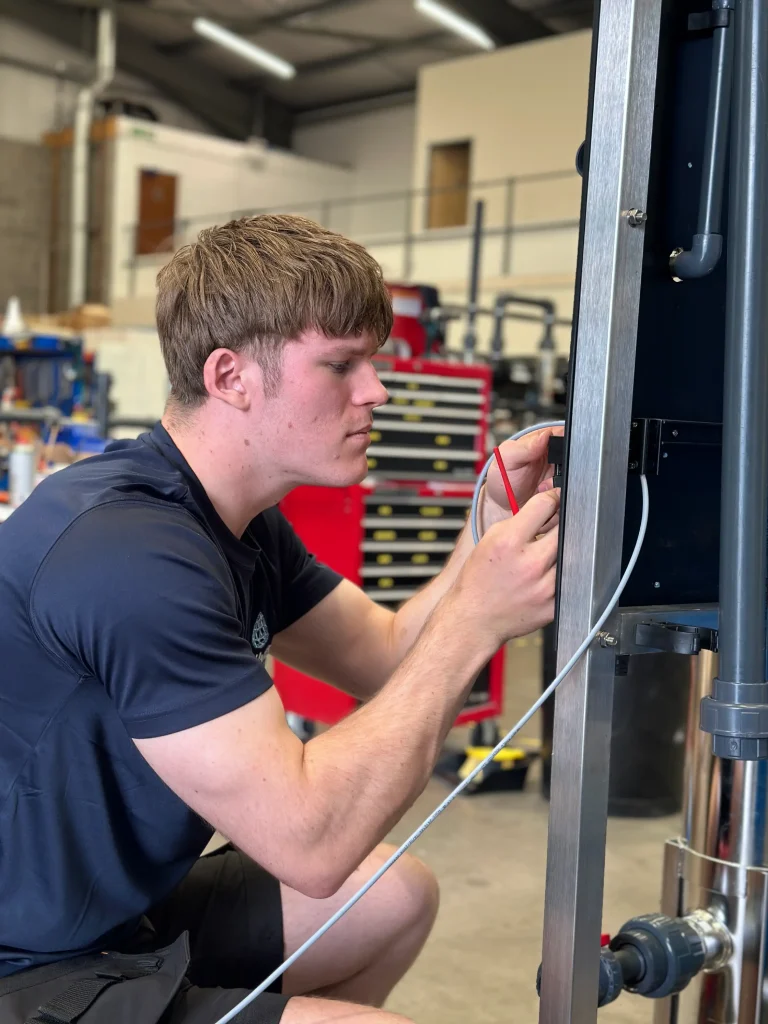
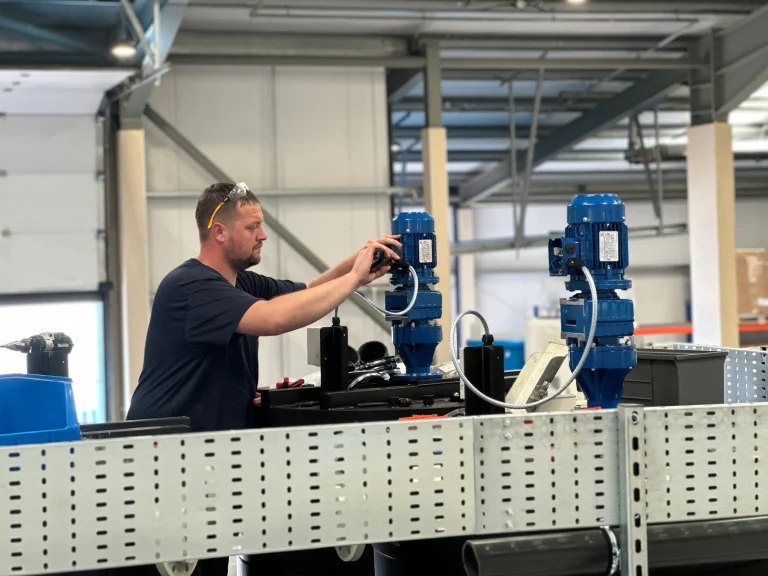
For larger or production-critical lines, installation and commissioning should include careful system testing, operator training and documentation. The goal is not only to install equipment, but to prove that the system can support the TSA line under real operating conditions.
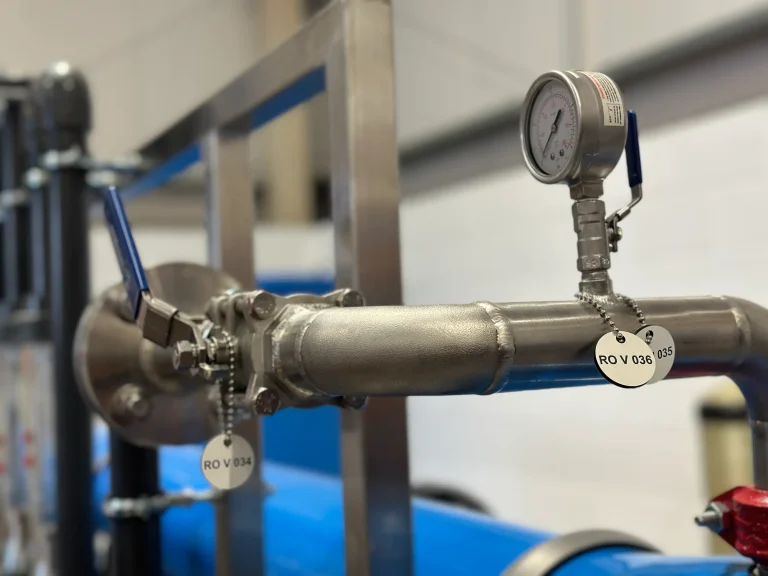
Water treatment performance must be maintained after installation. RO membranes can foul. Filters can load. Dosing systems can drift. pH probes need checking. Pumps, valves and instruments need routine attention.
For TSA anodising lines, planned support may include:
Planned service agreements can help keep the system stable and reduce the risk of unplanned disruption. Where process issues are harder to diagnose, technical support for water systems can help identify root causes and recommend corrective action.
AllWater Technologies works with aerospace, defence and surface treatment clients where water quality, wastewater compliance and process reliability are critical.
The Aero Fabrications project is directly relevant to TSA anodising. AllWater supplied a tailored water treatment system for a new Tartaric Sulphuric Anodising line, including an RO plant for Airbus Spec A water and an advanced wastewater treatment plant designed around TSA chemistry.
AllWater’s wider aerospace and defence water treatment and surface treatment water systems experience includes high-purity water, demineralisation, rinse water control, effluent treatment, installation, commissioning and ongoing service support.
For manufacturers planning a TSA line, this combination matters. The incoming water, rinse stages and wastewater plant need to work together. If they are specified separately, the system may meet one requirement while creating problems elsewhere.
Before specifying TSA anodising water treatment, manufacturers should ask:
These questions help turn a broad water treatment requirement into a practical system specification.
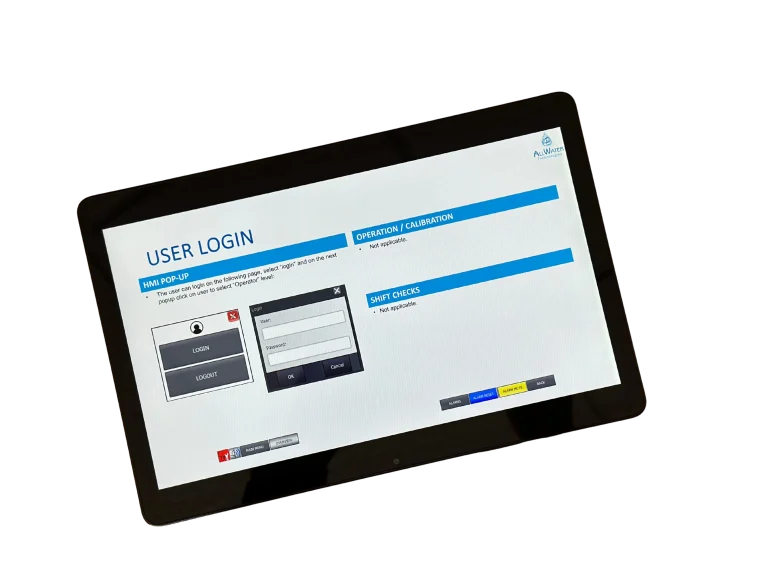
TSA anodising lines need water treatment that is designed around the process, not bolted on after the line has been specified.
The incoming water must be suitable for process make-up and rinsing. The rinse design must control carryover and conductivity. The wastewater plant must be able to deal with TSA chemistry. Monitoring, automation and service support must keep the system stable after commissioning.
For aerospace and defence manufacturers, the strongest approach is to assess the full line early, including feedwater quality, rinse requirements, wastewater characteristics and compliance obligations.
AllWater Technologies can help specify, install and support TSA anodising water treatment systems that meet site-specific requirements, from RO and demineralisation through to effluent treatment, automation and service support.
Speak to AllWater about TSA anodising water treatment requirements.
TSA anodising water treatment covers the production, control and treatment of water used in tartaric sulphuric acid anodising lines. It can include RO, demineralisation, anodising rinse water control, wastewater treatment, monitoring and servicing.
High-purity water helps reduce dissolved solids, mineral carryover and residue on aerospace components. It may be required for process solution make-up, final rinsing or other critical rinse stages depending on the specification.
RO may be enough for some applications, but others may need additional demineralisation or deionisation. The answer depends on the required conductivity, process specification, customer requirement and rinse design.
TSA wastewater can be difficult because it may contain tartaric acid, sulphuric acid, aluminium and complexed contaminants. Treatability testing is important before designing the final wastewater treatment system.
Rinse water reuse may be possible, but it needs careful assessment. The decision depends on rinse quality, contamination level, conductivity targets, wastewater treatment design and the risk of returning contaminants to the line.
Early planning helps ensure the RO, rinse design, wastewater treatment, automation and service access are designed around the actual TSA process. This reduces the risk of quality issues, compliance problems and retrofit costs later.
We’re here to help with all your water treatment needs. Whether you have questions about our services, want to discuss a project, or need support, our team is ready to assist you. Fill out the form for general enquiries, or you are welcome to email direct or give us a call.
Unit 2,
Cheddar Business Park,
Wedmore Road,
Cheddar
BS27 3EB
Mon-Fri: 08:30-17:30 (GMT)