Hard water is one of the most common and costly problems across UK commercial and industrial sites. Minerals such as calcium and magnesium build up inside boilers, heat exchangers, dishwashers, pipework, and manufacturing equipment, leading to reduced efficiency, higher energy bills, and increased maintenance. Commercial water softeners provide an effective and reliable way to remove hardness before it reaches critical systems.
This article explains what commercial water softeners do, why they matter in industrial environments, and how to choose the right system for your site. It also explores the operational benefits, design considerations, and maintenance factors that ensure long-term performance.
AllWater Technologies supplies commercial and industrial water treatment systems designed for demanding operating conditions. The team combines decades of engineering experience with hands-on installation and commissioning expertise, ensuring every softening system is correctly specified, compliant, and optimised for site performance. AllWater also provides nationwide servicing, planned maintenance, and responsive technical support.
Commercial water softeners remove hardness from incoming water by exchanging calcium and magnesium ions with sodium ions. This prevents scale formation in boilers, hot water systems, heat exchangers, and other equipment where high temperatures accelerate mineral deposition.
Hardness minerals are responsible for:
By removing these minerals, commercial water softeners protect equipment, increase energy efficiency, and ensure consistent system performance.
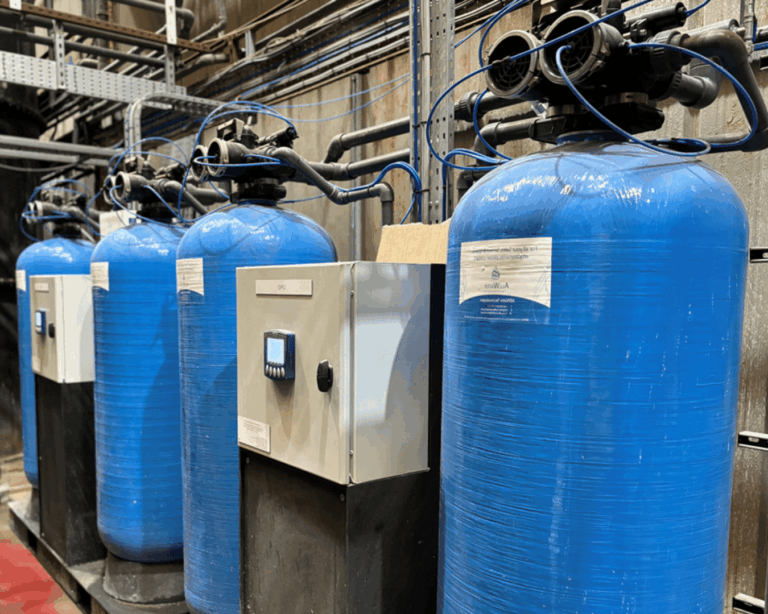
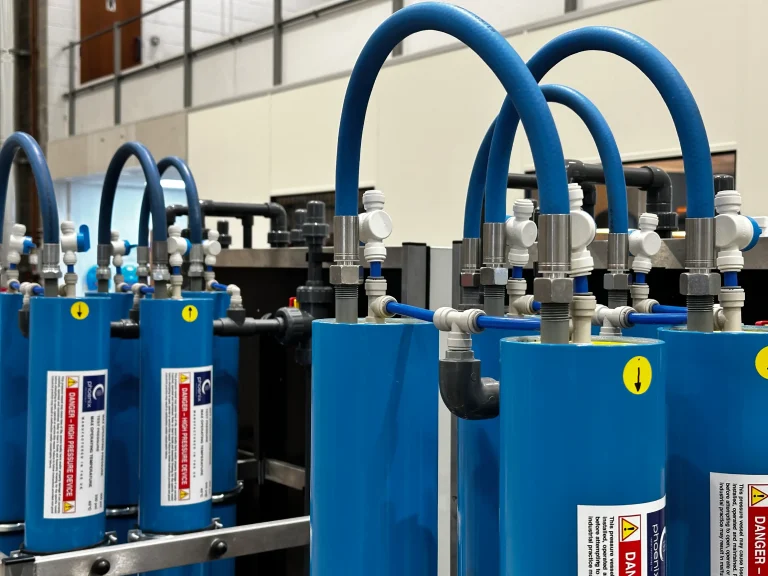
Most commercial softeners use ion exchange technology. Hard water passes through a vessel filled with resin beads. These beads, when regenerated are in the sodium (Na+) form. When calcium and magnesium in the water come into contact with the resin, they are exchanged for sodium.
Over time, the resin becomes saturated with hardness minerals and must be regenerated. Regeneration uses a concentrated brine solution (sodium chloride) to remove the accumulated calcium and magnesium, restoring the resin’s effectiveness.
Ion exchange softeners are widely used because they are reliable, efficient, and capable of delivering soft water continuously when designed correctly for the application.
1. Protect Critical Equipment
Hardness scale reduces the efficiency and lifespan of commercial equipment. In boilers and heat exchangers, even a thin layer of scale can significantly increase fuel consumption. In hot water systems, scale restricts flow, reduces temperature output, and increases wear.
Softened water helps prevent:
For businesses that rely on continuous heating or hot water, softening is a key protective measure.
2. Reduce Operating and Energy Costs
Scale acts as an insulating layer, forcing boilers and heating systems to work harder. As scale increases, energy bills rise. Removing the hardness that causes scale directly improves energy efficiency and reduces operational expenditure.
Softening also reduces the amount of detergent required in cleaning, laundry, and sanitation processes, contributing to lower chemical consumption.
3. Improve Process Performance and Product Quality
Many commercial and industrial processes rely on water with predictable characteristics. Hardness can interfere with cleaning, sanitation, manufacturing processes, and water-fed equipment.
Softened water improves:
For industries sensitive to water quality, softened water supports both efficiency and compliance.
4. Extend Equipment Life and Reduce Maintenance
Hard water is one of the leading causes of equipment failure in commercial settings. By preventing scale formation, softeners help extend the lifespan of boilers, heaters, pipework, valves, and process equipment. This reduces unplanned downtime, lowers repair costs, and supports stable, consistent operation.
5. Support Compliance in Regulated Sectors
Some industries have specific requirements around water quality. Hardness can interfere with sterilisation, cleaning, and validated processes, particularly in:
Softening ensures water meets the performance threshold required for compliant operation.
Commercial water softeners are used across a wide range of industries. Typical applications include:
Wherever water comes into contact with high temperatures or critical surfaces, hardness control is essential.
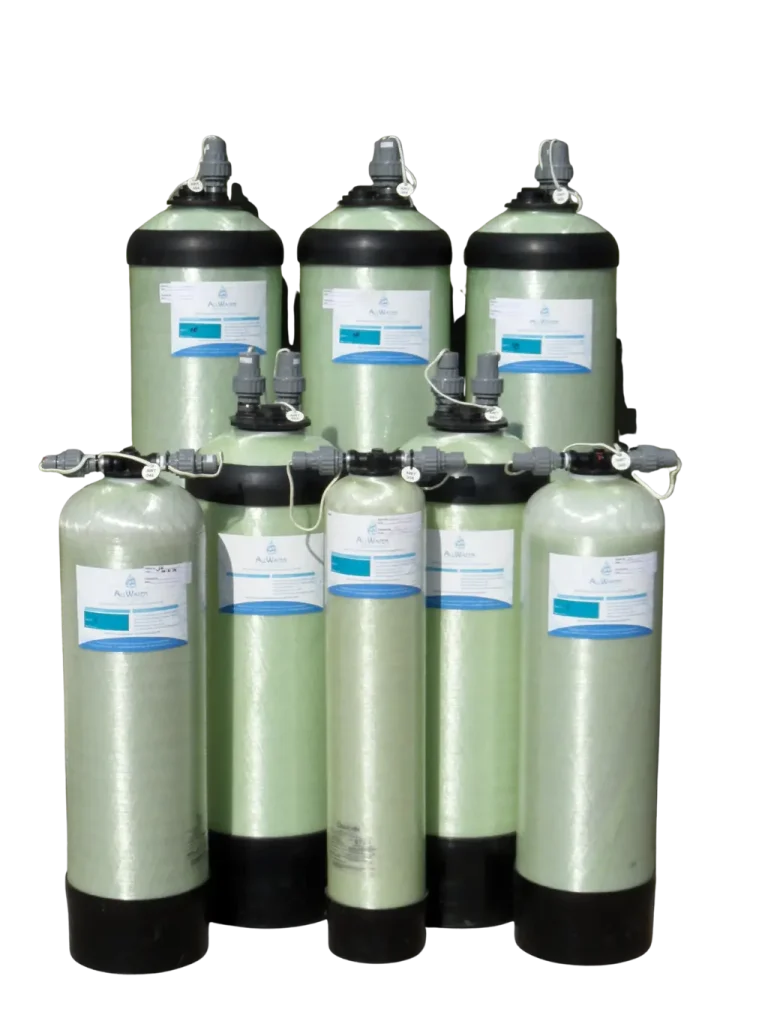
Single Vessel Softeners
These are suitable for lower-demand applications or sites where soft water is not required continuously. The system produces soft water until the resin is exhausted and then enters regeneration. During regeneration, soft water is temporarily unavailable.
Duplex (Duty-Standby) Softeners
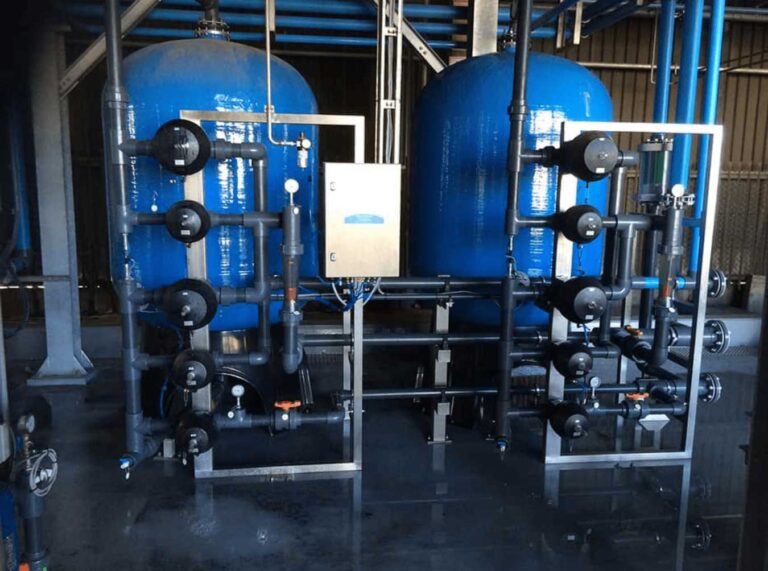
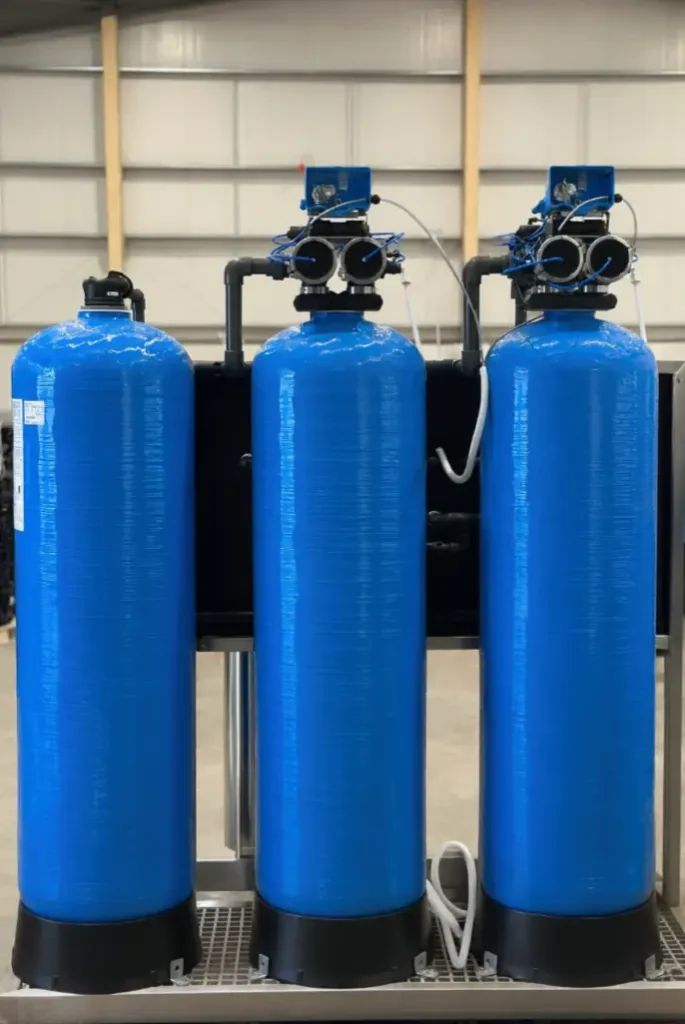
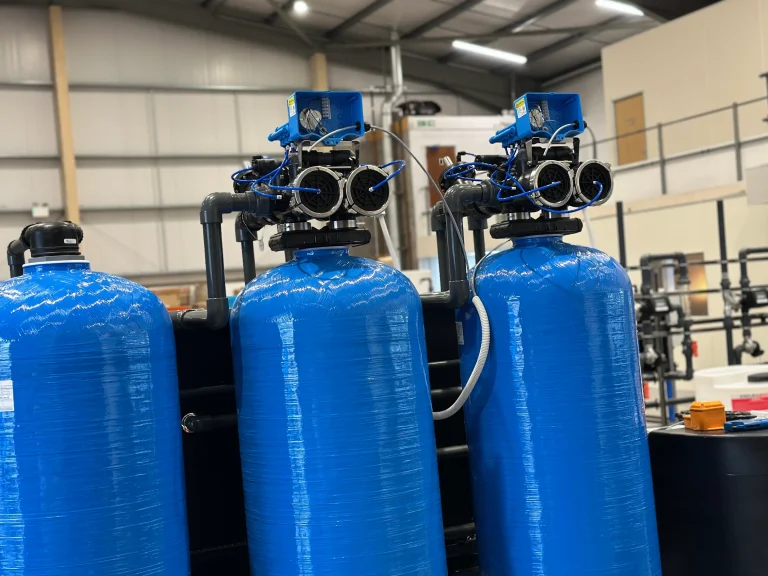
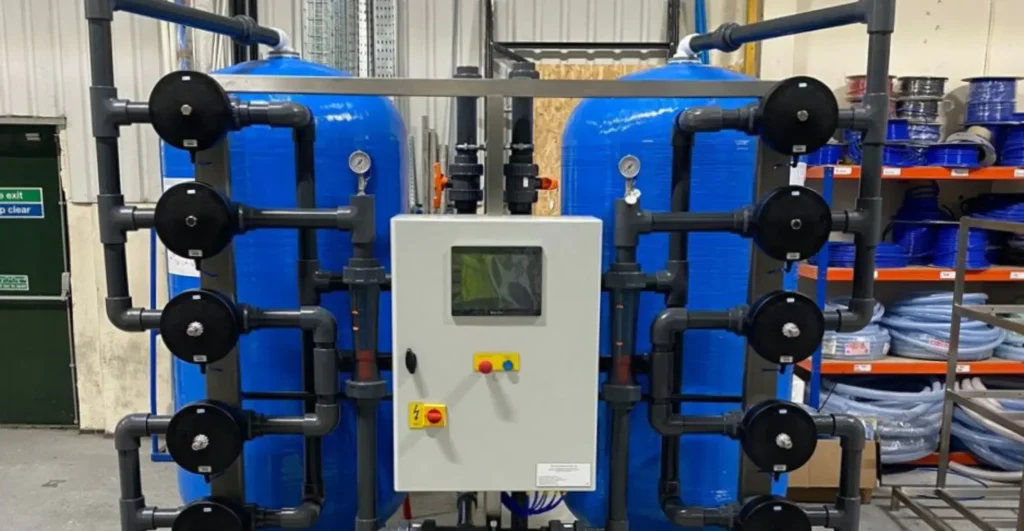
These systems include two vessels that operate alternately. When one vessel regenerates, the other remains online, providing continuous soft water. Duplex systems are preferred in commercial environments where downtime is not acceptable.
Triplex and Multi-Vessel Systems
Large industrial sites may require multiple vessels to achieve high flow rates, redundancy, or 24-hour operation across multiple production lines. Multi-vessel systems offer excellent flexibility and resilience.
Selecting a suitable system depends on several key factors. A well-specified softener ensures efficiency, long life, and low running costs.
Key considerations include:
A professional site survey ensures the chosen system matches operational needs and regulatory requirements.
Commercial softeners require salt to regenerate the resin. The most common salt types are tablet salt and granular salt. The choice depends on the brine system design.
Regeneration cycles vary depending on hardness levels and water usage. Automated regeneration is strongly recommended for commercial sites, providing consistent performance and reducing operator intervention.
Commercial water softeners are reliable when maintained correctly. Routine maintenance includes checking salt levels, cleaning brine tanks, verifying regeneration settings, checking valves, and ensuring sensors are functioning correctly. Resin may eventually require replacement, although high-quality systems often continue performing well for many years.
AllWater provides planned maintenance services and technical support across the UK, ensuring systems remain compliant and efficient throughout their lifecycle.
Softening is often used alongside other water treatment processes. For example:
Integrating softening into a wider water treatment strategy helps achieve long-term reliability and lower operational cost.
Commercial water softeners play a vital role in protecting equipment, improving efficiency, and maintaining compliance across UK industrial and commercial environments. Hard water causes scale, increases energy consumption, reduces process efficiency, and shortens equipment life. Softening prevents these issues at the source, providing immediate and long-term value.
By understanding how commercial water softeners work, identifying your site’s needs, and selecting a correctly sized system, you can significantly reduce maintenance, protect critical assets, and support consistent, efficient production. For tailored guidance, contact the AllWater team or explore the full range of commercial water treatment solutions.
We’re here to help with all your water treatment needs. Whether you have questions about our services, want to discuss a project, or need support, our team is ready to assist you. Fill out the form for general enquiries, or you are welcome to email direct or give us a call.
Unit 2,
Cheddar Business Park,
Wedmore Road,
Cheddar
BS27 3EB
Mon-Fri: 08:30-17:30 (GMT)