Filtration plays a critical role in industrial water treatment. Whether protecting downstream equipment, maintaining process water quality, or ensuring regulatory compliance, effective filtration underpins the performance and reliability of the entire system.
However, filtration efficiency is often misunderstood. Poor filter performance is frequently blamed on the filter itself, when in reality the issue lies with system design, incorrect media selection, inadequate maintenance, or a mismatch between filtration technology and the application.
Improving filtration efficiency is not about installing finer filters by default. It requires a clear understanding of the contaminants present, the role filtration plays within the wider treatment process, and how operational factors influence long-term performance.
This article explores practical, engineering-led ways to improve filtration efficiency in industrial systems, focusing on design, operation, and optimisation rather than short-term fixes.
AllWater Technologies designs, installs, and maintains industrial filtration systems across a wide range of sectors. With hands-on experience of real-world operating conditions, the team understands how filtration behaves over time and how to optimise performance without compromising system reliability or increasing risk.
Filtration efficiency is often simplified to the idea of removing as many particles as possible. In practice, it is a balance between contaminant removal, flow stability, pressure drop, and filter life.
An efficient filtration system removes the contaminants it is designed to target while maintaining consistent flow rates, acceptable differential pressure, and predictable maintenance intervals. If any of these factors are compromised, overall system performance suffers.
For example, installing a very fine cartridge filter may remove smaller particles, but it can also cause rapid blockage, increased pressure drop, and frequent filter changes. In this scenario, filtration efficiency is actually reduced, even though nominal filtration rating has improved.
True efficiency is application-specific and must be defined in terms of system performance, not just micron ratings.
The first step in improving filtration efficiency is understanding what needs to be removed from the water.
Industrial water sources can contain a wide range of contaminants, including suspended solids, silt, rust, scale, organic matter, oils, biological material, and process-specific particulates. Each behaves differently and requires an appropriate filtration approach.
Particle size distribution is particularly important. A system designed around an assumed particle size may perform poorly if the actual distribution is broader or finer than expected. Similarly, sticky or compressible particles can block filters far more quickly than inert solids.
Water analysis, visual inspection, and historical operating data all contribute to building an accurate picture of contamination. Without this understanding, filter selection becomes guesswork.
Different water filtration technologies are suited to different roles within an industrial system. Improving efficiency often involves ensuring the right technology is being used at the right point.
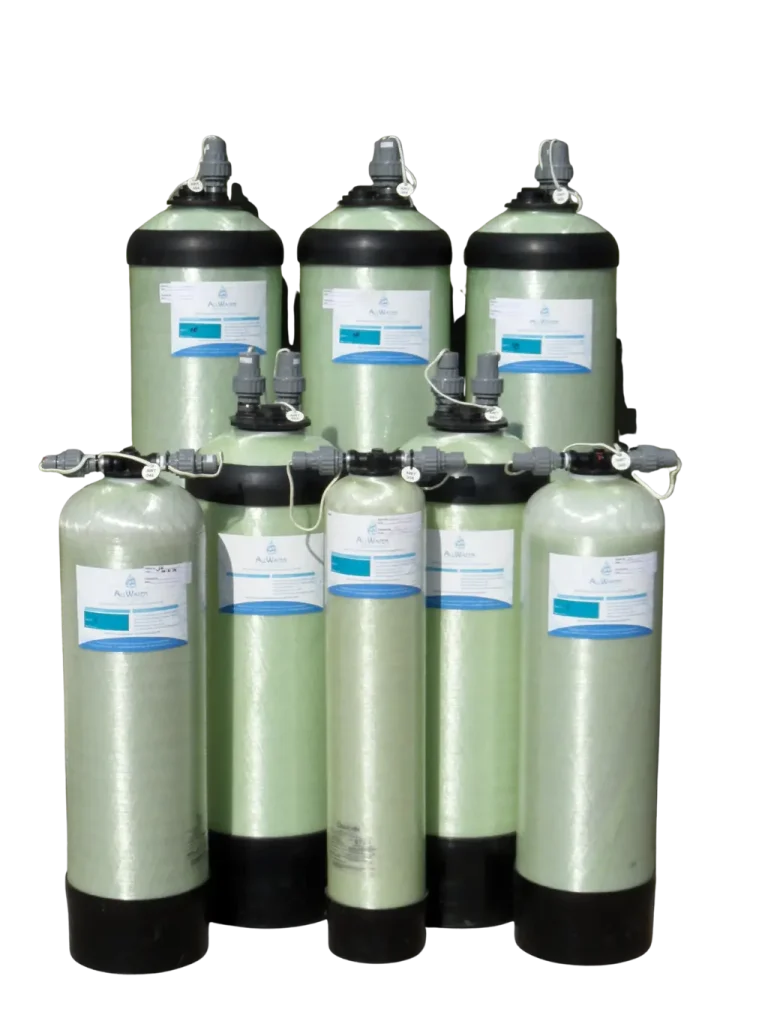
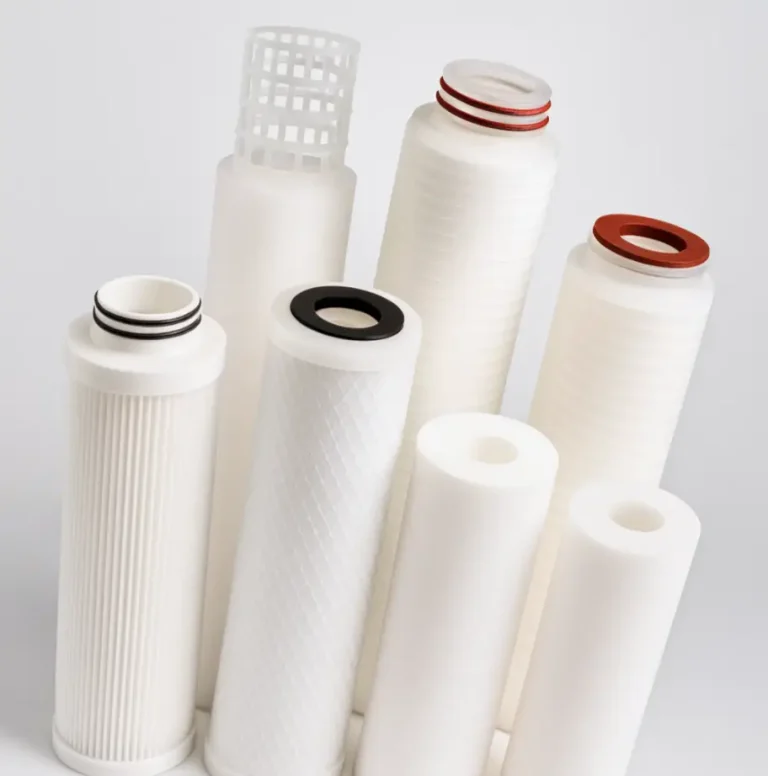
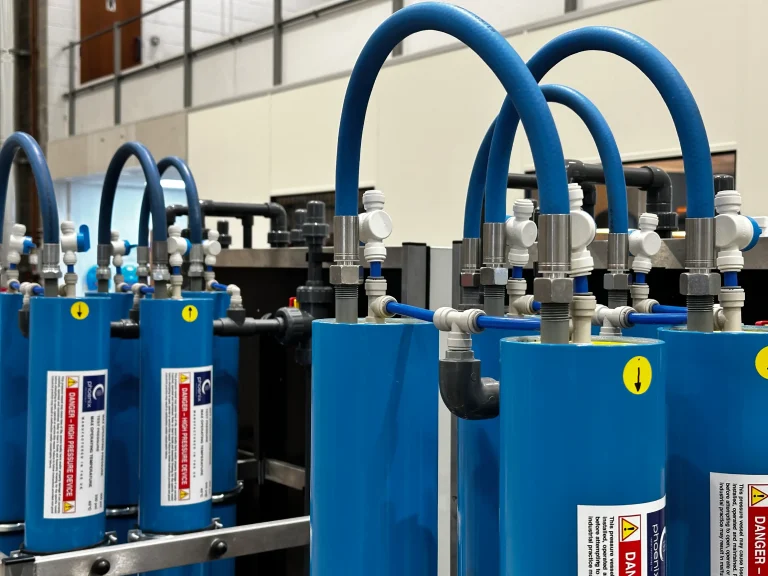
Common industrial filtration technologies include:
Using fine filtration where coarse filtration is required is a common mistake. Bulk solids should be removed using robust, high-capacity filters before finer polishing stages. This protects downstream filters and extends service life.
Matching filtration technology to contaminant type and loading is one of the most effective ways to improve efficiency without increasing operating costs.
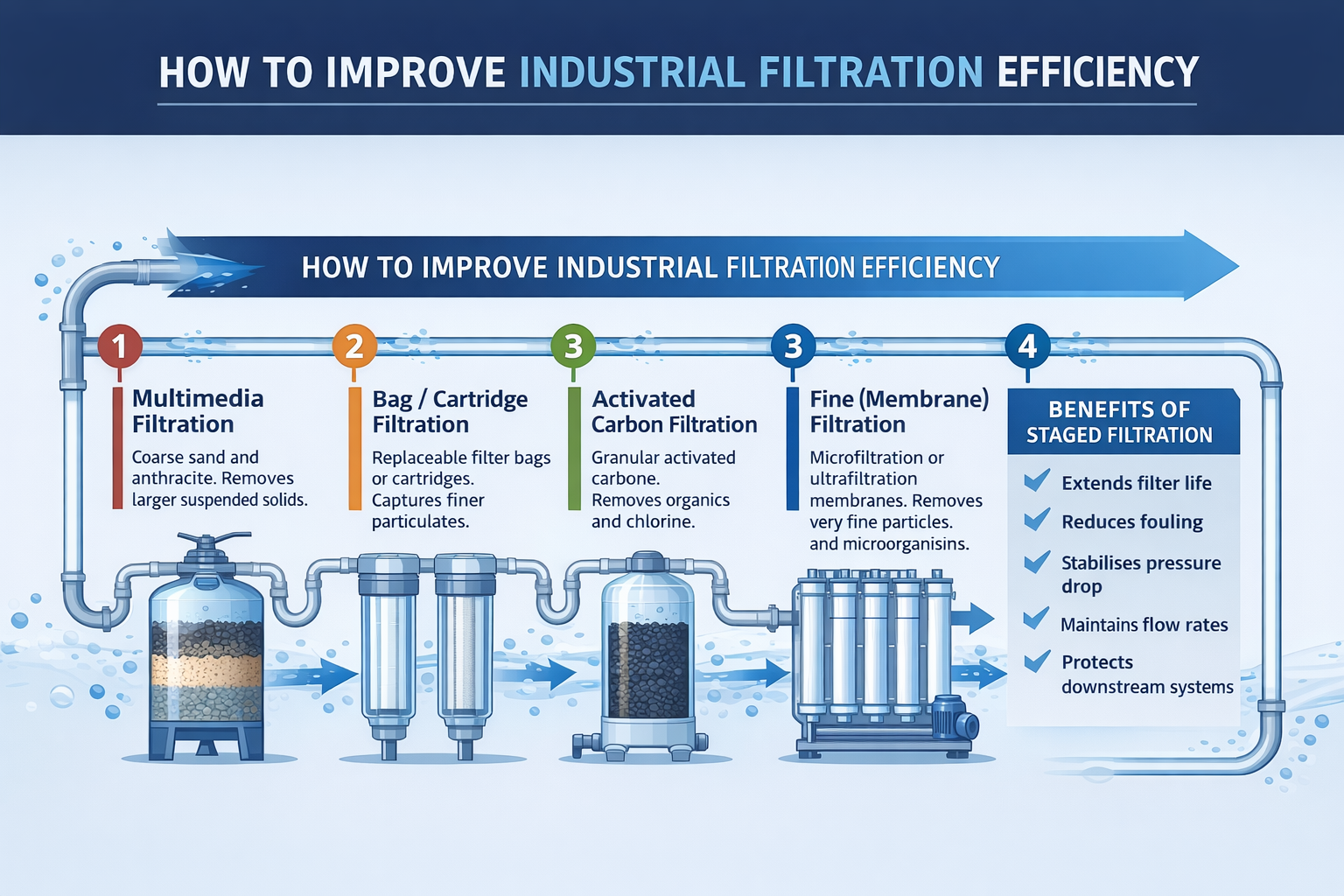
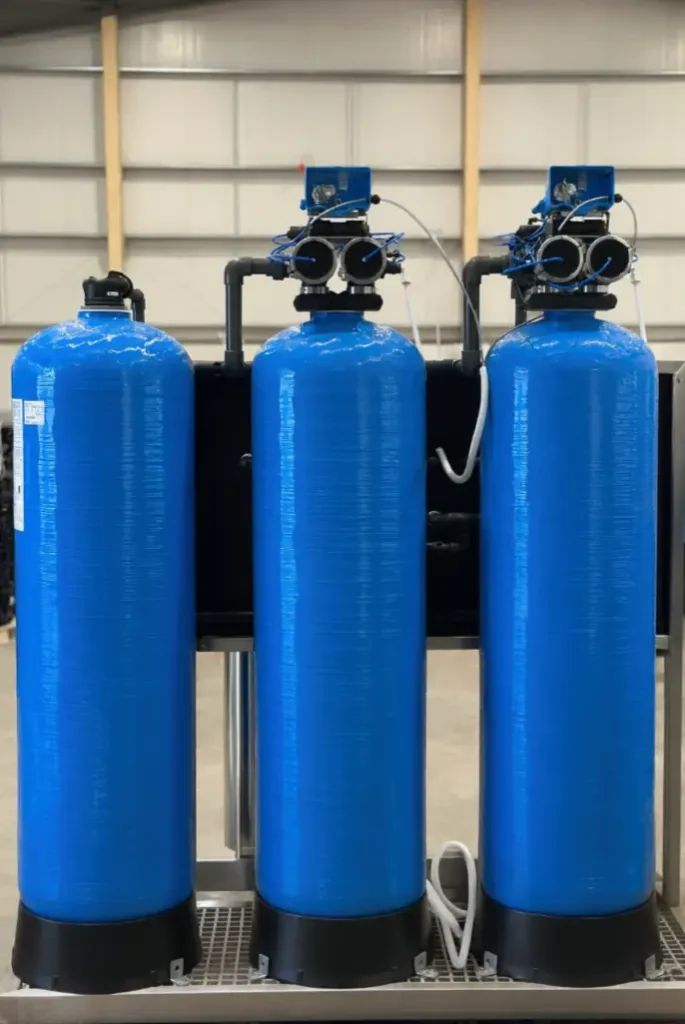
One of the most effective strategies for improving filtration efficiency is staged filtration.
Instead of relying on a single filter to do all the work, staged systems remove contaminants progressively. Coarse filters remove larger particles first, followed by finer filters that handle lower particle loads.
This approach reduces the stress on individual filters, stabilises pressure drop, and significantly increases overall system reliability. It also makes maintenance more predictable and cost effective.
In industrial systems feeding reverse osmosis, deionisation, or sensitive process equipment, staged filtration is essential rather than optional.
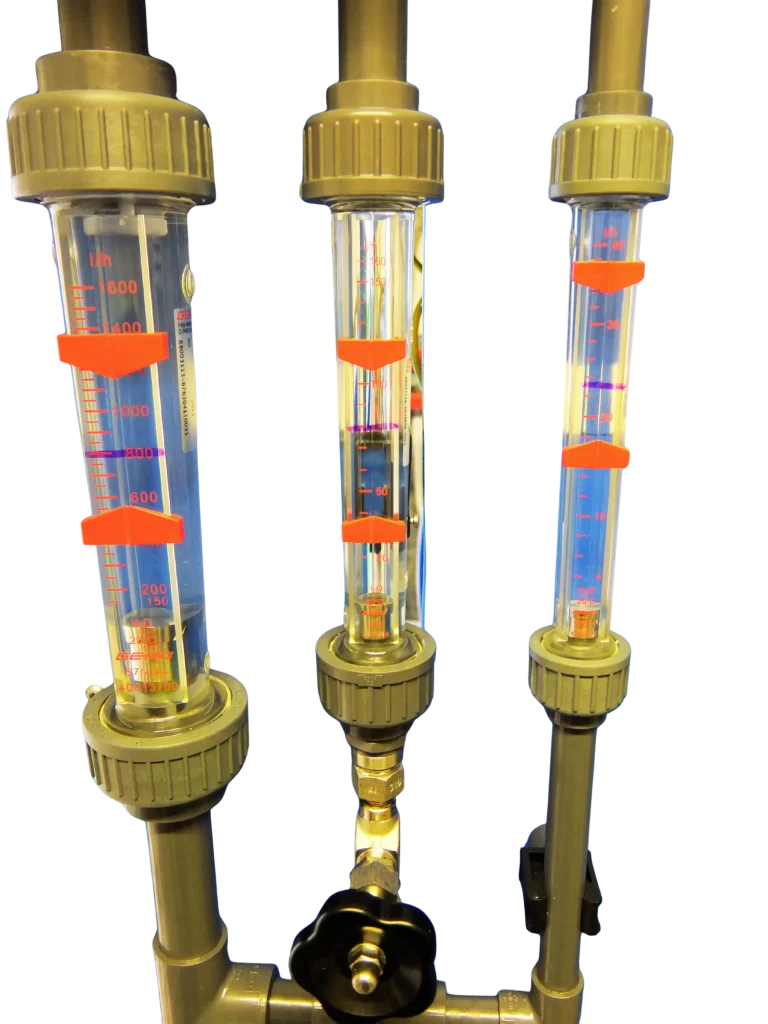
Filtration performance is closely linked to flow rate. Excessive flow can force particles through filter media, reduce capture efficiency, and accelerate fouling.
Each filtration technology has an optimal operating range. Operating outside this range compromises performance and shortens filter life.
Improving filtration efficiency often involves reviewing actual flow conditions against design assumptions. Process changes, system expansions, or equipment upgrades can all increase flow without filtration being reassessed.
In some cases, reducing flow velocity or increasing filter surface area delivers immediate improvements without changing filtration media.
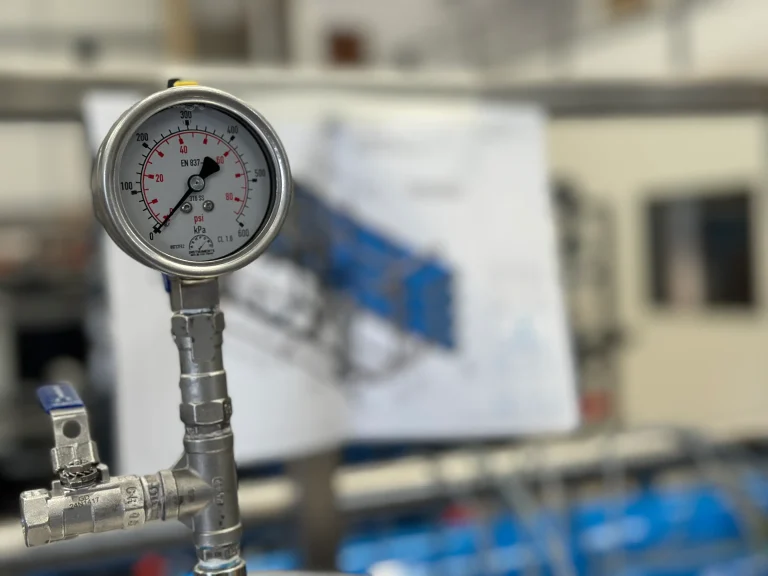
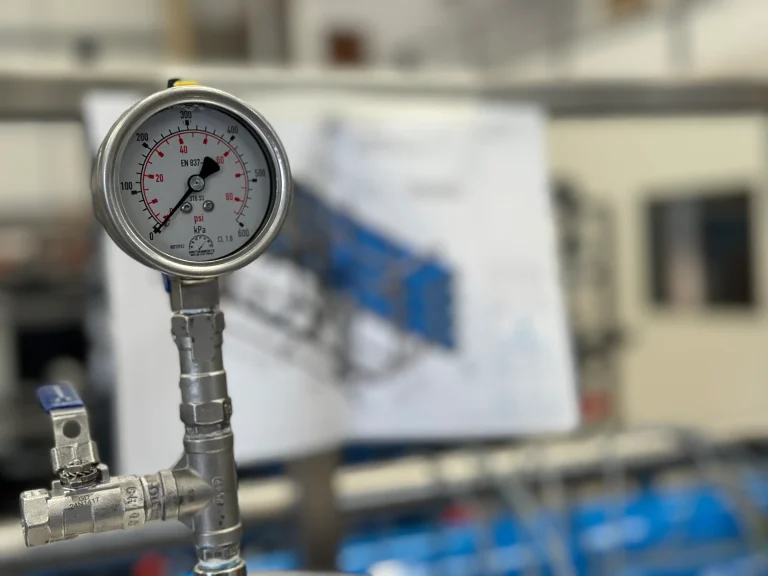
Differential pressure is one of the most valuable indicators of filtration performance, yet it is often poorly monitored or misunderstood.
A gradual increase in differential pressure indicates normal filter loading. Sudden increases may suggest fouling, biological growth, or inappropriate filter selection. Little or no pressure change can indicate bypassing or filter damage.
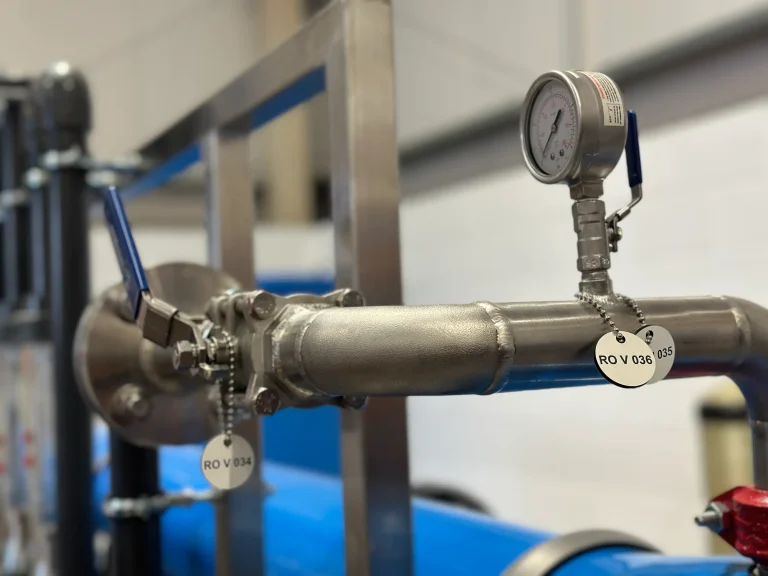
Improving efficiency means setting realistic pressure thresholds and acting on trends rather than waiting for failures. Automated monitoring and alarms are particularly valuable in continuous industrial operations.
Regular review of pressure data allows filtration performance to be optimised over time rather than managed reactively.
Even the best-designed filtration system will perform poorly if maintenance is inconsistent or inappropriate.
Filters left in service beyond their effective life can collapse, channel, or release captured contaminants back into the system. Conversely, changing filters too frequently increases operating costs without improving performance.
Improving filtration efficiency involves establishing maintenance schedules based on operating data rather than fixed time intervals alone. This includes correct installation, proper sealing, and verification that replacement filters meet specification.
Training operators to recognise early signs of filtration issues is just as important as the filters themselves.
Filtration efficiency is influenced not only by particles but also by water chemistry.
Iron, manganese, oils, biofilm, and organic matter can foul filters in ways that simple particle filtration cannot address. In these cases, pre-treatment such as oxidation, chemical dosing, or upstream separation may be required.
Ignoring fouling mechanisms leads to repeated filter failures and poor system performance. Addressing the root cause improves filtration efficiency across the entire treatment process.
This is particularly important in systems feeding membranes or deionisation, where fouling can cause irreversible damage.
One of the clearest measures of filtration efficiency is how well downstream equipment is protected.
Effective filtration reduces membrane fouling, stabilises ion exchange performance, and protects pumps, valves, and instrumentation. Poor filtration often reveals itself through increased maintenance elsewhere in the system.
Improving filtration efficiency should always be assessed in terms of overall system health rather than filter performance in isolation.
AllWater approaches filtration efficiency as part of a complete system rather than a standalone component.
The process begins with a detailed review of raw water quality, system requirements, and operational history. This allows filtration stages to be selected based on real conditions rather than assumptions.
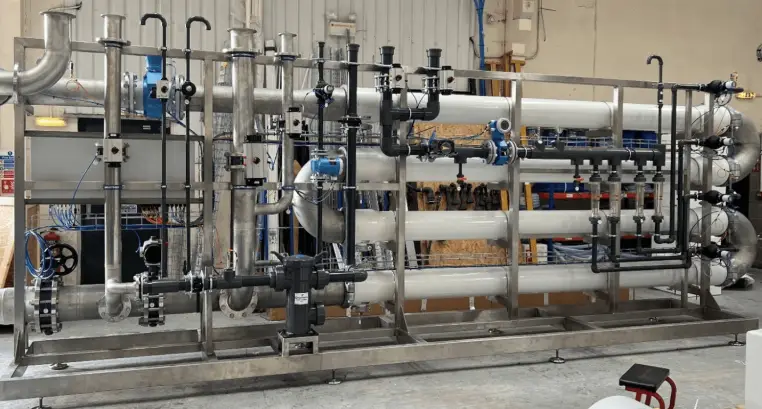
AllWater designs filtration systems that balance contaminant removal with flow stability, pressure management, and maintainability. This often involves staged filtration, correctly sized housings, and appropriate automation.
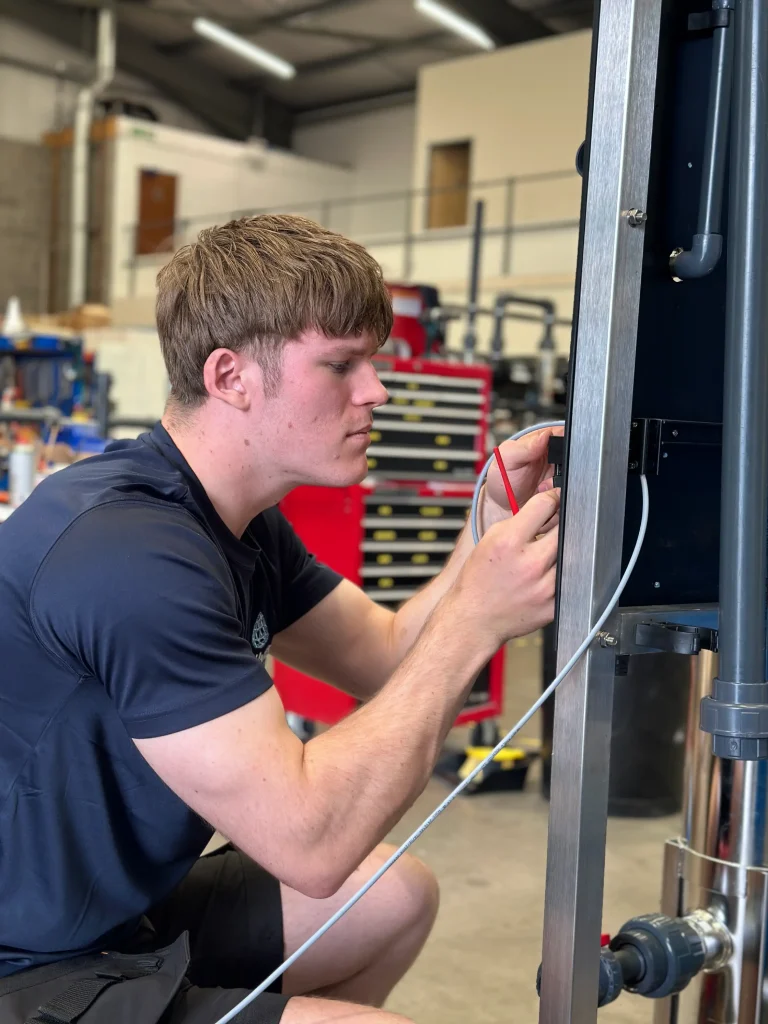
Installation and commissioning focus on correct operation from day one, including verification of pressure drops and flow distribution. Ongoing service support ensures filtration performance is maintained as operating conditions change.
By combining design expertise with practical field experience, AllWater helps industrial clients achieve reliable filtration without unnecessary complexity or cost.
Several recurring issues undermine filtration performance in industrial systems.
These include over-specifying filter fineness, under-sizing housings, ignoring flow changes, poor maintenance practices, and treating symptoms rather than causes.
Addressing these issues often improves efficiency without significant capital investment. In many cases, optimisation delivers better results than equipment replacement.
Industrial systems are rarely static. Process demands change, water sources vary, and regulatory requirements evolve.
Improving filtration efficiency is an ongoing process rather than a one-off exercise. Regular system reviews, performance monitoring, and incremental improvements help maintain efficiency over the long term.
Filtration should be treated as an active component of the water treatment strategy, not a passive consumable.
Improving filtration efficiency in industrial systems requires more than changing filters. It involves understanding contaminants, selecting appropriate technologies, optimising operation, and maintaining systems based on real data.
When filtration is designed and managed correctly, it protects downstream equipment, stabilises processes, and reduces long-term operating costs.
For industrial operators, investing time in filtration efficiency pays dividends across the entire water treatment system.
We’re here to help with all your water treatment needs. Whether you have questions about our services, want to discuss a project, or need support, our team is ready to assist you. Fill out the form for general enquiries, or you are welcome to email direct or give us a call.
Unit 2,
Cheddar Business Park,
Wedmore Road,
Cheddar
BS27 3EB
Mon-Fri: 08:30-17:30 (GMT)